
The term “lag switch” conjures images of players manipulating the digital battlefield, gaining an unfair advantage through the manipulation of network latency. In the intricate ecosystem of online gaming, where split-second reactions and seamless gameplay are paramount, the concept of intentionally introducing lag is both fascinating and deeply problematic. This article delves into the technical underpinnings of what a lag switch is, how it functions, its implications, and why it remains a contentious issue within the gaming community.
Understanding Network Latency in Online Gaming
Before dissecting the lag switch itself, it’s crucial to grasp the fundamental concept of network latency. Online gaming relies on the constant exchange of data packets between a player’s device (the client) and the game server. Latency, often measured in milliseconds (ms), represents the time it takes for these data packets to travel from the client to the server and back. This round-trip time is commonly referred to as “ping.”

The Role of Ping in Gameplay
A low ping is the holy grail of online gaming. It signifies a responsive connection where actions are registered almost instantaneously. For instance, in a fast-paced first-person shooter (FPS), a player with a low ping can aim, shoot, and move with precision, as their inputs are transmitted and processed rapidly. Conversely, a high ping indicates a significant delay. This delay can manifest in various frustrating ways:
- Delayed Actions: Pressing a button might result in an action occurring seconds later, making it difficult to react effectively to in-game events.
- Teleporting Players: Other players might appear to jump or “teleport” around the map, as their movement data is being received with significant delays.
- Hit Registration Issues: Shots fired might not register on opponents, or opponents might appear to take damage after they’ve already moved out of the line of fire.
- Desynchronization: The game state on a player’s screen might not accurately reflect the actual state of the game on the server, leading to a disjointed and unfair experience.
Several factors contribute to network latency, including:
- Geographical Distance: The physical distance between a player’s device and the game server is a primary determinant of ping. The further the data has to travel, the higher the latency.
- Network Congestion: Just like traffic on a highway, if too much data is trying to pass through a network at once, it can lead to delays. This can occur on a player’s local network, their Internet Service Provider’s (ISP) network, or the game server’s network.
- Internet Connection Quality: The type and quality of a player’s internet connection play a significant role. Dial-up connections, for example, have inherently high latency compared to fiber optic connections.
- Router and Hardware Issues: Older or poorly configured routers, outdated network drivers, or even an overloaded computer can introduce latency.
- Server Performance: The capacity and efficiency of the game server itself can also impact latency for all connected players.
Deconstructing the “Lag Switch”
A lag switch, in essence, is a hardware or software tool designed to intentionally disrupt a player’s internet connection, thereby inducing lag for other players in the same online game session. The primary goal of using a lag switch is to create an unfair advantage by manipulating the perceived speed and responsiveness of the game for opponents.
How a Lag Switch Works: The Technical Mechanisms
While the term “lag switch” is often used broadly, the underlying mechanisms typically involve interrupting the flow of data packets to or from the player’s device. There are several common ways this can be achieved:
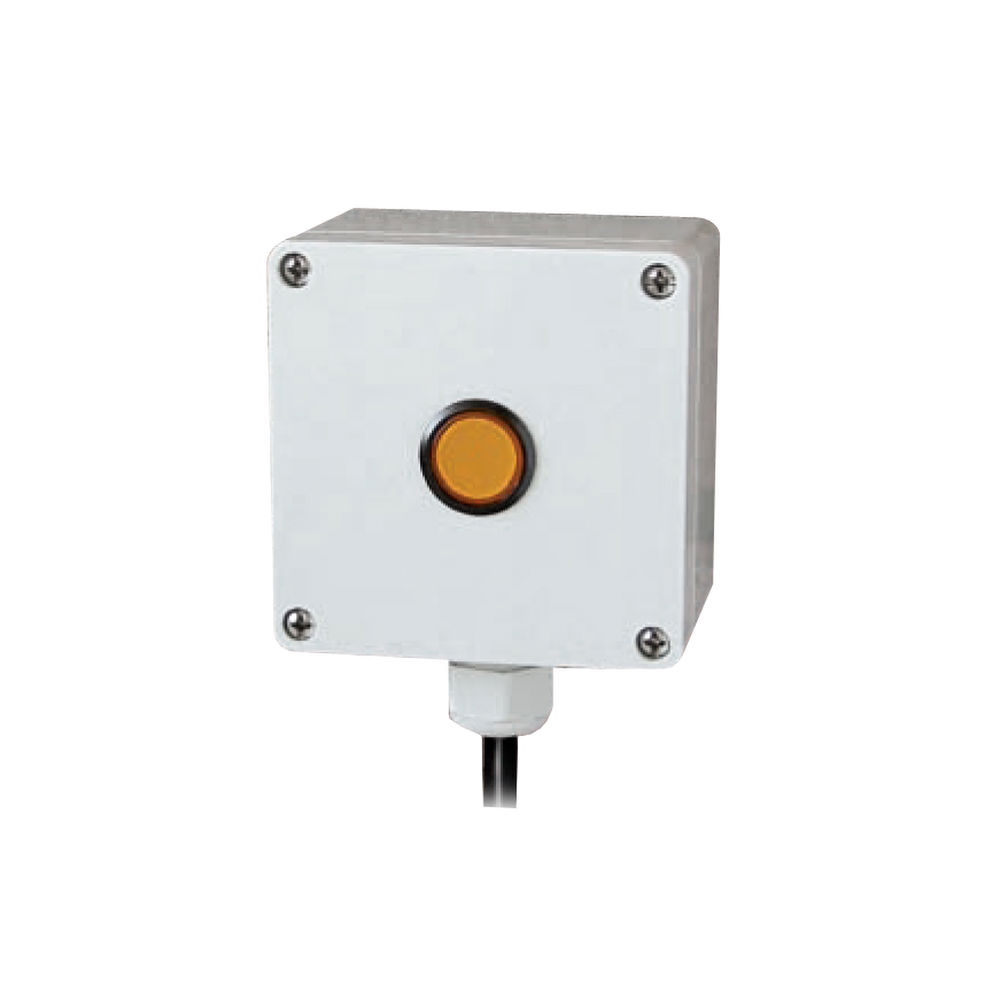
- Hardware Switches: This is the most literal interpretation of a lag switch. It involves a physical device, often a simple toggle switch, wired between a player’s gaming device (e.g., PC, console) and their router. When activated, the switch temporarily disconnects the device from the network, halting the transmission of data. Upon deactivation, the connection is restored, but the abrupt interruption causes a significant spike in latency for other players, as the game server tries to reconcile the lost data.
- Software-Based Lagging: More sophisticated methods involve software that manipulates network traffic at a deeper level. This can include:
- Denial-of-Service (DoS) Attacks: While often associated with larger-scale cyberattacks, smaller-scale DoS attacks can be launched from a player’s own machine to flood the target’s connection or the game server with an overwhelming amount of data, causing their connection to become unstable and laggy.
- Packet Manipulation: Certain software can intercept and drop outgoing or incoming data packets, or intentionally delay their transmission. This can be done by targeting specific game traffic or by creating general network congestion on the player’s machine.
- Network Interface Card (NIC) Spoofing/Manipulation: In some cases, advanced users might attempt to manipulate their network adapter’s behavior to create artificial packet loss or delay.
The effectiveness of a lag switch relies on the game’s architecture and how it handles network disruptions. Games that are more resilient to packet loss and can gracefully handle temporary disconnections will be less susceptible to these manipulations. However, most online games attempt to smooth out minor network fluctuations, and a sudden, severe interruption caused by a lag switch can often bypass these mechanisms, leading to noticeable lag for others.
The “Freezing” Effect and Its Consequences
The most common manifestation of a lag switch being used is the “freezing” effect. During a lag spike, the game appears to pause or stutter for everyone else on the server. Players might suddenly stop moving, projectiles hang in the air, and the game world seems to freeze momentarily.
When the lag switch is deactivated, there’s often a period of intense data synchronization as the game server attempts to update everyone’s position and game state. For the player using the lag switch, this can appear as if their opponents are moving erratically or have already moved to a new position by the time the game “catches up.” This allows the lag switcher to:
- Gain Free Kills: While opponents are frozen or lagging, the lag switcher can easily aim and eliminate them without any resistance.
- Escape Dangerous Situations: If cornered or under attack, activating the lag switch can give them an opportunity to disengage and reposition.
- Manipulate Objectives: In objective-based games, a lag switch can be used to prevent opponents from contesting objectives or to gain an uncontested advantage.
The Ethical and Technical Ramifications of Lag Switching

The use of lag switches is universally condemned by the gaming community and is considered a form of cheating. Its ethical implications are clear, but it also carries significant technical and social consequences.
The Impact on Fair Play and Player Experience
The core principle of online gaming is fair competition. Lag switching directly violates this principle by creating an artificial and unfair advantage. This has a devastating impact on the player experience:
- Frustration and Demoralization: Players who are subjected to lag switching often experience extreme frustration, leading to a negative and demoralizing gaming experience. This can drive players away from the game entirely.
- Erosion of Trust: When players suspect lag switching is occurring, it erodes trust within the community and can lead to suspicion and accusations, even when legitimate network issues are at play.
- Damage to Game Reputation: Games that are perceived as being rife with cheating and unfair practices suffer significant damage to their reputation, impacting player retention and attracting new players.
Anti-Cheat Measures and Detection
Game developers and server administrators are aware of lag switching and employ various strategies to combat it. However, detecting and preventing it can be challenging due to its often-subtle nature and the difficulty in distinguishing intentional lag from genuine network issues. Common anti-cheat measures include:
- Network Monitoring and Analysis: Servers constantly monitor network traffic for anomalies, such as sudden spikes in latency, packet loss, or unusual connection patterns.
- Behavioral Analysis: Sophisticated algorithms can analyze player behavior during periods of high latency to identify patterns indicative of lag switching, such as an unusual number of kills or escapes occurring during these moments.
- Server-Side Hit Registration: Shifting hit registration from the client to the server makes it harder for lag switchers to exploit delayed inputs.
- IP Address Tracking and Banning: Persistent offenders can be identified through their IP addresses and permanently banned from the game.
- Reporting Systems: Player-driven reporting systems, while not always accurate, can flag suspicious behavior for further investigation.
However, lag switching techniques are constantly evolving. Software-based methods, in particular, can be harder to detect than hardware switches. The cat-and-mouse game between cheat developers and anti-cheat developers is ongoing.
The Distinction Between Intentional Lag and Genuine Network Issues
It’s important to differentiate between intentional lag switching and legitimate network problems. Many factors can cause temporary or persistent lag for a player, including:
- ISP Throttling: Some ISPs may intentionally slow down certain types of traffic, including gaming.
- Wi-Fi Interference: Other devices on a Wi-Fi network, or even physical obstructions, can cause signal degradation and increased latency.
- Overloaded Home Network: Multiple devices streaming, downloading, or gaming simultaneously can strain a home network’s bandwidth.
- Server Instability: Game servers themselves can experience performance issues, leading to lag for all connected players.
Accusing someone of lag switching without concrete evidence can lead to unwarranted hostility and can be damaging to their reputation. It’s crucial to approach such situations with a degree of caution and to distinguish between a deliberate attempt to cheat and unfortunate network circumstances.
The Evolving Landscape of Online Gaming Integrity
The fight against lag switching is part of a broader effort to maintain the integrity of online gaming environments. As technology advances, so do the methods used to cheat and the methods used to combat it.
The Role of Game Developers and Publishers
Game developers and publishers have a significant responsibility in ensuring a fair and enjoyable experience for their player base. This involves:
- Investing in Robust Anti-Cheat Technologies: Continuous development and deployment of sophisticated anti-cheat systems are essential.
- Server Infrastructure: Maintaining stable and well-performing server infrastructure is crucial to minimize legitimate network issues that could be mistaken for cheating.
- Clear Terms of Service and Enforcement: Establishing clear rules against cheating and consistently enforcing them through bans and other penalties deters malicious behavior.
- Community Engagement: Listening to player feedback and addressing concerns about cheating builds trust and helps identify emerging threats.
Player Responsibility and Community Culture
While developers play a key role, players also contribute to a healthy gaming ecosystem:
- Reporting Suspicious Activity: Actively using in-game reporting tools helps developers identify potential cheaters.
- Promoting Fair Play: Fostering a culture where cheating is discouraged and fair play is celebrated can have a significant impact.
- Educating Themselves: Understanding how lag works and how lag switches are used can empower players to identify and report suspicious behavior more effectively.
The concept of the lag switch highlights a persistent challenge in online gaming: maintaining a level playing field in a decentralized and often unpredictable network environment. While the technology behind it is relatively straightforward, its impact on the social fabric of online gaming is profound, underscoring the ongoing need for vigilance, robust technological solutions, and a strong community commitment to fair play.
aViewFromTheCave is a participant in the Amazon Services LLC Associates Program, an affiliate advertising program designed to provide a means for sites to earn advertising fees by advertising and linking to Amazon.com. Amazon, the Amazon logo, AmazonSupply, and the AmazonSupply logo are trademarks of Amazon.com, Inc. or its affiliates. As an Amazon Associate we earn affiliate commissions from qualifying purchases.