
In the ever-evolving landscape of gaming, the Xbox controller stands as a ubiquitous and iconic piece of technology. Its ergonomic design, intuitive button layout, and advanced haptic feedback have cemented its place as a preferred input device for millions. However, for those less immersed in the granular details of gaming peripherals, the labeling of its various components can sometimes be a source of mild confusion. Among these, the “L” designations on the Xbox controller are particularly noteworthy, signifying a crucial set of inputs that contribute significantly to the gaming experience. This article delves into the meaning and function of “L” on an Xbox controller, exploring its role within the broader technological context of modern gaming input devices.
Understanding the Core Input Systems
The Xbox controller is not merely a collection of buttons; it is a sophisticated input system designed to translate player intent into actionable commands within a virtual environment. The “L” designation is intrinsically linked to one of the primary control paradigms on the controller: the analog sticks and the accompanying shoulder buttons. To fully grasp the significance of “L,” we must first contextualize it within the controller’s overall design philosophy, which prioritizes both precision and accessibility.
The Anatomy of the Xbox Controller
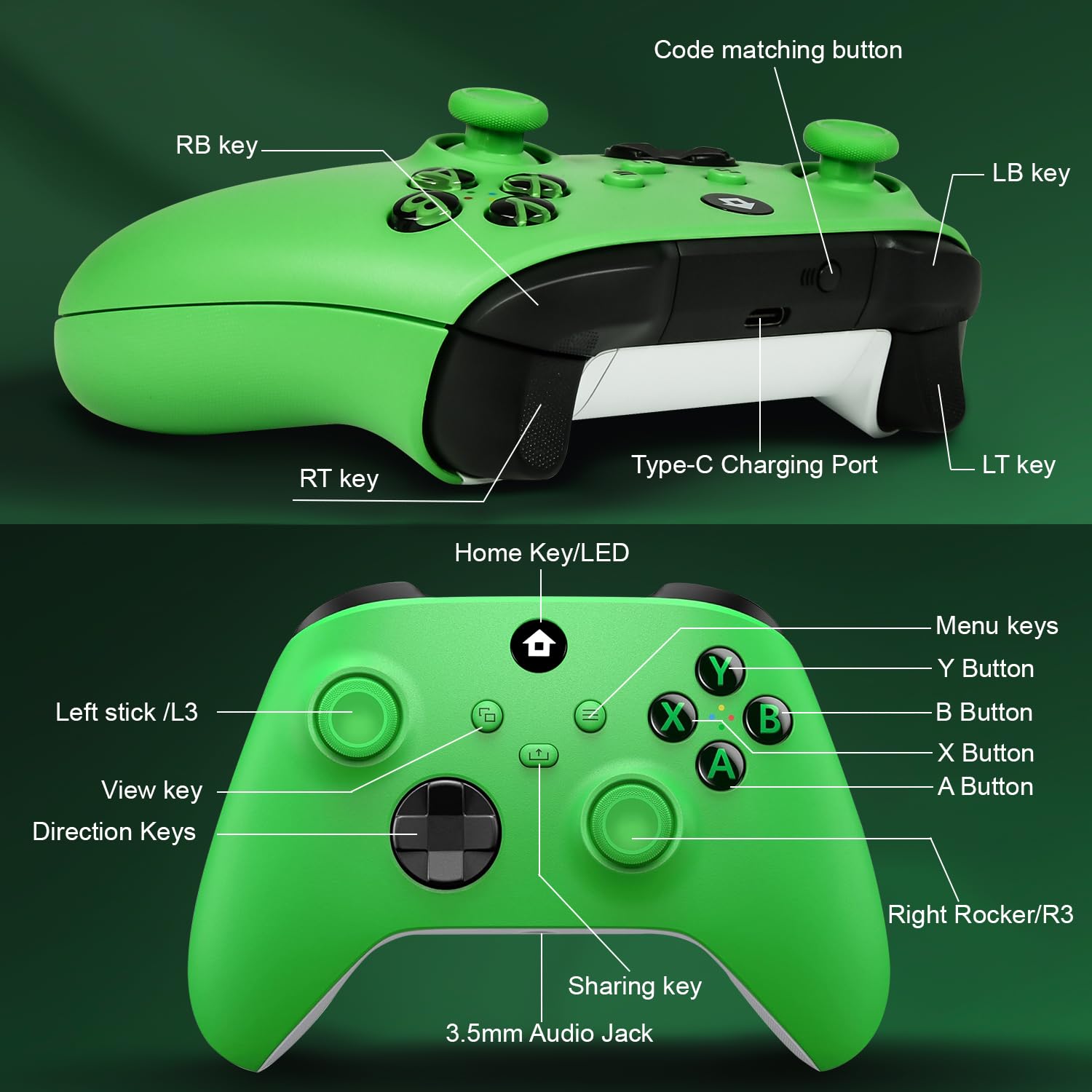
At its most basic, the Xbox controller is divided into several key input areas. These include the directional pad (D-pad), face buttons (A, B, X, Y), menu and view buttons, and importantly, the analog sticks and triggers. Each of these elements has a specific purpose, contributing to the diverse range of actions a player can perform. The analog sticks, in particular, offer nuanced control over movement and camera orientation, providing a level of granularity that was revolutionary with their introduction. The triggers, located on the top shoulder of the controller, are designed for analog input, allowing for variable pressure, which is essential for actions like accelerating a vehicle or aiming a weapon with varying degrees of intensity.
Analog Sticks: The Heart of Precision Control
The two primary analog sticks are positioned on the lower half of the controller, with one on the left and one on the right. These sticks are capable of detecting movement in 360 degrees and can register varying degrees of tilt. This analog nature allows for subtle and fluid control, a stark contrast to the binary on/off nature of traditional digital buttons. The left analog stick is universally recognized as the primary control for character movement in most games. Players push it forward to move their character in that direction, backward to retreat, and left or right to strafe. The degree of tilt directly influences the speed of movement. This allows for a spectrum of motion, from a slow, stealthy creep to a full-on sprint, all controlled by the subtle variations in how the player manipulates the stick.
The right analog stick typically serves as the camera control. This is crucial for navigating 3D environments, allowing players to look around, aim, and survey their surroundings. The ability to independently control character movement and camera perspective is a cornerstone of modern 3D gaming and is largely facilitated by the dual analog stick design.
Shoulder Buttons and Triggers: Layered Input
Above the analog sticks are the shoulder buttons. These are typically divided into two sets: the “bumpers” and the “triggers.” The bumpers are digital buttons, providing a simple on/off input. The triggers, however, are analog, meaning they can detect how far they are being pressed. This allows for a more nuanced interaction with in-game mechanics. For example, in a racing game, a light press of the right trigger might engage the brakes gently, while a full press would apply them with maximum force.
Deciphering the “L” Designations: Left Analog Stick and Left Bumper
Within the context of the Xbox controller’s layout, the “L” designation primarily refers to two distinct, yet interconnected, input mechanisms: the Left Analog Stick and the Left Bumper. Understanding these components is crucial for anyone seeking to master the controller’s capabilities and fully appreciate the underlying technology.
The Left Analog Stick (LS): Movement and Navigation
The Left Analog Stick, often abbreviated as “LS” or simply referred to as the “left stick,” is the cornerstone of player movement in the vast majority of Xbox games. Its placement on the lower-left quadrant of the controller is deliberate, aligning with the natural resting position of the left thumb. As discussed earlier, this stick provides nuanced, 360-degree control over character movement. Developers leverage the analog nature of the LS to implement a wide range of movement mechanics, from walking and running to sprinting and stealthy crawling. The responsiveness and precision of the LS are paramount for an immersive gaming experience, allowing players to execute precise maneuvers, dodge enemy attacks, and navigate complex environments with fluidity.
The technology behind the analog stick typically involves a potentiometer or a Hall effect sensor. These sensors detect the physical angle and displacement of the stick, translating that data into analog signals that the console interprets. The accuracy and reliability of these sensors are critical for maintaining competitive play and ensuring that a player’s intentions are faithfully represented in the game. Over time, analog stick drift, a phenomenon where the stick registers input even when not being touched, has been a persistent challenge for controller manufacturers, highlighting the importance of robust sensor technology and quality control in this area.
The Left Bumper (LB): The Primary Left Shoulder Input
The Left Bumper, abbreviated as “LB,” is the digital button located on the top shoulder of the controller, directly above the Left Analog Stick. This button provides a simple, binary input – either it is pressed or it is not. While it may seem less sophisticated than the analog sticks or triggers, the LB plays a vital role in game control schemes. Its proximity to the Left Analog Stick makes it easily accessible for the left index finger, allowing for quick and instinctive activation during gameplay.
In many games, the LB is mapped to contextual actions or secondary movement commands. For instance, in role-playing games (RPGs), it might be used to open an inventory screen, cycle through abilities, or activate a special move. In first-person shooters (FPS), it could be assigned to actions such as leaning to the side to peek around cover, throwing a grenade, or switching between primary and secondary weapons. The “L” designation for the bumper simply denotes its position on the left side of the controller, distinguishing it from its counterpart on the right, the Right Bumper (RB). This consistent labeling convention across various controller models and generations helps to ensure familiarity and ease of use for players.

The Technological Significance of Analog and Digital Inputs
The combination of analog sticks and digital bumpers on the Xbox controller represents a sophisticated approach to user interface design within the realm of gaming. The interplay between these different input types allows for a rich and varied control scheme that can accommodate a wide range of game genres and mechanics. The existence of both “L” inputs – the analog Left Stick and the digital Left Bumper – highlights the controller’s ability to cater to both precise, nuanced actions and immediate, decisive commands.
Analog Precision: Enabling Nuanced Gameplay
The analog nature of the Left Analog Stick is arguably its most significant technological contribution to modern gaming. It moved beyond the limitations of digital directional inputs, which could only register eight directions. The ability to register any angle between 0 and 360 degrees, coupled with the detection of how far the stick is tilted, opened up a new dimension of control. This precision is vital for:
- Fluid Movement: Allowing characters to walk, run, and sprint at varying speeds, mirroring the subtlety of real-world motion.
- Fine-Tuned Aiming: While the right analog stick typically handles aiming, the left analog stick’s precision can be used for character positioning in relation to aiming, such as strafing while maintaining focus on a target.
- Vehicle Control: Providing realistic acceleration, braking, and steering in racing games or flight simulators.
- Exploration: Enabling players to explore vast open worlds with a sense of freedom and natural interaction.
The underlying technology, whether it be potentiometers or more advanced Hall effect sensors, is designed to offer high fidelity and durability, ensuring that the nuanced input is accurately translated to the game world. The development and refinement of these analog stick technologies have been a critical factor in the evolution of 3D gaming.
Digital Responsiveness: Immediate and Decisive Actions
Complementing the analog inputs are the digital buttons like the Left Bumper (LB). These buttons are designed for instantaneous response. When pressed, they trigger an immediate action without any degree of variability in the input signal. This is ideal for commands that require quick, decisive execution and do not benefit from analog nuance. Examples include:
- Activation of Abilities: Quickly using a special skill or item.
- Contextual Actions: Performing an action that is dependent on the current game state, such as interacting with an object or initiating a conversation.
- Menu Navigation: Swiftly moving between menu options or selecting items.
- Quick Toggles: Switching between different modes or stances.
The simplicity of digital buttons makes them highly reliable and easy to use under pressure. Their strategic placement, like the LB above the LS, allows for a natural flow of control, enabling players to seamlessly combine analog movement with quick digital commands. This synergy between analog and digital inputs is a testament to thoughtful ergonomic and functional design in the Xbox controller.
The Evolution and Future of Xbox Controller Inputs
The “L” designations on an Xbox controller are not static features; they represent a point in the ongoing evolution of gaming input devices. From the early days of digital-only controllers to the sophisticated haptic feedback and adaptive triggers of modern iterations, the design of the Xbox controller has consistently aimed to enhance the player’s connection to the virtual world.
From D-pad to Analog Sticks: A Paradigm Shift
The introduction of analog sticks, and by extension the concept of distinct left and right analog inputs, marked a significant departure from previous generations of controllers. Early consoles relied heavily on D-pads for directional input. While effective for 2D games, the D-pad struggled to provide the necessary depth for 3D environments. The Xbox controller, building on the legacy of its predecessors and competitors, cemented the dual analog stick layout as the standard for 3D gaming. The “L” on the left analog stick became synonymous with player-controlled movement, fundamentally changing how players interacted with virtual spaces.
Beyond the Basics: Advanced Features and Accessibility
Modern Xbox controllers, such as the Xbox Wireless Controller and the Xbox Elite Wireless Controller, have further refined these input systems. Features like improved haptic feedback in the analog sticks can simulate resistance and texture, adding another layer of immersion. The introduction of customizable button mapping allows players to reassign functions, including those associated with the LB, to optimize their control schemes for specific games or their personal preferences.
Furthermore, accessibility has become an increasingly important consideration. The Xbox Adaptive Controller, while a different form factor, demonstrates a commitment to making gaming accessible to a wider audience by providing a modular system that can be customized with various input devices, including those that might mirror the functionality of an “L” input. This focus on adaptability ensures that the principles of precise movement and responsive action, embodied by the “L” designations, can be translated into a playable experience for everyone.

The Future of “L”: Continued Refinement and Innovation
The future of gaming input will likely see continued innovation in analog stick technology, focusing on even greater precision, durability, and perhaps even new forms of sensory feedback. The concept of “L” as a primary directional and action input will undoubtedly persist, but its implementation may evolve. We might see more sophisticated gesture recognition within the analog sticks, or perhaps entirely new paradigms for left-hand control that build upon the established strengths of the current “L” inputs. Regardless of the specific advancements, the fundamental role of the left analog stick and left bumper in providing intuitive and effective control is likely to remain a cornerstone of the Xbox gaming experience for years to come. The “L” in an Xbox controller, therefore, is more than just a label; it signifies a crucial gateway to the interactive world, a testament to the ongoing quest for seamless human-computer interaction in the realm of digital entertainment.
aViewFromTheCave is a participant in the Amazon Services LLC Associates Program, an affiliate advertising program designed to provide a means for sites to earn advertising fees by advertising and linking to Amazon.com. Amazon, the Amazon logo, AmazonSupply, and the AmazonSupply logo are trademarks of Amazon.com, Inc. or its affiliates. As an Amazon Associate we earn affiliate commissions from qualifying purchases.