
India’s economic narrative is one of rapid transformation and burgeoning global influence. For decades, the country has been a significant player in international trade, with a diverse range of goods and services finding markets across the world. While discussions about India’s economic prowess often touch upon its vast domestic market and growing consumption, understanding its export landscape is crucial for grasping its role in the global economy and its future trajectory. When we ask, “What is India’s biggest export?”, the answer, surprisingly to some, lies not solely in the tangible goods that fill shipping containers, but in an intangible yet immensely valuable commodity that underpins the modern global economy.
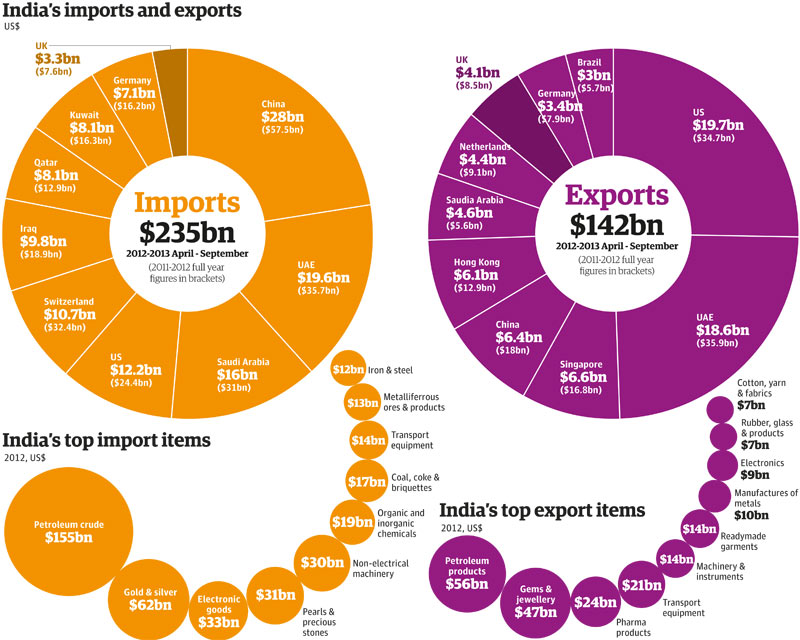
The complexities of international trade statistics can sometimes obscure the true drivers of a nation’s export strength. While traditional merchandise exports, such as textiles, agricultural products, and manufactured goods, undeniably contribute significantly to India’s foreign exchange earnings, a deeper dive reveals a sector that has outpaced them in growth and economic impact. This sector, driven by intellectual capital, innovation, and a highly skilled workforce, has become India’s undisputed export leader.
The Unseen Giant: India’s Dominance in Services Exports
For several years, India’s services sector has been the powerhouse of its export economy. This isn’t a recent phenomenon but a sustained and accelerating trend that positions India as a global leader. Unlike merchandise exports, which are physical goods crossing borders, services exports represent the sale of intangible offerings. This can range from software development and IT consulting to business process outsourcing (BPO), financial services, and even creative industries.
The sheer scale and value of India’s services exports are often underestimated when compared to the visible metrics of manufactured goods. However, these exports are characterized by high value addition, significant job creation, and a substantial contribution to the nation’s Gross Domestic Product (GDP). The digital revolution and the increasing interconnectedness of the global economy have played a pivotal role in amplifying the demand for India’s expertise.
The IT and Business Process Outsourcing (BPO) Juggernaut
The most prominent segment within India’s services export landscape is undoubtedly the Information Technology (IT) and Business Process Outsourcing (BPO) sector. Often referred to as the “backbone” of India’s export economy, this sector has consistently delivered robust growth and innovation. Indian IT companies have established themselves as trusted partners for businesses worldwide, offering a comprehensive suite of services that includes software development, system integration, IT consulting, application maintenance, and digital transformation solutions.
The success of this sector is rooted in several key factors. Firstly, India possesses a vast pool of highly skilled and English-speaking professionals. The country’s strong emphasis on STEM education, coupled with the availability of a young and ambitious workforce, has provided the human capital necessary to fuel this industry. Secondly, cost-effectiveness has been a significant advantage, allowing Indian firms to offer competitive pricing without compromising on quality. This has made them an attractive outsourcing destination for companies seeking to optimize their operational costs.
The BPO segment, encompassing customer support, technical assistance, and back-office operations, has also seen remarkable expansion. Indian call centers and service hubs are a familiar presence in global customer service networks, handling millions of inquiries and providing support in multiple languages. This not only generates significant revenue but also fosters a culture of service excellence that permeates across other sectors. The IT and BPO sectors are not just about providing services; they are about delivering solutions, driving efficiency, and enabling digital innovation for clients across the globe.
Beyond IT: Diversification in Services Exports
While IT and BPO remain the dominant forces, India’s services export story is increasingly diversified. Other sectors are rapidly gaining traction and contributing to the nation’s export earnings. This diversification is a testament to India’s evolving economic capabilities and its ability to adapt to global market demands.
One such area of significant growth is the Professional and Management Consulting Services domain. Indian firms and individual consultants are increasingly sought after for their expertise in strategic planning, market analysis, operational efficiency, and organizational development. The country’s deep understanding of emerging markets, coupled with a nuanced approach to business challenges, makes them a valuable asset for international corporations.
Furthermore, Financial and Insurance Services are also emerging as a significant export category. With the growth of India’s own financial markets and the increasing sophistication of its financial institutions, there’s a growing demand for Indian expertise in areas like investment banking, risk management, and specialized financial advisory services. The country’s ability to manage complex financial operations and provide tailored solutions is finding a receptive audience globally.
The Creative Industries, encompassing areas like media, entertainment, and design, are also making their mark. India’s vibrant cultural landscape and its burgeoning talent pool in areas like animation, visual effects, game development, and digital content creation are attracting international projects and collaborations. This not only contributes to export revenue but also showcases India’s creative prowess on the world stage. The continuous evolution and expansion of these diverse services underscore the dynamic nature of India’s export economy.
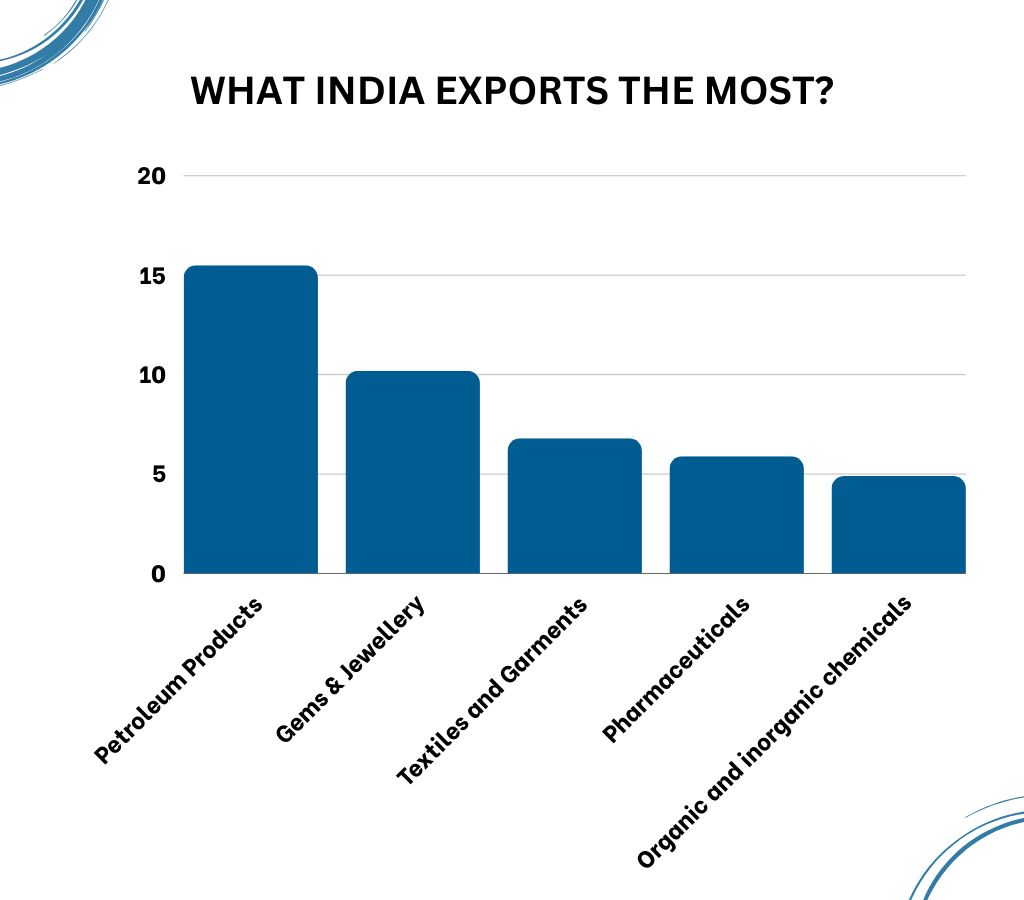
Factors Driving India’s Services Export Dominance
The sustained success and growth of India’s services exports are not accidental. A confluence of strategic advantages, proactive government policies, and the inherent strengths of the Indian workforce has created an environment conducive to global competitiveness. Understanding these drivers is key to appreciating why services, rather than merchandise, have ascended to the top of India’s export pyramid.
The Demographic Dividend and Human Capital Advantage
India’s demographic dividend, characterized by a large, young, and increasingly educated population, is arguably its most significant asset. The country produces millions of graduates every year, many of whom are equipped with technical skills and a strong command of the English language. This readily available talent pool is a primary draw for global businesses seeking skilled labor.
Moreover, the Indian education system, particularly in engineering and management, has evolved to meet international standards. Universities and technical institutes are producing graduates who are not only technically proficient but also adaptable and eager to learn. This continuous supply of skilled professionals ensures that India can meet the growing demands of the global services market. The emphasis on continuous learning and upskilling within the workforce further solidifies this advantage.
Favorable Economic Policies and Infrastructure Development
The Indian government has recognized the immense potential of the services sector and has implemented various policies to foster its growth and competitiveness. Initiatives like “Digital India” have aimed at promoting digital infrastructure, encouraging innovation, and creating a more conducive environment for technology-driven businesses. The establishment of Special Economic Zones (SEZs) offering tax incentives and streamlined regulatory processes has also played a crucial role in attracting foreign investment and facilitating export-oriented services businesses.
Furthermore, continuous investment in infrastructure, including telecommunications, transportation, and power, has been vital. Reliable internet connectivity and efficient logistical networks are essential for the seamless delivery of services globally. While there’s always room for improvement, the progress made in these areas has significantly reduced operational challenges for service exporters.
Global Demand and Technological Advancements
The global landscape has undergone a profound transformation driven by technological advancements and increasing globalization. Businesses worldwide are increasingly relying on digital solutions and outsourced services to enhance efficiency, reduce costs, and focus on their core competencies. This has created a massive and ever-growing demand for the services that India excels at providing.
The rise of cloud computing, artificial intelligence (AI), data analytics, and automation has further amplified the need for specialized IT and BPO services. Indian companies have been quick to embrace these technologies, investing in research and development and upskilling their workforce to offer cutting-edge solutions. The ability to leverage these advanced technologies allows Indian service providers to offer not just routine tasks but also complex problem-solving and strategic insights, thus solidifying their position as indispensable partners in the global digital economy.

The Future Outlook for India’s Export Economy
The trajectory of India’s export economy appears poised for continued growth and evolution. While the dominance of services exports is likely to persist, the nature and scope of these exports are set to transform further, driven by innovation and emerging global trends. Understanding these future dynamics is crucial for policymakers, businesses, and investors alike.
The increasing adoption of Artificial Intelligence (AI) and Machine Learning (ML) will undoubtedly reshape the services export landscape. Indian companies are already at the forefront of developing and deploying AI-powered solutions across various industries. From customer service chatbots and predictive analytics to personalized marketing and automated software development, AI is set to become an even more significant component of India’s export offerings. The ability to develop and integrate AI solutions will be a key differentiator in the global market.
Furthermore, the focus will likely shift towards higher value-added services and specialized expertise. As the global economy becomes more complex, there will be an increasing demand for niche skills and advanced consulting. India’s ability to cultivate and offer specialized services in areas such as cybersecurity, blockchain technology, quantum computing, and sustainable technology solutions will be critical for maintaining its competitive edge. This move up the value chain will enhance profitability and further solidify India’s position as a global knowledge hub.
Finally, globalization trends and geopolitical shifts will also play a role. While some countries might look to diversify their supply chains and bring manufacturing closer to home, the demand for specialized services is likely to remain robust. India’s established ecosystem, its skilled workforce, and its ability to adapt to changing market dynamics position it well to capitalize on these evolving global trade patterns. The nation’s commitment to fostering innovation and its proactive approach to technological adoption suggest a bright and dynamic future for its export economy, with services leading the charge.
aViewFromTheCave is a participant in the Amazon Services LLC Associates Program, an affiliate advertising program designed to provide a means for sites to earn advertising fees by advertising and linking to Amazon.com. Amazon, the Amazon logo, AmazonSupply, and the AmazonSupply logo are trademarks of Amazon.com, Inc. or its affiliates. As an Amazon Associate we earn affiliate commissions from qualifying purchases.