
The term “dogmatic theology” often evokes a sense of rigid, unquestionable beliefs, and while there’s an element of truth to that connotation, a deeper understanding reveals a sophisticated and vital discipline within religious and philosophical study. Far from being a mere collection of pronouncements, dogmatic theology is the systematic and reasoned articulation of core religious doctrines. It seeks to define, defend, and expound upon the fundamental tenets of a particular faith tradition, often drawing upon scripture, tradition, reason, and experience. This article will delve into the nature of dogmatic theology, its historical development, its methodologies, and its relevance in contemporary discourse.

The Foundation of Belief: Defining Dogma
At its heart, dogmatic theology is concerned with “dogma.” Understanding this term is crucial to grasping the entire field. A dogma, in a religious context, is a fundamental truth or set of truths that have been authoritatively declared by a religious community, typically through councils, creeds, or pronouncements by religious leaders. These truths are considered essential to the identity and salvific efficacy of the faith.
The Essence of Dogma: Authoritative Declarations
Dogmas are not simply popular opinions or devotional practices; they are considered divinely revealed or necessarily derived from divine revelation. Their authority stems from the belief that they represent an infallible understanding of God’s will and nature, or the foundational principles of salvation. For instance, in Christianity, the doctrine of the Trinity – the belief in one God existing in three co-equal persons: Father, Son, and Holy Spirit – is a cornerstone dogma. Similarly, the Incarnation, the belief that Jesus Christ is both fully God and fully human, is another central dogma. These are not matters of casual interpretation but are presented as foundational truths upon which the entire faith system is built.
Distinguishing Dogma from Doctrine and Belief
It is important to differentiate dogma from related terms like “doctrine” and “belief.” While all dogmas are doctrines, not all doctrines are dogmas. Doctrines are broader teachings or principles within a religious system. They can encompass a wide range of theological ideas, ethical guidelines, and interpretations of scripture. Dogmas, however, are specifically those doctrines that have achieved a high level of authoritative definition and are considered non-negotiable for adherence to the faith. Beliefs are personal convictions. While individuals may hold many beliefs, dogmas are those beliefs that have been formally articulated and universally affirmed by the religious community. The process of identifying, formulating, and safeguarding dogmas is central to dogmatic theology.
The Discipline of Dogmatic Theology: Method and Purpose
Dogmatic theology is not simply the passive acceptance of dogma; it is an active, intellectual pursuit. It involves rigorous analysis, systematic organization, and reasoned justification of these core beliefs. The discipline seeks to understand the meaning and implications of dogma, to demonstrate its coherence, and to articulate it in ways that are comprehensible and persuasive to believers and non-believers alike.
Theological Methodologies: Scripture, Tradition, and Reason
Dogmatic theologians employ a variety of methodologies to engage with dogma. The primary sources of authority are typically Scripture (sacred texts) and Tradition (the cumulative teachings and practices passed down through generations). Scripture is often seen as the primary source of divine revelation, while Tradition provides the historical context and authoritative interpretations of that revelation. However, reason also plays a crucial role. Dogmatic theology seeks to demonstrate the logical consistency of its doctrines and to address philosophical challenges. This involves careful exegesis of scripture, study of historical theological writings, and engagement with philosophical concepts. The interplay between these sources is what gives dogmatic theology its depth and intellectual rigor. For example, a dogmatic theologian might use philosophical arguments to defend the concept of God’s omnipotence or to explore the compatibility of free will with divine providence.
The Articulation and Defense of Faith
The purpose of dogmatic theology is multifaceted. Firstly, it aims to provide a clear and coherent articulation of the faith’s core tenets. This involves explaining complex theological concepts in accessible language, making them understandable for both clergy and laity. Secondly, it serves to defend these doctrines against internal doubts and external criticisms. This apologetic function is vital for maintaining the integrity of the faith and for engaging with other belief systems and secular thought. By offering reasoned explanations and refutations, dogmatic theology strengthens the faith of believers and provides a framework for interfaith dialogue.
Historical Development and Variations in Dogmatic Theology
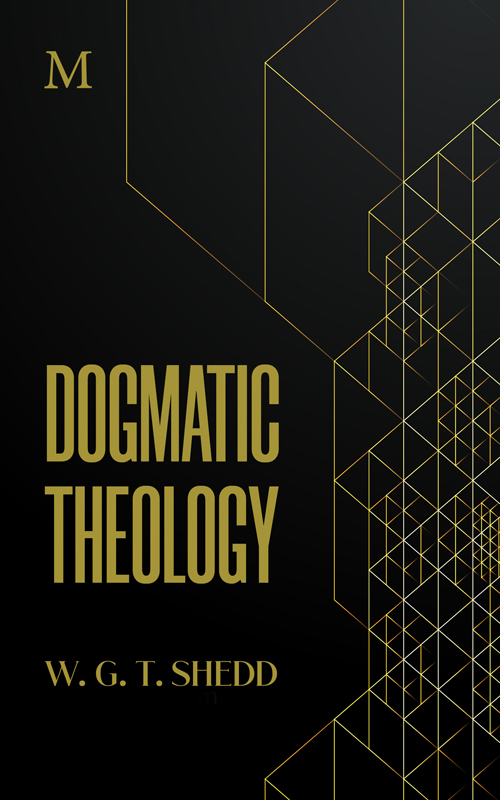
The way dogmatic theology has been practiced and understood has evolved significantly throughout history, influenced by different religious traditions and intellectual movements. Understanding this historical trajectory provides crucial context for appreciating the diverse landscape of dogmatic theological expression.
Early Church Formulations: Creeds and Councils
In its nascent stages, dogmatic theology was largely concerned with establishing the core beliefs of Christianity in response to internal disputes and external pressures. The formulation of creeds, such as the Nicene Creed, represented significant moments in this development. These creeds were not merely affirmations of belief but were carefully crafted statements designed to clarify and defend essential doctrines, particularly concerning the nature of Christ and the Trinity. Ecumenical councils, gatherings of bishops from across the Christian world, played a pivotal role in shaping dogmatic consensus, addressing heresies and articulating official doctrines. The pronouncements from councils like Nicaea, Chalcedon, and Ephesus became foundational texts for dogmatic theology.
Reformation and Counter-Reformation Debates
The Protestant Reformation in the 16th century marked a period of significant upheaval and divergence in dogmatic theology. Reformers like Martin Luther and John Calvin challenged many of the established doctrines of the Catholic Church, emphasizing the supremacy of Scripture (sola scriptura) and the doctrine of justification by faith alone. This led to the development of distinct Protestant dogmatic traditions, each with its own theological emphases. In response, the Catholic Church underwent its own period of dogmatic clarification and defense during the Counter-Reformation, notably at the Council of Trent, which reaffirmed traditional doctrines and addressed many of the criticisms raised by the reformers. This era highlights how dogmatic theology is a dynamic discipline, constantly engaged in dialogue and debate.
Contemporary Expressions and Challenges
In the modern era, dogmatic theology continues to grapple with new challenges and opportunities. The rise of secularism, scientific advancements, and diverse philosophical perspectives necessitate a re-examination and re-articulation of traditional dogmas. Contemporary dogmatic theologians often engage in interdisciplinary dialogue, drawing on insights from philosophy, sociology, psychology, and other fields. Furthermore, within various religious traditions, there is an ongoing discussion about the interpretation and application of dogmas in contemporary contexts. This includes questions about inclusivity, social justice, and the relevance of ancient doctrines to modern life. While the core commitment to defining and defending foundational beliefs remains, the methodologies and the specific issues addressed by dogmatic theology have broadened considerably.
The Role and Relevance of Dogmatic Theology Today
Despite the challenges and evolving landscape, dogmatic theology remains a vital discipline. Its importance extends beyond academic circles and plays a significant role in shaping the identity, practice, and future of religious communities.
Shaping Religious Identity and Community Cohesion
Dogmatic theology provides the essential framework that defines a religious community’s identity. The shared acceptance and understanding of core dogmas create a sense of unity and belonging among believers. This common theological ground allows for collective worship, ethical guidance, and a shared understanding of humanity’s relationship with the divine. When individuals understand and affirm the dogmas of their faith, it fosters a deeper commitment and a stronger sense of purpose within the community. It provides answers to fundamental questions about existence, morality, and the afterlife, offering a stable foundation in a often-uncertain world.
Engaging with a Pluralistic World
In today’s increasingly pluralistic and interconnected world, dogmatic theology offers a critical means of articulating a faith’s distinctiveness while also fostering meaningful dialogue. By clearly defining its core beliefs, a religious tradition can engage in conversations with other faiths and worldviews on an informed basis. This engagement is not about seeking to impose one’s own dogmas but about understanding and respecting differences, finding common ground where possible, and clarifying one’s own position. Dogmatic theology, when approached with intellectual honesty and humility, can be a powerful tool for promoting mutual understanding and reducing prejudice. It allows for a confident expression of one’s own faith while simultaneously demonstrating a respect for the beliefs of others.

The Ongoing Quest for Truth
Ultimately, dogmatic theology is an ongoing quest for truth. It is a testament to the human desire to understand the deepest realities of existence and to connect with the transcendent. While the specific formulations of dogmas may evolve, the underlying impulse to seek wisdom, meaning, and divine connection remains constant. Dogmatic theology, in its rigorous and systematic pursuit of understanding, continues to contribute to this enduring human endeavor, offering a structured pathway for exploring the profound questions of faith and existence.
aViewFromTheCave is a participant in the Amazon Services LLC Associates Program, an affiliate advertising program designed to provide a means for sites to earn advertising fees by advertising and linking to Amazon.com. Amazon, the Amazon logo, AmazonSupply, and the AmazonSupply logo are trademarks of Amazon.com, Inc. or its affiliates. As an Amazon Associate we earn affiliate commissions from qualifying purchases.