
In an era defined by rapid technological advancement, unprecedented access to information, and fiercely competitive markets, the traditional approaches to business are no longer sufficient. What’s needed is a more systematic, analytical, and evidence-based methodology – something we can aptly describe as “Business Science.” This concept moves beyond mere intuition or historical precedent, embracing a rigorous framework that leverages data, technology, strategic branding, and sound financial principles to drive informed decision-making and sustainable growth.
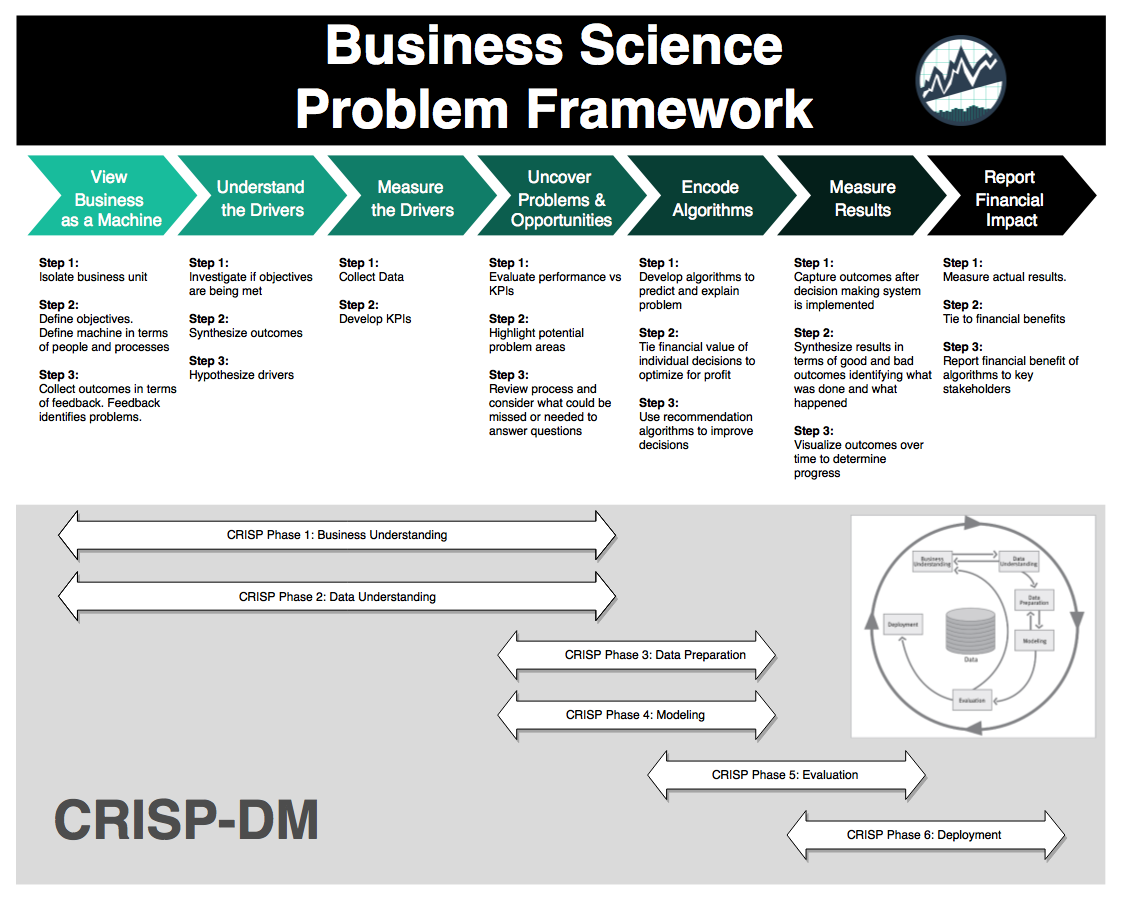
Business Science is not a single discipline, but rather a powerful synthesis of multiple fields. It’s the application of scientific principles – observation, hypothesis formation, experimentation, data analysis, and iterative improvement – to the complex world of commerce. It seeks to understand the underlying mechanisms of market behavior, organizational efficiency, customer engagement, and financial performance with a depth and precision previously unimaginable. For businesses and individuals navigating the modern landscape, adopting a scientific mindset means transforming uncertainty into insight, challenges into opportunities, and aspirations into measurable achievements. It’s about building a robust, resilient, and responsive enterprise, underpinned by the power of technology, the art of branding, and the discipline of financial acumen.

The Technological Engine of Business Science
At the heart of Business Science lies technology. Without the incredible advancements in computing power, data storage, connectivity, and artificial intelligence, the scientific approach to business would remain largely theoretical. Technology provides the tools, the infrastructure, and the capabilities to collect, process, analyze, and act upon the vast amounts of information generated daily. It transforms raw data into actionable intelligence, enabling businesses to understand their environments, customers, and operations with unparalleled clarity.
Data as the New Oil: Analytics and Insights
The phrase “data is the new oil” accurately captures the immense value embedded in digital information. In Business Science, data is the primary fuel. Businesses are awash in data – from website traffic and social media interactions to sales figures, customer service logs, and supply chain metrics. The scientific challenge lies not just in collecting this data, but in transforming it into meaningful insights.
This is where advanced analytics and business intelligence tools become indispensable. Machine learning algorithms can identify patterns and correlations in massive datasets that would be impossible for humans to discern. Predictive analytics helps forecast market trends, consumer behavior, and potential risks, allowing businesses to anticipate rather than merely react. For instance, an e-commerce platform can use customer purchase history and browsing data to personalize product recommendations, significantly increasing conversion rates. A manufacturing company can apply IoT sensors and data analytics to predict equipment failures, enabling proactive maintenance and minimizing downtime. The ability to measure, analyze, and interpret performance metrics across every facet of an operation is a cornerstone of a scientific business approach, providing the empirical evidence needed to validate hypotheses and optimize strategies.
Automation and AI Tools for Enhanced Productivity
Beyond analysis, technology empowers businesses to execute strategies with unprecedented efficiency through automation and artificial intelligence (AI) tools. Repetitive, mundane, and time-consuming tasks can now be handled by software robots, freeing human capital for more creative, strategic, and complex problem-solving. Customer relationship management (CRM) systems automate sales workflows and customer interactions, ensuring no lead is missed and every customer feels valued. Enterprise resource planning (ERP) systems integrate various business functions like finance, HR, manufacturing, and supply chain into a single, cohesive platform, improving operational visibility and control.
AI-powered tools are revolutionizing everything from customer service chatbots that handle routine inquiries 24/7, to sophisticated marketing automation platforms that segment audiences and deliver personalized campaigns at scale. In content creation, AI can assist with drafting emails, generating social media posts, and even analyzing market sentiment for optimal messaging. Furthermore, digital security tools are paramount in this tech-driven environment. Protecting sensitive data – customer information, financial records, proprietary algorithms – from cyber threats is not just a best practice but a fundamental requirement for maintaining trust and operational integrity, underscoring the scientific need for robust defense mechanisms in a data-rich world. The relentless pursuit of productivity through smart technology is a core tenet of Business Science, turning theory into tangible operational gains.
Innovation and Future Trends in Tech for Business
The technological landscape is constantly evolving, and Business Science demands an awareness and adaptability to emerging trends. Technologies like blockchain, for example, offer decentralized and immutable ledgers that could revolutionize supply chain transparency, secure financial transactions, and intellectual property management. The Internet of Things (IoT) extends data collection capabilities to physical objects, enabling real-time monitoring and control in industries from agriculture to smart cities. Virtual Reality (VR) and Augmented Reality (AR) are beginning to transform training, product design, and customer experiences, offering immersive new ways to interact with brands and products.
Embracing these innovations is crucial for staying ahead. A scientific business approach involves constant experimentation with new technologies, piloting solutions, and evaluating their potential impact on efficiency, customer satisfaction, and profitability. It’s about maintaining a forward-looking perspective, understanding that today’s cutting-edge might be tomorrow’s standard, and strategically investing in the technologies that promise the greatest scientific advantage.
Crafting Identity: The Brand Science
While technology provides the tools and data, it is the strategic application of these insights to brand building and marketing that truly resonates with customers and differentiates a business in a crowded marketplace. This is “Brand Science” – the disciplined, data-informed approach to creating, communicating, and managing a brand’s identity, reputation, and relationship with its audience. It moves branding from an abstract art to a measurable, predictable, and optimizeable discipline.
Data-Driven Brand Strategy and Marketing
Gone are the days when brand strategy was solely based on creative intuition. Today, every aspect of brand development, from defining the target audience to crafting messaging and designing visual elements, can be informed by data. Audience segmentation, for instance, uses demographic, psychographic, and behavioral data to identify specific customer groups, allowing for highly targeted and relevant brand communications. A/B testing, a classic scientific methodology, is routinely applied to marketing campaigns to compare different headlines, images, call-to-actions, and ad placements, revealing which variations perform best.
Personalization, fueled by AI and machine learning, allows brands to deliver tailored content and offers to individual customers, creating a more intimate and effective experience. Search Engine Optimization (SEO) and social media analytics provide granular insights into what customers are searching for, what content they engage with, and where they spend their time online. By meticulously tracking these metrics, brands can scientifically optimize their marketing spend, refine their messaging, and ensure their brand narrative consistently reaches and resonates with the right people, maximizing ROI and fostering deeper connections.
Building and Protecting Brand Reputation in the Digital Age
In the interconnected digital world, a brand’s reputation is its most valuable asset, yet also its most vulnerable. Business Science extends to the proactive management and protection of this reputation. Corporate identity, encompassing a company’s values, mission, and visual language, must be consistently applied across all touchpoints, guided by an understanding of how these elements influence perception. For individuals, personal branding has become equally critical, requiring a strategic approach to online presence, professional networking, and content creation.
Reputation management tools leverage social listening and sentiment analysis to monitor public perception in real-time. This allows businesses to quickly identify emerging issues, respond to customer feedback, and mitigate potential crises before they escalate. Case studies provide empirical evidence of successful and unsuccessful branding efforts, offering valuable lessons for future strategies. Even design principles, from user interface (UI) to user experience (UX), are now heavily data-driven, ensuring that every interaction with a brand is intuitive, satisfying, and contributes positively to its overall perception. A scientific approach to reputation means being constantly vigilant, adaptable, and proactive in shaping and safeguarding how the world perceives your brand.
The Psychology and Science of Consumer Behavior
Understanding why customers choose certain brands, make specific purchasing decisions, or remain loyal is fundamental to Brand Science. This delves into the realm of behavioral economics and consumer psychology, applying scientific research methods to uncover the drivers behind human actions. Neuromarketing, for example, uses neuroscientific techniques to study consumers’ cognitive and emotional responses to marketing stimuli, revealing subconscious preferences and motivations.
By understanding biases, heuristics, and psychological triggers, brands can scientifically design more compelling products, services, and marketing messages. This might involve understanding the power of scarcity, the appeal of social proof, or the impact of framing on decision-making. Through controlled experiments, surveys, and observational studies, businesses can build predictive models of consumer behavior, allowing them to optimize everything from product placement to pricing strategies. Successful brands often tell compelling stories, but Brand Science ensures that these stories are not only engaging but also strategically aligned with deep psychological insights, proven to move audiences from awareness to advocacy.
The Financial Equation: Money and Metrics in Business Science
Ultimately, the goal of any business endeavor is to generate financial value. Business Science brings a methodical, data-driven approach to managing money, optimizing financial performance, and ensuring long-term economic viability. It’s about more than just accounting; it’s about leveraging financial data as a scientific instrument to diagnose problems, identify opportunities, and formulate robust strategies for wealth creation and fiscal health.
Leveraging Data for Financial Optimization and Growth
In a scientific business, financial data is a goldmine for optimization. Personal finance benefits from tools that track income, expenses, and investments, allowing individuals to scientifically manage their budgets, plan for retirement, and identify areas for saving or increasing income. For businesses, comprehensive financial tools and analytics dashboards provide real-time insights into cash flow, profitability, and key performance indicators (KPIs).
By applying statistical analysis to financial trends, businesses can forecast future performance, identify revenue streams that are underperforming, or pinpoint cost centers that require attention. Investment strategies can be scientifically modeled and tested, assessing risk-adjusted returns and optimizing portfolio allocation. Business finance extends to capital allocation – making data-driven decisions on where to invest resources (e.g., in new technology, marketing campaigns, or talent acquisition) to achieve the highest return on investment (ROI). It’s about moving from guesswork to calculated decision-making, ensuring every financial move is backed by empirical evidence and contributes to a clearly defined economic objective.
The Science of Online Income and Sustainable Business Models
The digital age has opened up countless avenues for online income and innovative business models. Business Science applies rigor to these opportunities, transforming “side hustles” into sustainable ventures. Whether it’s e-commerce, affiliate marketing, content creation, or running a SaaS platform, success hinges on a deep understanding of market dynamics, customer acquisition costs, and lifetime value.
Data plays a crucial role in optimizing online income streams. A/B testing on product pages, analyzing conversion funnels, and tracking customer journeys allow businesses to refine their strategies. For a content creator, analytics tools reveal which topics resonate most with their audience, informing future content planning. The scientific approach also helps in designing sustainable business models, moving beyond one-off sales to recurring revenue through subscriptions, memberships, or platform services. This involves analyzing market demand, pricing elasticity, and operational costs to build a financially robust and scalable enterprise. It’s about building a business that can not only generate revenue but sustain and grow it over time through a scientifically optimized model.
Financial Security and Strategic Resource Allocation
Financial security, both personally and corporately, is a critical outcome of Business Science. This involves not only generating income but also protecting assets and making prudent decisions about resource allocation. Digital security, mentioned earlier in the tech context, takes on particular importance here, as financial transactions, sensitive banking information, and proprietary financial models must be safeguarded against cyber threats.
Financial planning tools, budgeting software, and wealth management platforms enable a scientific approach to long-term financial health. They allow for scenario planning, stress testing investments against various market conditions, and creating diversified portfolios based on risk tolerance and financial goals. Strategically allocating resources – be it capital, time, or human talent – is another area where Business Science shines. Rather than scattering resources broadly, a scientific approach prioritizes investments based on their projected ROI, their alignment with strategic objectives, and their potential to mitigate risks. This ensures that every dollar, every hour, and every effort contributes maximally to the overall financial success and stability of the individual or organization.
Integrating the Pillars: The Holistic Approach of Business Science
The true power of Business Science emerges when Technology, Brand, and Money are not treated as isolated silos but as interconnected pillars of a holistic strategy. They form a continuous feedback loop where advancements in one area directly influence and inform the others.
Consider how a cutting-edge AI tool (Technology) can analyze vast amounts of customer sentiment data to identify emerging trends in brand perception (Brand). This insight then allows for a proactive adjustment of marketing campaigns, improving brand loyalty and ultimately leading to increased sales and profitability (Money). Conversely, strong financial performance (Money) can fund investments in advanced technological infrastructure (Technology), which in turn enables more sophisticated data-driven branding efforts (Brand).
This integrated approach ensures that decisions are made with a comprehensive understanding of their multifaceted impact. A new product launch, for instance, isn’t just a technological marvel; its success hinges on a scientifically crafted brand message that resonates with a specific target audience, all while being underpinned by a meticulously planned financial model that ensures profitability and scalability. The scientific method encourages this constant interplay: developing hypotheses based on technological capabilities and brand insights, testing them through market interventions, analyzing the financial outcomes, and then iterating on the strategy. This dynamic, adaptive, and evidence-based way of operating defines the pinnacle of Business Science.
The Future is Scientific, The Future is Business Science
In an increasingly complex and competitive world, the adoption of Business Science is no longer optional; it is imperative for survival and success. By embracing a scientific mindset, businesses and individuals can transform uncertainty into informed action, relying on data, analytics, and systematic experimentation rather than pure intuition or traditional methods.
The benefits are profound: enhanced decision-making, a significant competitive advantage, accelerated innovation, optimized resource allocation, and sustainable growth. Business Science empowers organizations to not only understand their present reality but also to predict and shape their future. It champions a culture of continuous learning and adaptation, where every outcome, whether successful or challenging, provides valuable data for future refinement. As technology continues its relentless march forward, as brand landscapes become ever more nuanced, and as financial ecosystems grow more intricate, the demand for a scientific approach to business will only intensify. The future belongs to those who apply rigor, evidence, and systematic thinking to every facet of their enterprise – the future is fundamentally about Business Science.
aViewFromTheCave is a participant in the Amazon Services LLC Associates Program, an affiliate advertising program designed to provide a means for sites to earn advertising fees by advertising and linking to Amazon.com. Amazon, the Amazon logo, AmazonSupply, and the AmazonSupply logo are trademarks of Amazon.com, Inc. or its affiliates. As an Amazon Associate we earn affiliate commissions from qualifying purchases.