
In a world increasingly driven by technological innovation, brand reputation, and financial acumen, it’s easy to overlook the foundational components that enable our modern existence. Among these unsung heroes, the ball bearing stands out – a seemingly simple mechanical device whose pervasive utility underpins everything from the precision movements of robotic surgery to the silent hum of a high-end washing machine, and the vast power generation of a wind turbine. Far from being mere cogs in a machine, ball bearings are crucial enablers of efficiency, reliability, and smooth operation across countless industries. They are the unseen forces that allow wheels to turn, shafts to spin, and mechanisms to glide, drastically reducing friction and supporting loads in ways that make advanced technology possible, enhance brand value, and generate significant economic impact.
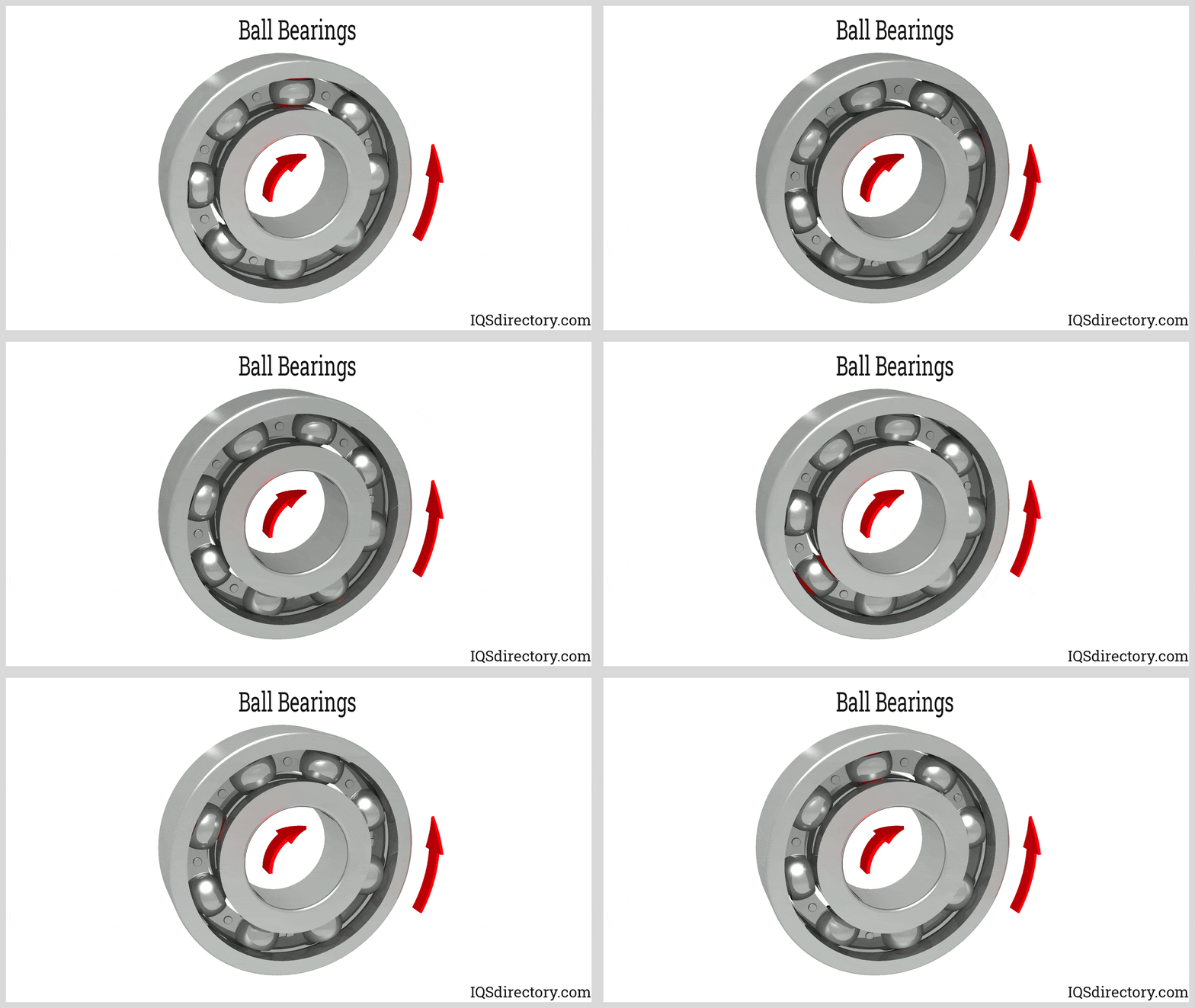
This article delves into the multifaceted applications of ball bearings, exploring how their fundamental principles translate into tangible benefits across the domains of technology, brand strategy, and financial prosperity. We’ll uncover their vital role in shaping the devices we use daily, influencing consumer perception, and driving the gears of global commerce.
The Unseen Engine of Modern Technology
Technology, in all its rapidly evolving forms, owes an immense debt to the humble ball bearing. From the sleekest gadgets in our pockets to the most intricate industrial machinery, these components are essential for enabling movement, ensuring precision, and enhancing durability. Without the smooth, low-friction operation that ball bearings provide, many of the technological advancements we take for granted would be impossible or vastly less efficient.
Powering Our Gadgets and Devices
Consider the sheer complexity and miniaturization found in today’s personal electronics and home appliances. Ball bearings are indispensable here, enabling compact designs and reliable performance. In your desktop or laptop computer, tiny bearings allow cooling fans to spin quietly and efficiently, preventing overheating that could damage sensitive processors. Older hard disk drives (HDDs) relied on highly precise fluid dynamic bearings or ball bearings to spin platters at thousands of revolutions per minute, allowing for rapid data access. Even modern 3D printers use ball bearings to guide precise movements along their axes, ensuring accuracy in every printed layer. Beyond computing, appliances like washing machines, dryers, and dishwashers integrate bearings into their motor and drum assemblies, facilitating the smooth, balanced rotation that prevents noise, reduces wear, and extends the lifespan of the unit. The quiet operation and long-term reliability that consumers expect from their smart home gadgets are often directly attributable to the quality and application of the ball bearings within them.
Enabling Robotics and Automation
The era of automation and robotics is intrinsically linked to the advancements in bearing technology. Robots, whether industrial manipulators on an assembly line or delicate surgical instruments, require fluid, precise, and repeatable movements across multiple axes. Ball bearings provide the necessary low-friction pivot points and linear guides, allowing robotic arms to extend, rotate, and grip with unparalleled accuracy. In manufacturing, automated systems use bearings in conveyors, gantry systems, and machine tools to move heavy components, execute complex cuts, and assemble intricate products with minimal error and maximum speed. Surgical robots, operating with sub-millimeter precision, rely on miniature, high-tolerance bearings to translate human hand movements into incredibly fine manipulations, enabling minimally invasive procedures that were once unimaginable. The reliability and longevity of these bearings are paramount, as failure could lead to catastrophic consequences in industrial settings or, more critically, in medical applications.
Driving Sustainable Energy Solutions
As the world pivots towards renewable energy, ball bearings are playing an increasingly critical role in the infrastructure of sustainability. Wind turbines, towering structures designed to harness the power of nature, are prime examples. The main shaft of a wind turbine, connecting the massive blades to the generator, rotates under immense loads and often in challenging environmental conditions. Large, high-performance ball bearings are crucial for supporting this shaft, enduring extreme forces, and ensuring the smooth, continuous rotation needed for efficient power generation. Similarly, in concentrated solar power (CSP) plants, ball bearings are used in the tracking mechanisms that pivot vast arrays of mirrors or solar panels to precisely follow the sun’s path throughout the day, maximizing energy capture. The durability, low-friction properties, and ability to withstand harsh temperatures and contaminants make specialized ball bearings indispensable for these large-scale, long-term investments in green energy, directly contributing to our planet’s sustainable future.
Crafting Brand Excellence and Customer Trust
In today’s competitive marketplace, a brand’s success hinges not just on innovative features but also on the perceived quality, reliability, and overall experience it delivers. While often hidden from plain sight, the quality of ball bearings within a product can profoundly impact these critical aspects, influencing consumer perception, fostering loyalty, and building a robust brand identity. For discerning consumers and businesses alike, the subtle efficiency conferred by superior bearings can be a powerful differentiator.
The Foundation of Product Quality and Reliability
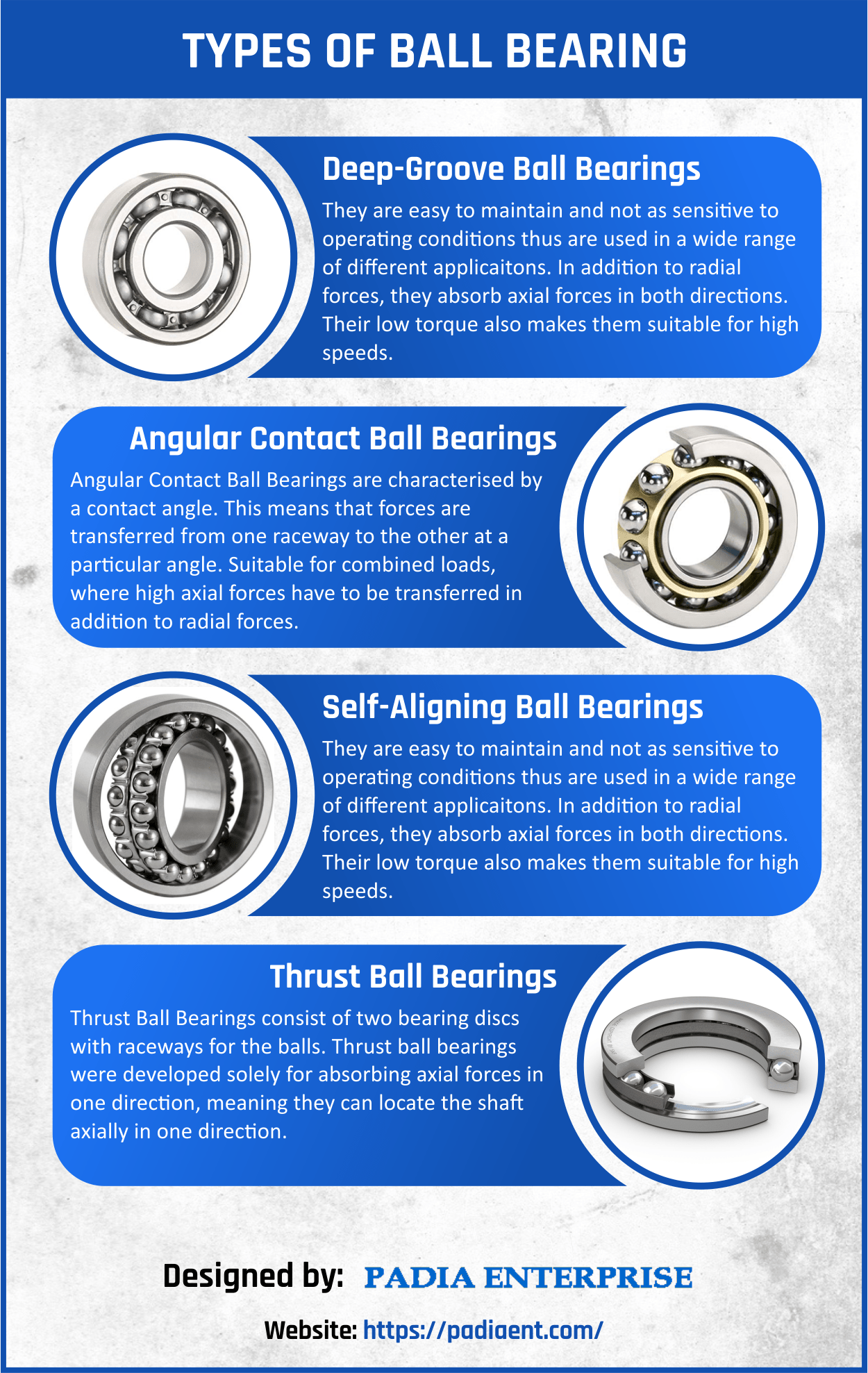
For any brand, delivering a product that performs consistently and lasts longer is paramount to customer satisfaction and loyalty. Ball bearings are fundamental to this promise. A brand that uses high-quality, precision-engineered ball bearings in its products is implicitly investing in longevity, reduced noise, and smooth operation. Conversely, using inferior bearings can lead to premature wear, increased friction, audible grinding, or even complete product failure – issues that quickly erode trust and damage a brand’s reputation. Think of a high-end power tool: its perceived quality is directly tied to its smooth operation and robust feel, largely thanks to the bearings in its motor and gearing. Or consider a premium bicycle, where the effortless rotation of its wheels and pedals speaks volumes about its engineering. Brands that prioritize internal component quality, even for unseen parts like bearings, project an image of reliability and a commitment to engineering excellence that resonates with consumers and professional users alike.
Innovation, Design, and User Experience
Ball bearings are not just about durability; they are also enablers of cutting-edge design and enhanced user experience. The ability of modern bearings to operate quietly and with minimal friction allows product designers greater freedom. For instance, in the automotive industry, advanced wheel bearings contribute to a quieter cabin experience and improved fuel efficiency, factors highly valued by luxury car brands. In the realm of smart home devices, the near-silent operation of a robot vacuum cleaner or a ventilation system enhances the living environment, contributing positively to the brand’s premium perception. Brands that push the boundaries of miniaturization or seek to create products with exceptionally smooth and tactile interfaces often rely on custom or high-precision bearings. This allows for sleeker profiles, more elegant mechanisms, and an overall superior feel that differentiates a brand in a crowded market. The seamless interaction a user has with a product, from the satisfying click of a well-engineered dial to the silent glide of a drawer, often owes its existence to the thoughtful selection and integration of quality ball bearings.
Sustainability and Corporate Responsibility
In an era where environmental consciousness significantly influences purchasing decisions, a brand’s commitment to sustainability is a powerful asset. Ball bearings play a subtle yet important role in this narrative. High-efficiency bearings reduce energy consumption by minimizing friction, directly contributing to lower operational costs and a smaller carbon footprint for the end product. For example, industrial machinery equipped with advanced low-friction bearings consumes less electricity, aligning with a company’s corporate responsibility goals. Furthermore, the extended lifespan conferred by durable bearings means products need to be replaced less frequently, reducing waste and the demand for new resource extraction. Brands that integrate these considerations into their product development, emphasizing longevity and energy efficiency through superior component selection, can effectively communicate their commitment to sustainability. This not only appeals to eco-conscious consumers but also demonstrates a forward-thinking approach to product lifecycle management, enhancing the brand’s reputation as a responsible global citizen.
The Economic Impact: Saving Money and Driving Progress
While ball bearings may appear to be a small component, their economic impact is anything but. They are critical drivers of efficiency, cost reduction, and productivity across vast swathes of the global economy. From preventing costly downtime in heavy industry to enabling more affordable consumer goods through optimized production, the financial implications of ball bearing technology are profound, touching business finance, investment, and even personal budgeting.
Reducing Costs Through Durability and Efficiency
For businesses operating in sectors ranging from manufacturing and logistics to agriculture and mining, uptime is directly correlated with profitability. A machine breakdown due to a failed bearing can lead to hours or days of lost production, incurring significant costs in terms of labor, lost output, and emergency repairs. Investing in high-quality, durable ball bearings, while potentially higher in initial cost, pays dividends by drastically reducing maintenance frequency and the likelihood of unexpected failures. This translates into substantial savings over the long term, enhancing operational efficiency and predictability. Beyond durability, the efficiency provided by low-friction bearings directly translates into energy savings. In any system with moving parts – motors, pumps, conveyors – reducing friction means less energy is wasted as heat, leading to lower electricity bills and improved operational margins. For consumers, this translates into appliances that last longer, cars that require less maintenance, and overall better value for money.
Ball Bearings as an Investment in Infrastructure and Industry
The sheer scale of ball bearing usage in global infrastructure underscores their critical economic importance. Every vehicle on the road, every train on the tracks, every plane in the sky, and every ship on the sea relies on bearings for smooth and safe operation. The robustness and reliability of these components are not just about individual product performance; they are foundational to the functioning of entire transportation networks, supply chains, and industrial complexes. Governments and corporations invest heavily in infrastructure projects – from high-speed rail to next-generation manufacturing plants – and the quality of the bearings within these systems is a direct determinant of their operational lifespan and economic viability. Disruptions in the supply of high-quality bearings, as seen during global supply chain challenges, can have cascading economic effects, highlighting their strategic significance. The continued innovation in bearing materials and design represents a vital area of investment, impacting the resilience and efficiency of global industries.
Opportunities in Innovation and Market Growth
The market for ball bearings is robust and constantly evolving, presenting significant opportunities for innovation and economic growth. As industries demand higher performance, greater efficiency, and specialized solutions – for instance, bearings for extreme temperatures, corrosive environments, or cleanroom applications – manufacturers are continually investing in research and development. This drives advancements in materials science (e.g., ceramic bearings), manufacturing processes (e.g., precision machining), and lubrication technologies. Companies that specialize in these cutting-edge bearing solutions can carve out lucrative niche markets and become attractive investment opportunities. Furthermore, the widespread adoption of new technologies like electric vehicles, robotics, and renewable energy systems creates new, rapidly expanding demands for specific types of ball bearings, fueling market growth and creating jobs in engineering, manufacturing, and distribution. Entrepreneurs and investors looking for stable industries with continuous innovation can find compelling opportunities within the ball bearing sector and its related ecosystems, recognizing the underlying monetary value these essential components represent.
Conclusion
From the intricate mechanics of an AI-powered drone to the foundational reliability of a brand-defining automobile, and the core efficiency driving industrial profitability, ball bearings are the silent, steadfast enablers of our modern world. They are not merely technical components but critical conduits connecting technological progress with brand integrity and economic prosperity. As we continue to push the boundaries of what’s possible, demanding more from our gadgets, expecting higher quality from our brands, and striving for greater financial efficiency, the role of these unsung heroes will only grow in importance. Understanding what ball bearings are used for is to grasp a fundamental truth: that even the smallest, most overlooked elements can hold immense power to shape our technological landscape, define our market leaders, and underpin our financial stability, making them truly invaluable.
aViewFromTheCave is a participant in the Amazon Services LLC Associates Program, an affiliate advertising program designed to provide a means for sites to earn advertising fees by advertising and linking to Amazon.com. Amazon, the Amazon logo, AmazonSupply, and the AmazonSupply logo are trademarks of Amazon.com, Inc. or its affiliates. As an Amazon Associate we earn affiliate commissions from qualifying purchases.