
Defining the “middle class” is a perennial challenge, as the term itself is fluid and influenced by a complex interplay of economic factors, societal perceptions, and geographic location. In North Carolina, as in many other states, the boundaries of this often-cited demographic are not etched in stone but rather shift based on income, cost of living, and individual aspirations. Understanding what constitutes middle class in NC offers valuable insights into economic well-being, financial planning, and the state’s overall prosperity.
Deconstructing the Middle Class: Income Thresholds and the NC Landscape
The most common metric used to define middle class is household income. However, simply stating a dollar amount can be misleading due to the vast differences in cost of living across North Carolina. From the mountainous west to the coastal plains, and the burgeoning urban centers, what might be comfortable in one area could be a struggle in another. Therefore, a nuanced approach is necessary, considering both absolute income figures and relative purchasing power within specific regions of the state.

National Benchmarks vs. North Carolina Realities
National organizations and think tanks often provide income ranges for the middle class, but these are broad strokes. For instance, the Pew Research Center has historically defined the middle class as households earning two-thirds to double the national median household income. While useful as a starting point, these figures don’t account for the localized economic conditions that significantly impact how far income stretches. In North Carolina, where the cost of housing, transportation, and daily necessities can vary considerably, a family earning the national “middle-class” income might find themselves in a different financial reality compared to their counterparts in states with higher or lower costs of living.
Regional Income Variations within North Carolina
North Carolina’s diverse geography directly translates to economic diversity. Major metropolitan areas like Charlotte, Raleigh, and Durham, known for their robust job markets in technology, finance, and healthcare, tend to have higher median incomes and, consequently, higher income thresholds for what is considered middle class. Conversely, rural areas or regions with less diversified economies might see lower median incomes, meaning the income bracket for middle-class status would be adjusted downwards. For example, a household earning $70,000 a year might be considered comfortably middle class in a smaller, rural county, while the same income in a booming tech hub might be considered lower-middle class or even struggling to keep pace with expenses.
The Impact of Household Size and Composition
Beyond sheer income, the number of individuals contributing to and supported by that income is crucial. A single individual earning $60,000 a year might experience a vastly different financial life than a family of four with the same household income. Therefore, most analyses of middle-class status incorporate household size. For a family, the income required to achieve a middle-class lifestyle will naturally be higher due to increased expenses for food, clothing, healthcare, and education. Defining middle class often involves looking at income per person or adjusting income ranges based on family size to provide a more accurate picture of financial well-being.
Beyond Income: The Pillars of Middle-Class Stability in North Carolina
While income is a primary determinant, true middle-class status in North Carolina encompasses more than just a paycheck. It reflects a level of economic security, access to opportunities, and the ability to meet fundamental needs while also having some discretionary income for savings, leisure, and future investments. These non-income factors are critical for understanding the qualitative aspects of middle-class life.
Homeownership and Housing Affordability
For many, homeownership is a cornerstone of middle-class aspiration and stability. In North Carolina, the affordability of housing is a significant factor. In areas with high demand and rapidly appreciating property values, the income required to purchase a home and sustain mortgage payments can push the definition of middle class upwards. Conversely, in areas with lower housing costs, a more modest income can facilitate homeownership, thereby supporting middle-class status. The ability to secure stable, affordable housing, whether owned or rented, is a key indicator of financial health and a defining characteristic of the middle class.
Access to Quality Education and Healthcare
The ability to provide children with a quality education and ensure access to reliable healthcare are paramount for middle-class families. This includes not only public school funding and local school district performance but also the potential for higher education. For adults, access to affordable healthcare, including insurance and medical services, significantly impacts financial stability. Unexpected medical bills can derail even the most well-managed budgets, making health security a vital component of middle-class definition in North Carolina. The presence of good schools and accessible healthcare options can influence where families choose to live and the income they perceive as necessary to maintain a middle-class lifestyle.
Financial Security and Savings Potential
A defining characteristic of the middle class is the capacity to weather financial storms and plan for the future. This involves having a degree of savings, whether for emergencies, retirement, or significant life events like a child’s college education or a down payment on a home. Without a cushion for unexpected expenses, even a seemingly comfortable income can feel precarious. The ability to consistently save and invest, even small amounts, indicates a level of financial stability that differentiates the middle class from those living paycheck to paycheck. This also includes the presence of retirement savings plans, such as 401(k)s or IRAs, which signal an investment in long-term financial security.

Navigating the Economic Landscape: Challenges and Aspirations of the NC Middle Class
The North Carolina middle class, like its counterparts elsewhere, faces a dynamic economic environment. Inflation, wage stagnation in certain sectors, and the rising costs of education and healthcare present ongoing challenges. Yet, aspirations for upward mobility, secure futures, and a comfortable quality of life remain central to the middle-class identity.
The Impact of Inflation and Cost of Living Increases
In recent years, North Carolina has experienced significant shifts in its cost of living, driven by factors such as housing market fluctuations, energy prices, and general inflation. For middle-class households, these increases can erode purchasing power, making it harder to maintain their standard of living. What was once considered a comfortable budget may now require significant adjustments. This necessitates a constant re-evaluation of income thresholds and the financial resources needed to remain within the middle-class bracket. The cost of groceries, utilities, and transportation can disproportionately affect families, especially those on the lower end of the middle-class income spectrum.
The Role of Job Growth and Wage Trends
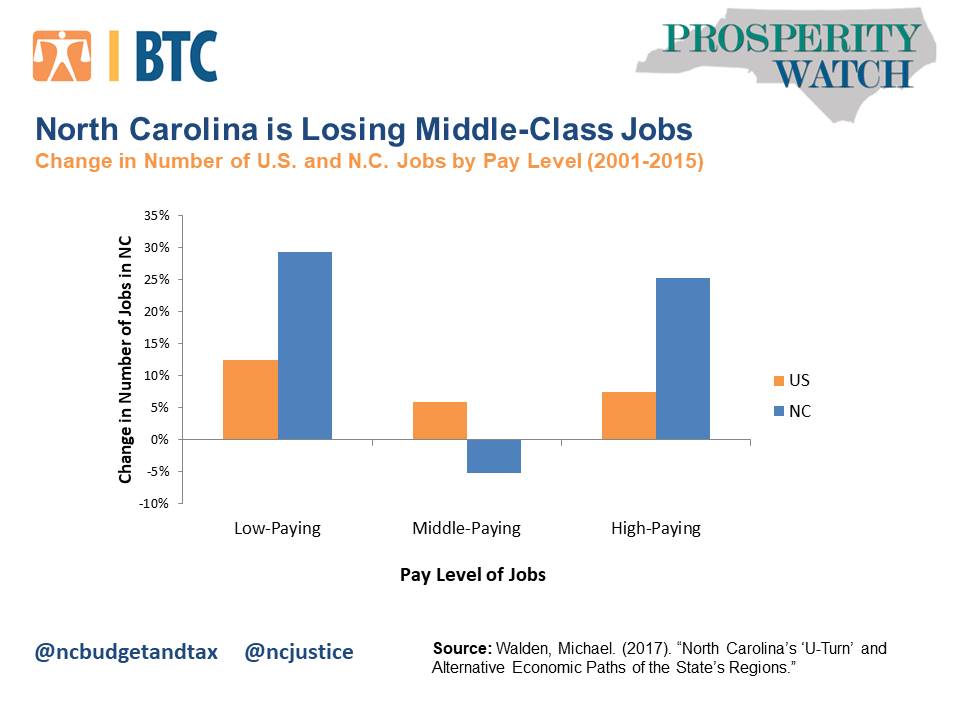
North Carolina’s economy has seen robust growth in certain sectors, particularly in technology, finance, and life sciences. This has led to increased demand for skilled labor and higher wages in these fields. However, wage growth has not been uniform across all industries. Service sector jobs, for instance, may not offer the same earning potential, leading to a bifurcated middle class where some enjoy considerable financial security while others struggle to keep pace. Understanding the prevailing wage trends across different sectors is vital to accurately defining middle-class income levels within the state. The availability of well-paying jobs that offer benefits and opportunities for advancement is a crucial determinant of middle-class status.
Aspirations for Upward Mobility and the Future
Beyond current financial standing, the middle-class mindset often includes aspirations for a better future for oneself and one’s children. This can manifest as a desire for career advancement, further education, or the accumulation of wealth. The perception of upward mobility – the belief that one’s circumstances can improve over time through hard work and opportunity – is a key psychological component of middle-class identity. In North Carolina, this aspiration is fueled by the state’s growing economic potential and its diverse educational institutions, which offer pathways to advancement.
Data-Driven Definitions: Income Brackets for the North Carolina Middle Class
While subjective perceptions play a role, objective data provides a more concrete framework for understanding middle-class income in North Carolina. Various studies and reports offer different figures, often based on different methodologies and data sets. It’s important to note that these are estimates and can fluctuate based on economic conditions and the specific year the data was collected.
Exploring Various Income Ranges and Their Significance
Recent analyses often place the middle-class income range for a North Carolina household of three people somewhere between $50,000 and $150,000 annually, with variations depending on the source and the inclusion of factors like the cost of living. For a single individual, this range might be closer to $30,000 to $90,000. These figures are not rigid but serve as a guide. For instance, an income at the lower end of this spectrum might signify a family that is financially stable but has limited discretionary spending, while an income at the higher end suggests a greater capacity for savings, investments, and discretionary purchases.
Regional Adjustments and Cost of Living Considerations
To provide a more accurate picture, it’s essential to apply regional adjustments. For example, a household income that would be considered firmly middle class in a less expensive rural county might be on the lower end of the middle-class spectrum in the Research Triangle or Charlotte metropolitan areas. Real estate prices, property taxes, and even the cost of everyday goods and services differ significantly. Therefore, a $75,000 income in Asheville might afford a similar lifestyle to an $85,000 income in a more affordable part of the state, underscoring the importance of local economic context.
The Evolving Nature of Middle-Class Definitions
It’s crucial to recognize that the definition of middle class is not static. Economic shifts, technological advancements, and changes in societal norms constantly reshape what it means to be middle class. As the cost of education and healthcare continues to rise, and as the job market evolves, the income required to achieve a secure and comfortable middle-class lifestyle in North Carolina will likely continue to adjust. Staying informed about economic trends and understanding these evolving definitions is vital for individuals and policymakers alike in assessing the financial well-being of the state’s population.
Conclusion: A Multifaceted View of Middle-Class Prosperity in NC
Ultimately, defining middle class in North Carolina requires a multifaceted approach that moves beyond a single income figure. It involves a careful consideration of income thresholds, adjusted for regional cost of living and household size, alongside crucial factors like housing affordability, access to quality education and healthcare, and overall financial security. The aspirations for upward mobility and the ability to navigate economic challenges are also integral to the middle-class experience. By understanding these various components, we gain a more comprehensive and accurate picture of what it means to be middle class in the dynamic and diverse economic landscape of North Carolina. This understanding is vital for informing economic policies, personal financial planning, and fostering a shared vision for prosperity across the state.
aViewFromTheCave is a participant in the Amazon Services LLC Associates Program, an affiliate advertising program designed to provide a means for sites to earn advertising fees by advertising and linking to Amazon.com. Amazon, the Amazon logo, AmazonSupply, and the AmazonSupply logo are trademarks of Amazon.com, Inc. or its affiliates. As an Amazon Associate we earn affiliate commissions from qualifying purchases.