
In the hyper-competitive landscape of the global beauty and personal care industry, few products have undergone a transformation as significant as cleansing oil. Once a niche product used primarily by professional makeup artists and stage performers, cleansing oil has evolved into a cornerstone of the multi-billion-dollar “Double Cleanse” movement. From a brand strategy perspective, the question of “what is cleansing oil used for” extends far beyond its chemical ability to dissolve sebum and waterproof pigments. For modern companies, cleansing oil is a strategic tool used to anchor brand loyalty, establish a ritualistic consumer habit, and differentiate a brand within a saturated market through sensory storytelling and ingredient innovation.
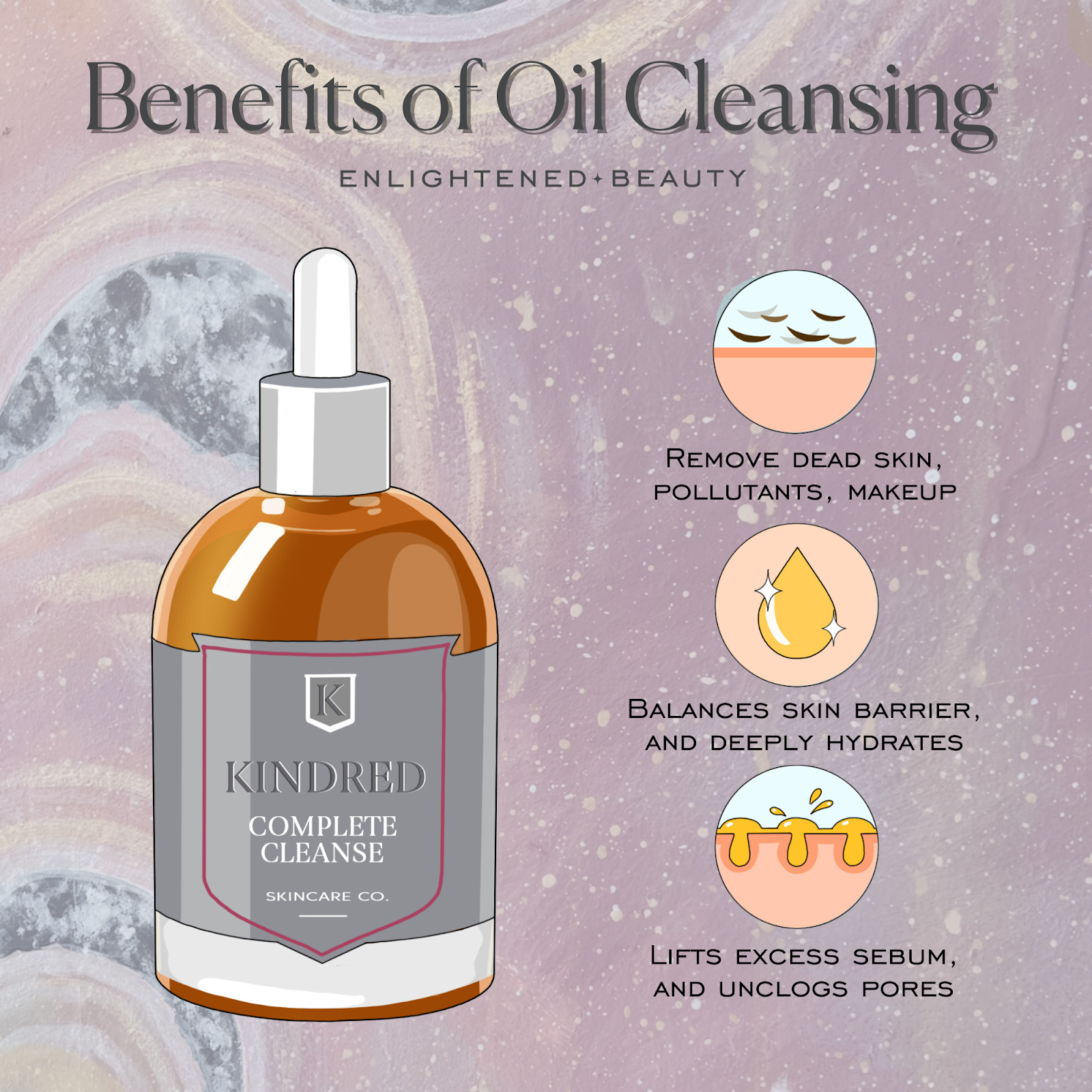
The Evolution of a Category: From Utility to Luxury Identity
To understand the branding power of cleansing oil, one must look at how it redefined a basic utility. For decades, the western market was dominated by soaps and foaming cleansers that focused on “squeaky clean” sensations. The introduction of cleansing oil required a massive shift in consumer perception—a rebranding of “oil” from a problem to a solution.
Shifting Consumer Perception Through Educational Branding
In the early 2010s, brands faced a significant hurdle: the ingrained belief that oil causes breakouts. To succeed, brand strategists had to pivot from product-focused marketing to education-focused marketing. They rebranded cleansing oil not just as a cleanser, but as a “magnet” for impurities. By leveraging the scientific principle of “like dissolves like,” brands moved away from traditional sales pitches and toward an educational authority model. This allowed brands to position themselves as experts in skin physiology, building a foundation of trust that is essential for long-term brand equity.
The Role of Ritual in Brand Loyalty
Cleansing oil is rarely marketed as a standalone product; it is the first step in a “ritual.” In brand strategy, creating a ritual is the ultimate goal for driving repeat purchases and increasing Customer Lifetime Value (LTV). When a brand successfully integrates a cleansing oil into a consumer’s nightly routine, they are not just selling a bottle of fluid; they are selling a moment of self-care. This psychological anchoring makes the product “sticky.” A consumer might switch their moisturizer frequently, but the foundational step of the oil cleanse often becomes an unshakeable habit, securing the brand’s place in the consumer’s daily life.
Competitive Positioning: How Brands Use Cleansing Oil to Differentiate
With the market now flooded with options, the strategic use of cleansing oil has shifted toward differentiation. Brands no longer just ask what the oil is used for; they ask how their specific oil defines their corporate identity. This is achieved through meticulous attention to ingredient narratives and sensory branding.
Ingredient Transparency as a Brand Pillar
In the current “Clean Beauty” era, the formulation of a cleansing oil serves as a manifesto for the brand’s values. A brand that uses cold-pressed marula oil or sustainably sourced squalane is signaling a commitment to luxury and environmental ethics. Conversely, a brand focusing on mineral-oil-free formulas is positioning itself against legacy pharmaceutical brands. By selecting specific botanical oils, brands create a “hero ingredient” narrative that justifies premium pricing and aligns the product with the consumer’s personal values, such as veganism or organic living.
Packaging and Sensory Experience as Brand Touchpoints
The physical experience of using cleansing oil—the “slip” of the oil on the skin and the visual transformation into a milky emulsion upon contact with water—is a powerful branding tool. This “Oil-to-Milk” transition is often the centerpiece of digital marketing campaigns. Strategically, this sensory feedback provides immediate gratification, reinforcing the brand’s promise of efficacy. Furthermore, the packaging—often sleek pumps or frosted glass—serves to elevate the brand’s aesthetic in the consumer’s bathroom, turning a functional item into a “shelfie-worthy” piece of brand collateral.
Case Studies in Cleansing Oil Branding: Pioneers and Disruptors

The success of the cleansing oil category can be traced through specific brands that used the product to define their market presence. These case studies illustrate how a single product type can be leveraged to build an entire brand empire.
Shu Uemura and the Pioneer Narrative
Shu Uemura is perhaps the most iconic example of using cleansing oil as a brand anchor. The Japanese brand launched its first oil cleanser in 1967, long before the global trend took hold. Their strategy was to position the oil as a bridge between professional artistry and home skincare. By maintaining a high price point and emphasizing “The Art of Beauty,” Shu Uemura used the cleansing oil to establish itself as a heritage luxury brand. Even as competitors entered the space, Shu Uemura maintained its market share by leaning into its history as the “original” innovator.
K-Beauty and the Democratization of the Oil Cleanse
The explosion of Korean Beauty (K-Beauty) in the mid-2010s redefined the cleansing oil as an accessible necessity rather than a luxury. Brands like Anua, Banila Co, and Manyo Factory used the “10-Step Skincare Routine” as a marketing framework. Here, cleansing oil was used as the “hook” to enter the Western market. By offering high-performance formulas at a lower price point and using vibrant, youthful branding, these companies successfully disrupted the market, proving that cleansing oil could be a high-volume, mass-market driver.
Marketing the Invisible: Communicating the Value of the “Double Cleanse”
One of the greatest challenges in branding a cleansing oil is that its primary benefit—dissolving invisible sunscreen and microscopic pollutants—is hard to see. Strategic marketing must therefore make the “invisible” visible.
Visual Storytelling in Digital Marketing
Social media platforms like TikTok and Instagram have revolutionized how cleansing oils are marketed. Brands now focus on “The Melt”—videos showing waterproof mascara and heavy foundation dissolving instantly under the oil. This visual proof of performance is a key part of the brand’s conversion funnel. By focusing on the “satisfying” nature of the product, brands can bypass traditional long-form copy and use visual storytelling to communicate value and efficacy in seconds.
Influencer Partnerships and Educational Content
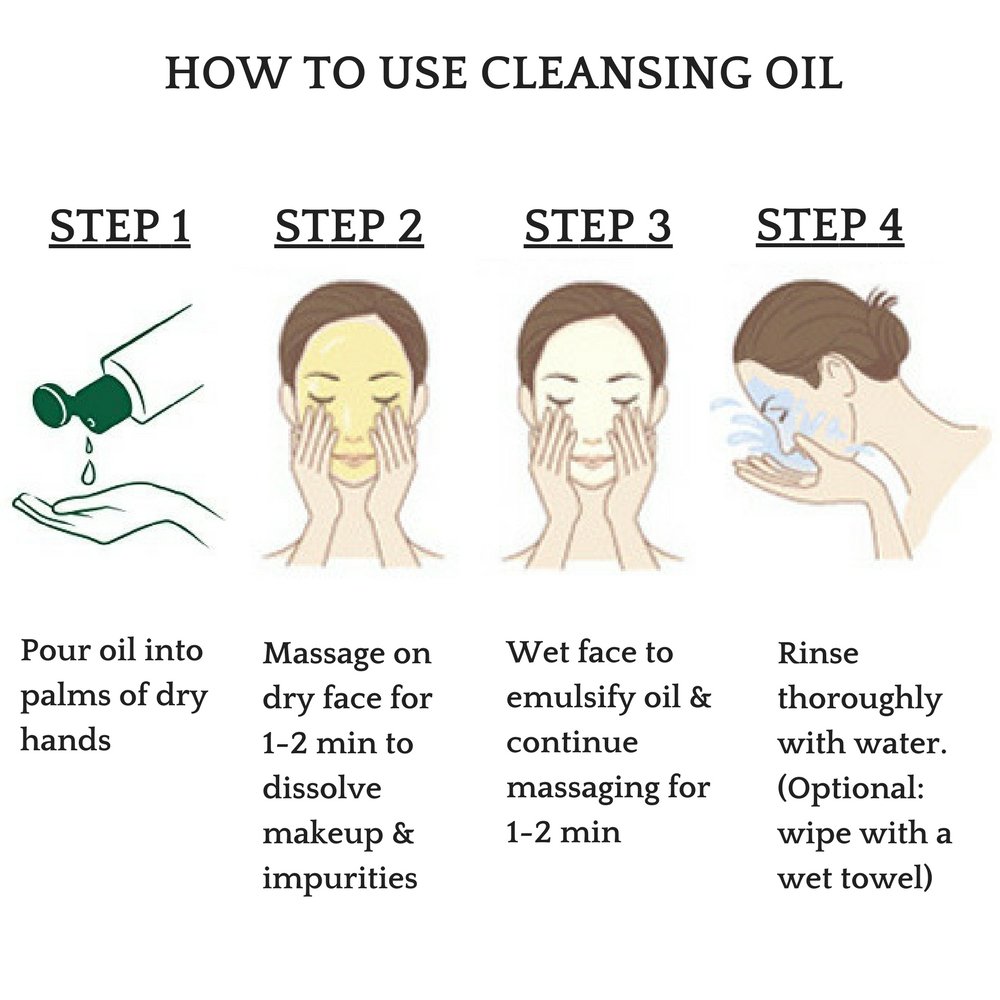
Because cleansing oil requires a specific application technique (applying to dry skin, then emulsifying), brands heavily utilize influencer partnerships to provide “how-to” content. From a brand strategy perspective, this serves two purposes: it reduces product misuse (which leads to negative reviews) and it leverages the influencer’s credibility. When a trusted skinfluencer explains what cleansing oil is used for, the brand gains an “endorsement of expertise,” which is far more valuable than traditional advertising in the modern skincare market.
The Future of the Niche: Sustainable Branding and Consumer Trust
As the market matures, the strategic focus for cleansing oil is shifting toward sustainability and the “Skinimalism” trend. Brands must now navigate a landscape where consumers are wary of over-consumption.
Eco-conscious Formulations and Refillable Systems
The next frontier for cleansing oil brands is the “Circular Economy.” Forward-thinking brands are moving away from single-use plastic pumps and toward refillable glass bottles or solid oil-to-balm formulas that require less water in production and less weight in shipping. Branding these initiatives as “Eco-Luxury” allows companies to maintain their premium positioning while appealing to the environmentally conscious Gen Z and Millennial demographics.
The Subscription Model and Lifetime Value (LTV)
Finally, cleansing oil is the perfect candidate for the subscription-based business model. Because it is a “depletable” product that is used daily, it provides a predictable revenue stream. Brands are increasingly using “Subscribe and Save” strategies to lock in consumers. By positioning the cleansing oil as a non-negotiable daily essential, brands can stabilize their cash flow and build a data-driven relationship with their customers, allowing for more personalized marketing and cross-selling of other products in their lineup.
In conclusion, when we ask “what is cleansing oil used for” within the context of brand strategy, the answer is clear: it is a versatile vehicle for storytelling, a tool for establishing consumer habits, and a high-margin product that can define a brand’s position in the global market. Whether through heritage luxury or K-beauty innovation, the cleansing oil remains one of the most effective products for building a brand that is both scientifically credible and emotionally resonant.
aViewFromTheCave is a participant in the Amazon Services LLC Associates Program, an affiliate advertising program designed to provide a means for sites to earn advertising fees by advertising and linking to Amazon.com. Amazon, the Amazon logo, AmazonSupply, and the AmazonSupply logo are trademarks of Amazon.com, Inc. or its affiliates. As an Amazon Associate we earn affiliate commissions from qualifying purchases.