
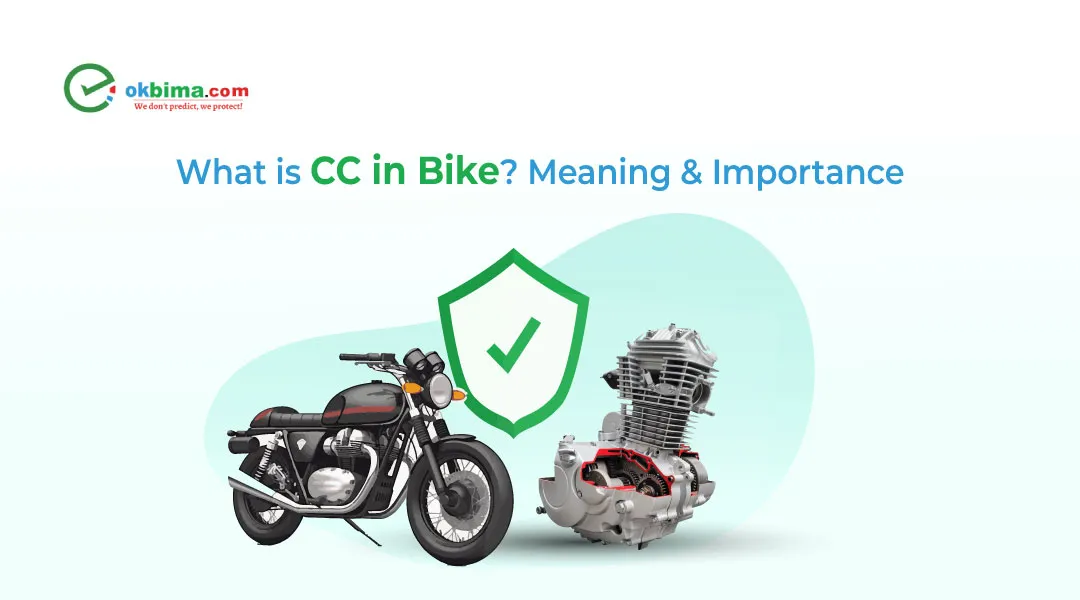
In the world of automotive engineering, “CC” is perhaps the most ubiquitous term used to categorize, compare, and evaluate motorcycles. For the uninitiated, it may seem like a simple marketing label, but from a technical perspective, it represents the heart of the machine’s internal combustion architecture. CC stands for cubic centimeters, a unit of volume that measures the engine’s displacement. This measurement is the fundamental blueprint of a motorbike’s potential, dictating how much air and fuel can be processed during a single combustion cycle. Understanding CC is essential for anyone interested in the mechanical technology that drives two-wheeled transport, as it influences everything from thermal efficiency to the power-to-weight ratio.
The Mechanics of Displacement: Defining Cubic Centimeters
At its core, engine displacement is a geometric calculation. To understand what CC truly represents, one must look inside the engine block at the cylinders, where the reciprocating motion of the pistons converts chemical energy into mechanical force.
The Geometry of the Cylinder
The “CC” of a motorcycle engine is the total volume of all the cylinders in the engine. This volume is calculated based on two primary dimensions: the bore (the diameter of the cylinder) and the stroke (the distance the piston travels from the top to the bottom of the cylinder). The formula follows basic three-dimensional geometry: the area of the cylinder’s cross-section multiplied by the stroke length. If a motorcycle has multiple cylinders, the displacement of one cylinder is multiplied by the total number of cylinders to reach the final CC rating.
This volume represents the “swept volume”—the space vacated by the piston as it moves from the Top Dead Center (TDC) to the Bottom Dead Center (BDC). It is during this movement that the engine “breathes,” drawing in the air-fuel mixture that will eventually be ignited.
How CC Relates to Power and Torque
In technical terms, a larger displacement generally equates to a higher potential for energy output. Because a larger cylinder can hold more air and fuel, the resulting explosion upon ignition is more powerful, exerting greater force on the piston. This force is translated into torque—the rotational energy that moves the bike from a standstill.
However, CC is not the sole determinant of horsepower. Horsepower is a function of both torque and RPM (revolutions per minute). This is why a high-tech 600cc racing engine can often produce more horsepower than a low-tech 1200cc cruiser engine. The 600cc engine is engineered to spin at much higher speeds, processing its smaller volume of air and fuel more frequently per second, whereas the larger engine relies on raw, low-end grunt.
Engine Architectures and Their Impact on CC Performance
Not all cubic centimeters are created equal. The way an engineer chooses to distribute that volume across the engine’s architecture significantly alters the bike’s delivery of power, vibration profile, and thermal management.
Single-Cylinder vs. Multi-Cylinder Efficiency
The distribution of CCs across different cylinder counts is a major technical choice. A 500cc single-cylinder engine (often called a “thumper”) has one large piston. This design is mechanically simple and lightweight, offering high torque at low speeds, which is ideal for off-road or dual-sport technology. However, a single large piston creates significant reciprocating mass, leading to vibrations and a lower RPM ceiling.
In contrast, a 500cc four-cylinder engine divides that same volume into four smaller cylinders. Each piston is much lighter, allowing the engine to reach much higher RPMs with smoother operation. This multi-cylinder technology is preferred for sportbikes where high-speed performance and mechanical refinement are the primary engineering goals.
Stroke and Bore: The Internal Ratios
Engineers also manipulate the “overbore” or “long-stroke” nature of the displacement. An “oversquare” engine has a bore that is wider than the stroke is long. This technical configuration allows for larger valves (better airflow) and higher RPMs, common in high-performance street and racing tech. Conversely, an “undersquare” or long-stroke engine has a longer stroke than bore diameter. This design emphasizes torque and fuel efficiency, often found in touring bikes designed for long-distance cruising rather than top-end speed.
The Evolution of CC: From Mechanical Carbs to Digital Precision
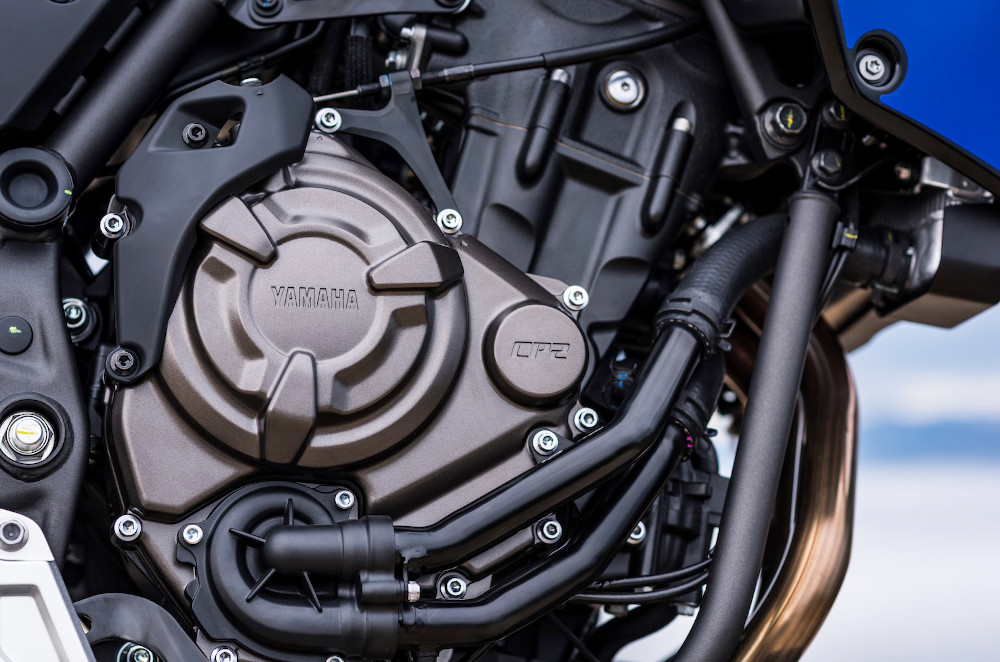
The significance of CC has shifted as motorcycle technology has evolved. In the past, the only way to get more power was to increase displacement—the “no replacement for displacement” era. Today, digital intervention and advanced metallurgy have redefined what a specific CC rating can achieve.
Electronic Fuel Injection (EFI) and Displacement Optimization
Modern motorcycles rely on sophisticated Engine Control Units (ECUs) and Electronic Fuel Injection systems to maximize the utility of every cubic centimeter. In older, carbureted engines, the fuel-to-air ratio was a mechanical approximation, often leading to wasted displacement and unburnt fuel.
Modern EFI systems use sensors to monitor oxygen levels, throttle position, and engine temperature in real-time. This allows the technology to inject the precise amount of fuel required for the specific volume of air entering the cylinder. The result is that a modern 400cc engine can often outperform an older 600cc engine while being more fuel-efficient and producing fewer emissions.
Forced Induction: Why CC Isn’t Always the Final Word
The emergence of supercharged and turbocharged motorcycle technology has further complicated the “CC” metric. By using a compressor to force more air into the cylinders than atmospheric pressure would normally allow, engineers can make a small-displacement engine behave like a much larger one.
For example, the Kawasaki Ninja H2 uses a supercharger on a 998cc engine. While its displacement is technically the same as any other “liter bike,” the forced induction technology allows it to process a much higher volume of air-fuel mixture per cycle, resulting in power figures that would normally require a 2000cc naturally aspirated engine. This represents a shift in tech where volumetric efficiency becomes more important than raw volume.
Choosing the Right Tech: Matching Displacement to Rider Profiles
For those looking at motorcycle specifications, the CC rating serves as a primary indicator of the machine’s technical purpose and the level of skill required to manage its output.
Entry-Level Tech (125cc–400cc)
Engines in the 125cc to 400cc range are typically engineered for efficiency, lightweight handling, and approachability. Technically, these engines often utilize single-cylinder or parallel-twin configurations. They are designed with “forgiving” power curves, meaning the torque is delivered predictably. This displacement range is the testing ground for new technologies in fuel economy and urban mobility, where the focus is on maximizing the utility of a small mechanical footprint.
Performance and Heavyweight Engineering (600cc+)
Once an engine exceeds 600cc, the engineering focus shifts toward high-performance metrics or specialized utility. The 600cc to 1000cc “middleweight” and “superbike” classes are the pinnacle of mechanical tech, featuring exotic materials like titanium valves and magnesium covers to handle the stresses of high-displacement, high-RPM operation.
In the heavyweight category (1200cc and above), the tech is focused on thermal stability and massive torque. These engines are designed to move heavy frames, passengers, and luggage with ease. The displacement here isn’t about speed, but about “effortless” power, allowing the engine to sit at low RPMs while maintaining highway speeds, which reduces mechanical wear and tear over long distances.
The Future of Displacement: Electric Motors and the End of the CC Era
As the automotive industry pivots toward sustainability, the very concept of “CC” is being challenged by the rise of Electric Vehicles (EVs). In an electric motorcycle, there are no cylinders, no pistons, and therefore, no cubic centimeters.
Kilowatts vs. Cubic Centimeters
In the world of electric motorbike tech, the standard metric of power is shifting from CC to Kilowatts (kW) and Newton-meters (Nm) of torque. While CC measures the physical size of a combustion chamber, kW measures the rate of energy transfer from the battery to the motor. This creates a more direct correlation to performance, as electric motors provide 100% of their torque instantly, a feat that even the most advanced 1000cc internal combustion engines cannot match.

Digital Torque Management
The transition away from CCs also allows for unprecedented digital control. In a traditional bike, the “feel” of the displacement is baked into the mechanical hardware. In an electric bike, software can simulate different displacement characteristics. A single electric motor can be programmed to feel like a high-revving 250cc engine for a beginner or a torquey 1200cc V-twin for an experienced rider.
As we move forward, the “CC” will remain a vital historical and technical benchmark for internal combustion enthusiasts. However, the technology driving the industry is increasingly moving toward a digital frontier where displacement is replaced by electrical efficiency and software-defined performance. Understanding CC provides the necessary foundation to appreciate how far motorcycle engineering has come and where it is headed in the digital age.
aViewFromTheCave is a participant in the Amazon Services LLC Associates Program, an affiliate advertising program designed to provide a means for sites to earn advertising fees by advertising and linking to Amazon.com. Amazon, the Amazon logo, AmazonSupply, and the AmazonSupply logo are trademarks of Amazon.com, Inc. or its affiliates. As an Amazon Associate we earn affiliate commissions from qualifying purchases.