
Assurance, in the context of business, refers to the independent, objective expression of an opinion or conclusion, based on sufficient appropriate evidence, about whether information is presented fairly, in all material respects, in accordance with a specified framework. It’s a fundamental concept that underpins trust and confidence in financial reporting, operational processes, and even strategic decisions. While often associated with financial audits, assurance extends far beyond the realm of accounting, encompassing a broad spectrum of activities designed to enhance the reliability and credibility of an organization’s operations and disclosures.
At its core, assurance is about mitigating risk and providing stakeholders with the confidence they need to make informed decisions. Whether it’s investors evaluating a company’s financial health, regulators assessing compliance, or management seeking to improve internal controls, assurance services offer a crucial layer of validation. This validation is not merely a rubber stamp; it’s a rigorous, systematic process that involves critical examination, analysis, and professional judgment.
The concept of assurance is deeply intertwined with the principles of good corporate governance and accountability. In an increasingly complex and interconnected global economy, where information asymmetry is prevalent, assurance acts as a vital bridge, connecting the information provided by an organization with the needs and expectations of its various stakeholders. This allows for more efficient capital allocation, reduced transaction costs, and ultimately, a more stable and trustworthy business environment.
The Pillars of Assurance: Understanding its Core Components
Assurance engagements are built upon a foundation of specific principles and methodologies. Understanding these core components is essential to grasping the true value and nature of assurance in business. These pillars ensure that the assurance provided is credible, reliable, and serves its intended purpose of fostering trust and confidence.
Independence and Objectivity: The Bedrock of Credibility
The cornerstone of any assurance engagement is the independence and objectivity of the assurance provider. Independence means that the assurance provider is free from any relationships or influences that could compromise their ability to form an unbiased opinion. This includes financial interests, business relationships, and personal connections with the entity being assured. Objectivity, on the other hand, requires the assurance provider to be impartial and free from prejudice in their professional judgment. They must approach the engagement with a questioning mind, willing to challenge assumptions and seek corroborating evidence.
The importance of independence and objectivity cannot be overstated. Without them, the assurance opinion would be suspect, and stakeholders would have little reason to rely on the findings. Regulatory bodies and professional accounting organizations have stringent ethical codes and independence requirements to safeguard this critical aspect of assurance. This ensures that the assurance provider acts as a trusted third party, providing an unbiased assessment that benefits all parties involved.
Competence and Due Professional Care: The Application of Expertise
Assurance providers must possess the necessary knowledge, skills, and experience to perform their engagements effectively. This involves a deep understanding of the relevant standards, regulations, and industry practices. Competence is not a static attribute; it requires ongoing professional development to keep abreast of evolving business environments, technological advancements, and changes in the regulatory landscape.
Due professional care goes hand in hand with competence. It mandates that the assurance provider exercise the same level of skill, diligence, and prudence that a reasonably prudent professional would exercise in similar circumstances. This means meticulously planning and executing the engagement, thoroughly documenting procedures and findings, and applying sound professional judgment throughout the process. Failure to exercise due professional care can lead to errors, omissions, and ultimately, a flawed assurance opinion, undermining the very purpose of the engagement.
Sufficiency and Appropriateness of Evidence: The Foundation of the Opinion
The assurance opinion is not based on mere assumptions or hearsay. It is derived from the collection and evaluation of sufficient and appropriate evidence. Sufficiency refers to the quantity of evidence gathered, ensuring that it is enough to support the conclusions drawn. Appropriateness, on the other hand, relates to the quality of the evidence, meaning it must be relevant and reliable.
The nature of evidence varies depending on the assurance engagement. For financial statement audits, this might include examining supporting documents, confirming balances with third parties, and performing analytical procedures. For other assurance services, evidence might involve interviewing personnel, observing processes, reviewing system logs, or analyzing performance data. The assurance provider must meticulously document the evidence obtained and the procedures performed to support their conclusion. This ensures transparency and allows for review and challenge of the findings.
Types of Assurance Services: Tailoring Confidence to Specific Needs
The broad applicability of assurance principles has led to the development of various types of assurance services, each designed to address specific needs and provide confidence in different areas of business operations. These services range from traditional financial attest functions to more specialized areas like IT assurance and operational performance reviews.
Financial Statement Audits: The Traditional Cornerstone
The most widely recognized form of assurance is the financial statement audit. This is an independent examination of an organization’s financial statements, conducted in accordance with generally accepted auditing standards. The objective is to express an opinion on whether the financial statements are presented fairly, in all material respects, in accordance with a specified financial reporting framework (e.g., GAAP or IFRS).
These audits provide a critical layer of assurance to investors, creditors, and other stakeholders, assuring them that the financial information they rely on is reliable and free from material misstatement. The process involves a detailed review of accounting records, internal controls, and supporting documentation, as well as substantive testing of account balances and transactions. The outcome is an auditor’s report, which is an integral part of a company’s public financial disclosures.
Internal Control Over Financial Reporting (ICFR) Assurance: Enhancing Financial Integrity
In many jurisdictions, particularly following legislative reforms like the Sarbanes-Oxley Act in the United States, companies are required to assess and report on the effectiveness of their internal controls over financial reporting. Assurance providers, often the same auditors conducting the financial statement audit, are engaged to provide an independent opinion on the fairness of management’s assessment of these controls.
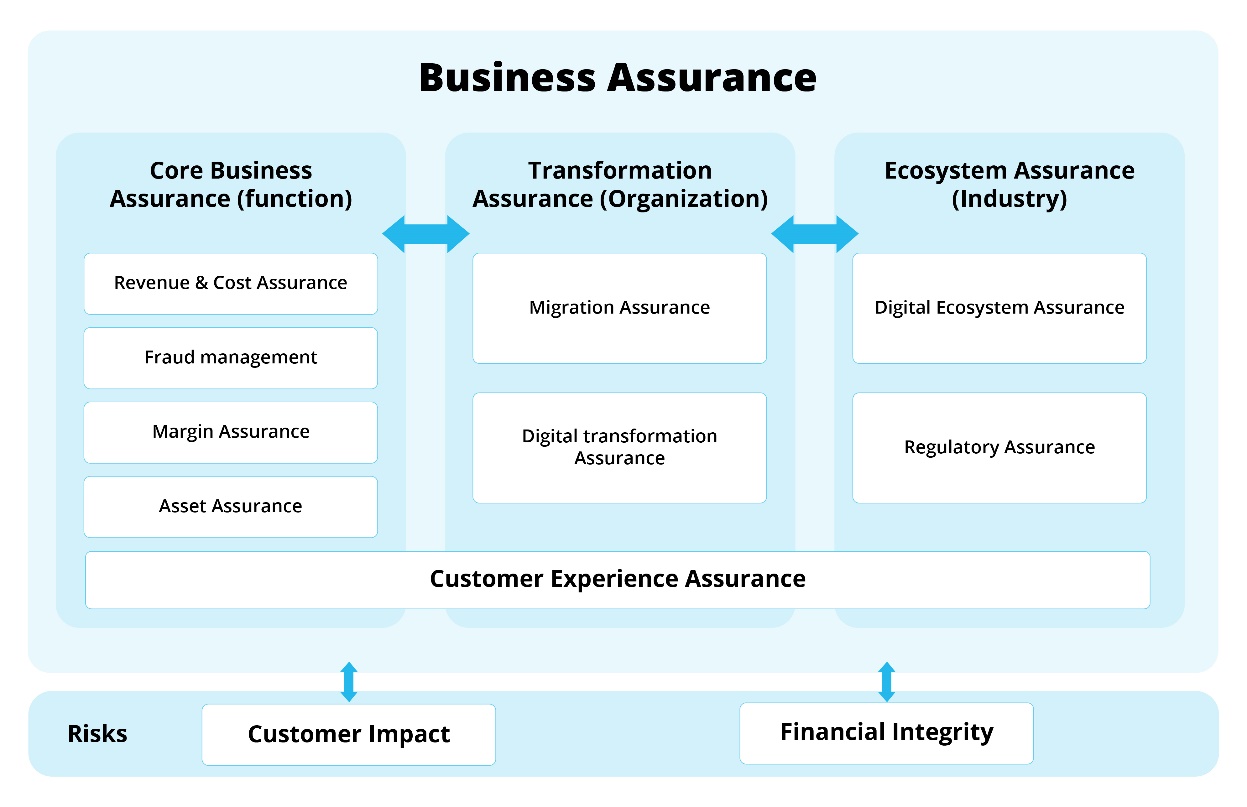
This assurance focuses on whether the company has established and maintains effective internal controls that provide reasonable assurance that financial reporting is reliable and that fraud or error is prevented or detected in a timely manner. This not only satisfies regulatory requirements but also helps companies identify and remediate control deficiencies, thereby strengthening their overall financial integrity and reducing the risk of financial misstatements.
Information Technology (IT) Assurance: Navigating the Digital Landscape
In today’s technology-driven world, IT systems are critical to business operations. IT assurance services focus on providing confidence in the reliability, security, and integrity of an organization’s IT infrastructure and data. This can include a range of services such as:
Cybersecurity Assurance
This involves assessing an organization’s defenses against cyber threats, evaluating the effectiveness of security policies and procedures, and identifying vulnerabilities in their IT systems. Assurance providers help organizations understand their exposure to cyber risks and implement strategies to mitigate them, thereby protecting sensitive data and ensuring business continuity.
System and Organization Controls (SOC) Engagements
SOC reports provide assurance on controls at a service organization relevant to the security, availability, processing integrity, confidentiality, or privacy of data processed by the service organization. These reports are crucial for businesses that rely on third-party service providers for critical functions, ensuring that those providers have adequate controls in place to protect the client’s data and operations.
IT Governance and Risk Management Assurance
This area focuses on ensuring that an organization’s IT strategy aligns with its overall business objectives and that IT risks are effectively managed. Assurance providers assess the IT governance framework, review IT policies and procedures, and evaluate the effectiveness of IT risk management processes, helping organizations leverage technology effectively and securely.
The Impact and Benefits of Assurance in Business
The value of assurance extends far beyond simply meeting compliance obligations. It plays a pivotal role in fostering a healthy and sustainable business environment by enhancing credibility, improving operational efficiency, and supporting strategic decision-making. The confidence that assurance provides ripples through an organization and its relationships with external parties.
Enhancing Stakeholder Confidence and Trust
For external stakeholders such as investors, creditors, customers, and regulators, assurance services provide a crucial layer of validation. A credible assurance opinion on financial statements, for instance, can instill confidence in potential investors, making it easier for a company to raise capital. Similarly, assurance on operational processes can assure customers about the quality and reliability of products or services. This enhanced trust translates into stronger relationships, reduced information asymmetry, and ultimately, a more stable and predictable business environment.
Improving Internal Processes and Risk Management
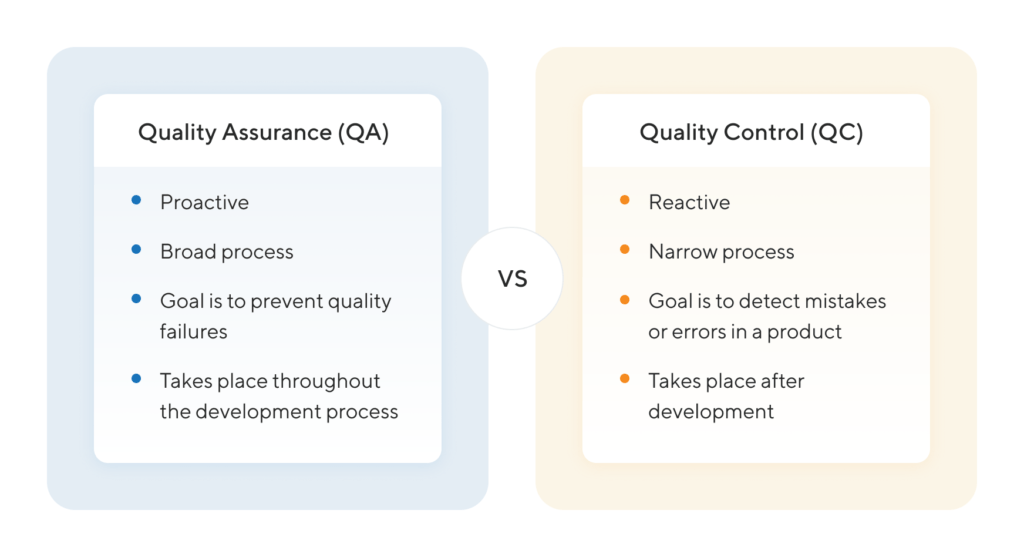
While often perceived as an external function, assurance also has significant internal benefits. Internal audits and other assurance engagements focused on operational processes can identify inefficiencies, weaknesses in internal controls, and potential areas of risk. By highlighting these issues proactively, assurance providers enable management to implement corrective actions, streamline operations, reduce waste, and strengthen the organization’s overall resilience. This internal focus on improvement is critical for long-term success and sustainability.
Supporting Strategic Decision-Making and Growth
Assurance is not solely about looking backward at past performance; it also plays a vital role in shaping the future. By providing reliable insights into an organization’s performance, risks, and compliance, assurance services equip management with the information needed to make sound strategic decisions. For example, assurance on market intelligence or competitive positioning can inform strategic planning, while assurance on the effectiveness of new initiatives can guide their implementation and refinement. In essence, assurance provides a data-driven foundation for confident and informed strategic choices, supporting sustainable growth and innovation.
aViewFromTheCave is a participant in the Amazon Services LLC Associates Program, an affiliate advertising program designed to provide a means for sites to earn advertising fees by advertising and linking to Amazon.com. Amazon, the Amazon logo, AmazonSupply, and the AmazonSupply logo are trademarks of Amazon.com, Inc. or its affiliates. As an Amazon Associate we earn affiliate commissions from qualifying purchases.