
Understanding your fasting insulin level is a crucial aspect of metabolic health, and by extension, a significant factor in your personal financial well-being. While often discussed in purely medical terms, the implications of insulin regulation extend into the economic sphere, influencing healthcare expenditure, potential for chronic disease management, and overall financial stability. This article will delve into what constitutes a good fasting insulin level, its significance, and how it relates to your financial health.
The Biological Significance of Insulin and its Economic Impact
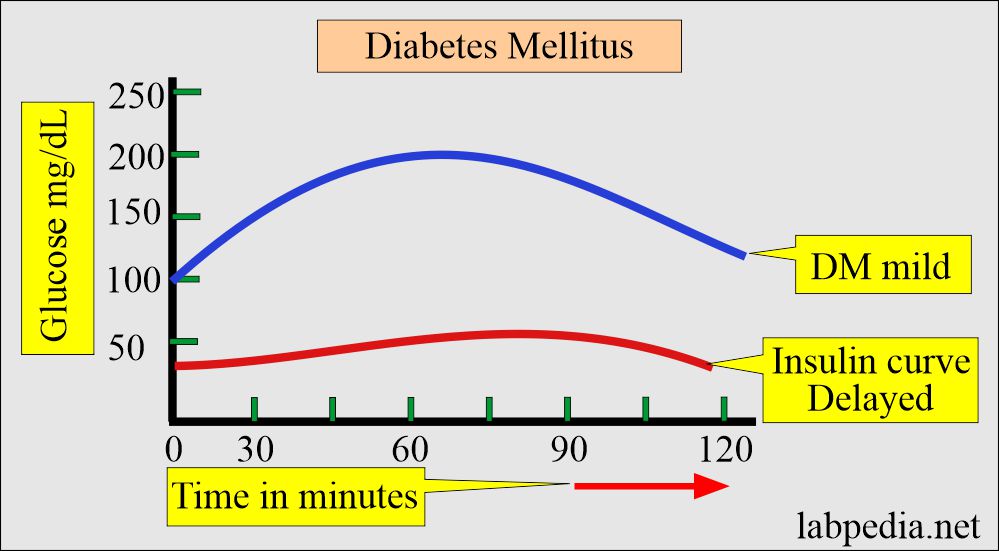
Insulin is a hormone produced by the pancreas, vital for regulating blood sugar levels. After a period of fasting, typically 8-12 hours overnight, your body should have processed the glucose from your last meal, and your insulin levels should be relatively low and stable. Elevated fasting insulin levels, however, can be an early indicator of insulin resistance, a condition where your cells don’t respond effectively to insulin. This can lead to a cascade of health issues, including prediabetes, type 2 diabetes, obesity, and cardiovascular disease, all of which carry substantial financial burdens.
Understanding Insulin Resistance
Insulin resistance is the cornerstone of many metabolic dysfunctions. When your cells become resistant to insulin, your pancreas compensates by producing even more insulin to try and force glucose into the cells. This elevated insulin production can persist for years before blood sugar levels rise significantly, making fasting insulin tests a valuable early warning system. The financial implications of untreated insulin resistance are profound. Chronic conditions associated with it require ongoing medical care, medications, lifestyle modifications, and can lead to lost productivity and earning potential. Proactive management of insulin levels can, therefore, be seen as a form of financial self-preservation.
The Link Between Metabolic Health and Financial Health
The connection between metabolic health and financial health is often overlooked. Consider the direct costs: doctor’s visits, diagnostic tests, prescription drugs, and potential hospitalizations. These costs can quickly deplete savings and strain budgets. Beyond direct medical expenses, consider indirect costs: reduced energy levels impacting job performance, increased risk of disability, and the psychological toll of managing a chronic illness, which can affect one’s ability to plan and execute financial goals. Maintaining healthy metabolic markers, including optimal fasting insulin levels, is an investment in your long-term financial security.
What Constitutes a “Good” Fasting Insulin Level?
Defining a “good” fasting insulin level is not as straightforward as a single numerical value for everyone. Reference ranges can vary slightly between laboratories, and individual health profiles play a significant role. However, general guidelines exist that can help individuals understand their results in the context of metabolic health.
Typical Reference Ranges and Interpretations
Most laboratories consider a fasting insulin level between 2 to 6 microunits per milliliter (µU/mL) or 12 to 35 picomoles per liter (pmol/L) to be within the normal or desirable range.
- Below 2 µU/mL (or <12 pmol/L): While appearing ideal, extremely low fasting insulin levels are less common and can sometimes be associated with conditions like insulinoma (a rare tumor that produces excess insulin) or certain types of malnutrition. These are typically flagged by a healthcare professional for further investigation.
- 2 to 6 µU/mL (or 12 to 35 pmol/L): This is generally considered the optimal range for fasting insulin. It indicates that your pancreas is producing insulin effectively to manage blood glucose without needing to overcompensate. This range is strongly associated with good insulin sensitivity and a lower risk of developing metabolic disorders.
- 6 to 10 µU/mL (or 35 to 70 pmol/L): Levels in this range might be considered borderline or indicate the early stages of insulin resistance. While not immediately alarming, it suggests that a closer look at diet, exercise, and lifestyle habits is warranted. This is a crucial window for intervention to prevent the progression to more serious conditions.
- Above 10 µU/mL (or >70 pmol/L): Fasting insulin levels consistently above 10 µU/mL are highly suggestive of insulin resistance. This means your body is struggling to utilize glucose effectively, and your pancreas is working overtime to compensate. This significantly increases the risk of developing prediabetes, type 2 diabetes, and other metabolic complications, all of which carry substantial financial implications.
It’s important to note that these ranges are general. A healthcare professional will interpret your fasting insulin level in conjunction with other markers like fasting glucose, A1C, and lipid profiles, as well as your personal medical history and risk factors.
The Importance of Context: Fasting Glucose and Insulin Resistance
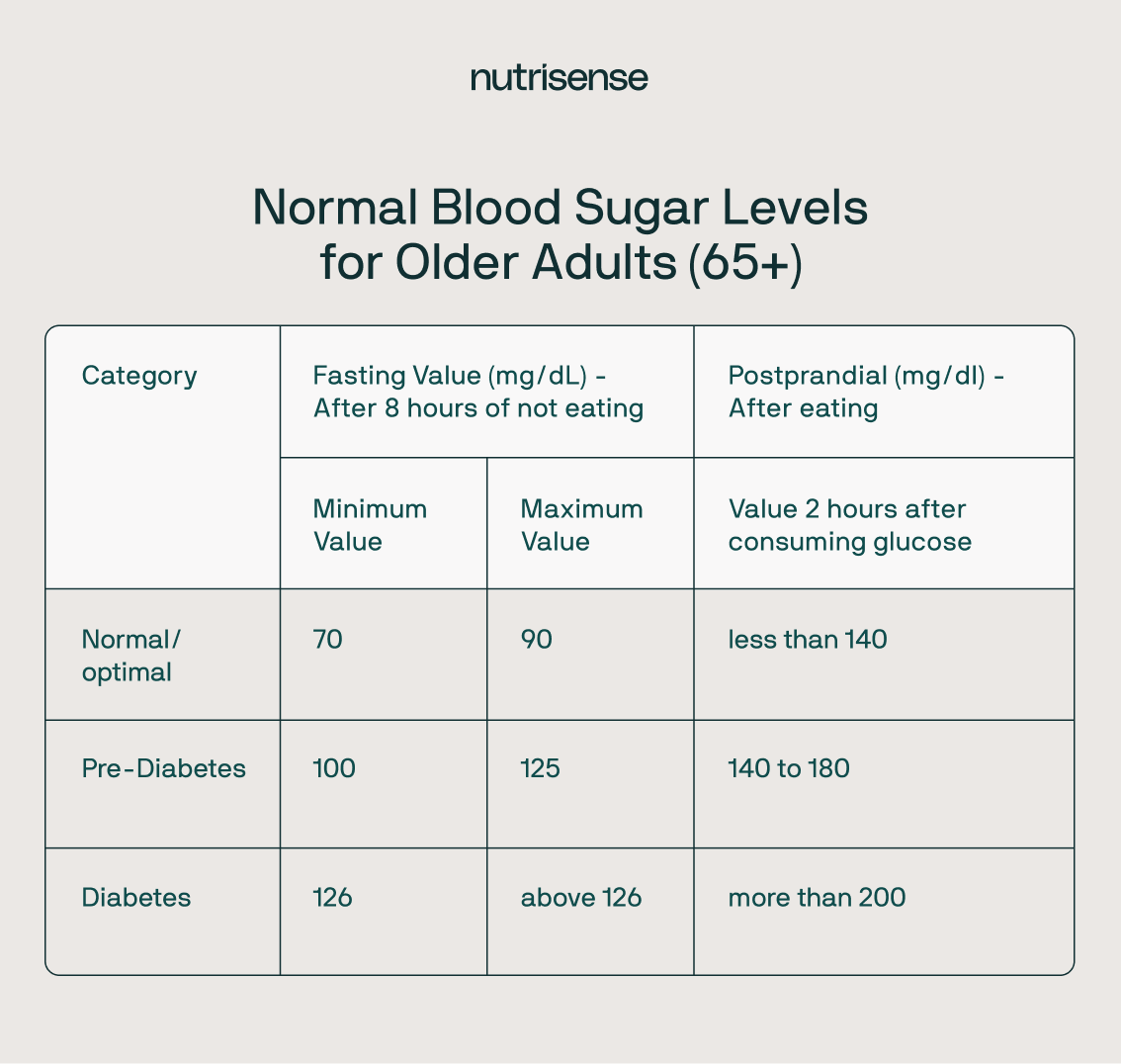
Fasting insulin levels are most informative when assessed alongside fasting glucose levels. This pairing allows for a more nuanced understanding of insulin resistance.
- Normal Fasting Glucose and Elevated Fasting Insulin: This is a classic presentation of early insulin resistance. Your blood sugar might still be within the normal range because your pancreas is producing a significant amount of insulin to keep it there. This is a critical warning sign, indicating that your metabolic system is under strain, and without intervention, progression to elevated blood sugar is likely. Financially, this is the prime time to invest in lifestyle changes, which are often far less costly than managing established diabetes.
- Elevated Fasting Glucose and Elevated Fasting Insulin: This scenario suggests more advanced insulin resistance and potentially prediabetes or type 2 diabetes. Your body is not only producing excess insulin but is also struggling to keep blood sugar levels in check. The financial implications here are more immediate, with higher probabilities of needing medical treatment and medication.
- Normal Fasting Glucose and Normal Fasting Insulin: This is the ideal scenario, indicating good insulin sensitivity and a healthy metabolic state. Continued healthy lifestyle choices are key to maintaining this financial advantage.
The financial prudence of monitoring these markers lies in the principle of early detection and prevention. Addressing insulin resistance when it’s indicated by borderline or elevated fasting insulin, while glucose levels are still normal, can be significantly more cost-effective than managing full-blown type 2 diabetes with its complex array of complications and associated healthcare expenses.
Factors Influencing Fasting Insulin Levels and Their Financial Ramifications

Several lifestyle and physiological factors contribute to fasting insulin levels, many of which have direct or indirect financial consequences. Understanding these links empowers you to make informed decisions that benefit both your health and your finances.
Diet and Nutrition: The Foundation of Metabolic Health and Financial Savings
Your dietary choices have a profound impact on insulin production and sensitivity. Diets high in refined carbohydrates, sugars, and unhealthy fats can contribute to insulin resistance. Conversely, a diet rich in whole foods, fiber, lean proteins, and healthy fats promotes better insulin sensitivity.
- Financial Impact of Diet: While investing in whole, unprocessed foods might seem more expensive upfront than processed options, the long-term financial benefits are substantial. A healthy diet reduces the risk of developing chronic diseases that require expensive medical interventions. Consider the cost of medications for diabetes, high blood pressure, and high cholesterol, not to mention the potential loss of income due to illness. While organic produce and lean proteins can have a higher price tag, prioritizing nutrient-dense foods and mindful meal planning can make a healthy diet financially feasible and ultimately more cost-effective than a diet that leads to chronic disease. Conversely, a diet that consistently elevates your fasting insulin can lead to increased healthcare costs and potential reductions in earning capacity, representing a significant financial drain.
Physical Activity: A Cost-Effective Investment in Metabolic and Financial Health
Regular physical activity is a cornerstone of insulin sensitivity. Exercise helps your muscles use glucose for energy and improves how your body responds to insulin.
- Financial Impact of Exercise: Engaging in regular physical activity, whether it’s joining a gym, participating in sports, or simply incorporating more movement into your daily routine, is a highly cost-effective investment. While some fitness activities may involve costs (gym memberships, equipment), many forms of exercise are free or low-cost. The financial returns come in the form of reduced healthcare expenses due to a lower risk of chronic diseases, increased energy levels leading to better work performance and earning potential, and a generally improved quality of life that facilitates financial planning and goal achievement. Sedentary lifestyles, conversely, contribute to insulin resistance and its associated financial burdens.
Sleep and Stress Management: Underrated Pillars of Health and Financial Stability
Chronic stress and inadequate sleep can disrupt hormone balance, including insulin regulation. Elevated cortisol levels from stress can interfere with insulin sensitivity. Poor sleep further exacerbates these issues.
- Financial Impact of Sleep and Stress: Prioritizing sufficient sleep and effective stress management techniques, such as mindfulness, meditation, or hobbies, can be seen as a proactive financial strategy. Chronic stress and sleep deprivation can lead to poor decision-making, increased cravings for unhealthy foods, and a decline in overall health, all of which can have negative financial repercussions. Investing time and effort into these fundamental aspects of well-being can prevent costly health problems and enhance cognitive function, which is essential for sound financial planning and effective work performance.
Strategies to Optimize Fasting Insulin Levels and Enhance Financial Resilience
Proactively managing your fasting insulin levels is a powerful strategy for both improving your health and fortifying your financial future. By focusing on lifestyle modifications and informed health monitoring, you can mitigate risks and invest in long-term well-being.
Lifestyle Modifications for Improved Insulin Sensitivity
The good news is that insulin resistance is often reversible or manageable through lifestyle changes. These changes not only benefit your health but also act as a form of financial risk management.
- Dietary Adjustments: Focus on reducing intake of sugary drinks and processed foods. Increase consumption of fiber-rich foods like vegetables, fruits, and whole grains. Incorporate lean protein sources and healthy fats. This can be implemented through mindful grocery shopping and home cooking, which can be more budget-friendly than relying on convenience foods or frequent dining out.
- Regular Exercise: Aim for at least 150 minutes of moderate-intensity aerobic activity or 75 minutes of vigorous-intensity activity per week, along with muscle-strengthening activities at least two days a week. Consider cost-effective options like walking, running, cycling, or bodyweight exercises.
- Weight Management: If overweight or obese, even a modest weight loss of 5-10% can significantly improve insulin sensitivity. This can be achieved through a combination of diet and exercise.
- Stress Reduction Techniques: Implement daily practices like deep breathing exercises, meditation, yoga, or spending time in nature. These are often free and can have profound impacts on your physical and mental health, indirectly benefiting your financial planning by improving focus and reducing impulsive decisions.
- Adequate Sleep: Aim for 7-9 hours of quality sleep per night. Establish a consistent sleep schedule and create a relaxing bedtime routine.
The Financial Advantage of Proactive Health Monitoring
Regular health screenings, including fasting insulin tests, are a crucial part of proactive financial planning. Identifying potential issues early allows for timely intervention, which is almost always less expensive than treating advanced disease.
- Insurance Considerations: Maintaining good metabolic health can positively impact your health insurance premiums over time. By demonstrating a lower risk profile, you may qualify for better rates or avoid premium increases associated with chronic conditions.
- Long-Term Financial Planning: Investing in your health is investing in your ability to work, earn, and enjoy your financial resources. Preventing or delaying the onset of chronic diseases means you can maintain your earning capacity for longer and reduce the likelihood of significant medical expenses derailing your retirement plans or other financial goals.
- Seeking Professional Guidance: Consult with your doctor to understand your fasting insulin levels and any associated risks. They can provide personalized advice on diet, exercise, and other lifestyle modifications. Investing in these consultations is a small price to pay for the potential avoidance of much larger healthcare expenditures down the line.
In conclusion, understanding and optimizing your fasting insulin level is not just a matter of medical concern; it is a critical component of sound personal financial management. By prioritizing metabolic health, you are making a wise investment in your long-term financial resilience and overall well-being.
aViewFromTheCave is a participant in the Amazon Services LLC Associates Program, an affiliate advertising program designed to provide a means for sites to earn advertising fees by advertising and linking to Amazon.com. Amazon, the Amazon logo, AmazonSupply, and the AmazonSupply logo are trademarks of Amazon.com, Inc. or its affiliates. As an Amazon Associate we earn affiliate commissions from qualifying purchases.