
The term “conditioning workout” is ubiquitous in the realms of fitness, sports science, and personal well-being. However, its precise definition and implications can sometimes be elusive, leading to confusion or a superficial understanding of its true purpose. At its core, a conditioning workout is a structured program designed to improve a specific aspect of an individual’s physical preparedness, not necessarily for immediate peak performance in a single event, but for sustained and robust capability over time. It’s about building a resilient, efficient, and adaptable physical foundation that can support a multitude of activities, from everyday life to elite athletic pursuits.
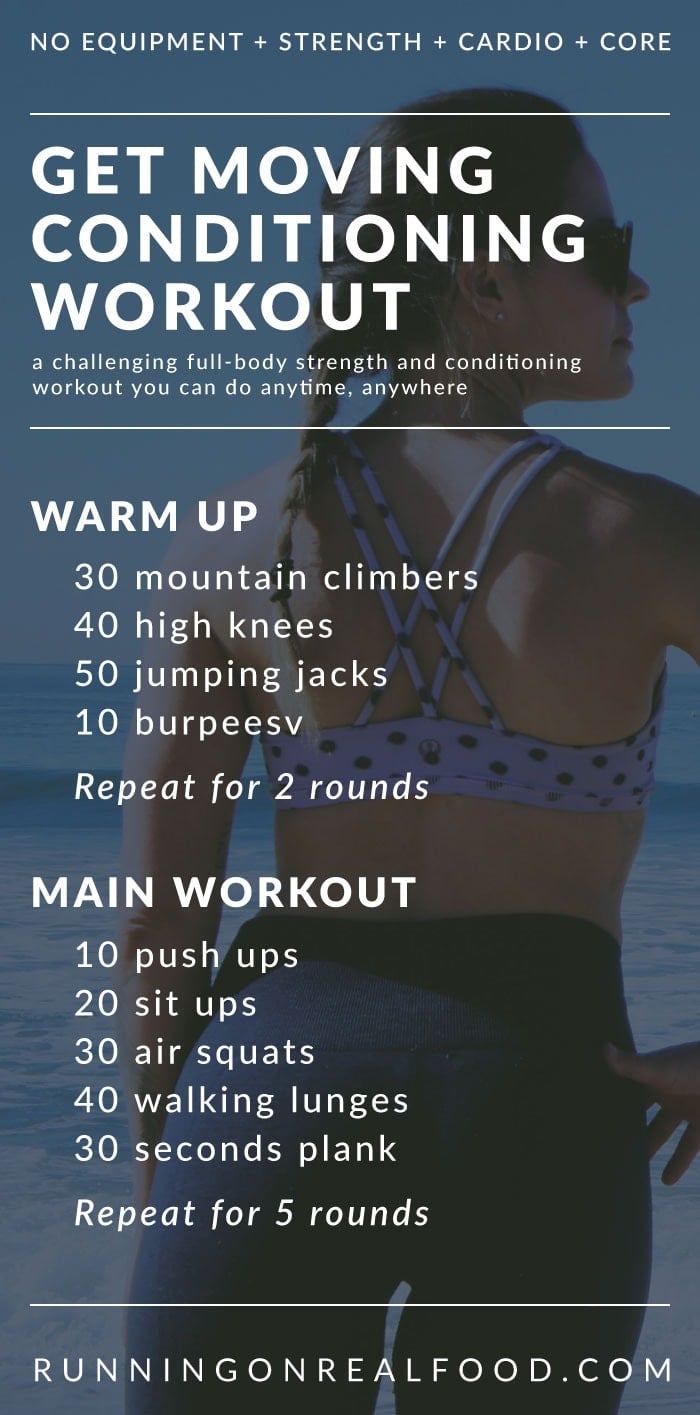
The modern understanding of conditioning extends far beyond simple endurance training. It encompasses a multifaceted approach that considers the intricate interplay of various physiological systems. To truly grasp what constitutes a conditioning workout, we must delve into its underlying principles, its diverse applications, and the methodologies employed to achieve its objectives. This exploration will reveal that conditioning is not a one-size-fits-all prescription but a strategic, often personalized, process aimed at enhancing the body’s capacity to perform, recover, and resist fatigue and injury.
The Pillars of Conditioning: Building a Resilient Physique
A conditioning workout is fundamentally about building a robust physical capacity that transcends brute strength or raw speed. It’s about creating a body that can withstand the demands placed upon it, recover effectively, and maintain optimal function over extended periods. This involves strengthening the key physiological systems that contribute to overall physical readiness.
Cardiovascular Endurance: The Engine of the Body
Cardiovascular endurance, often referred to as aerobic fitness, forms the bedrock of most conditioning programs. It represents the ability of the heart, lungs, and blood vessels to deliver oxygenated blood to working muscles efficiently and to remove metabolic byproducts. Without a strong cardiovascular system, the body quickly succumbs to fatigue, limiting performance in almost any physical endeavor.
Aerobic Capacity (VO2 Max)
The most commonly measured indicator of cardiovascular endurance is VO2 max, which is the maximum rate at which your body can consume oxygen during strenuous exercise. Improving VO2 max signifies a greater capacity for sustained energy production through aerobic metabolism. Conditioning workouts designed to enhance aerobic capacity typically involve activities that elevate the heart rate to a target zone for a sustained duration. Examples include running, cycling, swimming, rowing, and brisk walking. The intensity, duration, and frequency of these sessions are carefully manipulated to stimulate adaptation and improvement.
Aerobic Power and Efficiency
Beyond VO2 max, conditioning also focuses on improving aerobic power – the ability to produce energy at a higher rate aerobically – and overall aerobic efficiency. This means the body becomes more adept at utilizing oxygen, requiring less effort to perform a given task. This is achieved through a combination of steady-state aerobic training and interval training, where periods of high intensity are interspersed with recovery. This approach challenges the cardiovascular system in different ways, promoting adaptations in heart stroke volume, capillary density in muscles, and mitochondrial function.
Muscular Endurance: Sustained Strength
While strength training focuses on maximal force production, muscular endurance targets the ability of muscles to perform repeated contractions over an extended period or to sustain a contraction for a significant duration. This is crucial for activities that require prolonged effort, such as long-distance running, cycling, or even prolonged periods of standing or manual labor.
Repetition Capacity and Fatigue Resistance
Conditioning workouts for muscular endurance typically involve higher repetitions with lighter to moderate loads, or holding isometric contractions for extended periods. The goal is to challenge the muscles’ ability to resist fatigue and to improve their capacity to repeatedly generate sub-maximal force. This type of training also enhances the muscle’s ability to buffer lactic acid and other metabolic byproducts that contribute to fatigue. Circuits, circuit training, and bodyweight exercises performed for many repetitions are common modalities.
Local Muscular Endurance
This refers to the endurance of specific muscle groups. For example, a runner’s leg muscles need to be able to sustain thousands of steps during a marathon. A swimmer’s shoulders and back muscles need to be able to propel them through the water for extended durations. Conditioning programs will often isolate and target these key muscle groups to ensure they can perform their specific roles without premature fatigue.
Beyond Aerobic and Muscular Endurance: Holistic Conditioning
Effective conditioning extends beyond just the aerobic and muscular endurance components. A truly comprehensive approach considers the body as an integrated system, addressing other crucial elements that contribute to overall physical resilience and performance.
Strength and Power Development for Endurance
While not solely focused on maximal strength, conditioning often incorporates elements of strength and power development. This is not about becoming a bodybuilder, but about building a foundation of strength that supports endurance and prevents injury. Stronger muscles can perform work more efficiently, meaning they can achieve the same output with less effort, delaying fatigue. Power development is also important for activities that require bursts of speed or explosive movements within a sustained activity, such as accelerating during a race or overcoming an obstacle.
Functional Strength
This refers to building strength in a way that directly translates to improved performance in specific activities. For instance, a runner needs strong glutes and hamstrings to propel themselves forward efficiently, while a swimmer requires strong core muscles for stability and efficient stroke mechanics. Conditioning programs will often incorporate compound movements that mimic real-world actions and target multiple muscle groups simultaneously.
Power Output for Sustainability
Developing explosive power can paradoxically improve endurance. A stronger, more powerful stride or stroke allows an athlete to maintain a faster pace with less relative effort. This can involve exercises like plyometrics, Olympic lifts (in modified forms), and ballistic movements that train the neuromuscular system to recruit muscle fibers rapidly and forcefully.
Flexibility, Mobility, and Stability: The Foundation for Movement
The ability to move freely, efficiently, and safely is paramount to any conditioning program. Flexibility refers to the range of motion at a joint, while mobility encompasses the ability to move a joint through its full range of motion with control. Stability refers to the ability of muscles to stabilize joints and maintain proper posture during movement. Deficiencies in these areas can lead to compensatory movements, increased injury risk, and reduced efficiency.
Range of Motion and Injury Prevention
Conditioning workouts often include dedicated time for stretching and mobility exercises. Dynamic stretching, which involves moving joints through their full range of motion, is often incorporated into warm-ups, preparing the body for activity. Static stretching, holding a stretch for a period, is typically done post-workout to improve flexibility and aid recovery. This focus on supple and mobile joints allows for more efficient movement patterns and reduces the likelihood of strains and sprains.
Core Strength and Postural Integrity
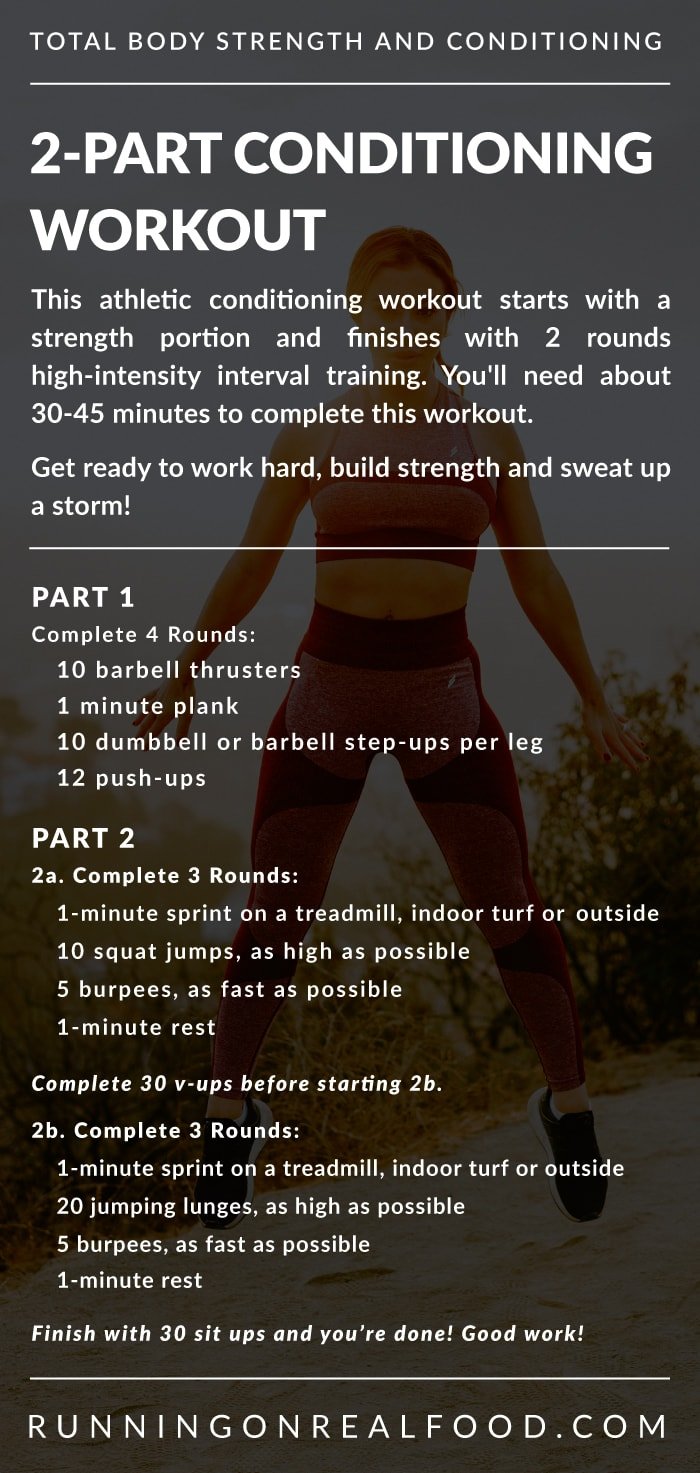
The core, encompassing the muscles of the abdomen, back, and pelvis, acts as the central link between the upper and lower body. A strong and stable core is essential for transferring force effectively between limbs, maintaining upright posture during prolonged activity, and protecting the spine. Exercises like planks, bird-dogs, and various rotational movements are integral to conditioning programs for building core strength and promoting postural integrity.
The Strategic Application of Conditioning Workouts
Understanding the components of a conditioning workout is one thing, but applying them effectively requires a strategic approach tailored to specific goals and individual needs. The principles of progressive overload, periodization, and specificity are critical for maximizing the benefits of conditioning.
Progressive Overload: The Engine of Adaptation
The fundamental principle behind any effective training program, including conditioning, is progressive overload. This means gradually increasing the demands placed on the body over time. Without this, the body will adapt to the current stress and cease to improve. This can be achieved by:
Increasing Intensity
This could mean running faster, lifting slightly heavier weights, or performing exercises with greater resistance.
Increasing Duration or Volume
This involves extending the length of workouts, increasing the number of repetitions or sets, or covering more distance.
Increasing Frequency
This refers to performing workouts more often, though this must be balanced with adequate recovery to avoid overtraining.
Reducing Rest Intervals
As fitness improves, the time needed for recovery between sets or intervals can be reduced, demanding more from the cardiovascular and muscular systems.
Periodization: Structuring for Peak Performance and Longevity
Periodization is the systematic planning of training to ensure peak physical condition at a desired time, while also managing fatigue and preventing overtraining. It involves dividing a training year or season into distinct phases, each with specific goals and training intensities.
Macrocycles, Mesocycles, and Microcycles
A macrocycle typically represents the entire training year. This is broken down into mesocycles (e.g., several weeks or months) focusing on specific aspects like general conditioning, strength, or power. These are further divided into microcycles (typically a week) which detail the day-to-day training plan.
Training Phases
Common phases include a general preparation phase (building a broad base of fitness), specific preparation (tailoring training to the demands of a sport or activity), competition phase (focusing on peaking performance), and transition or recovery phase (allowing the body to recuperate and adapt).
Specificity: Tailoring to the Task
While general conditioning builds a robust foundation, the most effective conditioning workouts are specific to the demands of the activity or goal. This means training in a way that closely mimics the movements, energy systems, and physiological stresses of the intended performance.
Mimicking Movement Patterns
If the goal is to improve running endurance, then running is the primary conditioning activity. If the goal is to improve swimming performance, then swimming should form the bulk of the conditioning.
Targeting Energy Systems
The energy systems required for a marathon (predominantly aerobic) are different from those required for a sprint (anaerobic). Conditioning programs are designed to preferentially train the dominant energy systems of the target activity.

Environmental and Skill Integration
For athletes, conditioning may also involve replicating the environmental conditions (heat, altitude) or integrating sport-specific skills within the conditioning sessions to maximize transferability of fitness gains.
In conclusion, a conditioning workout is a deliberate and structured approach to enhancing the body’s overall physical capacity. It is a multifaceted endeavor that builds upon the foundational pillars of cardiovascular and muscular endurance, while also integrating strength, power, flexibility, mobility, and stability. By applying principles such as progressive overload, periodization, and specificity, individuals can craft conditioning programs that not only improve performance but also foster resilience, reduce injury risk, and contribute to a healthier, more capable body for life.
aViewFromTheCave is a participant in the Amazon Services LLC Associates Program, an affiliate advertising program designed to provide a means for sites to earn advertising fees by advertising and linking to Amazon.com. Amazon, the Amazon logo, AmazonSupply, and the AmazonSupply logo are trademarks of Amazon.com, Inc. or its affiliates. As an Amazon Associate we earn affiliate commissions from qualifying purchases.