
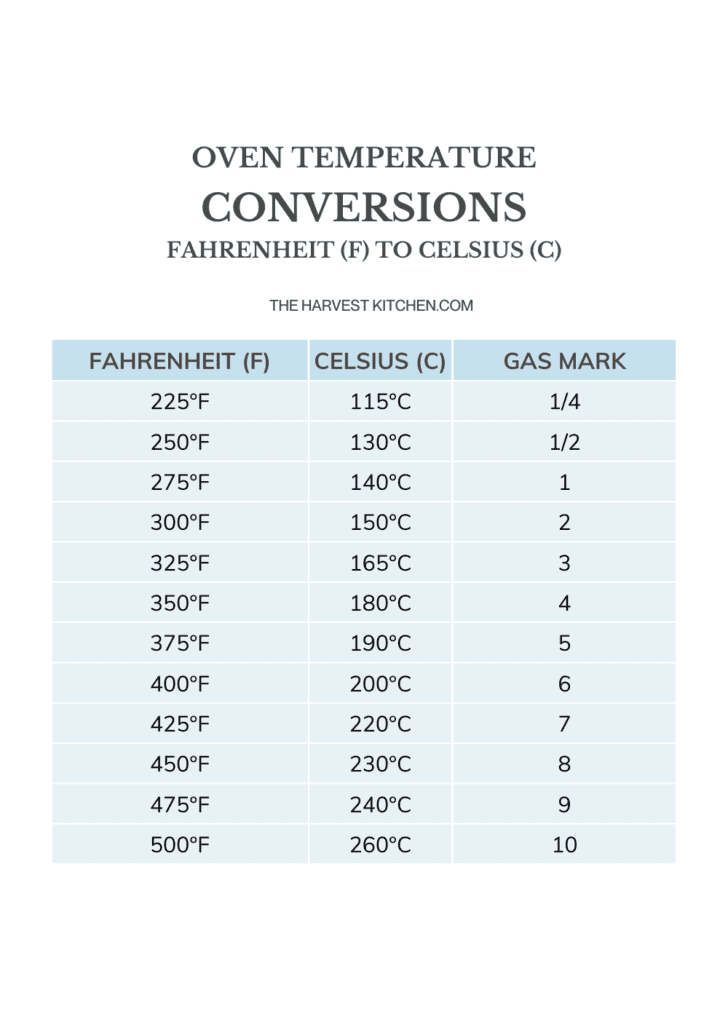
The question “what is 180 in Fahrenheit?” might seem deceptively simple, a straightforward conversion problem. However, within the realm of technology, a temperature of 180°F (approximately 82.2°C) carries significant implications, particularly concerning the performance, longevity, and even the fundamental design of electronic devices. This article will explore the critical role of thermal management in the tech industry, examining why understanding and controlling temperatures like 180°F is paramount for everything from our smartphones to the most powerful server farms. We will delve into the science behind heat generation, the detrimental effects of overheating, the innovative technologies employed to dissipate heat, and the future of thermal solutions in an increasingly power-hungry technological landscape.
The Silent Killer: Understanding Heat Generation in Electronic Devices
At the heart of every electronic device lies a complex interplay of electrical currents and semiconductor materials. While these components are designed for efficiency, the passage of electricity inevitably generates heat as a byproduct. This phenomenon, known as Joule heating or resistive heating, is a fundamental principle of physics. Every transistor, resistor, and circuit board contributes to the overall thermal load of a device.
From Microscopic Interactions to Macroscopic Temperatures
On a microscopic level, electrical resistance arises from the scattering of electrons as they navigate through the conductive material. These collisions with atoms within the material convert kinetic energy into thermal energy. While the energy generated by a single electron’s movement is minuscule, the sheer number of electrons flowing through a device, coupled with the incredibly high clock speeds of modern processors, results in a significant and continuous generation of heat. This is particularly true for high-performance components like CPUs and GPUs, which are designed to execute billions of operations per second.
The Exponential Rise of Heat with Performance Demands
The relentless pursuit of greater processing power and faster speeds in the tech industry has directly correlated with an increase in thermal challenges. As components become smaller and more densely packed, the ability to dissipate heat becomes more constrained. Furthermore, sophisticated cooling solutions, such as high-speed fans and liquid cooling systems, themselves consume power and contribute to the overall heat output, creating a delicate balancing act for engineers. The drive for thinner, lighter, and more aesthetically pleasing devices further complicates thermal design, often limiting the space available for robust cooling mechanisms. This escalating demand for performance, while simultaneously facing stricter thermal budgets, makes understanding precise temperature thresholds, such as 180°F, absolutely critical.
The Perils of Overheating: Degradation and Failure in the Digital Realm
When electronic components exceed their optimal operating temperatures, a cascade of detrimental effects can occur, impacting both performance and longevity. A temperature of 180°F, while not universally catastrophic, often sits at a concerning threshold for many sensitive electronic parts.
Performance Throttling: The Device’s Self-Preservation Mechanism
One of the first and most common consequences of overheating is performance throttling. Modern processors are equipped with thermal sensors that constantly monitor their internal temperature. If the temperature approaches a predefined limit, the CPU or GPU will automatically reduce its clock speed and performance to generate less heat. While this is a crucial self-preservation mechanism designed to prevent immediate damage, it results in a noticeable slowdown of the device. Tasks that were once fluid can become laggy, and demanding applications may become unusable. For gamers, content creators, or anyone relying on high-performance computing, sustained throttling at temperatures like 180°F can severely impact productivity and user experience.
Accelerated Component Degradation and Reduced Lifespan
Beyond temporary performance dips, sustained exposure to elevated temperatures significantly accelerates the degradation of electronic components. Semiconductors, the building blocks of modern electronics, are particularly susceptible to heat-induced stress. High temperatures can lead to:
- Increased resistance: As materials heat up, their electrical resistance generally increases, leading to further heat generation and a vicious cycle.
- Electromigration: This is a phenomenon where the movement of metal atoms within conductive pathways is accelerated by high temperatures and electrical current. Over time, this can lead to open circuits or short circuits.
- Material fatigue: Components like solder joints and delicate wiring can become brittle and prone to cracking or failure under repeated thermal cycling (heating and cooling).
- Reduced capacitor lifespan: Electrolytic capacitors, commonly found on circuit boards, have a lifespan that is inversely proportional to temperature. Doubling the temperature can halve their expected operational life.
Therefore, consistently operating devices at or near 180°F, even if it doesn’t cause immediate failure, will undeniably shorten their overall lifespan. This has economic implications for consumers and manufacturers alike, leading to more frequent replacement cycles and increased electronic waste.
Catastrophic Failure: When the Heat Becomes Too Much
In extreme cases, exceeding a component’s thermal limits can lead to immediate and irreversible catastrophic failure. This can manifest in various ways:
- Blowing fuses or melting components: In severe overheating scenarios, protective components like fuses might blow, or more delicate parts could literally melt.
- Data corruption or loss: Overheated storage devices, particularly solid-state drives (SSDs), can experience data corruption, leading to the loss of valuable information.
- Permanent motherboard damage: The integrated circuits and solder connections on a motherboard are highly susceptible to heat. Prolonged exposure to excessive temperatures can lead to permanent damage, rendering the entire device inoperable.
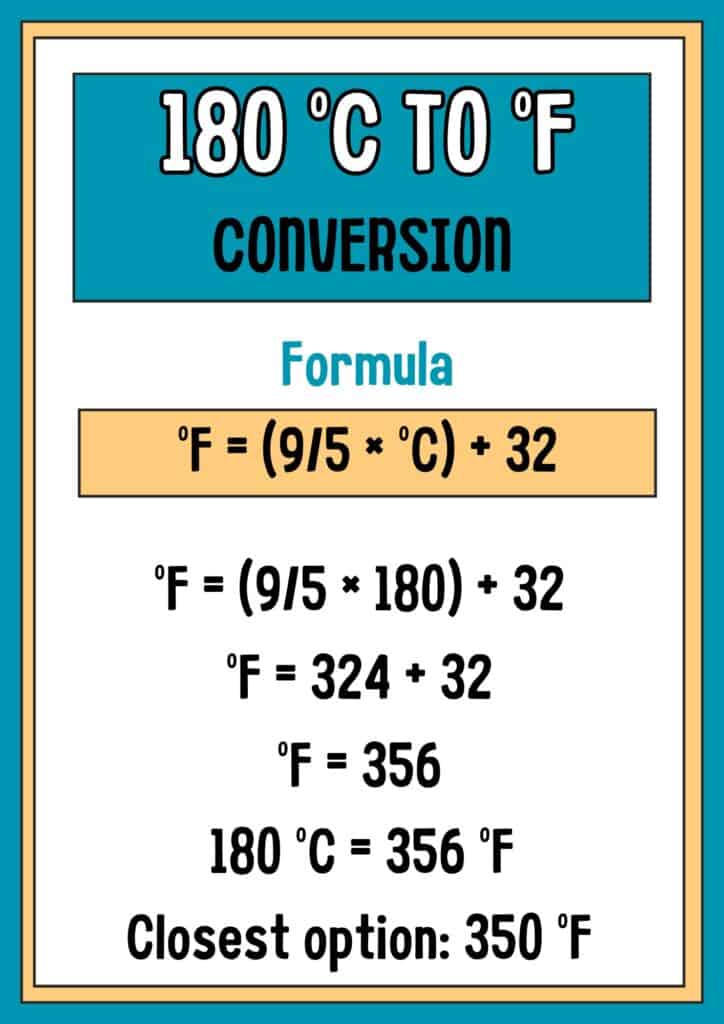
Understanding that 180°F represents a temperature zone where these risks become significantly elevated is crucial for designing and using electronic devices responsibly.
Engineering for Coolness: Advanced Thermal Management Technologies
To combat the ever-present threat of overheating, the tech industry invests heavily in sophisticated thermal management solutions. These technologies are designed to efficiently transfer heat away from critical components and dissipate it into the surrounding environment.
Passive Cooling: Leveraging Natural Principles
Passive cooling methods rely on natural heat transfer principles without the need for active components like fans. These are often found in devices where silence and low power consumption are paramount.
- Heatsinks: These are metal components, typically made of aluminum or copper, with a large surface area designed to absorb heat from a component and dissipate it into the air. The fins of a heatsink increase the surface area, allowing for more efficient heat transfer through convection.
- Thermal Interface Materials (TIMs): These materials, such as thermal paste, thermal pads, and phase change materials, are applied between a heat-generating component and a heatsink. They fill microscopic air gaps, ensuring efficient thermal conductivity and maximizing heat transfer. The effectiveness of TIMs is crucial for preventing hot spots.
- Heat Pipes: These are sealed tubes containing a working fluid that evaporates at the hot end, travels as vapor to the cold end, condenses, and returns as liquid. This process creates a highly efficient method of transferring heat over a distance, often used in laptops and high-performance graphics cards.
- Case Design and Airflow: The physical enclosure of a device plays a vital role in passive cooling. Strategic placement of vents and internal component arrangement can facilitate natural convection, allowing cooler air to enter and hot air to escape.
Active Cooling: Forcing the Heat Away
When passive methods are insufficient, active cooling solutions employ mechanical or electrical means to enhance heat dissipation.
- Fans: These are the most common active cooling components. They draw in cooler ambient air and blow it over heatsinks and other hot components, accelerating convective heat transfer. Fan speed can often be dynamically adjusted based on temperature readings.
- Liquid Cooling Systems: For high-performance systems like gaming PCs and servers, liquid cooling offers superior thermal management. A liquid coolant is circulated through a loop that includes a water block attached to the component, a radiator, and a pump. The liquid absorbs heat from the component, carries it to the radiator where it is dissipated into the air (often with the help of fans), and then returns to the component to repeat the cycle.
- Thermoelectric Coolers (TECs): Also known as Peltier devices, these solid-state devices can create a temperature difference when an electric current is applied. They are more power-intensive than fans but can achieve very low temperatures and are sometimes used in specialized applications.
- Vapor Chambers: These are thin, flat heat pipes that are highly effective at spreading heat evenly across a surface before it is dissipated. They are increasingly used in thin and light laptops and mobile devices to manage heat from powerful processors.
The design and implementation of these cooling technologies are a core aspect of modern electronics engineering, directly influencing the performance, reliability, and form factor of the devices we use every day. The ability to manage temperatures around the 180°F mark and below is a testament to the ingenuity of these solutions.
The Future of Thermal Management: Innovating for a Cooler Tomorrow
As technology continues its relentless march forward, with increasing demands for power and miniaturization, thermal management will only become more critical. The challenges posed by ever-denser chip architectures and more powerful processors will require innovative solutions to keep temperatures in check.
Embracing New Materials and Designs
The development of advanced materials with superior thermal conductivity is a key area of research. Graphene, carbon nanotubes, and novel ceramic composites hold the promise of creating more efficient heatsinks and thermal interfaces. Furthermore, advancements in 3D printing and additive manufacturing are enabling the creation of highly complex and optimized heatsink geometries that were previously impossible to produce. The integration of cooling solutions directly into the device chassis or even within the components themselves is also being explored.
Liquid Cooling Goes Mainstream
While currently more prevalent in enthusiast-grade PCs and servers, liquid cooling is gradually making its way into more mainstream devices. Miniaturization of pump and radiator technology, coupled with increasing performance demands, suggests that advanced liquid cooling solutions may become more commonplace in high-end laptops and potentially even some mobile devices in the future.
AI-Driven Thermal Optimization
Artificial intelligence is also playing a growing role in thermal management. AI algorithms can analyze real-time performance data and temperature readings to dynamically adjust fan speeds, power consumption, and even task scheduling to optimize thermal performance. This proactive approach can prevent devices from reaching critical temperatures, ensuring smoother operation and extending lifespan. Machine learning can also be used to predict thermal behavior under various load conditions, allowing engineers to design more robust cooling systems from the outset.
The Quest for Zero Heat
Ultimately, the holy grail of thermal management is to eliminate waste heat altogether. While achieving true zero heat generation is likely impossible with current physics, ongoing research into more energy-efficient processor architectures, novel semiconductor materials, and advanced power management techniques aims to significantly reduce the thermal footprint of electronic devices. As the world grapples with climate change and the energy demands of our digital infrastructure, efficient thermal management will be a cornerstone of sustainable technology development, ensuring that devices can perform at their peak without contributing to excessive energy consumption or environmental impact. Understanding the nuances of temperatures like 180°F, and the engineering prowess required to manage them, is a critical step in this ongoing evolution.
aViewFromTheCave is a participant in the Amazon Services LLC Associates Program, an affiliate advertising program designed to provide a means for sites to earn advertising fees by advertising and linking to Amazon.com. Amazon, the Amazon logo, AmazonSupply, and the AmazonSupply logo are trademarks of Amazon.com, Inc. or its affiliates. As an Amazon Associate we earn affiliate commissions from qualifying purchases.