
In the rapidly evolving landscape of modern computing, virtualization stands as a cornerstone technology, fundamentally reshaping how businesses and individuals deploy, manage, and scale their IT infrastructure. At its heart lies the Virtual Machine (VM) platform, a sophisticated software layer that enables the creation and operation of multiple isolated virtual environments on a single physical machine. This revolutionary approach has ushered in an era of unprecedented efficiency, flexibility, and cost-effectiveness, becoming indispensable for everything from robust data centers and scalable cloud services to agile development environments and secure testing sandboxes.
Understanding which VM platforms lead the pack is crucial for anyone looking to optimize their technology stack, whether you’re an enterprise architect planning a massive deployment, an SMB owner seeking to maximize limited resources, or a tech enthusiast keen on exploring the latest software innovations. This article delves into the dominant players in the virtualization arena, examining their unique strengths, target applications, and the critical factors that should guide your selection process. We’ll explore how these platforms contribute to technological advancement, impact operational budgets, and influence strategic branding through reliability and performance.
The Foundation of Modern IT: Understanding Virtualization and VM Platforms
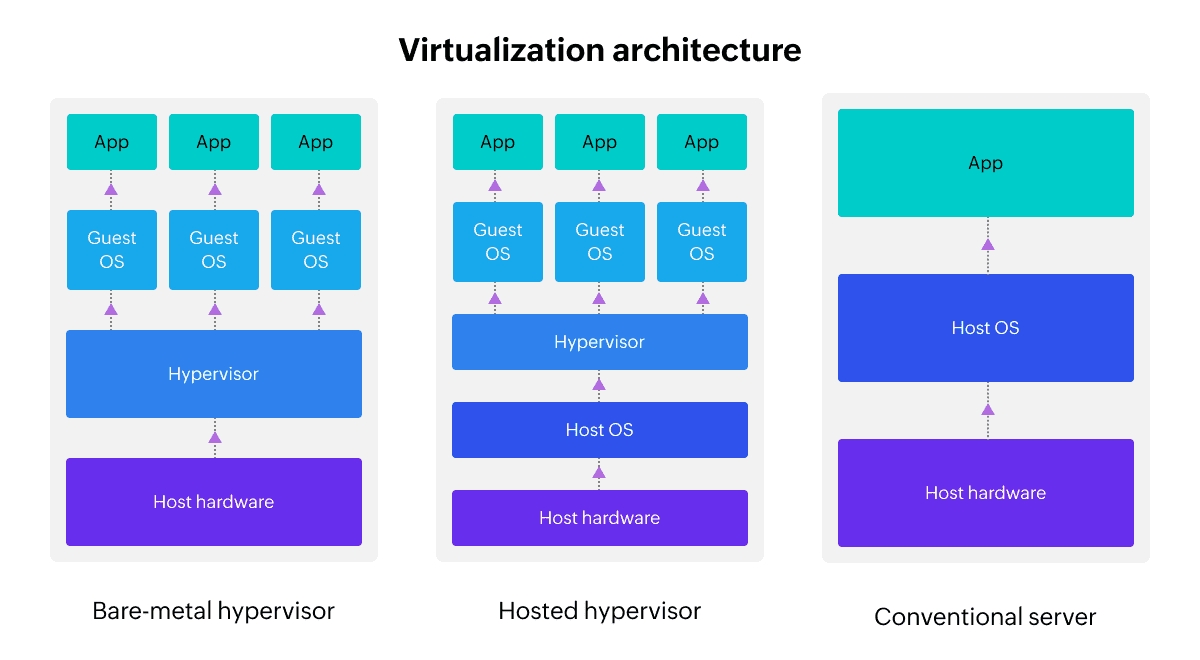
The concept of virtualization, though sophisticated in its implementation, is elegantly simple in its premise: to abstract computing resources from the underlying hardware. This abstraction allows a single physical server to run multiple independent operating systems and applications simultaneously, each encapsulated within its own virtual machine. A VM platform, also known as a hypervisor, is the software that makes this magic happen, orchestrating the allocation of CPU, memory, storage, and networking resources to each VM.
What is Virtualization?
Virtualization essentially creates a virtual version of a computing resource, rather than the actual version. In the context of servers, it means partitioning a physical server into several virtual servers. Each VM runs its own operating system (OS) and applications, completely isolated from other VMs on the same physical hardware. This isolation is key to its benefits, ensuring that an issue in one VM doesn’t impact others.
The benefits derived from this technological marvel are profound. Firstly, it dramatically improves resource utilization. Instead of dedicating an entire physical server to a single application that might only use 10-20% of its capacity, virtualization allows multiple applications to share the same hardware, pushing utilization rates significantly higher. Secondly, isolation enhances security and stability; if one VM crashes, others remain unaffected. Thirdly, VMs offer incredible portability, allowing them to be moved between physical servers with minimal downtime, a critical feature for disaster recovery and load balancing. Lastly, rapid deployment becomes a reality, enabling IT teams to spin up new servers in minutes rather than days, drastically improving productivity and responsiveness to business needs.
Why VM Platforms Are Indispensable Today
VM platforms have transitioned from niche solutions to core components of virtually every modern IT infrastructure. Their indispensability stems from their ability to address several key challenges faced by businesses today, aligning perfectly with the overarching themes of technology, finance, and operational efficiency.
For data centers, virtualization is the backbone, allowing for consolidation of servers, reducing hardware footprint, power consumption, and cooling costs. This directly translates to significant cost savings and a reduced environmental impact, touching upon the “Money” aspect of business finance. In the realm of cloud computing, VM platforms are the fundamental building blocks. Public cloud providers like AWS, Azure, and Google Cloud leverage virtualization to provision scalable, on-demand compute resources to millions of customers. This democratizes access to powerful infrastructure, enabling online income streams and fostering innovation for businesses of all sizes.
Beyond large-scale infrastructure, VM platforms are vital for development and testing environments, offering quick provisioning of isolated spaces to test new software or configurations without affecting production systems. They also play a critical role in disaster recovery, allowing for rapid restoration of services by replicating VMs to backup sites. Furthermore, VM platforms extend the life of legacy applications by encapsulating them in virtual environments that can run on modern hardware, bypassing compatibility issues and saving companies from costly refactoring or replacement projects. This strategic use of technology directly impacts business productivity and resilience, making VM platforms a strategic asset in today’s digital economy.
The Giants of Virtualization: Leading VM Platforms
The virtualization market is diverse, with several powerful contenders offering varying features, strengths, and target audiences. Each platform has carved out its niche, driven by different underlying architectures, licensing models, and ecosystems. Understanding these distinctions is key to making an informed decision that aligns with your specific technological and financial objectives.
VMware: The Industry Standard
VMware is arguably the most recognized name in virtualization, widely considered the industry standard, particularly for enterprise-grade deployments. Their flagship product, VMware vSphere, is a comprehensive virtualization platform that includes the ESXi hypervisor and vCenter Server for centralized management. Other popular offerings include Workstation and Fusion for desktop virtualization on Windows/Linux and macOS, respectively.
Strengths: VMware boasts a mature, robust, and highly reliable platform with an extensive feature set tailored for demanding enterprise environments. It offers advanced capabilities like vMotion (live migration of VMs), High Availability (HA), Distributed Resource Scheduler (DRS), and Site Recovery Manager (SRM) for disaster recovery. Its performance is consistently top-tier, and it benefits from a vast ecosystem of third-party tools, integrations, and a massive community of certified professionals. This established presence and continuous innovation contribute significantly to VMware’s strong brand reputation in the tech world.
Target Audience: Large enterprises, organizations with mission-critical workloads, and those requiring the highest levels of performance, scalability, and advanced management features often default to VMware. Its comprehensive suite of tools supports complex virtualized infrastructures and hybrid cloud strategies. While initially a significant investment, many businesses find the Total Cost of Ownership (TCO) justifiable through its unmatched reliability and operational efficiencies, aligning with sound business finance principles.
Microsoft Hyper-V: Integrated and Accessible
Microsoft’s entry into the virtualization space, Hyper-V, is deeply integrated into the Windows ecosystem, making it a natural choice for organizations primarily running Microsoft servers and applications. Hyper-V is available as a role in Windows Server editions and as a feature in Windows 10/11 Pro, Enterprise, and Education versions, offering both server and desktop virtualization capabilities.
Strengths: Hyper-V’s primary advantage is its native integration with Windows. For organizations already invested in Microsoft licenses, Hyper-V can be a highly cost-effective solution, often coming bundled with their existing OS. It provides robust features, including live migration, high availability with Failover Clustering, and virtual machine replication. Its deep integration with Azure facilitates seamless hybrid cloud deployments, allowing workloads to be easily shifted between on-premises Hyper-V and Azure Virtual Machines. The familiarity of the Windows interface also contributes to a lower learning curve for IT professionals accustomed to Microsoft tools, boosting productivity.
Target Audience: Hyper-V is particularly well-suited for businesses with a predominantly Windows-centric environment, including small to medium-sized businesses (SMBs) looking for an affordable yet powerful virtualization solution. It’s also popular for development and testing, educational institutions, and organizations building hybrid cloud architectures with Azure. Its accessibility and cost-efficiency make it an attractive option for managing IT budgets effectively.
KVM (Kernel-based Virtual Machine): Open Source Powerhouse
KVM is not a standalone product in the same vein as VMware or Hyper-V, but rather a virtualization infrastructure built into the Linux kernel. It transforms a Linux kernel into a hypervisor, allowing it to host multiple virtual machines. KVM is often utilized as the underlying technology for more comprehensive open-source virtualization management platforms like Proxmox VE, oVirt, and OpenStack.
Strengths: The most compelling advantage of KVM is its open-source nature, meaning no licensing costs. This can lead to substantial financial savings, especially for large-scale deployments or cloud providers who might otherwise face prohibitive licensing fees. KVM is known for its excellent performance, often rivaling or even surpassing proprietary solutions, as it leverages the full power of the Linux kernel. It offers immense flexibility and customization options, allowing organizations to tailor their virtualization environment precisely to their needs. Its security benefits from the continuous scrutiny and contributions of the open-source community, aligning with best practices in digital security.
Target Audience: KVM is favored by Linux-centric organizations, cloud service providers, and tech companies that prioritize cost savings, flexibility, and control over their infrastructure. It’s an excellent choice for those with in-house Linux expertise who can leverage its power for custom solutions and integrate it deeply into their existing open-source ecosystem. The community-driven support and extensive documentation also appeal to a wide range of tech enthusiasts and professionals.
Citrix Hypervisor (XenServer): Performance and Security Focused
Formerly known as XenServer, Citrix Hypervisor is an open-source bare-metal hypervisor that has been optimized for high performance and security, particularly in Virtual Desktop Infrastructure (VDI) environments. While it has an open-source core, Citrix offers commercial versions with enterprise-grade features and support.
Strengths: Citrix Hypervisor excels in scenarios demanding high performance and robust security. It is especially strong in Virtual Desktop Infrastructure (VDI) deployments, where many virtual desktops are hosted on a single server, delivering a consistent and secure user experience. Its architecture is designed for efficiency and scalability, making it a solid choice for organizations heavily invested in Citrix’s broader suite of products, such as Citrix Virtual Apps and Desktops. The focus on security features and isolation makes it a compelling option for regulated industries or environments with stringent compliance requirements.
Target Audience: Organizations heavily relying on VDI solutions, enterprises with a significant investment in the Citrix ecosystem, and those prioritizing performance and security for their virtualized workloads will find Citrix Hypervisor a strong contender. Its capabilities align well with managing large-scale remote workforces and ensuring seamless access to applications and data, directly impacting workforce productivity.
Proxmox VE: All-in-One Open Source Solution
Proxmox Virtual Environment (VE) is an open-source server virtualization management solution that integrates two virtualization technologies — KVM for virtual machines and LXC (Linux Containers) for lightweight containers — on a single platform. It offers an easy-to-use web-based management interface.
Strengths: Proxmox VE’s key appeal lies in its integrated, all-in-one approach. It provides a complete virtualization solution out of the box, including enterprise-class features like high availability clustering, integrated backup and restore, and software-defined storage, all managed through an intuitive web GUI. Being open source, it offers significant cost savings compared to proprietary solutions, with optional subscription services for enterprise support. Its ability to host both full VMs (KVM) and lightweight containers (LXC) provides excellent flexibility for different workload types, making it a versatile tool for IT professionals.
Target Audience: Proxmox VE is highly popular among small to medium-sized businesses (SMBs), educational institutions, homelab enthusiasts, and organizations looking for a robust, cost-effective, and easy-to-manage open-source virtualization platform. Its comprehensive feature set, combined with zero licensing costs for the core product, makes it an attractive choice for maximizing IT budgets and improving operational efficiency without sacrificing advanced capabilities.
Choosing the Right Platform: Key Considerations for Businesses and Tech Enthusiasts
Selecting the optimal VM platform is a strategic decision that can significantly impact an organization’s operational efficiency, financial health, and long-term technological agility. It’s not a one-size-fits-all choice, but rather a careful evaluation of specific needs against platform capabilities.
Performance and Scalability
The primary drivers for any virtualization decision are the performance requirements of your workloads and your anticipated growth. Consider the type of applications you’ll be running – database servers, web servers, VDI, or high-performance computing. Evaluate how well each platform can handle your current and future demands for CPU, memory, I/O, and network throughput. Scalability is crucial for futureproofing your infrastructure, ensuring the platform can grow with your business without requiring a complete overhaul.
Cost and Licensing
This is often a major factor, especially for SMBs and startups. Compare not just the initial licensing fees (which can range from free open-source options to significant enterprise investments) but also the Total Cost of Ownership (TCO). This includes ongoing subscription costs for support, management tools, hardware requirements, and the cost of IT staff training. Open-source solutions like KVM or Proxmox VE offer substantial upfront savings, but proprietary platforms often bundle extensive support and advanced features that might justify their higher price for larger enterprises. Aligning with your financial tools and budget is essential.
Ecosystem and Integration
A VM platform doesn’t exist in isolation. Its ability to integrate seamlessly with your existing IT infrastructure, including storage systems, networking hardware, backup solutions, and monitoring tools, is paramount. Consider its compatibility with your preferred operating systems and applications. For organizations planning hybrid or multi-cloud strategies, evaluate how well the platform integrates with public cloud providers like Azure, AWS, or Google Cloud. Vendor lock-in can also be a concern, so assess the flexibility to migrate VMs between different environments.
Management and Ease of Use
The complexity of managing your virtual environment can significantly impact IT productivity. Assess the administrative overhead associated with each platform, including the learning curve for your team. Look for intuitive management interfaces, robust automation capabilities (e.g., scripting, APIs), and comprehensive monitoring tools. A platform that is easy to deploy, configure, and troubleshoot can save countless hours and reduce the need for specialized training, thus enhancing overall productivity.
Security and Compliance
Virtualization introduces new security considerations. Evaluate the platform’s built-in security features, such as isolation mechanisms, secure boot, encryption options for VMs and storage, and role-based access control. Understand how the platform handles patching and updates, and its track record for addressing vulnerabilities. For industries with strict regulatory requirements, ensure the platform meets necessary compliance certifications (e.g., HIPAA, GDPR, PCI DSS). Strong digital security is non-negotiable in today’s threat landscape.
Support and Community
While open-source platforms offer compelling financial benefits, the availability of reliable support is critical. For proprietary solutions, evaluate the vendor’s support reputation, service level agreements (SLAs), and documentation. For open-source options, assess the vibrancy and responsiveness of the community forums, availability of professional support contracts, and depth of online resources. A strong support ecosystem can be invaluable when troubleshooting complex issues, contributing to the platform’s overall brand reputation and reliability.
The Future of Virtualization: Trends and Innovations
Virtualization is a dynamic field, constantly evolving to meet new demands and integrate with emerging technologies. While well-established, its future promises continued innovation.
Hybrid and Multi-Cloud Environments
The trend towards hybrid and multi-cloud strategies will continue to shape VM platforms. Organizations will increasingly seek solutions that allow for seamless migration and management of workloads across on-premises data centers and various public cloud providers. This requires platforms with robust APIs, consistent management interfaces, and strong networking capabilities to bridge disparate environments efficiently.
Containerization vs. Virtualization
The rise of containerization (e.g., Docker, Kubernetes) has sparked discussions about its relationship with traditional VMs. Rather than a competition, the future points towards a symbiotic relationship. Containers offer lightweight, portable application packaging, while VMs provide stronger isolation and security at the OS level. Many modern deployments leverage both, running containers inside VMs for enhanced security and resource management, or using VM platforms that integrate container orchestration.
Edge Computing and VMs
As computing shifts closer to the data source, virtualization will play a crucial role in edge computing deployments. VMs at the edge will enable efficient resource utilization, isolation for different applications, and standardized deployment models in environments with limited hardware resources and connectivity. This extends the reach of virtualized infrastructure beyond traditional data centers.
Enhanced Automation and AI in VM Management
Future VM platforms will integrate more advanced automation and AI capabilities to optimize resource allocation, predict potential issues, and automate routine management tasks. AI tools can analyze usage patterns to proactively scale resources, optimize power consumption, and identify security anomalies, further enhancing productivity and efficiency while reducing human intervention.
Conclusion
The choice of a leading VM platform is a pivotal decision for any organization navigating the complexities of modern IT. From the enterprise-grade robustness of VMware to the integrated accessibility of Microsoft Hyper-V, the open-source flexibility of KVM and Proxmox VE, and the VDI-optimized performance of Citrix Hypervisor, each platform offers distinct advantages tailored to different needs and budgets.
Ultimately, there is no single “best” VM platform. The ideal choice hinges on a thorough evaluation of your specific requirements, including performance demands, budget constraints, existing infrastructure, security mandates, and long-term strategic goals. By carefully considering factors such as cost, scalability, ease of management, and ecosystem integration, businesses and tech enthusiasts can select a platform that not only meets their current operational needs but also positions them for future growth and innovation. In an era where technological agility, digital security, and financial prudence are paramount, the right VM platform serves as a powerful engine for progress, driving efficiency and empowering the digital future.
aViewFromTheCave is a participant in the Amazon Services LLC Associates Program, an affiliate advertising program designed to provide a means for sites to earn advertising fees by advertising and linking to Amazon.com. Amazon, the Amazon logo, AmazonSupply, and the AmazonSupply logo are trademarks of Amazon.com, Inc. or its affiliates. As an Amazon Associate we earn affiliate commissions from qualifying purchases.