
Maintaining the ideal pH balance in your swimming pool is not just about crystal-clear water and comfortable swimming; it’s a crucial aspect of responsible homeownership that directly impacts your finances. An improperly balanced pool can lead to a cascade of costly problems, from premature equipment failure to increased chemical consumption. Understanding what influences your pool’s pH and how to manage it effectively can save you significant money in the long run. This guide delves into the financial implications of pool pH and how strategic chemical adjustments can be a cost-saving endeavor.
The Financial Stakes of pH Imbalance: More Than Just Cloudy Water
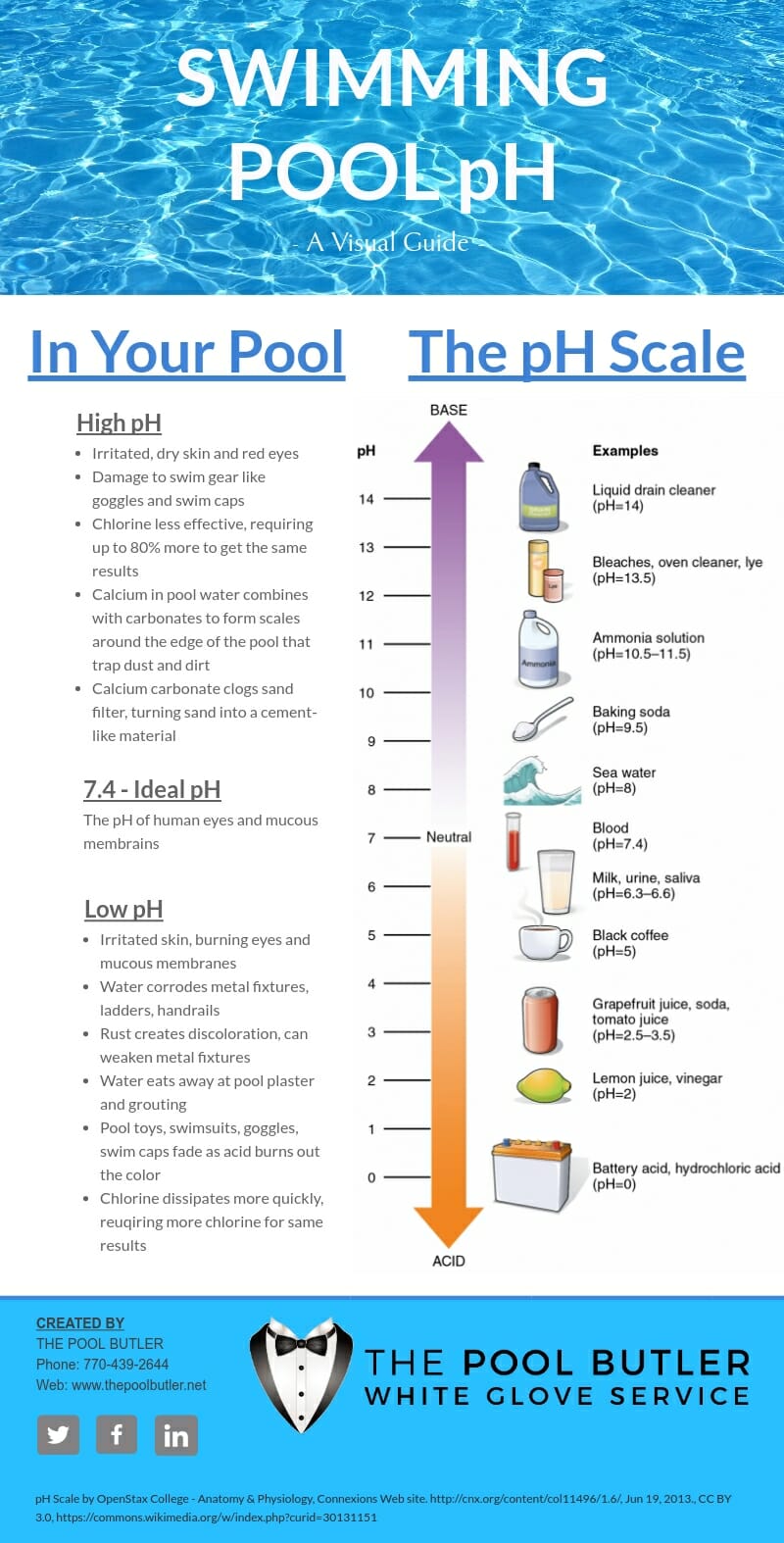
The seemingly simple act of adjusting pool pH has far-reaching financial consequences that many homeowners overlook. Failing to maintain the optimal pH range (typically 7.2-7.8) can turn a refreshing oasis into a money pit, eroding the value of your pool and your property.
Equipment Longevity and Repair Costs
Your swimming pool is a complex system with various components made from specific materials designed to withstand certain chemical conditions. When the pH is consistently too low (acidic), it creates a corrosive environment.
- Corrosion of Metal Components: Copper and brass components in your pool heater, pump seals, and ladders are highly susceptible to corrosion in acidic water. This can lead to leaks, reduced efficiency, and eventually, expensive replacements. Think of a corroded heat exchanger in your pool heater; this is a multi-thousand-dollar repair or replacement.
- Damage to Plaster and Grout: Acidic water can etch plaster surfaces, causing them to deteriorate over time. It also attacks the grout between tiles, leading to loose tiles, leaks, and the need for costly replastering or retiling.
- Degradation of Vinyl Liners: While less susceptible to direct chemical corrosion, very low pH can make vinyl liners brittle and prone to tearing, leading to expensive liner replacement.
- Damage to Other Pool Equipment: Filters, plastic fittings, and even seals can be degraded by prolonged exposure to improper pH levels, leading to premature wear and tear and increased maintenance expenses.
Conversely, high pH (alkaline) water also poses financial risks, though often to different components.
- Scaling and Clogging: High pH, coupled with high calcium hardness, can lead to the formation of scale deposits. This scale can clog your filter, pipes, and heater, reducing water flow and efficiency. Cleaning or replacing clogged equipment can be labor-intensive and costly.
- Reduced Sanitizer Effectiveness: One of the most significant financial impacts of high pH is its detrimental effect on chlorine’s effectiveness. Chlorine, the primary sanitizer for most pools, works most efficiently within a specific pH range. When the pH is too high, chlorine becomes less potent, meaning you need to add more to achieve the same level of sanitation. This directly translates to higher ongoing chemical costs.
Increased Chemical Consumption and Waste
The pursuit of balanced pool chemistry is an ongoing battle, and pH is at the forefront. When your pH is out of whack, you’re not just using more chemicals to fix it; you’re often creating conditions that cause it to go out of whack again faster.
- The Vicious Cycle of Low pH: If your pH is too low, not only is it corrosive, but it also speeds up the dissipation of chlorine. This forces you to add more chlorine more frequently, increasing your chemical expenditure.
- The Vicious Cycle of High pH: As mentioned, high pH significantly reduces chlorine efficacy. To compensate, pool owners often add excess chlorine, which is then wasted as it struggles to sanitize the water. This is akin to trying to fill a leaky bucket – you’re pouring resources down the drain.
- Over-Correction and Waste: In an effort to fix pH quickly, many homeowners resort to drastic chemical additions. This can lead to over-correction, sending the pH swinging to the opposite extreme and requiring further costly adjustments. Each over-correction represents wasted product and potential damage.
Impact on Pool Resurfacing and Renovation Costs
The structural integrity of your pool is a significant investment. Neglecting pH balance can compromise this investment, leading to premature resurfacing or renovations.
- Etching and Pitting: Acidic water can etch the plaster surface of your pool, creating a rough, pitted texture that is aesthetically unpleasing and can harbor algae. Repairing these areas or undertaking a full resurfacing is a substantial expense, often running into thousands of dollars.
- Tile and Grout Issues: As discussed, low pH can damage tile grout, leading to leaks and the need for costly tile repair or replacement. This can be a gradual process, but over time, it can lead to major structural issues requiring extensive renovation.
- Damage to Coping and Decking: While not directly pool water, acidic water splashed onto surrounding coping stones or decking can also cause degradation, leading to costly repairs or replacements.
The Primary Chemical for Increasing Pool pH: Sodium Carbonate (Soda Ash)
When the pH of your pool water dips below the ideal range, the most common and cost-effective solution is to increase it. The primary chemical used for this purpose is Sodium Carbonate, commonly known as Soda Ash. Understanding its application and financial implications is key to smart pool management.
Understanding Sodium Carbonate (Soda Ash)
Sodium Carbonate (Na₂CO₃) is an alkaline salt. When dissolved in water, it dissociates to release carbonate ions (CO₃²⁻), which react with hydrogen ions (H⁺) in the water, effectively raising the pH. It’s the go-to chemical for “raising pH” due to its effectiveness, relative affordability, and widespread availability.
- Cost-Effectiveness: Compared to other potential pH-increasing agents (though Soda Ash is overwhelmingly the standard), Sodium Carbonate is generally the most economical choice for homeowners. It’s sold in bulk quantities at pool supply stores and often at hardware stores, making it a budget-friendly addition to your pool maintenance supplies.
- Availability and Purchasing Power: Its ubiquity means you can find it readily, allowing you to shop around for the best prices. Buying in larger quantities (e.g., 50-pound bags) usually offers better per-pound pricing, a common strategy in cost-effective purchasing.
- Application and Dosage: While seemingly straightforward, proper application is crucial to avoid over-correction, which leads to wasted product and the need for further costly adjustments. Following dosage recommendations based on your pool’s volume and its current pH is paramount. This avoids the financial drain of purchasing and adding more product than necessary.
Strategic Application for Maximum ROI
The “increase” in pH is not a one-time event but an ongoing process of management. Smart application of Soda Ash maximizes its value and minimizes waste.
- Regular Testing is Key: The most financially prudent approach is regular, accurate pH testing. Weekly testing is standard, but if you notice rapid pH fluctuations, more frequent testing is warranted. Investing in a reliable test kit (liquid reagent kits or digital testers) is a small upfront cost that prevents significant future expenses from misjudged chemical additions.
- Incremental Dosing: Never add the full recommended dose of Soda Ash at once. It’s far more cost-effective and safer for your pool to add it in smaller increments, testing the pH after each addition and allowing the water to circulate. This prevents over-shooting the target pH, saving you from having to add an acid to lower it again. This methodical approach ensures you’re using only the necessary amount of product.
- Understanding Water Chemistry Synergies: pH is intertwined with other water chemistry parameters, particularly Total Alkalinity (TA). TA acts as a buffer, resisting pH changes. If your TA is too low, your pH will be unstable and fluctuate wildly, requiring frequent additions of Soda Ash. Addressing TA issues first, or in conjunction with pH adjustments, can lead to more stable water chemistry, reducing the overall amount of chemicals you need to purchase over time. Think of it as building a stable foundation before adding the roof – it prevents recurring problems.
Beyond Soda Ash: Alternative Strategies and Long-Term Cost Savings
While Soda Ash is the direct chemical agent for increasing pH, a holistic approach to pool maintenance can lead to long-term financial benefits by minimizing the need for frequent adjustments and preventing costly damage.
The Role of Total Alkalinity (TA) in pH Stability
Total Alkalinity (TA) is often referred to as the “pH buffer.” It measures the amount of alkaline substances (like bicarbonates) dissolved in your pool water that resist changes in pH. Maintaining proper TA levels is one of the most effective ways to ensure pH stability and, consequently, reduce your chemical spending.
- TA as a Cost Stabilizer: If your TA is too low, your pH will be highly volatile. This means you’ll be constantly adding Soda Ash to raise it, only for it to drop again shortly thereafter. This leads to a higher overall consumption of Soda Ash and potentially other chemicals trying to compensate. Properly balanced TA ensures your pH stays within the desired range for longer periods, leading to less frequent chemical additions and thus, lower costs.
- Adjusting TA: Sodium Bicarbonate (baking soda) is the primary chemical used to increase Total Alkalinity. While it’s a separate chemical from Soda Ash, maintaining optimal TA often prevents the need for frequent pH increases, making it a strategic investment in overall pool chemistry. A small, consistent investment in Sodium Bicarbonate can yield significant savings on Soda Ash and other chemicals.
- Preventing Acidic Conditions: Low TA is a common precursor to acidic water. By keeping your TA in check, you proactively prevent the conditions that lead to low pH, thereby avoiding the corrosive effects and the need for costly repairs.
Water Balance: A Holistic Financial Perspective
Effective pool management is about understanding the interconnectedness of various water chemistry parameters. Focusing solely on pH without considering Total Alkalinity, Calcium Hardness, and the sanitizer level is a shortsighted and potentially expensive approach.
- Calcium Hardness and pH: While less directly linked to increasing pH, low Calcium Hardness (CH) can exacerbate the corrosive nature of acidic water, particularly on plaster surfaces. Maintaining optimal CH prevents plaster from leaching calcium into the water, which can contribute to etching and deterioration, leading to expensive resurfacing.
- Sanitizer Efficacy and Chemical Overlap: As highlighted, high pH significantly reduces chlorine’s effectiveness. This necessitates adding more chlorine, increasing your ongoing chemical expenditure. By keeping pH balanced, you ensure your sanitizer works efficiently, meaning you use less of it, saving money and reducing the risk of over-saturation with other chemicals.
- Professional Pool Service: A Cost-Benefit Analysis: For homeowners who lack the time, expertise, or inclination for detailed water chemistry management, professional pool service can be a financially sound decision. While there is an ongoing cost, a good service technician will maintain proper water balance, prevent equipment damage, and proactively address issues before they become expensive repairs. The cost of regular service often proves less than the cumulative cost of repairing neglected equipment, replacing prematurely worn parts, and dealing with major resurfacing projects. It’s about leveraging expertise to protect your investment.

Investing in Quality Equipment and Testing Tools
While not directly a chemical for increasing pH, the quality of your pool equipment and testing tools plays a significant role in your long-term financial health.
- Reliable Test Kits: Cheap, inaccurate test kits can lead to over- or under-dosing chemicals, wasting product and potentially damaging your pool. Investing in a good quality liquid reagent test kit or a reliable digital tester ensures you have accurate readings, allowing for precise chemical adjustments. This precision translates directly into saving money on chemicals.
- Efficient Pool Pumps and Filters: While not directly related to pH, energy-efficient pumps and well-maintained filters contribute to overall water circulation, which is crucial for proper chemical distribution and stability. A well-circulated pool requires less chemical intervention and prevents localized chemical imbalances that can lead to problems.
- Durable Pool Surfaces: When it’s time to resurface your pool, opting for higher-quality, longer-lasting materials might have a higher upfront cost, but it can significantly reduce the frequency of future resurfacing needs, leading to substantial savings over the life of your pool.
By understanding the financial implications of pool pH and employing strategies that focus on proactive, balanced maintenance, homeowners can transform pool care from a potential money drain into a manageable and cost-effective aspect of homeownership. The key lies in informed decisions, consistent attention, and a holistic approach to water chemistry.
aViewFromTheCave is a participant in the Amazon Services LLC Associates Program, an affiliate advertising program designed to provide a means for sites to earn advertising fees by advertising and linking to Amazon.com. Amazon, the Amazon logo, AmazonSupply, and the AmazonSupply logo are trademarks of Amazon.com, Inc. or its affiliates. As an Amazon Associate we earn affiliate commissions from qualifying purchases.