
In an increasingly interconnected digital world, the question is no longer if you’ll encounter a cyber threat, but when. From sophisticated state-sponsored attacks to opportunistic phishing scams, hackers are constantly refining their methods to breach defenses, exploit vulnerabilities, and compromise our digital lives. The sheer volume of personal data, financial assets, and professional reputations stored online makes us all potential targets. Recognizing the early warning signs of a hack is paramount – it can be the difference between a minor inconvenience and a catastrophic loss of data, funds, or trust.
This article delves into the subtle and not-so-subtle indicators that your digital fortress may have been breached. We’ll explore the technical anomalies that suggest intrusion, the ways your personal and professional brand can be hijacked, and the critical financial red flags that demand immediate attention. Understanding these signs, aligned with robust digital security practices, is your first line of defense in protecting your tech, your brand, and your money.
The Subtle Shifts: Digital Anomalies You Can’t Ignore
Cybercriminals often prefer to operate in the shadows, making their presence known only when it’s too late. However, even the most stealthy intruders leave a digital footprint. Vigilance regarding your devices and online accounts can help you spot these early warnings, indicating that your technology might be compromised. These aren’t always glaring red alerts; sometimes, they’re just slight, unsettling changes in the way your digital world typically behaves.
Unexpected System Behavior
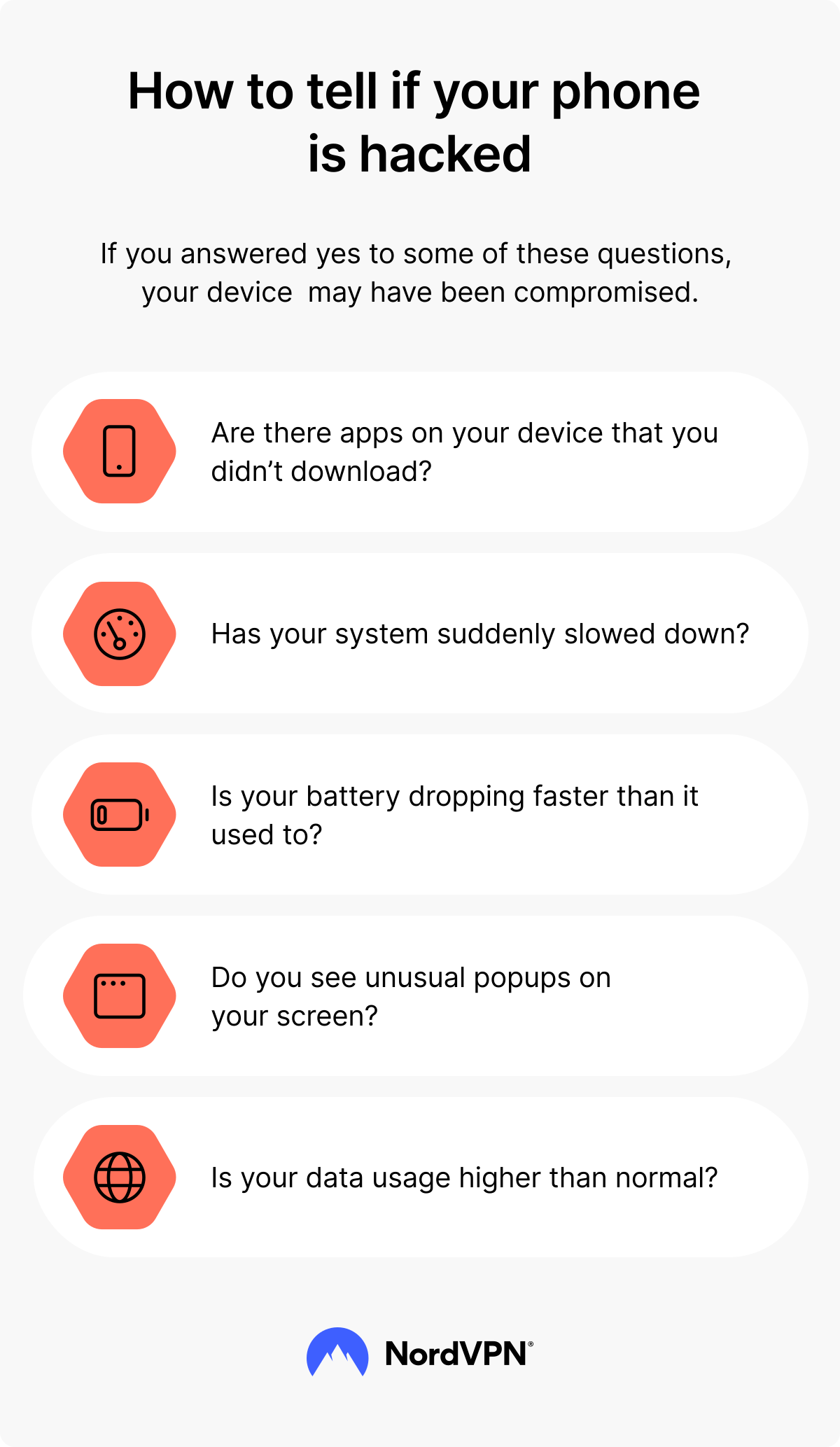
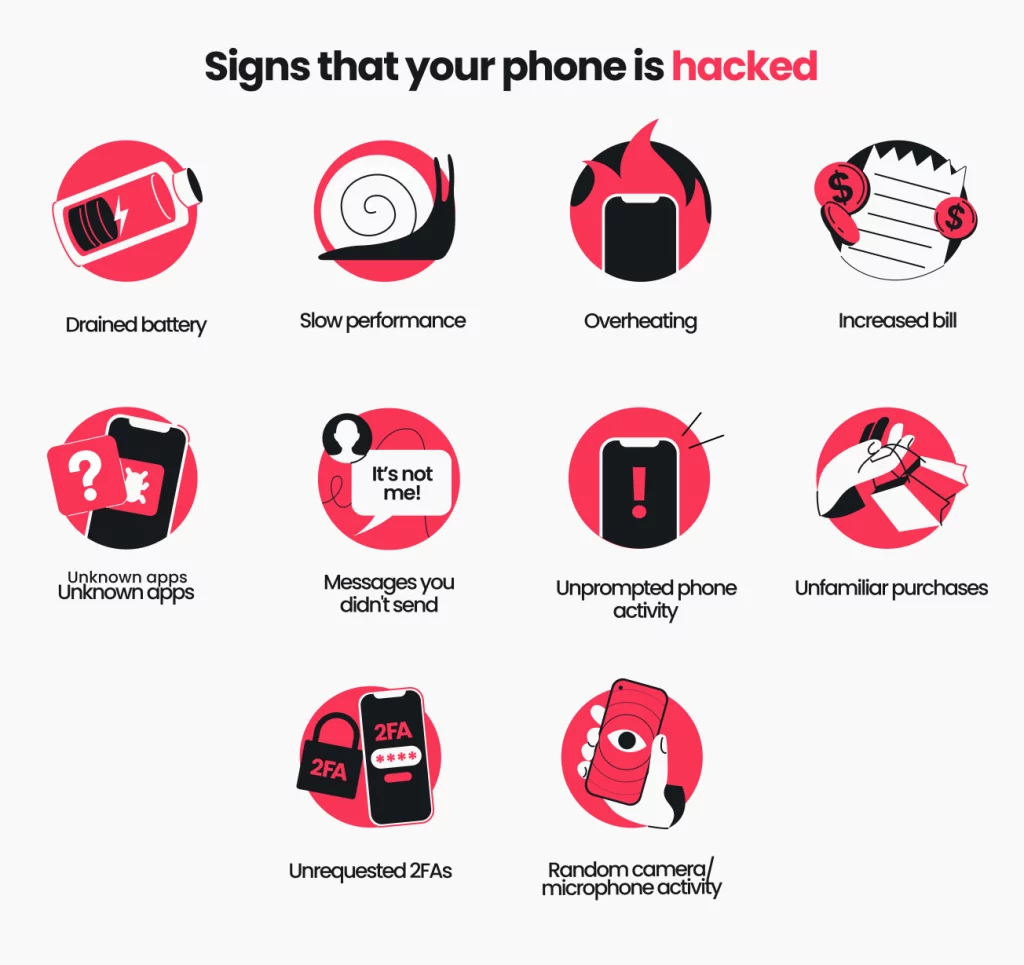
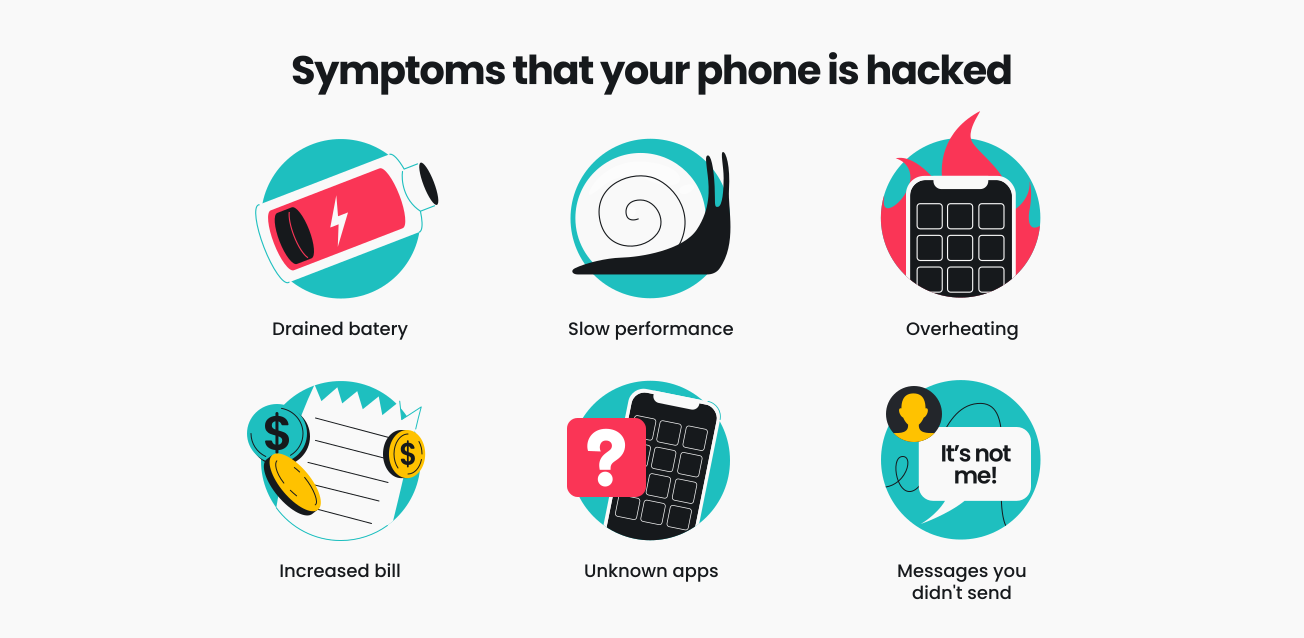
One of the most common initial indicators of a compromise is a noticeable deviation in your device’s performance or behavior. If your computer, smartphone, or tablet suddenly starts acting strangely, it’s time to investigate. This could manifest as your device running significantly slower than usual, freezing frequently, or crashing without warning. Such issues aren’t always due to old age or a lack of storage; they can be a clear sign that malicious software (malware, spyware, or a virus) is running in the background, consuming resources and executing illicit tasks. You might also notice new, unfamiliar programs or toolbars appearing in your browser or on your desktop that you don’t recall installing. Browser redirects, where you’re automatically sent to strange, unsolicited websites, or a changed homepage and search engine without your input, are classic signs of adware or browser hijackers. Even an increase in bothersome pop-up ads, especially when your browser is supposedly closed, can point to an infection. These technical anomalies are often the first tangible proof that your device’s integrity has been compromised.
Unfamiliar Account Activity
Beyond your device itself, a primary target for hackers is your online accounts. Monitoring activity across these platforms is crucial. Have you received emails or messages that appear to be from you, but you didn’t send them? This is a strong indicator that your email account or social media profile has been compromised. Services often send notifications for login attempts from new devices or unusual locations; if you’re receiving these alerts for activity that wasn’t yours, it’s a blaring alarm. Furthermore, finding posts on your social media profiles that you didn’t create, or discovering that files in your cloud storage (like Google Drive or Dropbox) have been modified, deleted, or are entirely missing, points directly to unauthorized access. These instances signal that your digital identity is being misused, potentially for spreading spam, phishing, or even to access more sensitive data linked to these accounts.
Performance Degradation
A noticeable dip in the performance of your internet connection or the battery life of your mobile devices can also be tell-tale signs of a hack. If your internet speed has inexplicably slowed down, or you’re experiencing unusual network traffic even when you’re not actively using bandwidth-intensive applications, it could mean that your device is being used as part of a botnet, mining cryptocurrency for a hacker, or exfiltrating your data in the background. Similarly, a smartphone or laptop battery draining significantly faster than usual, without a change in your usage patterns, suggests that power-hungry malicious processes are running unbeknownst to you. Mobile users should also monitor their data usage; an unexpected spike could indicate that malware is constantly communicating with external servers or sending out spam messages. These subtle performance changes are often the digital equivalent of a faint scent in the air – a warning that something is amiss.
Security Alerts and Warnings
Perhaps the most direct signs come from your own security infrastructure. If your antivirus software suddenly starts flagging new threats, quarantine warnings, or consistently reporting suspicious files, take it seriously. Ignoring these alerts can leave your system vulnerable. Firewall warnings about unauthorized outbound connections – attempts by software on your computer to communicate with external servers without your permission – are critical indicators of potentially malicious activity. Your operating system itself might also issue alerts about unauthorized changes being made to system settings or critical files. While some legitimate software installations might trigger such warnings, persistent or inexplicable alerts, particularly after you haven’t installed new programs, warrant immediate investigation. These security tools are designed to be your digital watchdogs, and when they bark, it’s imperative to listen.
Your Digital Identity Under Siege: Brand and Reputation at Risk
In today’s digital landscape, your online presence is inextricably linked to your personal and professional brand. A hacked account isn’t just a technical problem; it’s a direct assault on your reputation, trust, and potentially your career. Whether you’re an individual, a freelancer, or a corporate entity, the integrity of your digital identity is a cornerstone of your brand strategy. When hackers compromise your accounts, they don’t just steal data; they can hijack your narrative, spread misinformation, and erode the trust you’ve painstakingly built.
Social Media and Email Compromise
The most visible and often most damaging brand-related hack occurs when your social media profiles or email accounts are compromised. If friends, family, or colleagues start receiving strange, out-of-character messages from you – perhaps asking for money, offering suspicious investment opportunities, or containing malicious links – it’s a clear sign your accounts have been hijacked. The hacker is leveraging your established identity to propagate scams or malware, directly impacting your credibility. Discovering that your account passwords have been changed without your authorization, or suddenly finding yourself locked out of your own profiles, are immediate red flags. Beyond the technical inconvenience, these incidents mean your control over your own narrative is lost, potentially leading to widespread reputational damage before you can even regain access. This is particularly critical for personal branding and corporate identity, where a cohesive and trustworthy online presence is paramount for marketing and customer relations.
Unauthorized Content or Messages
The consequences extend beyond just sending spam. A hacker might post offensive, controversial, or politically charged content under your name, or even publish private information, all designed to cause maximum damage. For businesses, this could involve posting false product announcements, sharing derogatory statements about competitors, or leaking sensitive internal communications. This unauthorized content doesn’t just embarrass; it directly undermines your brand strategy, alienates your audience, and can lead to a crisis of corporate identity. The swift spread of such misinformation means that even after the account is recovered, the false narrative can persist, requiring significant effort in reputation management to mitigate the fallout. The trust placed in your brand can evaporate quickly, impacting customer loyalty, partner relationships, and overall market standing.
Reputation Damage and Misinformation
The long-term effects of a brand-related hack can be devastating. When your digital identity is exploited, it opens the door for malicious actors to spread false information about you or your company. This could range from fabricated news stories to impersonation scams, all designed to tarnish your image or extract financial gain from your unsuspecting contacts. Competitors might exploit your compromised state to gain an advantage, or bad actors might use your compromised platform to launch further attacks on others, linking you directly to illicit activities. Managing such a crisis requires a robust brand strategy that includes public relations and rapid response protocols. The financial impact here is often indirect but substantial, manifesting as lost business, decreased investment, or the sheer cost of regaining public trust and rebuilding a damaged corporate identity. Protecting your brand online is as crucial as safeguarding your financial accounts, as both are integral to your success and stability.
Financial Fallout: When Your Wallet Becomes a Target
For many, the most terrifying consequence of a hack is the direct impact on their finances. Cybercriminals are often motivated by monetary gain, making financial accounts a prime target. From direct bank transfers to credit card fraud and identity theft, the signs of financial compromise demand immediate and decisive action. Protecting your money – whether it’s personal savings, investments, or business revenue – hinges on your ability to spot these financial red flags quickly.
Unrecognized Transactions and Charges
The clearest sign of financial compromise is the appearance of unauthorized transactions on your bank statements, credit card bills, or online payment platforms (like PayPal or Venmo). Hackers often start with small, seemingly insignificant charges – testing the waters to see if the account is active and if the owner is vigilant. These ‘test’ charges can easily be overlooked amidst legitimate transactions. Over time, these can escalate to larger, more significant withdrawals or purchases. Be alert to any subscriptions you don’t recall signing up for, or unusual transfers from your investment accounts. Even if the amounts are small, they are strong indicators of a breach. Regularly reviewing your financial statements, preferably weekly, is not just good personal finance practice; it’s a critical security measure that can catch fraudulent activity before it spirals out of control, protecting your hard-earned money.
Account Lockouts and Password Changes
A more immediate and alarming sign of financial compromise occurs when you are suddenly unable to access your banking, investment, or online payment accounts. If you try to log in and your credentials are rejected, or you receive notifications of password changes that you didn’t initiate, it’s a critical emergency. This means a hacker has likely gained access to your accounts and changed the login information to lock you out, giving them unfettered access to your funds. The speed with which you act in this situation is crucial. Losing access to your financial accounts can lead to immediate and substantial financial loss, as the hacker could transfer funds, make purchases, or apply for new credit in your name before you can regain control. This directly impacts your personal finance and online income streams, posing a severe threat to your financial security.
Credit Score Dips and Identity Theft Warnings
Beyond direct financial transactions, a hack can have long-term repercussions on your financial health through identity theft. A sudden, unexplained dip in your credit score, or receiving notifications from credit monitoring services about new accounts being opened in your name (e.g., new credit cards, loans, or mortgages) that you didn’t apply for, are definitive signs of identity theft. Hackers who gain access to your personal information – such as your Social Security number, date of birth, and address – can use this data to impersonate you, accumulating debt in your name. This can lead to significant financial strain, damaged credit, and years of effort to rectify. Unexpected rejections for credit applications, even when you believe your credit is sound, could also point to fraudulent activity affecting your credit profile. Monitoring your credit report regularly and signing up for identity theft protection services are essential financial tools to safeguard against these insidious and often deeply damaging forms of cybercrime.
Proactive Defense: Bolstering Your Digital Fortifications
While recognizing the signs of a hack is vital, an even better strategy is to prevent the breach in the first place. A proactive approach to digital security involves implementing robust measures, staying informed about the latest threats, and leveraging modern technology to protect your digital assets. This isn’t just about protecting your tech; it’s about safeguarding your brand reputation and your financial well-being.
Implementing Strong Authentication and Passwords
The foundation of strong digital security lies in your passwords and authentication methods. The days of using “password123” are long gone. Every online account should have a unique, complex password – a combination of uppercase and lowercase letters, numbers, and symbols, ideally at least 12-16 characters long. Trying to remember dozens of such passwords is challenging, which is why a reputable password manager is an indispensable tool. These applications securely store your login credentials, generate strong passwords, and often integrate directly with your browser for seamless logins. Even more critical is enabling Multi-Factor Authentication (MFA) or Two-Factor Authentication (2FA) wherever possible. This adds an extra layer of security, typically requiring a code from your phone or a biometric scan in addition to your password, making it significantly harder for hackers to gain access even if they steal your password. This simple step can dramatically reduce the risk of account compromise across all your tech platforms.
Regular Software Updates and Security Scans
Outdated software is a hacker’s best friend. Software developers constantly release updates and patches that fix newly discovered security vulnerabilities. Procrastinating on these updates leaves your systems exposed. Make sure your operating system (Windows, macOS, Android, iOS), web browsers, and all applications are set to update automatically or that you manually update them as soon as patches are available. Beyond updates, a robust antivirus and anti-malware solution is non-negotiable. Invest in a reputable security suite and ensure it’s always running in the background, performing regular full system scans. These tools are designed to detect, quarantine, and remove malicious software before it can cause damage, protecting your valuable tech infrastructure. For businesses, this extends to network security, ensuring firewalls and intrusion detection systems are up-to-date and configured correctly.
Educating Yourself on Phishing and Social Engineering
The human element remains the weakest link in the security chain. No amount of technological protection can completely defend against a user tricked into handing over their credentials. Phishing, where attackers send deceptive emails or messages disguised as legitimate entities, remains one of the most common and effective hacking techniques. Educate yourself on how to recognize phishing attempts: look for suspicious sender addresses, generic greetings, urgent or threatening language, poor grammar, and unsolicited attachments or links. Always hover over links before clicking to see the actual URL. Social engineering goes beyond phishing, manipulating individuals into revealing confidential information or performing actions that compromise security. Understanding these psychological tactics – like scareware, pretexting, or baiting – can empower you to resist manipulation and protect your digital identity and financial assets. This knowledge is an essential part of a comprehensive brand and personal finance protection strategy.
Leveraging AI-Powered Security Tools
The advent of Artificial Intelligence (AI) has revolutionized cybersecurity. AI tools are increasingly powerful in detecting threats that traditional signature-based security systems might miss. AI can analyze vast amounts of data in real-time to identify anomalous patterns in network traffic, user behavior, and application activity that indicate a potential breach. For example, AI-powered endpoint detection and response (EDR) solutions can monitor every process on a device, flagging anything that deviates from normal behavior, even if it’s a zero-day exploit. AI-driven email filters are becoming incredibly effective at identifying sophisticated phishing attempts by analyzing language, context, and sender reputation. Predictive security, another AI application, can analyze global threat intelligence to anticipate future attack vectors and proactively strengthen defenses. Integrating these AI tools into your digital security architecture – whether for personal use or business operations – provides an intelligent, adaptive layer of protection, enhancing your ability to protect your tech and your money against evolving threats.
Immediate Action: What to Do When You Suspect a Breach
Detecting a hack is only the first step; your response is critical. Acting swiftly and strategically can significantly limit the damage, whether it’s preventing further financial loss, containing reputational harm to your brand, or securing your technology. Panicking is unproductive; a methodical approach is essential.
Disconnect and Isolate
The very first action you should take upon suspecting a device is compromised is to disconnect it from the internet. This means unplugging the Ethernet cable or turning off Wi-Fi on computers, and disabling Wi-Fi and mobile data on smartphones. This isolates the device, preventing the hacker from further exfiltrating data, spreading malware to other devices on your network, or continuing to operate within your system. For businesses, isolating a compromised server or workstation from the rest of the network is critical to prevent lateral movement of the attacker. This immediate containment measure is fundamental to stopping the bleeding and giving you time to assess the situation without further risk to your tech infrastructure.
Change Passwords and Notify Contacts
Once the compromised device is isolated (or ideally, from a known secure, uncompromised device), immediately change the passwords for all affected accounts. Prioritize those related to finance (banking, investments), email, and social media. Use strong, unique passwords and enable MFA. It’s also wise to change passwords for any other accounts that use similar credentials, as hackers often attempt credential stuffing attacks. If your email or social media accounts were used to send spam or malicious messages, notify your contacts. A brief, honest message explaining the situation can prevent further spread of malware or scams among your network and helps to mitigate immediate brand damage by showing transparency and taking responsibility.
Report and Document
For financial fraud, immediately contact your bank, credit card companies, and any affected financial institutions. Report the unauthorized transactions and follow their instructions to dispute charges and secure your accounts. If identity theft is suspected, contact credit bureaus (Equifax, Experian, TransUnion) to place a fraud alert or freeze your credit. Beyond financial institutions, report the incident to relevant authorities. In the United States, the FBI’s Internet Crime Complaint Center (IC3) is a primary resource. Keep meticulous records of everything: when you first noticed the signs, what actions you took, who you contacted, and any reference numbers provided. This documentation is crucial for investigations, recovery, and potential legal or insurance claims.
Seek Professional Help
Depending on the severity and complexity of the breach, especially for businesses or individuals with significant digital assets, seeking professional cybersecurity help is often advisable. Cybersecurity experts can perform a forensic analysis to determine the extent of the breach, identify the entry point, completely eradicate the threat, and implement stronger defenses to prevent future attacks. They can also assist with data recovery and compliance requirements. For individuals, if you’re overwhelmed or unsure how to proceed, a trusted IT professional can help clean your devices and secure your accounts. Investing in professional assistance ensures a thorough cleanup and peace of mind, allowing you to rebuild your digital security with confidence, protecting your tech, brand, and money for the long term.
In conclusion, living in a connected world demands perpetual vigilance. The first signs of being hacked can be subtle – a sluggish computer, an unfamiliar message, a small, unrecognized transaction. By understanding these indicators across your technology, brand, and financial domains, and by proactively fortifying your digital defenses, you equip yourself with the knowledge and tools necessary to protect your most valuable digital assets. Early detection and swift action are your strongest allies in the ongoing battle against cyber threats, ensuring the resilience of your digital life and safeguarding your future.
aViewFromTheCave is a participant in the Amazon Services LLC Associates Program, an affiliate advertising program designed to provide a means for sites to earn advertising fees by advertising and linking to Amazon.com. Amazon, the Amazon logo, AmazonSupply, and the AmazonSupply logo are trademarks of Amazon.com, Inc. or its affiliates. As an Amazon Associate we earn affiliate commissions from qualifying purchases.