
While the human body is a marvel of intricate biological processes, understanding its nuances can often feel like deciphering a complex algorithmic output. In the realm of skincare, the persistent issue of oily skin is a common concern for many, and its root cause is often attributed to a specific hormonal influence. However, the technological advancements that allow us to analyze, monitor, and even influence these biological signals are revolutionizing how we approach skin health. This article delves into the hormonal culprits behind oily skin and, more importantly, explores the sophisticated technological tools and insights that empower us to manage and understand this prevalent condition.

The Hormonal Nexus: Androgens and Sebaceous Gland Activity
At the core of oily skin lies a specific group of hormones: androgens. These are often colloquially referred to as “male hormones,” but it’s crucial to understand that they are present in both men and women, playing vital roles in various bodily functions. In the context of skin, androgens exert a significant influence on the sebaceous glands, the tiny oil-producing factories embedded within our skin.
Androgens: The Primary Drivers
Androgens, such as testosterone and dihydrotestosterone (DHT), are primarily produced by the adrenal glands and, in men, by the testes. In women, smaller amounts are produced by the ovaries and adrenal glands. These hormones bind to androgen receptors present on the surface of sebaceous gland cells. This binding acts as a signal, stimulating the glands to increase their production and secretion of sebum, the skin’s natural oil.
Testosterone and DHT: A Potent Combination
While testosterone is a direct stimulant, DHT is often considered more potent in its androgenic effects. DHT is converted from testosterone by an enzyme called 5-alpha-reductase. This enzyme is also found in the skin, meaning that even with normal testosterone levels, increased activity of 5-alpha-reductase can lead to higher DHT concentrations locally, further amplifying sebaceous gland activity.
Beyond the Basics: Other Hormonal Influences
While androgens are the primary culprits, other hormones can indirectly contribute to an oily complexion. For instance, fluctuations in insulin-like growth factor 1 (IGF-1) can also stimulate sebaceous glands. IGF-1 is influenced by diet and overall metabolic health, highlighting the interconnectedness of our internal systems. Furthermore, stress hormones like cortisol, released during periods of heightened stress, have also been linked to increased sebum production. This complex interplay underscores why a singular focus on one hormone often falls short in fully explaining the variability in skin oiliness.
Sebaceous Glands: The Oil Factories
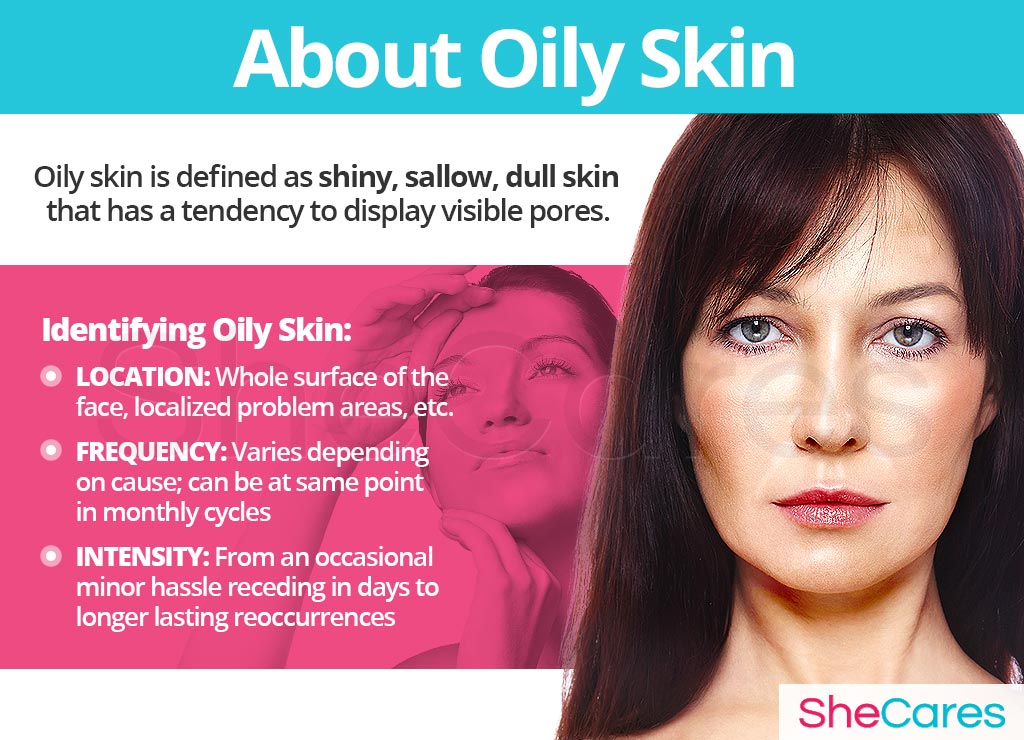
These microscopic glands are distributed throughout the skin, with higher concentrations on the face, scalp, and chest. Their primary function is to produce sebum, a lipid-rich substance that lubricates the skin and hair, providing a protective barrier and preventing excessive water loss. However, when androgenic stimulation is high, these glands can go into overdrive, leading to an overproduction of sebum, a condition known as seborrhea, which manifests as oily skin.
The Digital Lens: Technology’s Role in Understanding and Managing Oily Skin
The advent of sophisticated diagnostic and analytical technologies has transformed our ability to understand and manage conditions like oily skin. From advanced imaging techniques to AI-powered diagnostics, technology provides a powerful lens through which to view and interact with our skin’s complex biological processes.
Advanced Imaging and Analysis Tools
The days of relying solely on visual inspection for skin analysis are largely behind us, thanks to a suite of innovative technologies.
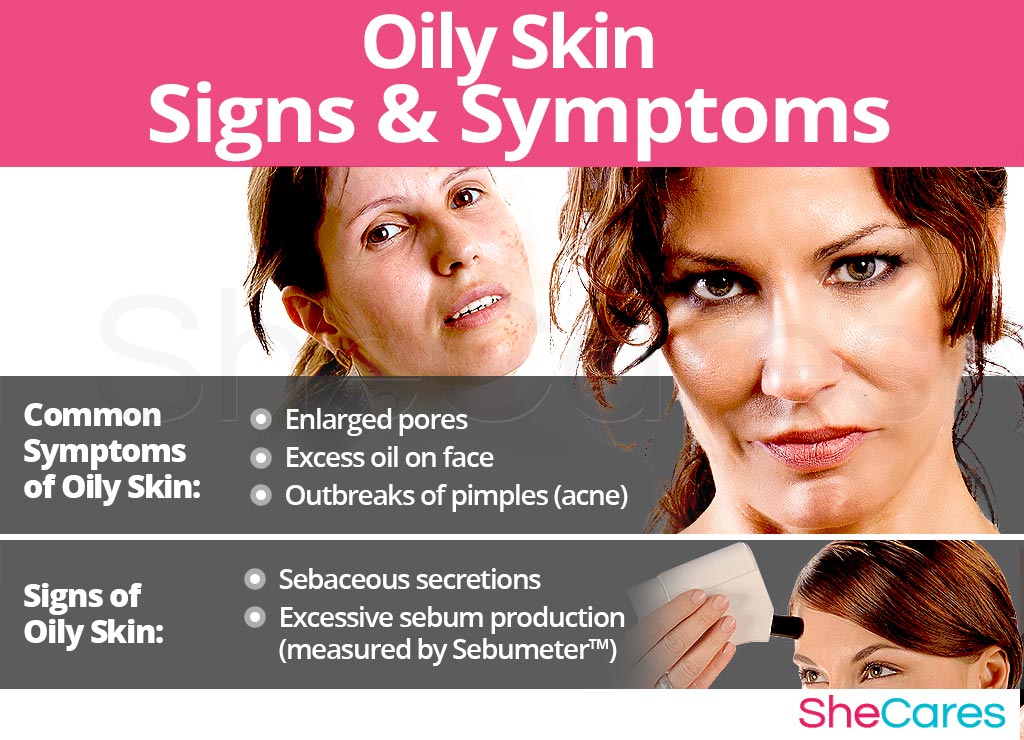
Sebumeter and Corneometer: These handheld devices, often used in clinical and research settings, provide objective measurements of skin surface lipids (sebumeter) and skin hydration (corneometer). By quantifying sebum levels, they offer precise data on the extent of oiliness, allowing for personalized treatment plans and the tracking of progress.
High-Frequency Ultrasound and Confocal Microscopy: These non-invasive imaging techniques can visualize the skin’s deeper structures, including sebaceous glands. They allow researchers and dermatologists to study the morphology and activity of these glands in real-time, gaining a deeper understanding of how hormonal signals translate into physical changes in sebum production.
Multispectral Imaging: Beyond visible light, multispectral imaging captures images across various wavelengths. This technology can detect subtle changes in skin pigmentation, inflammation, and sebum distribution that may not be apparent to the naked eye, providing a more comprehensive picture of skin health and oiliness.
Wearable Technology and Data Monitoring
The burgeoning field of wearable technology is increasingly offering insights into our physiological states, and this extends to skin health.
Smart Skincare Devices: While still evolving, some smart skincare devices are beginning to incorporate sensors that can monitor skin hydration, oiliness, and even environmental factors like UV exposure. This data can be fed into companion apps, providing users with personalized recommendations and alerts. Imagine a future where a smartwatch can detect an increase in sebum production and suggest an immediate cleansing routine or a specific product application.
Biometric Sensors: The integration of biometric sensors into wearables could potentially allow for the indirect monitoring of hormonal fluctuations. While direct hormone level detection in skin is still largely in the research phase, future advancements in biosensing technology might enable the detection of biomarkers associated with hormonal shifts, providing early warnings of potential skin imbalances.
Artificial Intelligence: Decoding Complex Biological Data
Artificial intelligence (AI) is rapidly becoming an indispensable tool in dermatology and skincare, capable of processing vast amounts of data to identify patterns and offer personalized solutions.
AI-Powered Skin Analysis and Diagnosis
Image Recognition and Machine Learning: AI algorithms, trained on extensive datasets of skin images, can now analyze photos taken by users to identify various skin concerns, including oily skin, acne, and enlarged pores. These AI-powered apps can provide a preliminary assessment, suggest potential causes, and recommend appropriate skincare regimens.
Predictive Analytics: By analyzing user data, including lifestyle habits, environmental exposure, and genetic predispositions, AI can begin to predict an individual’s susceptibility to oily skin and offer proactive strategies for prevention and management. This moves beyond reactive treatments to a more preventative and personalized approach.
Personalized Product Recommendations: AI can sift through millions of skincare product formulations and ingredients, matching them to an individual’s specific skin type and concerns. This can help consumers navigate the overwhelming beauty market and find products that are most likely to be effective for their oily skin.
Algorithmic Approaches to Treatment
Beyond analysis, AI is also being explored for its potential in developing personalized treatment algorithms.
Optimizing Treatment Protocols: By analyzing how different treatments affect sebum production and overall skin health in various individuals, AI can help dermatologists and researchers refine treatment protocols, making them more effective and targeted.
Drug Discovery and Development: AI is accelerating the process of drug discovery, including the development of new topical and oral treatments for conditions like acne and seborrhea, which are often exacerbated by oily skin. By identifying novel molecular targets and predicting drug efficacy, AI can streamline the path to innovative solutions.
The Future of Oily Skin Management: A Tech-Driven Paradigm
The journey to understanding and managing oily skin is no longer solely dependent on biological intuition. Technology has ushered in an era where data, analytics, and intelligent systems empower us with unprecedented control and insight.
Personalized Skincare Ecosystems
We are moving towards a future where skincare is not a one-size-fits-all approach but a highly personalized ecosystem. Imagine a system that continuously monitors your skin’s sebum production through wearable sensors, analyzes hormonal trends based on your activity and diet data, and then custom-formulates a serum delivered directly to your doorstep. This integrated approach, powered by AI and advanced sensing technology, will redefine how we address oily skin.
Proactive Health Monitoring and Intervention
The ability to monitor hormonal indicators and their impact on skin through non-invasive means will enable proactive interventions. Instead of waiting for the visible signs of oiliness and potential breakouts, individuals could receive early alerts and adjust their skincare or lifestyle accordingly, preventing issues before they arise.
Bridging the Gap Between Biology and Technology
The continuous innovation in biosensing, AI, and data analytics is creating a powerful bridge between our biological selves and the digital world. For conditions like oily skin, this intersection is not just about managing a cosmetic concern; it’s about leveraging technology to gain a deeper understanding of our bodies, optimize our health, and achieve a state of balanced well-being. The hormone that causes oily skin remains a biological entity, but the tools and knowledge we now possess to address it are undeniably technological marvels.
aViewFromTheCave is a participant in the Amazon Services LLC Associates Program, an affiliate advertising program designed to provide a means for sites to earn advertising fees by advertising and linking to Amazon.com. Amazon, the Amazon logo, AmazonSupply, and the AmazonSupply logo are trademarks of Amazon.com, Inc. or its affiliates. As an Amazon Associate we earn affiliate commissions from qualifying purchases.