
A blown head gasket is a significant automotive failure, often considered one of the more serious and costly repairs a vehicle owner can face. It’s a failure within the engine’s internal sealing system, specifically between the cylinder head and the engine block. This crucial seal is responsible for maintaining the integrity of several vital fluids and gases. When this seal fails, the consequences can be severe, leading to a cascade of problems that impact engine performance, longevity, and potentially cause further, more expensive damage. Understanding what a head gasket does, how it fails, and the symptoms that accompany such a failure is essential for any vehicle owner to diagnose and address the issue promptly.
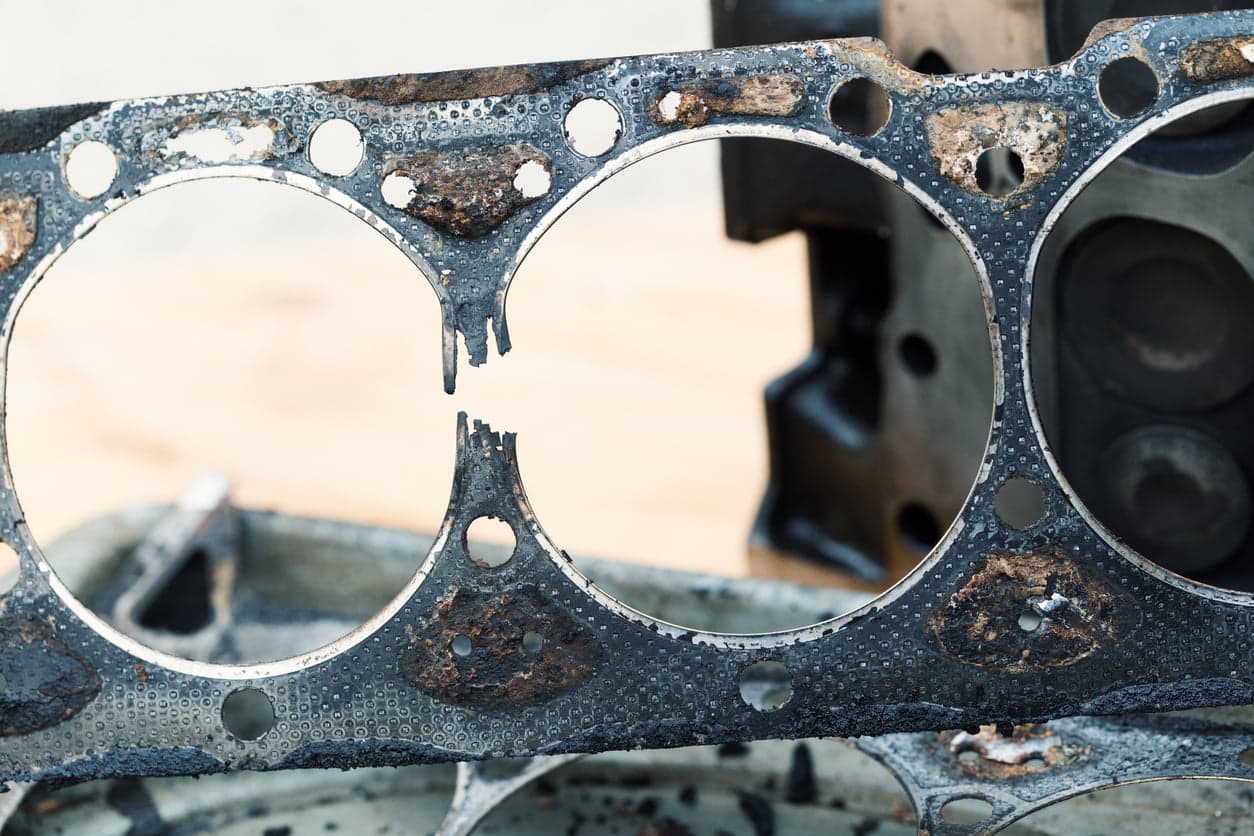
The head gasket is a multilayered gasket, typically made of steel, composite materials, or a combination thereof, designed to withstand extreme temperatures and pressures within an internal combustion engine. Its primary functions are:
- Separating Coolant and Oil Passages: The engine block and cylinder head contain intricate passages for coolant to circulate and oil to lubricate. The head gasket ensures these passages remain distinct, preventing coolant from entering the oil system and vice-versa.
- Sealing Combustion Chambers: It creates a tight seal around the cylinders, trapping the explosive force of combustion to generate power. This prevents combustion gases from escaping into the cooling or oil systems.
- Maintaining Compression: By sealing the combustion chambers effectively, the head gasket ensures optimal compression within each cylinder, which is vital for efficient engine operation and power output.
- Preventing External Leaks: It also seals the exterior of the engine, preventing the escape of oil or coolant to the outside.
When a head gasket fails, it essentially breaches these critical seals, allowing for the uncontrolled mixing of substances and the escape of vital elements. The term “blow a head gasket” is a colloquialism for this failure, and the resulting symptoms can range from subtle to catastrophic.
The Mechanics of a Blown Head Gasket: Causes and Failure Modes
A head gasket doesn’t typically fail spontaneously; it’s usually the result of underlying issues or prolonged stress. Understanding these causes helps in prevention and diagnosis.
Overheating: The Primary Culprit
The most common precursor to a blown head gasket is engine overheating. When an engine’s temperature exceeds its normal operating range, the metal components of the cylinder head and engine block can expand at different rates. This differential expansion puts immense stress on the head gasket, potentially causing it to warp, crack, or blow out in specific areas.
- Cooling System Malfunctions: A faulty thermostat that fails to open, a clogged radiator, a weak water pump, or a leaky radiator hose can all lead to insufficient coolant flow and subsequent overheating.
- Low Coolant Levels: A lack of coolant, often due to leaks elsewhere in the system, means there’s less fluid to absorb and dissipate engine heat.
- Faulty Radiator Fan: The radiator fan is crucial for cooling the engine when the vehicle is stationary or moving slowly. If it fails to engage, heat can build up rapidly.
- Head Gasket Issues Already Present: A minor, pre-existing leak in the head gasket can lead to coolant loss, which in turn contributes to overheating, creating a vicious cycle.
Other Contributing Factors
While overheating is the leading cause, other factors can also contribute to head gasket failure:
- High Combustion Pressures: Aggressive driving, performance modifications that increase boost pressure (in turbocharged or supercharged engines), or faulty engine timing can lead to excessively high combustion pressures. These pressures can overwhelm the gasket’s ability to seal.
- Engine Knock or Detonation: This occurs when the fuel-air mixture ignites prematurely or unevenly within the cylinder. The resulting shockwaves can stress and damage the head gasket.
- Age and Wear: Like any component, head gaskets have a lifespan. Over many years and miles, the gasket material can degrade, becoming brittle and less effective at sealing.
- Manufacturing Defects: Though rare, a manufacturing defect in the head gasket itself can lead to premature failure.
- Improper Installation: If a head gasket was replaced incorrectly, it might not seal properly from the outset, leading to an early failure.
Common Failure Modes
When a head gasket fails, it can manifest in several ways, each with distinct implications:
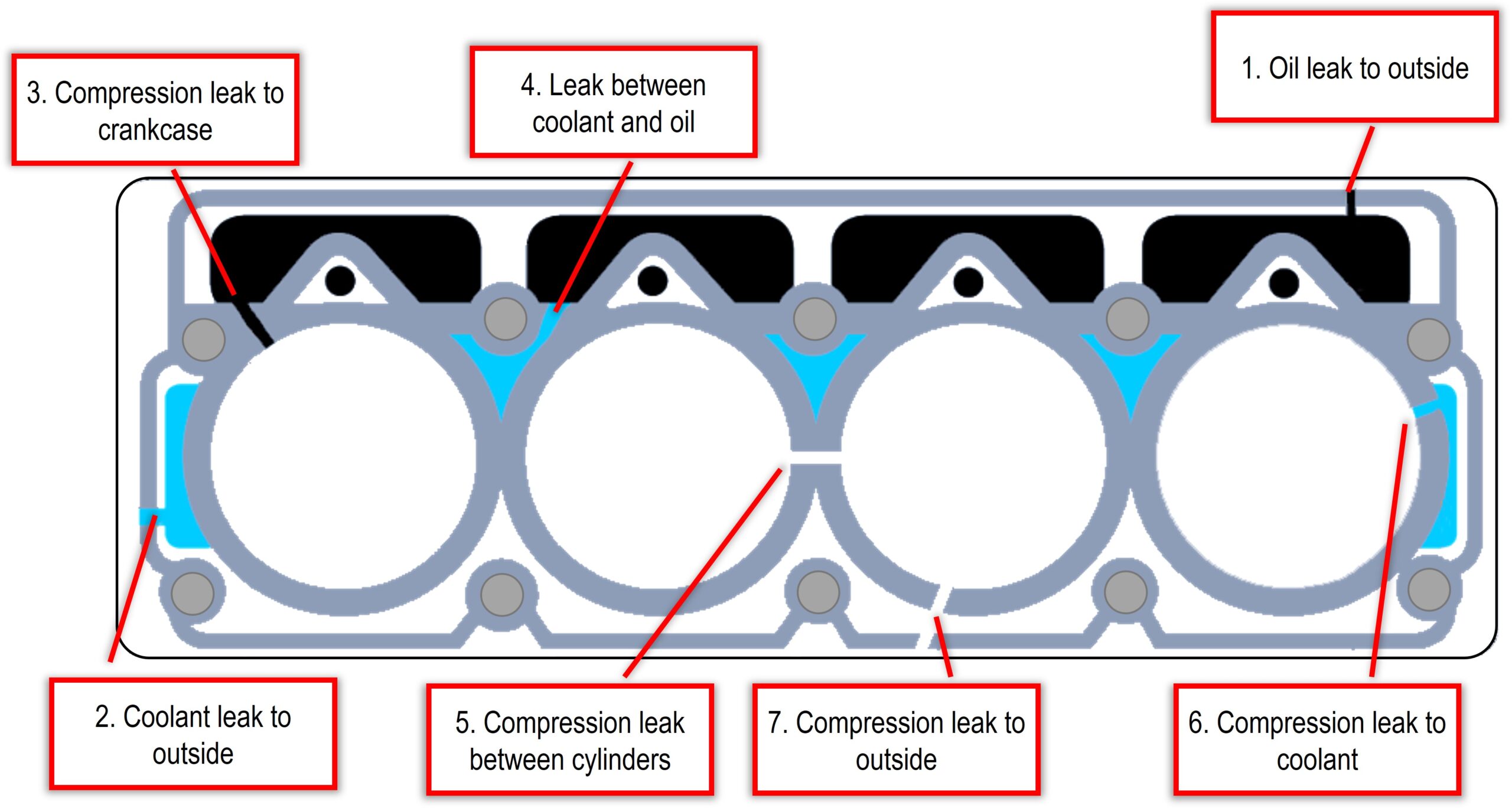
- Coolant Leak into Combustion Chamber: This is a common failure mode. Coolant seeps into the cylinder, where it is burned along with the fuel. This results in white, sweet-smelling smoke emanating from the exhaust.
- Combustion Gases Leak into Cooling System: High-pressure combustion gases can force their way into the coolant passages. This over-pressurizes the cooling system, leading to coolant being pushed out of the overflow reservoir, causing the engine to overheat. It can also create bubbles in the coolant.
- Oil Leak into Coolant: Oil can seep into the coolant passages, creating a milky, sludge-like substance that contaminates the coolant. This reduces the cooling system’s efficiency and can clog passages.
- Coolant Leak into Oil: Conversely, coolant can leak into the oil system, creating a similar milky or foamy appearance in the engine oil. This dilutes the oil, reducing its lubricating properties and potentially causing significant internal engine wear.
- External Leaks: Less commonly, the gasket can fail externally, allowing oil or coolant to leak out from between the cylinder head and the engine block.
The Telling Symptoms: Recognizing a Blown Head Gasket
The symptoms of a blown head gasket can be varied and sometimes mimic other less serious engine issues. However, a combination of these signs is a strong indicator of a head gasket failure.
Performance Degradation and Unusual Engine Behavior
- Loss of Engine Power: When combustion gases leak out of the cylinders or coolant enters them, it disrupts the combustion process, leading to a noticeable loss of power and sluggish acceleration.
- Rough Idling and Misfires: Inconsistent combustion due to coolant contamination or gas leaks can cause the engine to run rough, stumble, or misfire, especially at idle. You might feel vibrations or hear an uneven engine note.
- Engine Overheating: As mentioned earlier, this is a primary symptom. If your temperature gauge consistently reads high, or if the engine overheats rapidly even under normal driving conditions, a blown head gasket is a strong possibility.
Visual and Auditory Clues
- White Smoke from the Exhaust: This is a classic sign of coolant burning in the combustion chamber. The smoke is often described as thick and sweet-smelling due to the glycol in the coolant. This can be more noticeable on startup but may persist.
- Blue or Black Smoke from the Exhaust: While less common for head gasket failure itself, severe internal oil leaks caused by a blown head gasket can lead to burning oil, resulting in blue or black smoke.
- Milky or Foamy Engine Oil: Checking the oil dipstick or under the oil filler cap can reveal a light brown, milky, or foamy substance. This is a telltale sign of coolant mixing with the engine oil.
- Contaminated Coolant: The coolant in the overflow reservoir or radiator may appear oily, discolored, or have a sludgy appearance. Bubbles in the coolant reservoir, especially when the engine is running, can indicate combustion gases entering the system.
- Unusual Noises: A persistent hissing sound from the engine bay could indicate escaping gases. You might also hear popping or pinging noises from pre-ignition caused by overheating or improper combustion.
Other Indicators
- Loss of Coolant Without Visible Leaks: If you find yourself frequently topping up the coolant but can’t locate any external leaks, it’s highly probable that the coolant is being consumed internally, likely through a blown head gasket.
- Bubbles in the Radiator or Coolant Reservoir: With the engine running, if you observe persistent bubbling in the coolant, it suggests combustion gases are being forced into the cooling system.
- Spark Plugs Fouled with Coolant or Oil: Upon inspection, spark plugs can show signs of contamination with coolant (often a whitish residue) or oil (black, oily deposits).
The Aftermath: Consequences and Repair Considerations
A blown head gasket is not a problem to ignore. The longer it’s left untreated, the more severe and costly the subsequent damage can become.
Immediate and Potential Long-Term Damage
- Engine Internal Damage: The mixing of oil and coolant severely compromises lubrication. This can lead to accelerated wear on critical engine components like bearings, camshafts, and cylinder walls, potentially leading to catastrophic engine failure.
- Catalytic Converter Damage: The unburned fuel and coolant exiting the exhaust can foul and damage the catalytic converter, an expensive emissions control component.
- Overheating Related Damage: Continued operation of an overheating engine can warp or crack the cylinder head, damage pistons, and even damage the engine block itself, necessitating more extensive and expensive repairs, or even a complete engine replacement.
- Corrosion: The presence of contaminants in the oil and coolant can accelerate corrosion within the engine’s internal passages, further compromising their integrity.
The Repair Process: Diagnosis and Intervention
Diagnosing a blown head gasket typically involves a combination of visual inspection and specific tests:
- Cooling System Pressure Test: This test checks the integrity of the cooling system and can reveal if pressure is being lost, indicating a leak.
- Combustion Leak Detector Test (Block Tester): This inexpensive tool uses a chemical solution that changes color in the presence of combustion gases, confirming their presence in the coolant.
- Cylinder Leak-Down Test: This test involves pressurizing each cylinder with compressed air and measuring the rate at which pressure is lost. The location of escaping air can indicate the source of the leak, such as a blown head gasket.
- Engine Compression Test: Low compression in one or more cylinders can point to a gasket failure, although it can also be caused by other issues like worn piston rings or valve problems.
The Repair Itself: Replacing a head gasket is a labor-intensive and complex procedure. It involves:
- Disassembly: Draining all fluids, disconnecting numerous hoses, wires, and components, and carefully removing the cylinder head from the engine block.
- Inspection and Machining: The cylinder head and the mating surface of the engine block are meticulously cleaned and inspected for flatness. If either is warped or damaged, it will need to be machined (resurfaced) by a professional machine shop.
- Installation: A new, high-quality head gasket is installed, and the cylinder head is re-mounted and torqued to precise specifications.
- Reassembly and Refill: All disconnected components are reconnected, and the engine is refilled with fresh fluids.
The cost of head gasket replacement can vary significantly based on the vehicle’s make and model, the labor rates in your area, and whether any additional damage is discovered during the repair. It typically ranges from several hundred to well over a thousand dollars.
In conclusion, a blown head gasket is a serious mechanical failure that requires prompt attention. By understanding its functions, the common causes of failure, and the characteristic symptoms, vehicle owners can act quickly to mitigate potential further damage and ensure their vehicle’s long-term health. Ignoring the signs of a blown head gasket is a gamble that can lead to far more expensive and debilitating engine problems.
aViewFromTheCave is a participant in the Amazon Services LLC Associates Program, an affiliate advertising program designed to provide a means for sites to earn advertising fees by advertising and linking to Amazon.com. Amazon, the Amazon logo, AmazonSupply, and the AmazonSupply logo are trademarks of Amazon.com, Inc. or its affiliates. As an Amazon Associate we earn affiliate commissions from qualifying purchases.