
The intersection of ancient religious texts and cutting-edge technology has birthed a new era of scholarship known as the Digital Humanities. For centuries, the question of what the Talmud—the central text of Rabbinic Judaism—says about the death of Jesus (referred to in various manuscripts as “Yeshu”) has been a subject of intense historical and theological debate. However, the sheer volume of the Babylonian Talmud, combined with centuries of ecclesiastical censorship and the complexities of Aramaic dialects, has made comprehensive analysis a Herculean task. Today, artificial intelligence (AI), Natural Language Processing (NLP), and sophisticated data-mining tools are revolutionizing how we extract, analyze, and interpret these controversial passages.
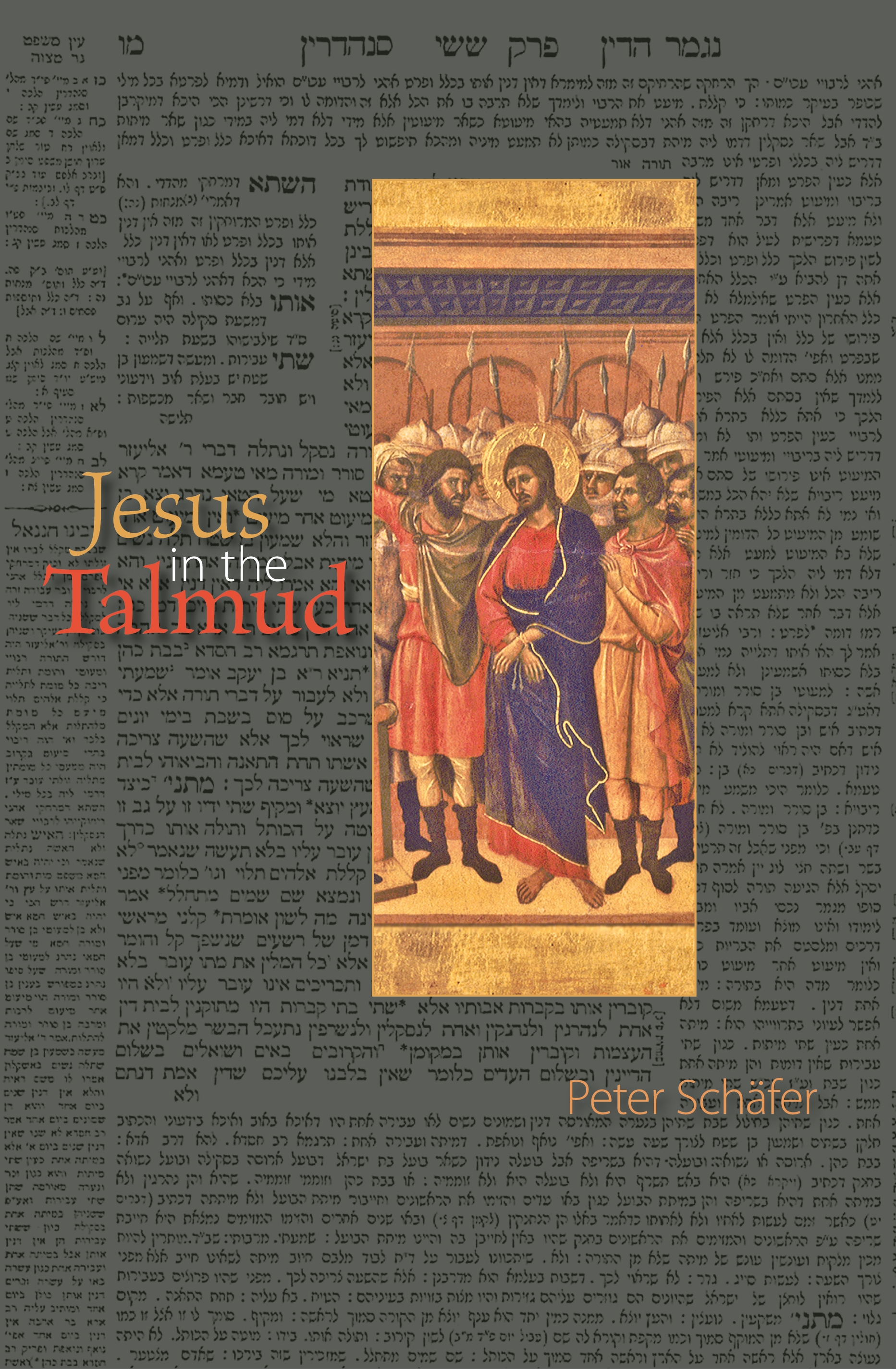
The Digital Frontier of Ancient Textual Analysis
The primary challenge in identifying what the Talmud says about Jesus’ death lies in the fragmented and often obscured nature of the text. During the Middle Ages, many passages mentioning Jesus were excised by Christian censors or self-censored by Jewish printers to avoid persecution. Modern technology is now being used to reconstruct these “missing” segments from disparate manuscripts and fragments found in locations like the Cairo Genizah.
From Parchment to Pixels: The Role of Optical Character Recognition (OCR)
To understand the Talmudic narrative through a technological lens, we must first digitize the source material. Unlike standard Latin scripts, the Hebrew and Aramaic scripts used in Talmudic folios present unique challenges for traditional Optical Character Recognition (OCR). The dense layout, lack of vowels (nikkud), and varying fonts of the Vilna Shas (the standard edition) require advanced neural network-based OCR.
Current AI tools utilize deep learning models to recognize character patterns in micro-film scans and ancient manuscripts. By converting these physical artifacts into machine-readable text, researchers can run complex queries that were previously impossible. This digitization allows software to scan thousands of pages in seconds to find variations of the name “Yeshu” and associated keywords such as “hanging,” “Stonning,” or “Sanhedrin,” which are central to the account of his execution in tractate Sanhedrin 43a.
Large Language Models (LLMs) and Rabbinic Dialects
Once the text is digitized, the next technological hurdle is linguistic. The Talmud is written in a mixture of Hebrew and Jewish Babylonian Aramaic. Standard translation software often fails to capture the nuanced legal and metaphorical language of the era. However, the development of domain-specific Large Language Models (LLMs) trained specifically on Rabbinic literature has changed the landscape.
These AI models can perform “lemmatization”—the process of grouping together the inflected forms of a word so they can be analyzed as a single item. This is crucial for identifying mentions of Jesus’ trial and death, as the text often uses coded language or indirect references to avoid detection by censors. By training AI on the vast corpus of the Responsa literature and the Tosafot (commentaries), tech-driven scholarship can now identify the semantic “fingerprints” of passages related to the death of Jesus, even when the specific name has been removed or altered.
Algorithmically Mapping the “Yeshu” Passages
The most famous—and controversial—reference to the death of Jesus in the Talmud is found in Sanhedrin 43a, which describes a “Yeshu” being executed on the eve of Passover for practicing sorcery and enticing Israel into apostasy. Using data science, scholars can now map these narratives against historical timelines and other contemporary texts to determine their origins.
Disambiguating Historical Figures through Data Science
One of the greatest debates in Talmudic scholarship is whether the “Yeshu” mentioned in various passages is the historical Jesus of Nazareth or a composite character representing several different figures. Tech tools like Named Entity Recognition (NER) are now being applied to this problem. NER algorithms can identify and categorize entities (people, places, dates) within a text.
By running NER across the entire Babylonian and Jerusalem Talmuds, researchers can create a “social graph” of the individuals mentioned in proximity to Yeshu. If the AI detects that Yeshu is consistently mentioned alongside figures from the 1st century BCE (like Joshua ben Perachiah), it provides statistical weight to the theory that the Talmudic Yeshu is not the Jesus of the New Testament. This computational approach moves the debate from subjective interpretation to data-driven probability.
Sentiment Analysis and Contextual Nuance in Polemical Texts
Understanding the tone of the Talmudic account is as important as the facts themselves. Sentiment analysis—a subfield of NLP typically used in marketing to gauge consumer mood—is being repurposed for historical research. By analyzing the “lexical environment” surrounding the account of Jesus’ death, AI can determine the polemical intent of the authors.

For instance, the use of specific legal terminology in the account of the forty-day waiting period before Yeshu’s execution can be analyzed for its “legalistic weight.” AI tools can compare this account with the standard Mishnaic requirements for capital punishment. If the sentiment analysis reveals a defensive or apologetic tone, it suggests the passage may have been written or edited in response to external pressures or specific theological challenges from the early Christian church.
Software Tools Revolutionizing Judaic Studies
The accessibility of Talmudic data is no longer restricted to those with physical access to rare libraries. A suite of open-source and proprietary software tools has democratized the study of ancient texts, allowing for a collaborative, global analysis of what the Talmud says about historical events.
Sefaria and the Open-Source Renaissance
Sefaria is perhaps the most significant technological development in this field. As an open-source digital library of Jewish texts, it provides a “Living Map” of the Talmud. The platform uses a sophisticated linking algorithm that connects every sentence in the Talmud to its biblical sources, medieval commentaries, and modern scholarship.
For someone researching the death of Jesus, Sefaria allows for instant cross-referencing. When a user navigates to Sanhedrin 43a, the software automatically displays the “Censored” versions of the text alongside the “restored” versions from the Munich Manuscript. This transparency, powered by a robust database architecture, ensures that the historical record is no longer obscured by the physical limitations of printed books.
Computational Hermeneutics: The Future of Cross-Referencing
Beyond simple search-and-find, new software is enabling “computational hermeneutics.” This involves using algorithms to find patterns in the structure of the text rather than just the words. For example, if the Talmud discusses the laws of execution in one tractate and mentions “Yeshu” in another, AI can identify the underlying structural similarities in the logic being applied.
This type of “pattern matching” is essential for understanding the Talmudic view of Jesus’ death because the Talmud is not a history book; it is a legal and ethical compendium. Software that can visualize the “legal logic” of the Sanhedrin enables researchers to see how the death of Jesus was used as a case study for the laws of the “rebellious elder” or the “beguiler,” providing a deeper insight into the Rabbinic mindset than a simple reading of the narrative would allow.
Security and Ethical Considerations in Religious Data Science
As we move toward a more tech-centric approach to religious history, we must address the security and ethical implications of using AI to interpret sensitive cultural heritage. The intersection of “Big Data” and “Big Religion” requires a framework that protects the integrity of the information.
Protecting Heritage in the Digital Age
Digital security is paramount when dealing with digitized manuscripts that are often the only surviving copies of their kind. The use of Blockchain technology is being explored to create “digital provenance” for Talmudic manuscripts. By creating an immutable record of a manuscript’s digital state, researchers can ensure that the texts being analyzed by AI have not been subtly altered or “deep-faked” to support a particular theological or political agenda. This is especially critical for controversial passages regarding Jesus, where the potential for misinformation is high.

Mitigating Bias in AI-Driven Biblical Scholarship
Every AI model is a reflection of its training data. If an LLM is trained primarily on biased translations or one-sided historical accounts, its analysis of the Talmudic view of Jesus’ death will be inherently flawed. The tech community is currently working on “algorithmic auditing” to detect and mitigate bias in religious AI models.
When analyzing what the Talmud says about Jesus, it is essential to use “Multi-Model” approaches—running the same query through different AI architectures and comparing the results. This “technological peer review” ensures that the insights generated are not just artifacts of a specific software’s bias, but are grounded in the actual linguistic and historical data of the Talmudic corpus.
In conclusion, the question of what the Talmud says about the death of Jesus is being answered with unprecedented clarity thanks to the evolution of technology. From OCR and LLMs to open-source databases like Sefaria, we are no longer limited by the physical or linguistic barriers of the past. As these tools continue to advance, the “Digital Talmud” will provide a more transparent, data-driven, and comprehensive understanding of this pivotal moment in historical and religious discourse.
aViewFromTheCave is a participant in the Amazon Services LLC Associates Program, an affiliate advertising program designed to provide a means for sites to earn advertising fees by advertising and linking to Amazon.com. Amazon, the Amazon logo, AmazonSupply, and the AmazonSupply logo are trademarks of Amazon.com, Inc. or its affiliates. As an Amazon Associate we earn affiliate commissions from qualifying purchases.