
The landscape of basketball video games is constantly evolving, with each iteration striving to refine the player experience and bring a greater sense of realism to the digital hardwood. In the realm of the NBA 2K series, particularly looking ahead to potential advancements in NBA 2K25, understanding and mastering the game’s mechanics is paramount for players seeking to elevate their performance. One such mechanic that often sparks discussion and demands a nuanced grasp is “post control.” While seemingly straightforward, the actual implementation and strategic application of post control in a game like NBA 2K25 can be remarkably complex, impacting everything from offensive efficiency to defensive integrity. This article will delve into the technical aspects of post control within the NBA 2K universe, exploring its underlying mechanics, the player inputs that govern it, and its multifaceted impact on gameplay, all from a technological and algorithmic perspective.
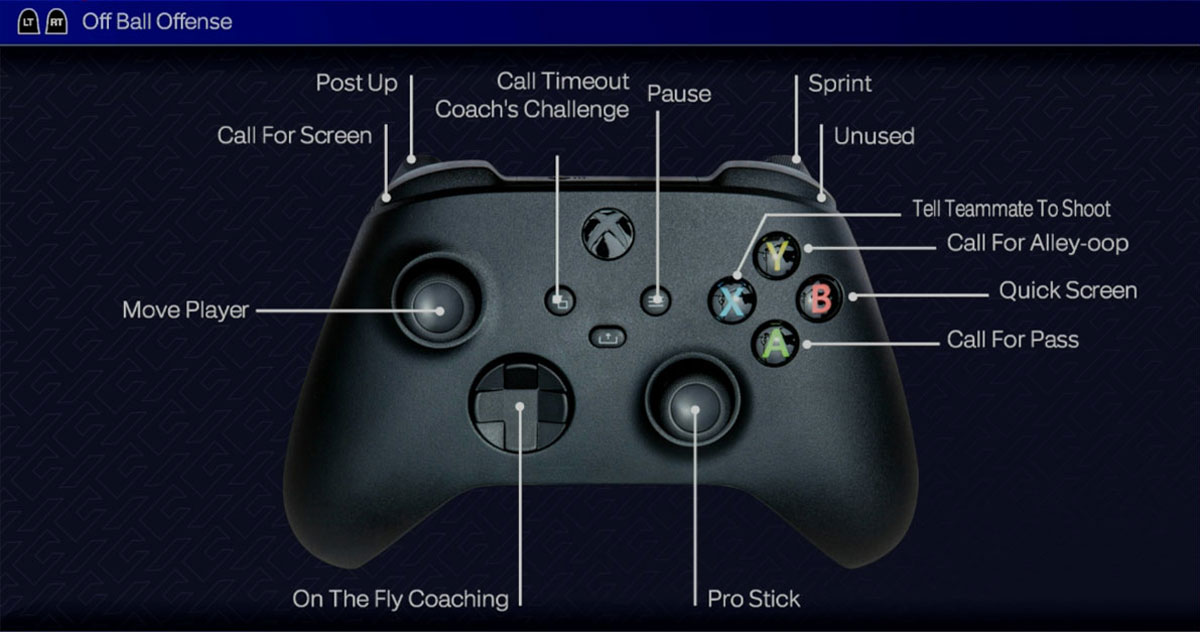
The Algorithmic Foundation of Post Control: Translating Physicality to Digital Actions
At its core, “post control” in NBA 2K25 represents the game’s sophisticated attempt to simulate the intricate physical battles that occur in the low post. This isn’t merely about button presses; it’s about a complex interplay of player attributes, animation sets, directional inputs, and contextual AI that dictates the outcome of these encounters. When a player initiates post play, whether offensively or defensively, the game’s engine begins processing a multitude of variables.
Player Attributes as the Digital DNA of Post Players
The effectiveness of post control is fundamentally tethered to the ratings of the players involved. In NBA 2K25, these ratings are not just abstract numbers; they are parameters that directly influence the probability and quality of specific animations and actions. Key attributes that directly impact post control include:
- Strength: This attribute dictates a player’s ability to hold position, push defenders off the block, and resist being moved. In the game’s code, higher strength values would translate to a greater chance of winning contested battles for space and a reduced likelihood of being easily bumped off course.
- Interior Defense: For defensive post play, this rating is crucial. It influences a player’s ability to stay in front of their man, contest shots effectively, and force turnovers. Algorithmically, it might dictate how tenaciously a defender can stick to an offensive player’s back or how effectively they can “wall up” a shot attempt.
- Post Offense/Post Defense: These are specialized ratings that directly influence the success rates of various post moves and defensive counters. Higher post offense would unlock more effective fakes, spins, and drops, while higher post defense would enhance a player’s ability to read and react to offensive intentions.
- Rebounding (Offensive and Defensive): While not exclusively a post control attribute, rebounding ratings play a significant role in the chaos that often ensues around the basket. Players with high rebounding attributes are more likely to secure offensive boards off missed post shots or defensive boards after a missed defensive stop, extending possessions.
- Ball Handle: Surprisingly, ball-handling prowess can impact post play. A player with a better handle can more effectively shield the ball from defenders while backing down or making intricate moves in the post, reducing the risk of a steal.
The Animation Engine: Bringing the Physical to Life
Beyond raw attributes, the animation engine is the visual manifestation of post control. NBA 2K25 employs a vast library of motion capture data to represent the realistic movements of basketball players. When a player initiates a post-up or a defensive stand, the game’s system selects from a range of animations based on the context:
- Backdown Animations: These are triggered when an offensive player attempts to gain ground on a defender. The system will select an animation that reflects the player’s strength and the defender’s ability to resist. A stronger offensive player might execute a powerful, decisive backdown, while a less strong player might struggle to make headway.
- Fakes and Counters: The complexity of post control lies in its deceptive nature. Offensive players can execute a myriad of fakes (e.g., pump fakes, jab steps, shoulder fakes) to bait defenders into committing. The game’s AI for defensive post control must then process these fakes and react appropriately. This involves analyzing timing, player positioning, and the defender’s own “awareness” and “reaction time” attributes.
- Shot Types and Finishes: Once an offensive player creates space, they have a variety of post-up shots they can attempt, from hook shots and fadeaways to drop steps and dunks. The game’s system determines the success probability based on the player’s shooting attributes, the defender’s proximity, and the angle of the shot. Defensive players, in turn, have animations for contesting shots, attempting steals, and drawing charges.
- Body-Up and Contest Animations: Defensively, the game simulates the physical engagement of holding position, bumping, and actively contesting shots. These animations are crucial for selling the realism of post defense, showcasing the effort involved in denying an opponent space and disrupting their offensive rhythm.
Navigating the Controls: Translating Intent into In-Game Action
The user interface and control scheme are the conduits through which players interact with the complex post control system. In NBA 2K25, mastering these inputs is as vital as understanding the underlying algorithms. The game typically employs a combination of directional inputs and button presses to execute a wide array of post maneuvers.
Offensive Post Control: Orchestrating the Attack
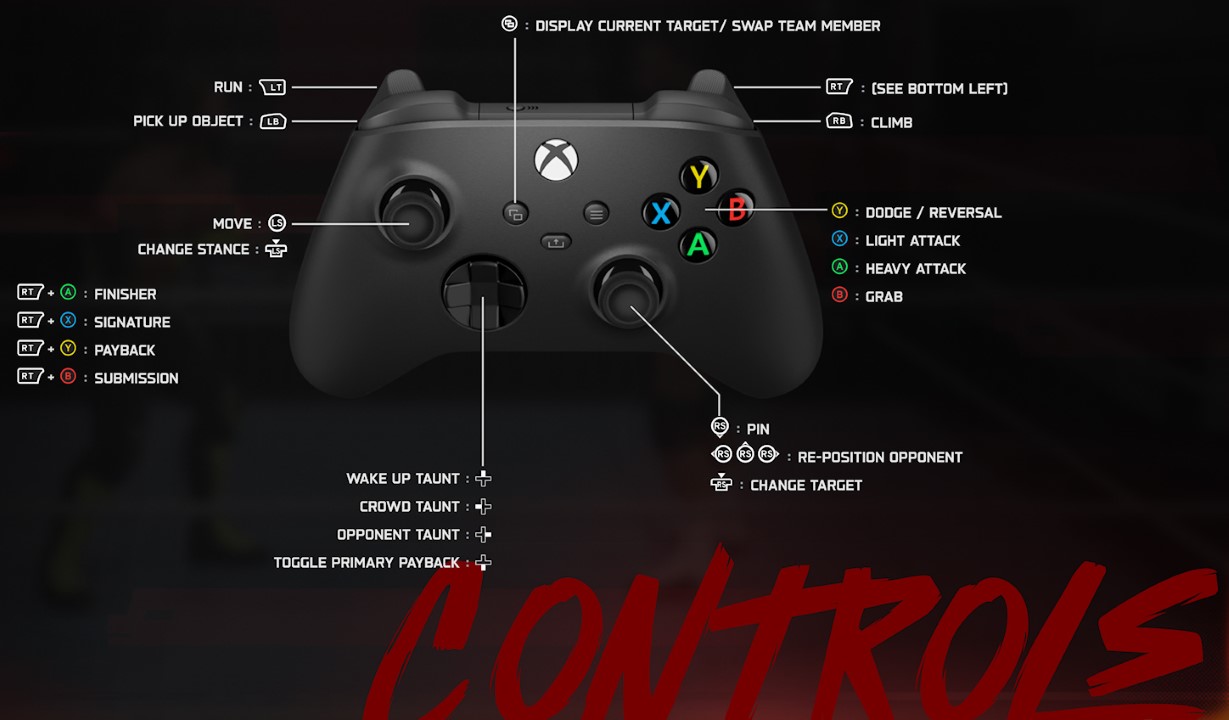
When a player establishes position in the post, a dedicated set of controls becomes available, often accessed by holding a specific trigger (e.g., L2/LT) and then employing the analog stick and face buttons.
- Directional Movement: The left analog stick is paramount for backing down opponents, pivoting, and creating space. Holding the “back down” trigger while moving the stick in a direction dictates the offensive player’s attempt to gain position. The effectiveness is, of course, modulated by player attributes and the defender’s counter-actions.
- Shot Selection and Execution: Once a player has established an advantageous position or created a sliver of separation, the face buttons become critical for initiating various shot attempts. This might include distinct buttons for hook shots, fadeaways, jump shots, or even drop-step dunks. The timing and angle of these inputs, combined with the player’s shooting ratings, determine the outcome.
- Fakes and Pump Fakes: The art of deception in the post is heavily reliant on fakes. NBA 2K25 typically allows for immediate pump fakes or more elaborate jab steps that can be chained into other actions. The timing of these inputs is crucial for baiting defenders and creating openings.
- Passes: Recognizing double-teams or open teammates is also part of offensive post play. Specific button combinations would allow players to execute passes out of the post, either to cutters or to perimeter shooters.
Defensive Post Control: Fortifying the Interior
On the defensive end, post control is about positioning, contesting, and disrupting the offensive player’s rhythm. The controls are geared towards resisting the offensive player’s advances and making their life difficult.
- Holding Position and Bodying Up: Typically, holding the “back down” trigger (or a similar defensive trigger) while stationary or moving slightly will engage a defensive stance. This simulates the player “bodying up” the offensive player, attempting to prevent them from backing down or gaining deep position.
- Stealing and Stripping: While risky, defenders can attempt to steal the ball from an offensive player in the post. This often involves a dedicated button press, and its success rate is heavily influenced by the defender’s “hands” attribute and the offensive player’s ball-handling prowess. The game will also simulate “stripping” animations if the offensive player is holding the ball loosely.
- Contesting Shots: When an offensive player attempts a shot, the defender can use specific inputs to contest the shot, increasing the difficulty for the shooter. This involves timing the contest animation with the offensive player’s shooting motion.
- Drawing Charges: A more advanced defensive maneuver, drawing a charge requires precise positioning and timing. Players will need to anticipate the offensive player’s drive and position themselves in their path, triggering a specific defensive action.
Strategic Implications and Advanced Techniques: Beyond the Button Mash
Understanding the technical underpinnings of post control is only the first step. True mastery involves integrating this knowledge into a cohesive strategic approach, utilizing advanced techniques to outmaneuver opponents and exploit weaknesses.
Offensive Strategies: Exploiting the Defensive Gaps
- The “Faux Backdown”: Instead of committing to a full backdown, players can utilize short, sharp directional inputs coupled with fakes to probe the defender’s reaction. This can create just enough space for a quick jump shot or a drive. The game’s animation system needs to seamlessly transition between these subtle movements.
- The Drop Step and Spin Combination: A classic post move that relies on precise timing. The player initiates a drop step to get closer to the basket, and then, depending on the defender’s reaction, seamlessly transitions into a spin move to create a clean look at the rim. The game’s control scheme needs to allow for fluid chaining of these animations.
- Utilizing the “Post Fadeaway”: This move is crucial for creating separation against stronger defenders. It involves backing down, then pushing off the defender while simultaneously initiating a fadeaway jump shot. The success of this technique is a direct result of the player’s “fadeaway” rating, strength, and the defensive player’s ability to recover.
- Recognizing Double-Teams and Kicking Out: A skilled post player doesn’t just look to score. They are adept at reading the defense and recognizing when a double-team is coming. This requires quick decision-making and the ability to execute a swift, accurate pass to an open teammate, often through traffic. The game’s AI must effectively trigger double-team animations and provide clear passing lanes for successful kick-outs.
Defensive Strategies: Wall of Strength and Disruption
- The “Body Up” Stall: Instead of constantly trying to steal, defenders can focus on using the “body up” mechanic to simply hold their ground, preventing the offensive player from backing them down or getting to their preferred spots. This requires patience and good use of the defensive trigger.
- Anticipating the Move and Timing the Contest: The most effective defensive post play involves reading the offensive player’s intentions. If a player sees an offensive player winding up for a hook shot, they can time their contest to disrupt the shot. This is where defensive attributes like “reaction time” and “lateral quickness” become critical.
- Forcing Turnovers Through Pressure: While risky, a well-timed steal attempt can completely shift the momentum. Defenders need to recognize opportunities where the offensive player might be vulnerable, such as when they are attempting a complex move or have lost balance.
- Drawing Charges Strategically: This defensive tactic requires anticipation and understanding of the offensive player’s driving lanes. A player can position themselves in the path of a driving offensive player and trigger the charge-drawing animation, resulting in a turnover. This is often a high-risk, high-reward play that can swing momentum.
In conclusion, “post control” in NBA 2K25, and indeed in any iteration of the NBA 2K series, is far more than a simple set of button commands. It is a technologically sophisticated system that intricately weaves together player attributes, advanced animation engines, and precise control inputs. Understanding the algorithmic foundations, mastering the control schemes, and developing strategic approaches for both offense and defense are all essential components for any player aiming to dominate the low post. As the series continues to evolve, we can anticipate even more nuanced and realistic implementations of post control, further deepening the strategic layer and demanding a higher level of technical understanding from its players.
aViewFromTheCave is a participant in the Amazon Services LLC Associates Program, an affiliate advertising program designed to provide a means for sites to earn advertising fees by advertising and linking to Amazon.com. Amazon, the Amazon logo, AmazonSupply, and the AmazonSupply logo are trademarks of Amazon.com, Inc. or its affiliates. As an Amazon Associate we earn affiliate commissions from qualifying purchases.