
Polarized lenses have become a ubiquitous feature in eyewear, from high-performance sunglasses to everyday prescription glasses. But beyond the marketing buzzwords and claims of reduced glare, what exactly does it mean for glasses to be polarized, and what are the underlying technological principles that make them so effective? Understanding polarization is key to appreciating its impact on visual clarity, comfort, and safety, particularly within the realm of optical technology. This article delves into the science behind polarized lenses, exploring their functionality, the benefits they offer, and the technological advancements that have shaped their development and widespread adoption.
The Science of Light and Polarization
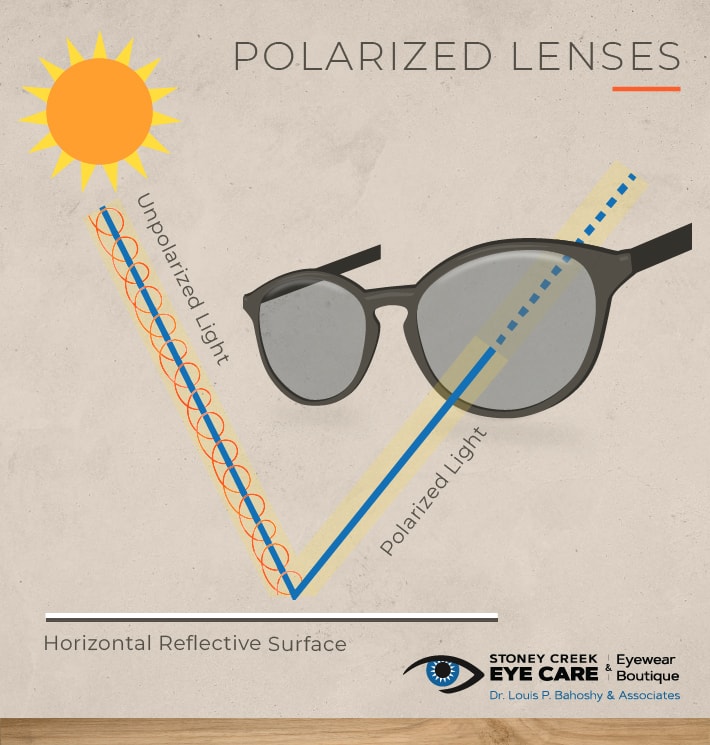
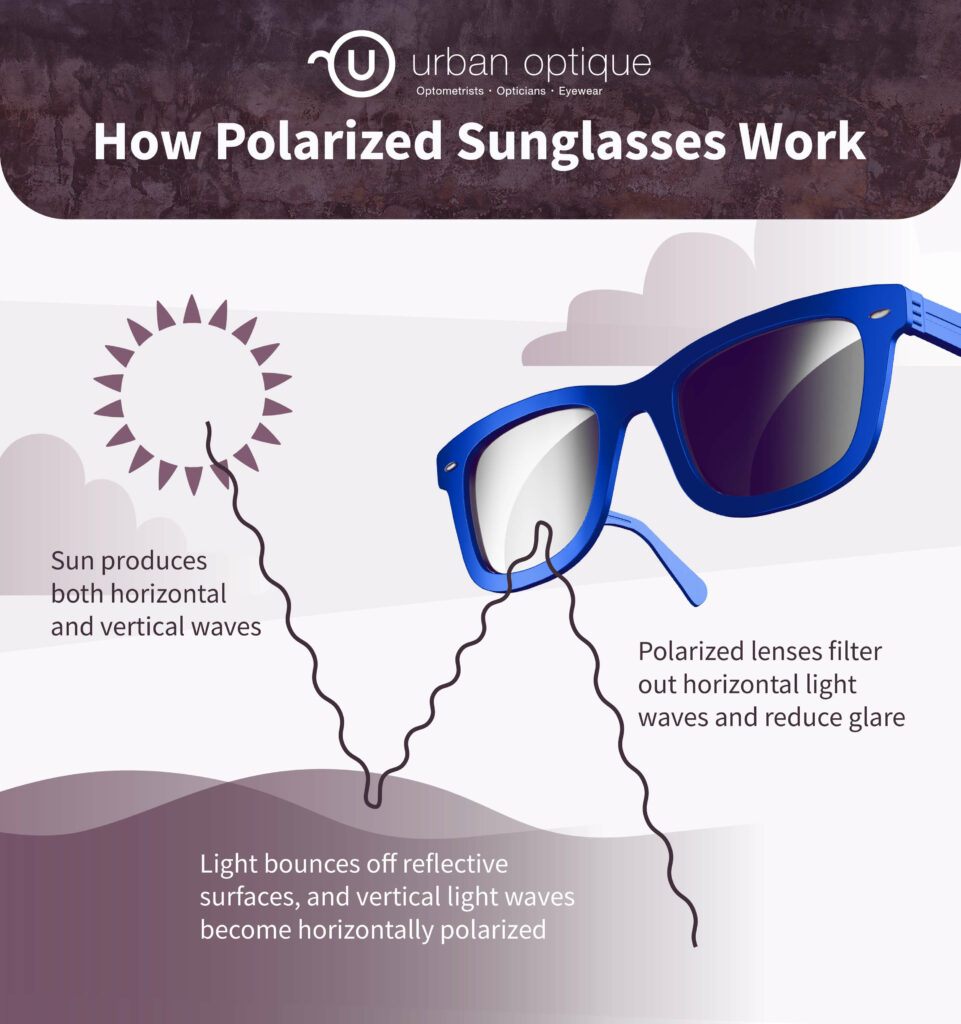
Light, in its natural state, is an electromagnetic wave that vibrates in all directions perpendicular to its direction of travel. However, when light encounters a surface, such as water, snow, or a smooth road, it can become reflected. This reflected light tends to vibrate predominantly in a single plane, a phenomenon known as glare or horizontally polarized light. This is where polarized lenses come into play, acting as a sophisticated filter to combat this overwhelming visual noise.
Understanding Electromagnetic Waves and Light Vibration
To grasp polarization, we must first understand the nature of light. Light is composed of oscillating electric and magnetic fields propagating through space. These oscillations occur in planes perpendicular to the direction the light wave is traveling. Think of it like a rope being shaken up and down, side to side, or in a circular motion – all these represent different ways the wave can move. Unpolarized light is akin to a jumble of these movements, with vibrations occurring in every possible perpendicular direction.
The Phenomenon of Glare and Horizontal Polarization
When light reflects off smooth, non-metallic surfaces, a significant portion of its vibrations aligns horizontally. This concentrated horizontal vibration is what we perceive as glare. Glare can be intensely bright, reduce contrast, and cause visual discomfort, making it difficult to see clearly. Imagine looking at the surface of a lake on a sunny day; the intense brightness and shimmering effect is primarily due to horizontally polarized reflected light. This glare can significantly impair vision, especially for activities like driving, fishing, or any outdoor pursuit where bright, reflective surfaces are present.
How Polarized Lenses Filter Light
Polarized lenses contain a special filter that is designed to block horizontally polarized light while allowing vertically polarized light to pass through. This filter, typically a thin film of vertically aligned dichroic molecules, acts like a series of parallel slits. Just as a picket fence allows a ball to pass through if rolled parallel to the fence’s slats but stops it if rolled perpendicular, the polarized filter allows light vibrating in the vertical plane to pass while blocking light vibrating in the horizontal plane. This selective filtering process is the core of how polarized lenses reduce glare. The result is a significant reduction in the intensity of reflected light, leading to a clearer, more comfortable visual experience.
The Technological Innovation Behind Polarized Lenses
The development of polarized lenses is a testament to advancements in materials science and optical engineering. From early experimental filters to modern, multi-layered lens designs, the technology has evolved to offer enhanced performance, durability, and functionality.
Early Developments and the Invention of Polarizing Films
The concept of polarization itself dates back to the 19th century with the work of scientists like Augustin-Jean Fresnel and Sir David Brewster. However, the practical application in eyewear took time. Early polarizing materials were often cumbersome and prone to degradation. The breakthrough came with the development of synthetic polarizing films in the mid-20th century. These films, often made from polyvinyl alcohol (PVA) stretched in a specific direction, allowed for the creation of thin, flexible polarizing filters that could be incorporated into lenses. Edwin H. Land, the founder of Polaroid Corporation, was a pivotal figure in this development, patenting a significant improvement to polarizing films in the 1930s that greatly enhanced their efficiency and durability. This invention paved the way for the mass production of polarized sunglasses.
Modern Lens Construction and Enhancements
Today’s polarized lenses are far more sophisticated than their predecessors. They often consist of multiple layers, each serving a specific purpose. At the core is the polarizing film, but this is typically sandwiched between other materials to provide structural integrity, impact resistance, and additional optical benefits. These layers can include:
- Polycarbonate or Trivex lens material: These impact-resistant plastics form the base of the lens, providing durability and safety.
- UV protection coatings: Polarized lenses invariably include coatings to block harmful ultraviolet (UV) rays, protecting the eyes from sun damage.
- Anti-reflective coatings: Applied to the back surface of the lens, these coatings prevent light from reflecting into the eye from the rear, further enhancing clarity.
- Hydrophobic and oleophobic coatings: These coatings repel water and oils, making the lenses easier to clean and resistant to smudges and fingerprints.
- Tinting: Various tints are applied to enhance contrast and color perception in different lighting conditions. For example, gray tints are neutral, brown and amber tints enhance contrast, and green tints can offer a balance of contrast and color fidelity.
Furthermore, advancements in manufacturing techniques allow for the precise alignment of the polarizing molecules, leading to higher levels of glare reduction and improved optical quality. Some high-end polarized lenses even incorporate variable polarization, dynamically adjusting their filtering capabilities based on the light conditions.
Differentiating True Polarization from Other Lens Technologies

It’s crucial to distinguish true polarized lenses from other lens technologies that might offer some glare reduction but lack the fundamental filtering mechanism. Non-polarized lenses, even if tinted, merely reduce the overall intensity of light without selectively blocking horizontally polarized glare. Lens technologies like photochromic lenses (which darken in sunlight) or gradient tints also have different functions and do not inherently provide the same level of glare reduction as polarized lenses.
A common and simple test to determine if lenses are truly polarized involves looking at an LCD screen (like a smartphone or computer monitor) through the lenses at a 60-degree angle. If the screen appears dark or black, the lenses are polarized. This works because LCD screens emit polarized light, and the angle at which the polarized lenses interact with this light will either block it or allow it to pass through.
The Functional Advantages of Polarized Eyewear
The primary benefit of polarized eyewear lies in its ability to significantly reduce glare, leading to a host of functional advantages that enhance visual comfort, clarity, and safety in various environments and activities.
Enhanced Visual Clarity and Reduced Eye Strain
By filtering out distracting horizontal glare, polarized lenses allow the wearer to see details more clearly. This is particularly noticeable on water, snow, and roads, where reflections can obscure important visual information. The reduction in visual “noise” also significantly decreases eye strain and fatigue, making it possible to engage in outdoor activities for longer periods without discomfort. The ability to perceive true colors without the distortion of glare also contributes to a more natural and enjoyable visual experience. For instance, a fisherman can see past the shimmering surface of the water to better spot fish, and a driver can see the road more clearly without the blinding reflections from wet asphalt or other vehicles.
Improved Contrast and Depth Perception
Polarized lenses can also improve contrast by filtering out scattered light. This allows for a greater distinction between objects and their backgrounds, leading to enhanced depth perception. This improved contrast is invaluable for sports and outdoor activities where precise judgment of distance and terrain is critical. For hikers, this means better discernment of trail obstacles; for skiers, it means a clearer view of moguls and icy patches. The world appears more vivid and three-dimensional, as subtle variations in light and shadow are brought into sharper focus.
Increased Safety in Specific Situations
The glare reduction offered by polarized lenses has direct safety implications. For drivers, it means seeing road signs, other vehicles, and the road surface more clearly, especially in challenging conditions like rain or bright sunlight. This can significantly reduce the risk of accidents. Similarly, for pilots and boaters, clear vision is paramount for navigation and hazard avoidance. The ability to see through water glare is also crucial for water sports enthusiasts and anyone working around bodies of water. For cyclists, it aids in spotting potholes and other road hazards that might otherwise be masked by reflections.
Applications and Market Evolution of Polarized Lenses
From their initial use in specialized eyewear to their widespread integration across a vast array of optical products, polarized lenses have undergone a significant market evolution, driven by technological advancements and increasing consumer awareness of their benefits.
From Sunglasses to Prescription Eyewear and Beyond
Initially, polarized lenses were primarily found in sunglasses, marketed towards outdoor enthusiasts and those seeking relief from intense glare. However, the demonstrable benefits of polarization have led to its integration into a much broader range of eyewear. Prescription sunglasses now commonly feature polarized options, allowing individuals who require corrective lenses to also benefit from glare reduction.
Furthermore, the technology is finding its way into everyday eyeglasses. For individuals who experience visual discomfort or fatigue due to ambient light or computer screen glare, polarized prescription lenses can offer a significant improvement in comfort and productivity. The development of polarized coatings for single-vision, bifocal, and progressive lenses ensures that the benefits of polarization are accessible to a wide spectrum of visual needs. Beyond corrective eyewear, specialized applications are emerging, such as polarized filters for camera lenses, smartphone screens, and even 3D cinema technologies, all leveraging the principle of selectively filtering light.
Consumer Demand and Market Trends
Consumer awareness regarding the advantages of polarized lenses has grown substantially over the past few decades. Marketing efforts by eyewear manufacturers have played a crucial role in educating the public about glare reduction and its impact on visual comfort and safety. This increased demand has fueled innovation, leading to more affordable and diverse polarized lens options. The market is no longer solely dominated by premium brands; many mainstream eyewear providers now offer polarized lenses as a standard or upgrade option. This accessibility has made the benefits of polarization available to a much wider audience.
Future Innovations and Emerging Technologies
The future of polarized lens technology is likely to see further integration with other smart eyewear features. We can anticipate advancements in dynamic polarization, where lenses automatically adjust their polarization angle based on environmental conditions or user preference. The development of lighter, more durable, and even more efficient polarizing films will continue. Integration with augmented reality (AR) displays is also a possibility, where polarized technology could play a role in managing light transmission and glare within AR eyewear. As optical technology continues to evolve, polarized lenses will undoubtedly remain a cornerstone of advanced visual solutions, offering enhanced clarity, comfort, and performance in an increasingly light-filled world.
aViewFromTheCave is a participant in the Amazon Services LLC Associates Program, an affiliate advertising program designed to provide a means for sites to earn advertising fees by advertising and linking to Amazon.com. Amazon, the Amazon logo, AmazonSupply, and the AmazonSupply logo are trademarks of Amazon.com, Inc. or its affiliates. As an Amazon Associate we earn affiliate commissions from qualifying purchases.