
In the ever-evolving landscape of fashion, understanding the nuances of sizing can feel like deciphering a secret code. Among the most frequently encountered and often misunderstood designations is “petite.” While its literal meaning is straightforward – small or delicate – in the context of jeans, “petite” signifies a specific approach to fit and proportion that goes far beyond simply being a smaller size. For brands, offering petite sizing is a strategic move to connect with a distinct customer segment, enhancing brand loyalty and expanding market reach. For consumers, it’s a gateway to achieving a more flattering and comfortable silhouette. This article delves into the multifaceted meaning of “petite” in jeans, exploring its origins, its implications for brands, and its profound impact on how we dress.
The Genesis of Petite Sizing: A Brand’s Response to Diverse Body Types
The emergence of petite sizing in the fashion industry wasn’t a spontaneous development but a calculated response to a growing recognition of diverse body types and the limitations of standard sizing. Historically, fashion brands operated with a more generalized approach to sizing, often assuming a “standard” body shape that didn’t accurately represent the reality of their customer base. This often left individuals of shorter stature struggling to find garments that fit well, leading to frustration and a sense of being underserved.
Early Brand Segments and Market Opportunity
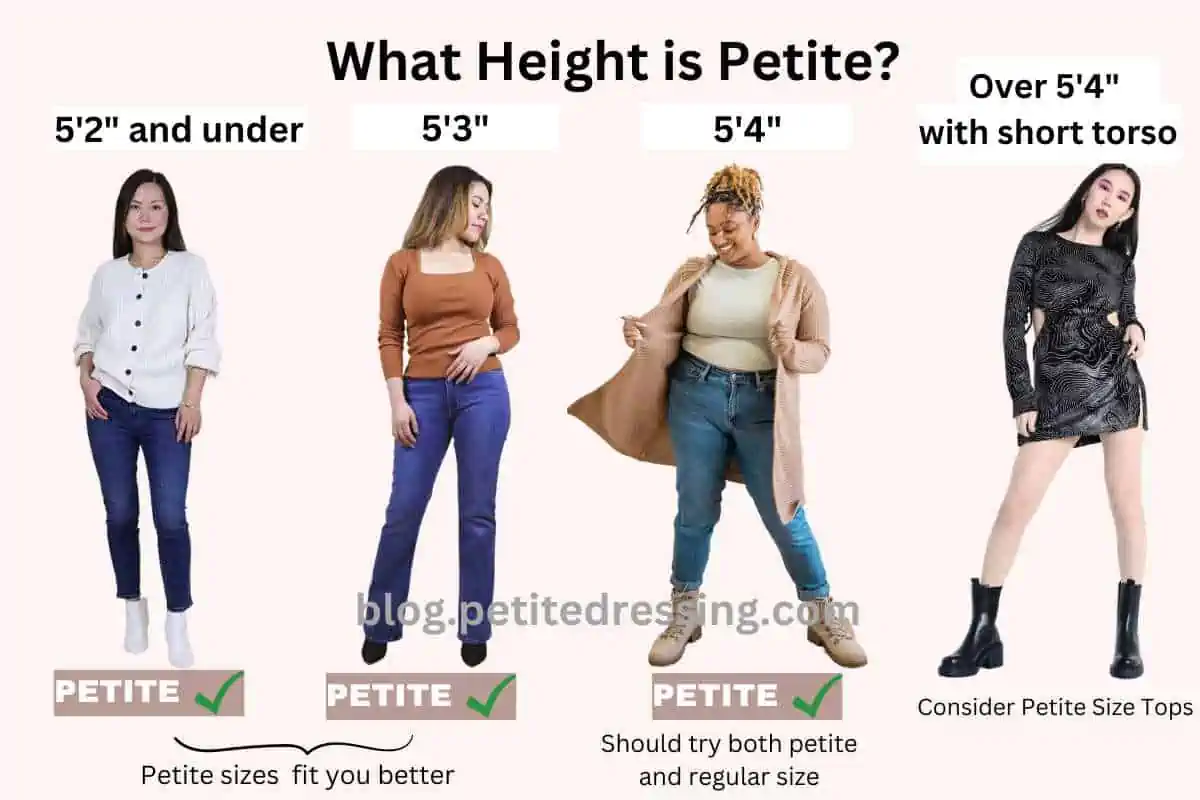
The concept of “petite” as a distinct sizing category began to gain traction in the mid-20th century. Brands, driven by a desire to capture a larger market share and improve customer satisfaction, started to identify a significant demographic that consistently faced fit issues with conventional clothing. These were individuals who were not necessarily “small” in terms of overall width but were proportionally shorter in torso length, leg length, and arm length. Recognizing this gap, pioneering brands began to develop specific patterns and designs tailored to these proportions. This was a sophisticated form of market segmentation, where the brand identified a specific need within its potential customer base and then developed a product offering to meet that need. It was an early acknowledgement that a one-size-fits-all approach to clothing design was no longer viable for brands aiming for broad appeal and customer loyalty.
The Evolution of “Petite”: Beyond Just Shorter Lengths
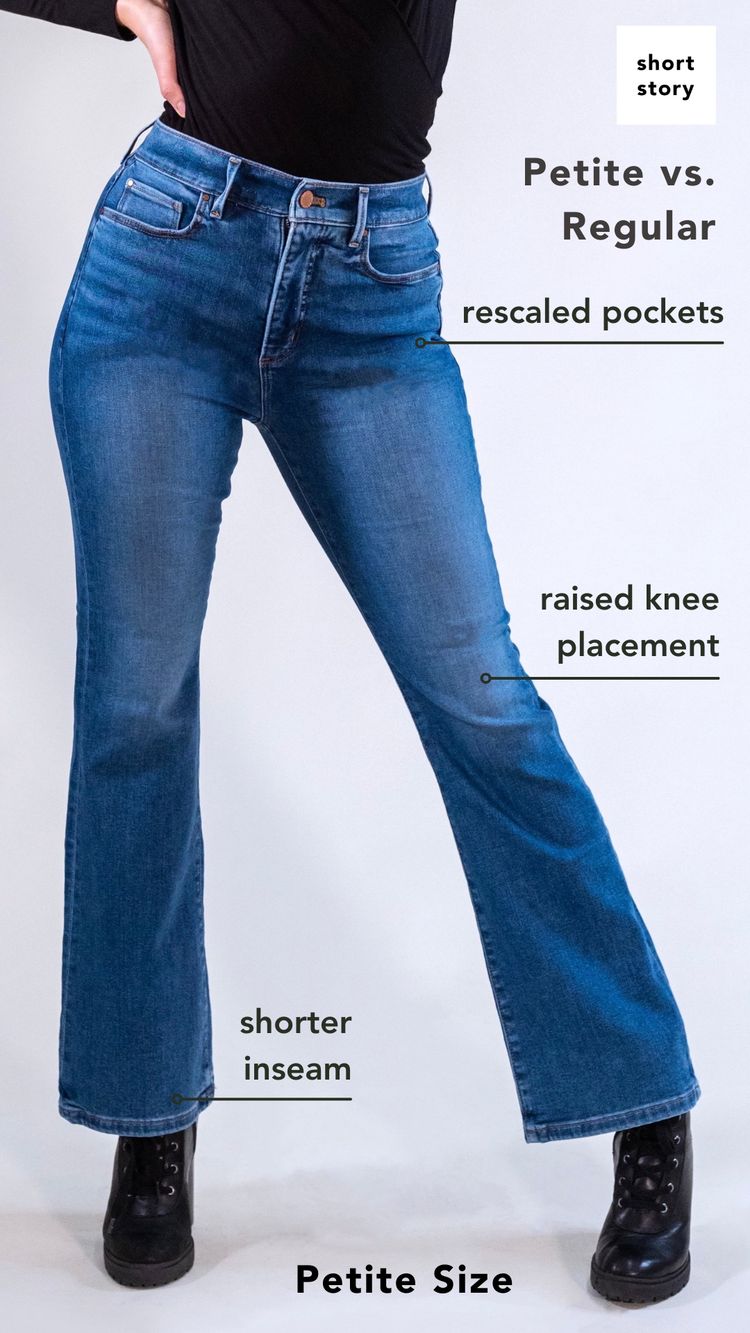
Crucially, the evolution of petite sizing has moved beyond simply shortening the inseam of standard-fit jeans. While an abbreviated length was the initial and most obvious adjustment, astute brands soon realized that true petite fit required a more comprehensive redesign of the garment. This involved considering the overall proportions of the wearer. For instance, the rise of the jeans (the distance from the crotch to the waistband) often needed to be adjusted, as did the placement of pockets, belt loops, and even the width of the waistband in relation to the rest of the garment. This meticulous attention to detail, driven by brand innovation and a deep understanding of customer needs, transformed petite sizing from a simple modification into a specialized fit category. Brands investing in this level of detail signaled a commitment to inclusivity and a dedication to providing a superior fit experience, which in turn fostered stronger brand recognition and advocacy.
Petite Jeans: A Brand’s Design Philosophy for a Specific Silhouette
When a brand designs and markets jeans as “petite,” it’s not just about offering a shorter length. It’s a deliberate design philosophy that aims to create a garment that complements and flatters a shorter frame by adjusting multiple proportional elements. This strategic approach to design allows brands to build a reputation for understanding and catering to a specific consumer need, thereby differentiating themselves in a crowded market.
Proportional Adjustments: The Heart of Petite Design
The defining characteristic of petite jeans lies in their proportional adjustments. Unlike standard sizing where the inseam is the primary variable altered for shorter lengths, petite jeans undergo a more holistic redesign. This means that the entire garment is scaled down, not just the leg length.
- Rise Adjustments: The distance from the crotch to the waistband, known as the rise, is often shorter in petite jeans. This ensures that the waistband sits comfortably and proportionally on a shorter torso, preventing the “baggy” crotch or ill-fitting waist that can occur when simply wearing a shorter version of standard-fit jeans.
- Torso and Seat Proportions: Brands also consider the length of the torso and the proportions of the seat. Petite designs aim to ensure that the back pockets are positioned at an optimal height and width to flatter a shorter frame, and that the overall curve and fit through the hip and seat are adjusted accordingly.
- Pocket Placement and Size: Even the size and placement of front pockets can be adjusted. Smaller pockets, positioned higher on the thigh, can create a more balanced visual appearance on a petite frame, preventing them from appearing too large or misplaced.
Inseam Lengths: The Visible Marker of Petite Fit
While proportional adjustments are the unsung heroes of petite fit, the shortened inseam is the most visually apparent difference. Petite inseams typically range from 25 to 29 inches, depending on the specific brand and the intended style of the jean (e.g., cropped, ankle-length, or full-length). This distinct inseam length is a clear signal to consumers that the brand has specifically designed these jeans for individuals who would otherwise find standard lengths too long and require significant alterations. The brand’s commitment to offering a variety of inseam lengths within their petite range further demonstrates their dedication to serving this demographic effectively.
Fabric Choice and Construction: Enhancing the Petite Experience
Beyond just the cut and proportions, brands that excel in petite sizing often pay close attention to fabric choice and construction. The goal is to create jeans that not only fit well but also move and feel comfortable. This might involve using slightly lighter-weight denim for petite styles, or incorporating a greater degree of stretch to accommodate a potentially different distribution of body mass on a shorter frame. The stitching, seams, and overall construction are also considered to ensure they are proportionate to the size of the garment, avoiding the appearance of being too bulky or overwhelming on a petite figure. This holistic approach to design, from the initial pattern to the final stitch, reinforces the brand’s expertise in petite apparel.
The Brand Strategy: Why Offering Petite Jeans Matters
For fashion brands, the decision to offer petite sizing is a strategic one that extends far beyond simple product diversification. It’s a powerful tool for brand building, customer acquisition, and market differentiation, ultimately contributing to increased sales and brand loyalty.
Expanding Market Reach and Customer Acquisition
By offering petite sizing, brands tap into a previously underserved market segment. This immediately expands their potential customer base. For individuals who have historically struggled to find well-fitting clothing, discovering a brand that caters to their specific needs can be a revelation. This can lead to immediate customer acquisition, turning a frustrated shopper into a loyal brand advocate. The brand’s willingness to invest in petite sizing signals an understanding of diverse customer needs, fostering a sense of inclusivity and accessibility that resonates deeply with consumers. This can be particularly impactful in an era where brands are increasingly expected to represent and serve a wide range of body types.
Enhancing Brand Loyalty and Customer Retention
When a customer finds a brand that consistently delivers on fit and style in a petite size, the likelihood of repeat purchases is exceptionally high. The convenience of not having to seek out alterations or settle for ill-fitting garments builds a strong sense of loyalty. This customer retention is invaluable for any brand. The emotional connection forged when a brand truly understands and caters to a customer’s specific needs creates a powerful bond. This loyalty often translates into positive word-of-mouth marketing, as satisfied petite customers share their discoveries with friends and family, further amplifying the brand’s reach and reputation.
Differentiating in a Competitive Market
In the highly competitive fashion industry, offering specialized sizing like petite can be a significant differentiator. While many brands may offer a broad range of sizes, those that invest in thoughtfully designed and well-executed petite collections stand out. This specialization allows brands to carve out a niche and establish themselves as experts in catering to specific body types. This can attract customers who are actively searching for brands that understand their unique fit requirements, leading to a more targeted and effective marketing strategy. The brand’s commitment to petite sizing becomes a key part of its identity and a selling point that sets it apart from competitors who may offer a more generic approach to sizing.
Driving Innovation and Design Excellence
The pursuit of perfect petite fit can also drive innovation within a brand’s design and development teams. Constantly seeking to refine patterns, explore new fabric technologies, and understand the intricate details of proportional fit pushes the boundaries of design excellence. This commitment to detail and problem-solving benefits not just the petite customer but can also lead to broader improvements in the brand’s overall product quality and fit. The challenge of creating exceptional petite garments fosters a culture of continuous improvement and a deeper understanding of apparel design, which can be a competitive advantage in the long run.
The Impact on Consumer Confidence and Style
Beyond the transactional aspects of brand strategy and market reach, the availability of well-designed petite jeans has a profound and positive impact on consumer confidence and personal style. For many, finding clothing that fits correctly is not just about aesthetics; it’s about feeling comfortable, empowered, and confident in one’s own skin.
Achieving a Flattering Silhouette
The most significant benefit of petite jeans for the wearer is the ability to achieve a flattering silhouette. When jeans are proportioned correctly, they can elongate the legs, create a balanced overall look, and enhance the wearer’s natural shape. Standard-fit jeans, even in the smallest sizes, can often be too long, too wide in the leg, or have an ill-fitting rise, leading to a visual shortening or a “swamped” appearance. Petite jeans, by contrast, are designed to fit the body’s proportions, ensuring that every element of the jean works in harmony with the wearer’s frame. This attention to detail allows petite individuals to embrace current denim trends without compromising on fit or appearance.
Reducing the Need for Alterations
A common frustration for individuals of shorter stature is the frequent need for costly and time-consuming alterations. Hemming jeans is a standard practice for many, but for petite individuals, this is often just the beginning. When the rise, pocket placement, or leg width are also inconsistent with their proportions, further adjustments may be necessary, making the overall cost and effort prohibitive. Brands that offer well-executed petite jeans significantly reduce or even eliminate this need. This convenience saves consumers time and money, allowing them to purchase ready-to-wear clothing that fits perfectly right off the rack, fostering a more positive and less stressful shopping experience.
Empowering Personal Style and Trend Adoption
The availability of correctly fitting petite jeans empowers individuals to express their personal style with confidence and to participate fully in fashion trends. When clothing fits well, it naturally enhances one’s appearance and boosts self-esteem. Petite individuals can confidently experiment with different denim styles – from skinny jeans and straight legs to wide-leg and bootcut – knowing that the proportions will be appropriate for their frame. This freedom to explore and embrace diverse styles contributes to a stronger sense of self and allows for a more authentic and enjoyable engagement with fashion. The brand’s offering of petite sizes becomes an enabler of personal expression and stylistic exploration.
aViewFromTheCave is a participant in the Amazon Services LLC Associates Program, an affiliate advertising program designed to provide a means for sites to earn advertising fees by advertising and linking to Amazon.com. Amazon, the Amazon logo, AmazonSupply, and the AmazonSupply logo are trademarks of Amazon.com, Inc. or its affiliates. As an Amazon Associate we earn affiliate commissions from qualifying purchases.