
The human stomach, a vital organ in our digestive system, plays a crucial role in breaking down food and absorbing nutrients. When issues arise with this complex organ, medical professionals often turn to advanced imaging techniques to gain a detailed understanding of its condition. Among these, Magnetic Resonance Imaging (MRI) stands out as a powerful, non-invasive tool that offers exceptional visualization of soft tissues, making it invaluable for diagnosing a wide range of gastrointestinal disorders.
While commonly associated with imaging the brain or musculoskeletal system, MRI’s capabilities extend significantly to the abdominal region, including the stomach. Unlike X-rays or CT scans, MRI utilizes strong magnetic fields and radio waves to generate highly detailed cross-sectional images, providing physicians with an unparalleled view of the stomach’s structure, function, and surrounding tissues. This article delves into what an MRI of the stomach can reveal, its applications in diagnosing various conditions, and the technological advancements that make this imaging modality so impactful.
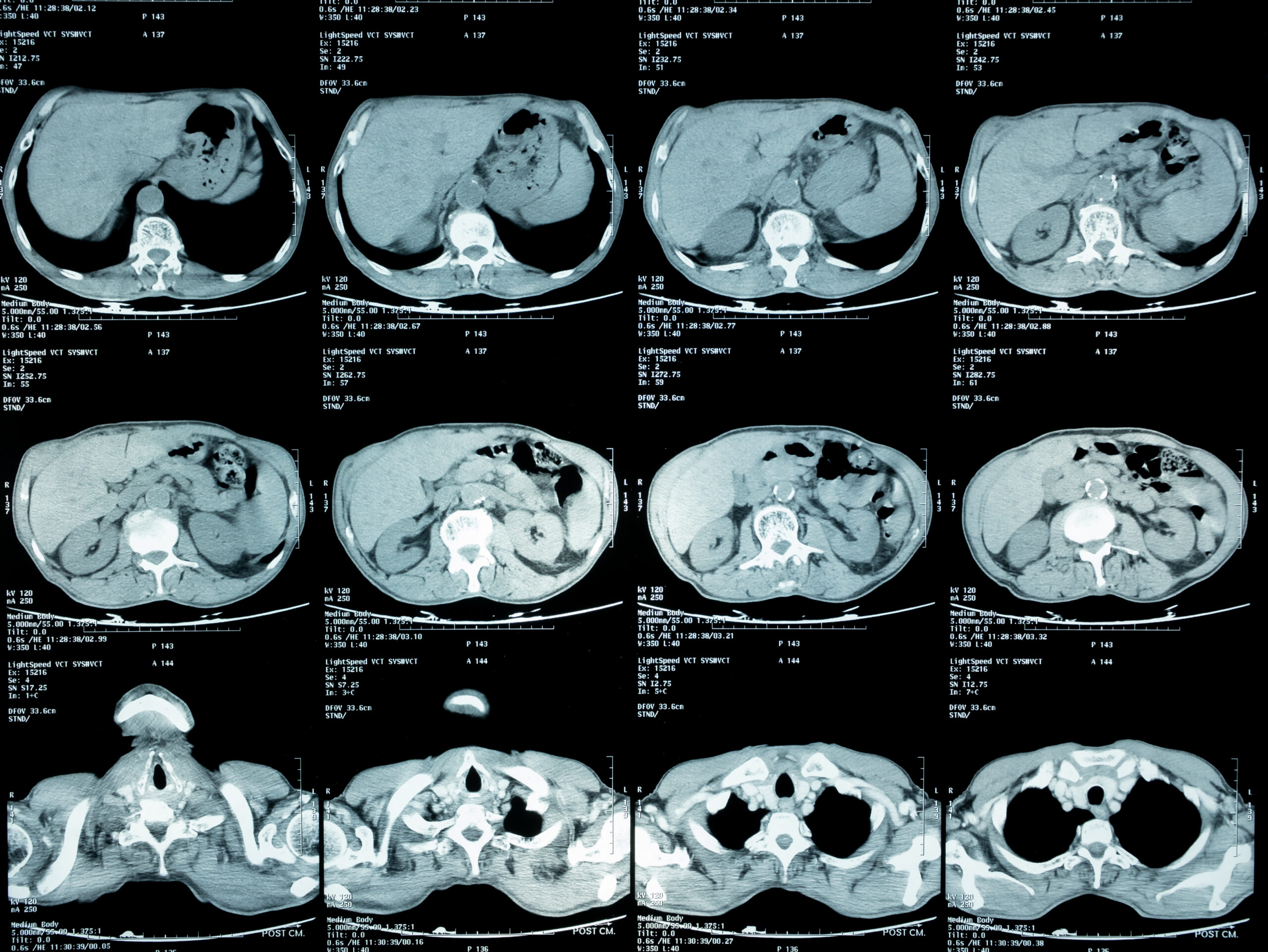
Unveiling the Stomach’s Anatomy and Physiology with MRI
MRI’s ability to differentiate between various types of soft tissues is its most significant advantage in visualizing the stomach. This allows for the identification of subtle abnormalities that might be missed by other imaging methods.
Detailed Visualization of Stomach Wall Layers
The stomach wall is composed of several distinct layers, each with a specific function. MRI can meticulously delineate these layers, including the mucosa, submucosa, muscularis propria, and serosa.
Identifying Inflammation and Edema
Inflammation within the stomach wall, a hallmark of conditions like gastritis or peptic ulcers, often manifests as thickening of specific layers and increased water content (edema). MRI is highly sensitive to these changes, allowing for the precise localization and assessment of the extent of inflammation. Contrast agents, often administered intravenously during an MRI, further enhance the visibility of inflamed tissues by highlighting areas with increased blood flow. This allows radiologists to differentiate active inflammation from chronic changes.
Detecting Tumors and Lesions
One of the most critical applications of stomach MRI is in the detection and characterization of gastric tumors. MRI can accurately determine the size, location, and depth of invasion of both benign and malignant growths within the stomach wall. It is particularly adept at distinguishing between different types of tumors, such as adenocarcinomas, leiomyomas, and lymphomas, based on their signal characteristics on various MRI sequences. Furthermore, MRI can assess whether a tumor has spread to nearby lymph nodes or other organs, which is crucial for staging cancer and planning treatment.
Assessing Stomach Motility and Function
Beyond static anatomical imaging, advanced MRI techniques can also provide insights into the dynamic functioning of the stomach.
Gastric Emptying Studies
MRI can be used to perform gastric emptying studies, which measure how quickly food leaves the stomach. This is particularly useful in diagnosing gastroparesis, a condition where the stomach empties its contents too slowly, leading to symptoms like nausea, vomiting, and early satiety. By using specialized MRI sequences that track the movement of ingested material (often a standardized meal or contrast agent), clinicians can quantify the rate of gastric emptying and identify potential blockages or motility disorders.
Evaluation of Reflux and Swallowing Mechanisms
While less common than its use for structural assessment, MRI can, in certain research settings or for complex cases, provide information about gastroesophageal reflux and swallowing mechanisms. It can visualize the movement of contents from the stomach back into the esophagus and assess the coordination of the muscles involved in swallowing, although other endoscopic or manometric techniques are typically the primary diagnostic tools for these issues.
Clinical Applications of Stomach MRI
The detailed information provided by a stomach MRI translates into its widespread use in diagnosing and managing a variety of gastrointestinal conditions.
Diagnosing Gastric Tumors and Cancers
As mentioned, the detection and characterization of gastric tumors is a primary role for stomach MRI. It plays a crucial part in the diagnostic pathway for suspected gastric cancer, aiding in:
Staging and Assessing Local Invasion
MRI’s ability to visualize the layers of the stomach wall allows for accurate staging of gastric cancer by determining the depth of tumor invasion. It can also assess the extent of the tumor’s involvement with adjacent structures like the pancreas, spleen, or blood vessels. This detailed staging information is paramount for surgical planning and determining the most effective treatment strategy, including chemotherapy, radiation therapy, or surgery.
Differentiating Benign from Malignant Lesions
While biopsy remains the gold standard for definitive diagnosis, MRI can provide strong clues to differentiate between benign conditions like large polyps or submucosal tumors (e.g., gastrointestinal stromal tumors – GISTs) and malignant cancers. The enhancement patterns and signal characteristics of lesions on MRI can help guide further investigation and management.
Investigating Inflammatory and Infectious Conditions
Beyond tumors, MRI is instrumental in understanding inflammatory processes within the stomach.
Evaluating Gastritis and Peptic Ulcers
While endoscopy is the primary method for visualizing the stomach lining, MRI can complement its findings by assessing the extent of transmural inflammation (inflammation extending through the stomach wall). It can help identify complications of peptic ulcers, such as perforation or penetration into adjacent organs, which may not be immediately apparent during an endoscopic examination.
Diagnosing Eosinophilic Gastritis and Other Inflammatory Disorders
Eosinophilic gastritis, an inflammatory condition characterized by an accumulation of eosinophils in the stomach lining, can sometimes be diagnosed or suggested by MRI findings. MRI can reveal diffuse or focal wall thickening and enhancement, prompting further investigation with biopsy. Similarly, other less common inflammatory conditions affecting the stomach can be investigated with MRI.
Assessing Congenital Abnormalities and Structural Issues
In certain cases, MRI can be used to evaluate congenital anomalies or structural problems of the stomach, particularly in pediatric patients or when other imaging modalities are inconclusive.

Identifying Congenital Obstructions or Malformations
Conditions like congenital gastric outlet obstruction or other malformations of the stomach can be visualized with MRI, providing detailed anatomical information for surgical correction. While prenatal ultrasound often detects significant abnormalities, postnatal MRI can offer further clarification.
Evaluating Post-Surgical Changes and Complications
Following gastric surgery, MRI can be used to assess the integrity of surgical anastomoses (connections between organs), identify leaks, or detect complications like abscesses or strictures. It offers a comprehensive view of the surgical site and surrounding tissues without the use of ionizing radiation.
The Technology Behind Stomach MRI: Enhancing Diagnostic Precision
The diagnostic power of stomach MRI is a direct result of sophisticated imaging technology and specialized software that process the raw data into interpretable images.
Advanced MRI Sequences and Techniques
Modern MRI scanners employ a variety of pulse sequences, each designed to highlight specific tissue characteristics.
T1-weighted, T2-weighted, and Diffusion-weighted Imaging (DWI)
T1-weighted images are good for visualizing anatomy and fat, while T2-weighted images excel at showing fluid and edema, making them crucial for detecting inflammation. Diffusion-weighted imaging (DWI) is particularly useful for detecting and characterizing tumors, as malignant cells often restrict the diffusion of water molecules.
Contrast-Enhanced MRI
The administration of intravenous contrast agents (typically gadolinium-based) significantly improves the visibility of vascularized tissues, such as tumors and areas of inflammation. The patterns of enhancement and washout of the contrast agent provide valuable information for differentiating benign from malignant lesions and assessing the extent of disease.
Role of Magnetic Fields and Radiofrequency Pulses
At its core, MRI relies on the principles of nuclear magnetic resonance.
Generating Magnetic Fields and Radiofrequency Pulses
A powerful superconducting magnet generates a strong static magnetic field that aligns the protons (primarily hydrogen nuclei) within the body’s water molecules. Radiofrequency pulses are then applied, momentarily knocking these aligned protons out of equilibrium. As the protons return to their aligned state, they emit radio signals that are detected by receiver coils. The timing and strength of these pulses, along with the magnetic gradients used, determine the characteristics of the emitted signals and, ultimately, the appearance of the image.
Signal Processing and Image Reconstruction
The raw signals detected by the MRI scanner are processed by sophisticated computer algorithms. These algorithms translate the signal intensity and spatial information into detailed cross-sectional images of the stomach and surrounding organs. Advanced reconstruction techniques, including parallel imaging and compressed sensing, allow for faster scan times and improved image quality, even in patients who have difficulty remaining still.
Preparing for and Undergoing a Stomach MRI
Understanding the process of undergoing a stomach MRI can alleviate anxiety and ensure a smoother experience.
Pre-Procedure Instructions and Considerations
Before the MRI, patients will receive specific instructions based on their medical history and the reason for the scan.
Fasting and Dietary Restrictions
Typically, patients are advised to fast for a period before the MRI, usually 4-6 hours, to ensure the stomach is empty. This helps to reduce motion artifacts caused by food and gas within the stomach and allows for better visualization of the stomach wall. In some cases, a specific liquid diet may be recommended.
Medications and Allergies
It is crucial to inform the radiologist and technologist about any medications being taken, particularly those that might interact with the MRI environment (e.g., pacemakers, certain metallic implants). Similarly, any known allergies, especially to contrast agents, must be disclosed. Patients with kidney problems may require special consideration regarding contrast agents.
The MRI Scan Experience
The MRI procedure itself is generally painless, though it can be an unusual experience for some.
Lying Still and Breath-Holding
During the scan, the patient will lie on a movable table that slides into the bore of the MRI scanner. It is essential to remain as still as possible throughout the examination to avoid blurring the images. In some sequences, the technologist may ask the patient to hold their breath for short periods, typically 10-20 seconds, to minimize motion artifacts from breathing.

Noise and Claustrophobia
MRI scanners produce loud knocking or banging noises during operation, which can be bothersome. Patients are usually provided with earplugs or headphones to help mitigate this noise. For individuals who experience claustrophobia, the confined space of the MRI bore can be a concern. Open MRI systems are available in some centers, and medication to reduce anxiety can also be prescribed if needed. The technologist will be in constant communication with the patient throughout the scan.
In conclusion, an MRI of the stomach is a sophisticated diagnostic tool that offers unparalleled insights into the anatomy, physiology, and pathology of this vital organ. Its ability to visualize subtle tissue changes, characterize lesions, and assess function makes it indispensable in the diagnosis and management of a wide spectrum of gastrointestinal diseases, from inflammatory conditions to complex cancers. As MRI technology continues to evolve, its role in providing precise and actionable diagnostic information for stomach-related ailments will undoubtedly expand, further enhancing patient care and treatment outcomes.
aViewFromTheCave is a participant in the Amazon Services LLC Associates Program, an affiliate advertising program designed to provide a means for sites to earn advertising fees by advertising and linking to Amazon.com. Amazon, the Amazon logo, AmazonSupply, and the AmazonSupply logo are trademarks of Amazon.com, Inc. or its affiliates. As an Amazon Associate we earn affiliate commissions from qualifying purchases.