
In today’s hyper-connected world, the concept of “network services” underpins almost every digital interaction we have. From browsing the web and sending an email to streaming your favorite shows and participating in complex cloud-based applications, it’s all made possible by a sophisticated web of network services. But what exactly are they, and why are they so crucial? This article will delve into the multifaceted world of network services, exploring their fundamental role in technology, their impact on branding and business, and how they contribute to the financial landscape.
The Technological Backbone: Understanding Network Services
At its core, a network service is a capability provided by a network that enables communication and data exchange between different devices and systems. Think of it as the invisible infrastructure that allows your smartphone to talk to a server across the globe, or your laptop to access shared files on your office network. These services are the building blocks of the internet and all other interconnected systems, facilitating everything from simple data transfer to complex distributed computing.

Essential Network Services for Seamless Connectivity
The vast array of network services can be broadly categorized, but some are fundamental to everyday digital life. Understanding these core services helps demystify the technology that powers our connected world.
1. Domain Name System (DNS): The Internet’s Phonebook
Imagine trying to remember the IP address (a string of numbers like 192.168.1.1) for every website you visit. It would be an impossible task! This is where DNS comes in. DNS is a hierarchical and decentralized naming system for computers, services, or any resource connected to the Internet or a private network. It translates human-readable domain names (like “google.com”) into machine-readable IP addresses. When you type a website address into your browser, your device queries a DNS server, which then provides the correct IP address, allowing your browser to connect to the web server hosting that site. Without DNS, the internet as we know it wouldn’t be navigable.
2. Dynamic Host Configuration Protocol (DHCP): Automatic IP Assignment
Once a device needs to connect to a network, it requires an IP address. Manually assigning an IP address to every device that joins a network would be incredibly tedious and prone to errors, especially in large environments. DHCP automates this process. When a device connects to a network, it broadcasts a request for an IP address. A DHCP server on the network then assigns an available IP address, along with other necessary network configuration details like subnet masks and default gateways, to that device for a specific period (a lease). This ensures that each device on the network has a unique IP address and can communicate with others.
3. Network Time Protocol (NTP): Synchronizing Clocks Across Devices
In distributed systems and complex networks, having synchronized clocks across all devices is crucial for logging, troubleshooting, and ensuring the correct order of operations. NTP is a networking protocol for clock synchronization between computer systems over packet-switched, variable-latency data networks. It allows devices to connect to highly accurate time servers and adjust their internal clocks accordingly, ensuring that timestamps are consistent across the entire network. This is vital for everything from financial transactions to scientific research and even simple log file analysis.
4. File Transfer Protocol (FTP) and Secure File Transfer Protocol (SFTP): Moving Data
FTP is a standard network protocol used for the transfer of computer files between a client and server on a computer network. It allows users to upload and download files from remote servers. While widely used, basic FTP transmits data in plain text, making it insecure for sensitive information. SFTP, which runs over SSH, provides a more secure alternative by encrypting both the authentication and data transfer. These protocols are essential for managing websites, distributing software, and sharing large datasets.
5. Hypertext Transfer Protocol (HTTP) and HTTPS: The Foundation of the Web
HTTP is the protocol that underlies data communication on the World Wide Web. It’s the foundation upon which web browsers and web servers interact. When you request a webpage, your browser sends an HTTP request to the web server, and the server responds with the requested data, typically in the form of HTML. HTTPS (HTTP Secure) is the secure version of HTTP, encrypting the communication between your browser and the web server using TLS/SSL certificates. This ensures that sensitive information, such as login credentials and credit card details, is protected from interception. The prevalence of HTTPS has become a standard for all modern websites, directly impacting digital security.
The Evolution of Network Services: From Local Networks to the Cloud
Initially, network services were primarily confined to local area networks (LANs) within organizations. However, with the advent of the internet, these services expanded exponentially, enabling global connectivity. The rise of cloud computing has further transformed network services.
Cloud-Based Network Services: Scalability and Accessibility
Cloud providers offer a wide range of network services as managed solutions, abstracting away the complexities of infrastructure management. This includes services like virtual private networks (VPNs), load balancers, content delivery networks (CDNs), and sophisticated firewalls, all accessible on demand. This allows businesses of all sizes to leverage powerful network capabilities without significant upfront investment in hardware and expertise. Cloud-based network services provide immense scalability, allowing resources to be provisioned and de-provisioned as needed, and offer greater accessibility from anywhere with an internet connection.
Network Services: Fueling Brands and Business Growth
The reliability, security, and efficiency of network services are not just technical concerns; they have a profound impact on how businesses present themselves to the world, build their brands, and ultimately achieve growth. In today’s digital-first marketplace, a strong online presence is paramount, and network services are the invisible architects of that presence.
Enhancing Brand Reputation Through Seamless Digital Experiences
A brand’s reputation is built on consistent and positive interactions with its audience. When a website is slow to load, an online application crashes, or an e-commerce transaction fails due to network issues, it directly impacts customer perception. Conversely, a fast, reliable, and secure online experience, powered by robust network services, fosters trust and loyalty.
The Role of CDNs in Brand Perception
Content Delivery Networks (CDNs) are a prime example of how network services directly influence brand perception. CDNs distribute website content across multiple geographically dispersed servers. When a user requests content, it’s served from the server closest to them, significantly reducing loading times. For a brand, this means a smoother, faster, and more enjoyable user experience, contributing to a perception of professionalism, efficiency, and customer care. Imagine a global e-commerce brand with slow international loading times – this would create a frustrating experience for a significant portion of its potential customer base, negatively impacting sales and brand image.

Security as a Brand Differentiator
In an era where data breaches are unfortunately common, robust digital security powered by network services is no longer just a technical requirement; it’s a brand differentiator. Implementing secure protocols like HTTPS, utilizing advanced firewalls, and employing intrusion detection systems signals to customers that their data is valued and protected. This builds trust and can be a significant factor in a customer’s decision-making process when choosing between competing brands. A brand that can confidently communicate its commitment to security, backed by effective network services, gains a powerful competitive advantage.
Enabling Business Operations and Innovation
Beyond customer-facing aspects, network services are critical for the internal operations and innovation capabilities of any modern business.
Facilitating Remote Work and Collaboration
The widespread adoption of remote and hybrid work models has made network services more vital than ever. Secure VPNs allow employees to access company resources from anywhere, while collaboration tools, video conferencing platforms, and cloud-based productivity suites all rely heavily on stable and high-bandwidth network connectivity. Without these services, effective remote collaboration and business continuity would be impossible.
Supporting E-commerce and Digital Transformation
For businesses engaged in e-commerce, network services are the literal storefront and supply chain. Reliable transaction processing, secure payment gateways, and scalable infrastructure to handle peak traffic are non-negotiable. Furthermore, digital transformation initiatives, which involve leveraging technology to improve business processes, often require significant network infrastructure upgrades and the implementation of new network services to support cloud adoption, IoT devices, and advanced analytics.
Leveraging Marketing and Design Through Network Infrastructure
Marketing campaigns and digital design efforts are increasingly intertwined with network capabilities. For instance, a visually rich marketing campaign requiring high-resolution imagery or video content relies on efficient data transfer to be delivered effectively across various platforms. Website design and user interface (UI) development are also heavily influenced by network performance considerations. A beautifully designed website that is slow to load due to poor network service will likely fail to convert visitors, rendering even the best design efforts ineffective. Case studies showcasing successful brand strategies often highlight how efficient digital infrastructure, supported by robust network services, played a pivotal role in their triumph.
The Financial Implications of Network Services
The impact of network services extends directly into the realm of finance, influencing personal finances, online income opportunities, and the financial health of businesses. Understanding these connections reveals how seemingly technical aspects of connectivity have tangible economic consequences.
Personal Finance and Online Income Streams
For individuals, network services are the gateway to managing personal finances and generating online income.
Online Banking and Investment Platforms
The ability to manage bank accounts, pay bills, and conduct stock trades online relies entirely on secure and reliable network services. Without these, personal finance management would revert to a much more cumbersome and time-consuming process. The accessibility offered by online banking and investment platforms, powered by robust network infrastructure, democratizes financial management and empowers individuals to take greater control of their money.
Side Hustles and the Gig Economy
The explosion of the gig economy and the proliferation of side hustles are inextricably linked to network services. Platforms for freelance work, ride-sharing, food delivery, and online tutoring all operate over the internet and depend on seamless connectivity. Individuals can leverage these network-enabled services to generate income from anywhere, transforming how people earn a living. The efficiency and reach of these platforms are a direct testament to the underlying network services.
Business Finance and Operational Efficiency
For businesses, network services play a crucial role in financial management, cost optimization, and revenue generation.
Cloud Computing and Cost Savings
The adoption of cloud-based network services can lead to significant cost savings for businesses. Instead of investing heavily in on-premises hardware and maintenance, companies can pay for network resources on a subscription or pay-as-you-go basis. This not only reduces capital expenditure but also allows for greater flexibility and scalability, ensuring that businesses only pay for what they use. Financial tools and dashboards that monitor these cloud expenditures are themselves network services, enabling effective financial oversight.
E-commerce Revenue and Network Reliability
The revenue generated by e-commerce businesses is directly proportional to the reliability of their network infrastructure. Downtime, slow loading times, or security breaches can lead to lost sales, damaged customer trust, and significant financial losses. Therefore, investing in robust network services is not just an operational necessity but a critical financial strategy for any online retailer. The ability to process transactions quickly and securely, handle high volumes of traffic during peak seasons, and maintain a consistent online presence directly impacts the bottom line.
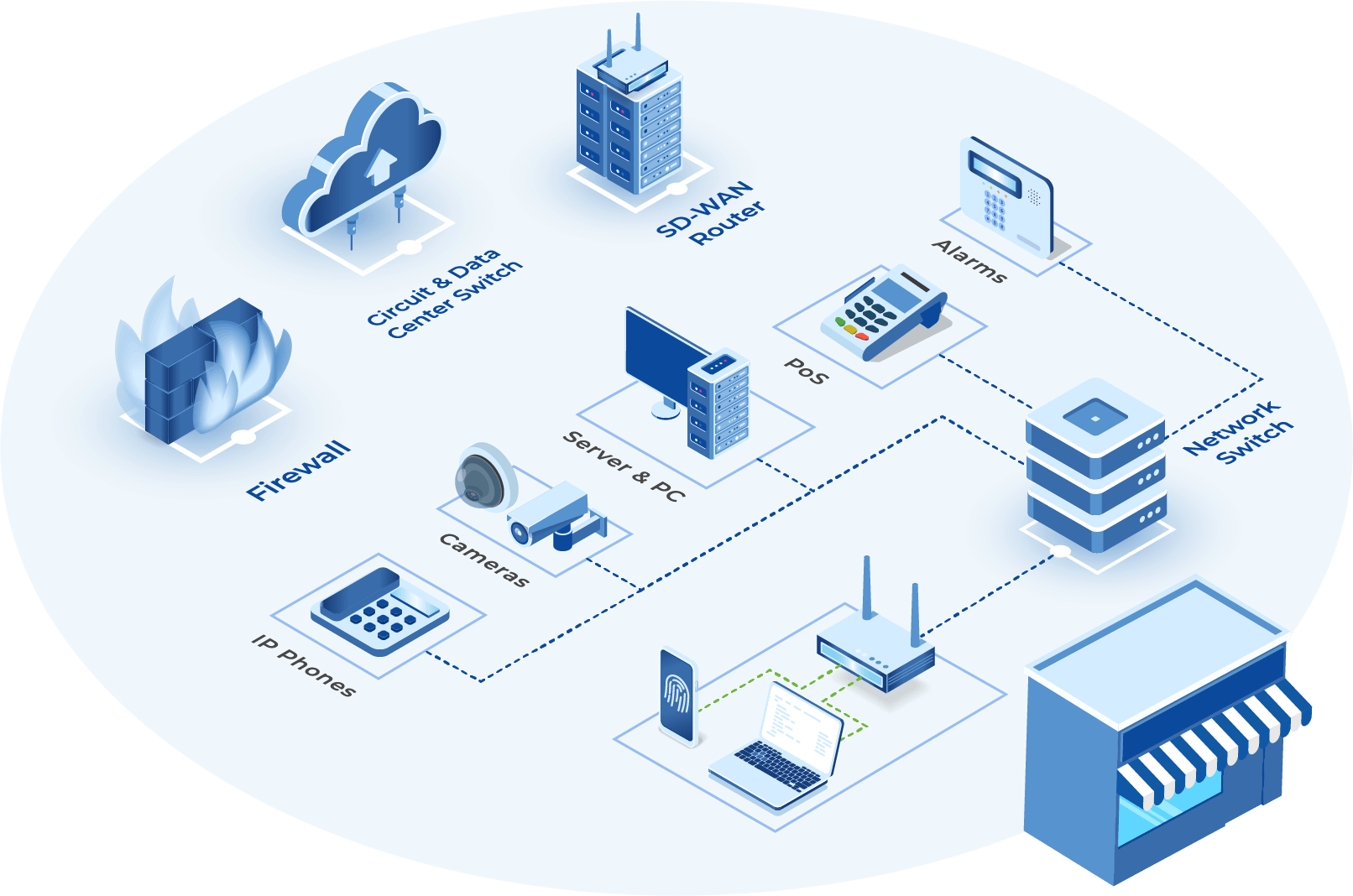
Financial Tools and Their Network Dependencies
Many advanced financial tools, from accounting software and enterprise resource planning (ERP) systems to sophisticated trading platforms and risk management solutions, are network-dependent. These tools often operate in the cloud, requiring constant connectivity to function. Their ability to provide real-time data, facilitate complex calculations, and enable seamless data sharing across an organization makes them invaluable for sound financial decision-making. The performance and security of these network services are paramount to the financial integrity of the businesses that rely on them.
In conclusion, network services are the unsung heroes of our digital age. They form the foundational layer upon which technology operates, enable brands to connect with their audiences, and underpin the financial transactions that drive both personal and global economies. As technology continues to evolve, the importance and sophistication of network services will only continue to grow, further shaping the way we live, work, and interact in an increasingly interconnected world. Understanding what these services are and how they function is essential for navigating the complexities and harnessing the opportunities of the digital landscape.
aViewFromTheCave is a participant in the Amazon Services LLC Associates Program, an affiliate advertising program designed to provide a means for sites to earn advertising fees by advertising and linking to Amazon.com. Amazon, the Amazon logo, AmazonSupply, and the AmazonSupply logo are trademarks of Amazon.com, Inc. or its affiliates. As an Amazon Associate we earn affiliate commissions from qualifying purchases.