
Lupe Fiasco, born Wasalu Muhammad Jaco, has long been a figure of fascination within the hip-hop landscape. More than just a rapper, he’s cultivated a persona as an intellectual, a social commentator, and an artist who consistently challenges conventions. The question “What happened to Lupe Fiasco?” isn’t about a sudden disappearance, but rather a probing into the shifts and evolutions of his career, his artistic output, and, crucially, his enduring brand. While some might expect a narrative of decline or a sudden change in direction, the reality is a more nuanced story of strategic redirection, a commitment to artistic integrity, and a masterful reinvention of his public image and business ventures. This article will explore the multifaceted journey of Lupe Fiasco, focusing specifically on the Brand aspects of his career, examining how he has navigated the ever-changing music industry while maintaining a distinct and impactful presence.

The Genesis of a Distinct Brand: From Underground Acclaim to Mainstream Recognition
Lupe Fiasco’s initial foray into the music industry was marked by a deliberate departure from the prevailing trends. His early work, characterized by intricate lyricism, social consciousness, and a philosophical depth, immediately set him apart. This wasn’t accidental; it was the foundation of a brand built on substance and intellectualism.
The “Food & Liquor” Blueprint: Establishing Authenticity and Lyrical Prowess
Lupe’s debut album, Food & Liquor (2006), was a watershed moment. Critically acclaimed and commercially successful, it showcased his unique ability to weave complex narratives and social commentary into accessible hip-hop anthems. The album’s title itself was a clever juxtaposition, hinting at the duality of street life and aspirational thinking. This early work established key pillars of his brand:
- Lyrical Dexterity: Lupe’s command of language, his use of metaphors, wordplay, and multi-syllabic rhymes, immediately positioned him as a lyricist’s lyricist. This wasn’t just about catchy hooks; it was about artistry and intellectual engagement.
- Social Commentary: From critiques of consumerism and corporate greed to explorations of identity and systemic injustice, Lupe’s music consistently offered a critical lens on the world. This resonated with an audience seeking more than just escapism.
- Authenticity: In an era often dominated by manufactured personas, Lupe’s genuine voice and willingness to tackle difficult subjects earned him immense respect and fostered a deep connection with his fanbase. This authenticity became a cornerstone of his brand.
Navigating the “Cool” Factor: Balancing Commercial Appeal with Artistic Integrity
The pressure to maintain commercial viability while staying true to his artistic vision has always been a defining characteristic of Lupe’s career. His willingness to challenge the status quo, even when it meant alienating some in the industry or facing delays in album releases, has been a testament to his commitment to his brand.
- The “Lupe Fiasco” Persona: Beyond his music, Lupe cultivated an image of an introspective, thoughtful artist. His interviews, public appearances, and social media presence reinforced this image, presenting him as someone with something meaningful to say. This consistent portrayal solidified his personal brand.
- Early Industry Friction: Lupe was vocal about his frustrations with his record label, Atlantic Records, particularly regarding creative control and the release schedule of his albums. These public disagreements, while potentially damaging, also served to underscore his dedication to his artistic vision, further strengthening his brand as an artist who wouldn’t compromise his integrity for commercial gain. This period, while challenging, became a narrative element of his brand – the artist battling the machine.
Strategic Pivots and Brand Reinvention: Beyond the Microphone
As Lupe Fiasco matured as an artist and a businessman, he began to strategically diversify his brand beyond the confines of traditional music releases. This wasn’t a sign of “what happened to him” in a negative sense, but rather a proactive and intelligent expansion of his influence and income streams.
The Entrepreneurial Spirit: Building Businesses Aligned with Core Values
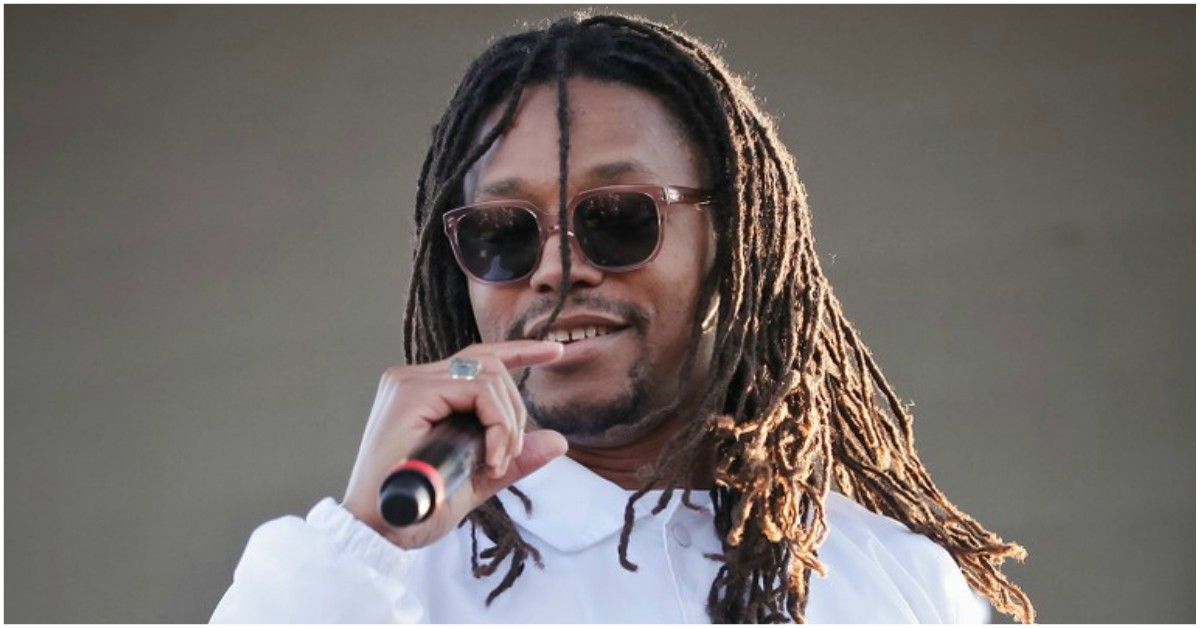
Recognizing the limitations and volatile nature of the music industry, Lupe strategically branched out into entrepreneurial ventures that mirrored his values and interests. This demonstrated a keen understanding of personal branding and market diversification.
- Twenty-Four Hour Service (24 HRS): This clothing line was more than just apparel; it was an extension of his aesthetic and philosophy. The designs often carried subtle messages, reflecting his lyrical themes and providing a tangible way for fans to connect with his brand.
- The Lupe Fiasco Foundation: This philanthropic arm of his brand allowed him to engage with social causes he cared about, further solidifying his image as an artist with a commitment to positive change. It demonstrated that his brand was about more than just entertainment; it was about impact.
- Strategic Partnerships and Collaborations: Lupe has been selective in his collaborations, choosing projects that align with his artistic sensibilities and brand values. This has included working with other artists, brands, and even in the realm of gaming and technology, demonstrating an adaptability that is crucial for long-term brand relevance.
The “The Cool” Narrative: A Conscious Shift in Focus and Artistic Output
The title “What happened to Lupe Fiasco?” sometimes stems from a perception that his output changed or became less prolific. However, a closer examination reveals a conscious shift in his artistic focus and a deliberate effort to move away from the relentless cycle of album releases, opting for a more curated and impactful approach.
- “The Cool” as a Metaphor for Longevity: Lupe himself has spoken about a desire to create “the cool,” a state of enduring relevance and artistic fulfillment. This is a brand strategy in itself – prioritizing quality and impact over sheer quantity.
- The Decision to “Retire” from Rap: Lupe’s pronouncements about retiring from rap have been a recurring theme. Rather than a literal cessation of artistic creation, these statements often signal a desire to transcend the traditional rap paradigm and explore new creative avenues. This has been a masterful way to control the narrative around his career, keeping his audience engaged and curious.
- The “Mural” Project and Artistic Evolution: His ambitious “Mural” project, a concept album intended to be a single, unbroken track, exemplifies this shift. It’s an artistic statement that pushes boundaries and demonstrates a commitment to innovation, reinforcing his brand as an artist who is constantly evolving. This project was less about appealing to mass market trends and more about artistic exploration, a key characteristic of his brand.
The Enduring Influence: Lupe Fiasco’s Brand as a Blueprint for Artistic Longevity
Lupe Fiasco’s career trajectory offers a compelling case study in how an artist can maintain relevance and influence in a rapidly evolving industry by prioritizing substance, strategic diversification, and a commitment to authentic self-expression. His brand is not static; it’s a dynamic entity that has adapted and thrived.
Redefining Success in the Digital Age: Navigating Streaming and Direct-to-Fan Models
The advent of digital music and streaming platforms has fundamentally altered the music industry. Lupe Fiasco’s approach to these changes demonstrates a sophisticated understanding of how to leverage new technologies to maintain his brand’s reach and connection with his audience.
- Embracing Direct-to-Fan Communication: Lupe has been adept at using social media and other digital platforms to communicate directly with his fans, bypassing traditional gatekeepers and fostering a sense of community. This direct engagement is crucial for maintaining brand loyalty.
- Leveraging Niche Appeal: While not always topping mainstream charts, Lupe has cultivated a dedicated and engaged fanbase that appreciates his unique artistic vision. His brand thrives on this niche appeal, demonstrating that success isn’t solely defined by mass market appeal.
- The “Independent” Spirit: Despite past label dealings, Lupe often embodies an independent spirit, controlling his narrative and release strategies. This self-determination is a powerful element of his brand, appealing to a modern audience that values authenticity and artist autonomy.
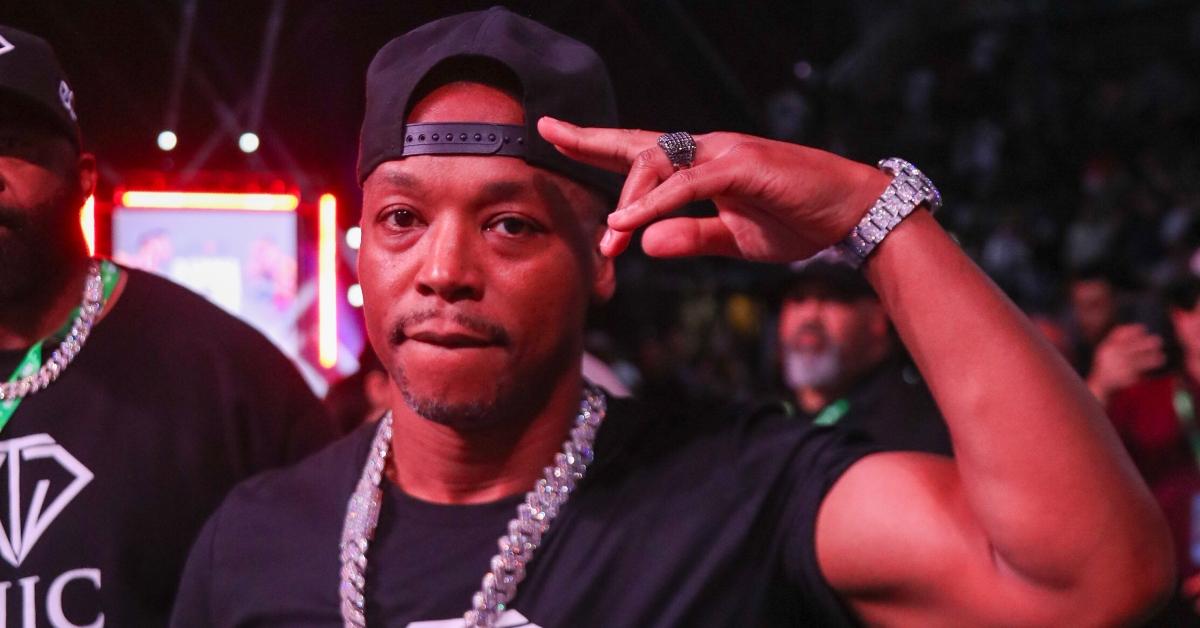
The Legacy of the Intellectual MC: Inspiring a New Generation of Artists
Lupe Fiasco’s impact extends far beyond his own discography. He has inspired a generation of artists to embrace lyrical complexity, social consciousness, and a more thoughtful approach to music creation. His brand has become synonymous with artistic integrity and intellectual engagement.
- A Beacon for Lyrical Purity: In a landscape that sometimes prioritizes ephemeral trends, Lupe remains a beacon for those who value lyrical prowess and meaningful storytelling. His influence can be seen in the works of many contemporary artists who strive for similar depth.
- Championing Artistic Control: His persistent advocacy for artistic control and fair treatment within the music industry has had a ripple effect, encouraging other artists to assert their rights and define their own career paths. This advocacy is an integral part of his brand as a principled artist.
- Beyond Music: A Cultural Influencer: Lupe Fiasco has transcended the role of a musician to become a cultural influencer. His insights on a range of topics, from social justice to technology, demonstrate the breadth of his intellectual reach and the enduring power of his brand to spark dialogue and inspire critical thinking. His “what happened” is not a decline, but a sustained and evolving influence, a testament to a carefully cultivated and resilient brand.