
In the fast-paced, ever-evolving world of gaming, efficiency and precision can often be the deciding factors between victory and defeat. Players constantly seek any edge they can find, from optimizing their hardware to mastering intricate game mechanics. One such powerful tool that has gained significant traction is the “macro.” But what exactly are macros in gaming, and how do they fit into the broader landscape of technology, branding, and even personal finance in the digital age?
This article will demystify macros for gamers, exploring their functionality, ethical considerations, and how understanding them can be beneficial, even beyond the virtual battlefield. We’ll delve into the technological underpinnings, the implications for player experience and fairness (touching on branding aspects of game development and player communities), and even briefly consider how mastering such tools can translate to valuable skills in other areas.
The Technological Foundation: Understanding Macro Functionality
At its core, a macro is a series of commands or inputs that are recorded and then executed with a single action. Think of it as a shortcut, but for complex sequences of in-game actions. Instead of manually pressing multiple keys or clicking several times in rapid succession, a player can program a macro to perform this entire sequence with a single button press or even a predefined trigger.
How Macros Work: The Mechanics Behind the Magic
The implementation of macros can vary depending on the platform and the specific tools used. However, the fundamental principle remains the same: recording and playback.
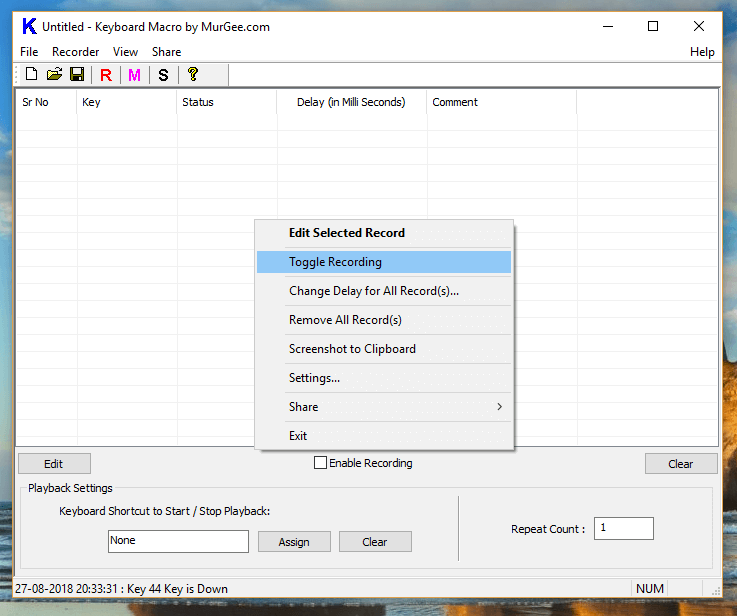
- Keyboard and Mouse Software: Most modern gaming keyboards and mice come bundled with sophisticated software. This software allows users to remap keys, adjust DPI settings, and, crucially, record and assign macros. When you initiate a recording in this software, every key press and mouse click you make is logged. You then assign this recorded sequence to a specific key or button. When that key is pressed during gameplay, the software dutifully executes the recorded commands at the programmed intervals.
- In-Game Macro Systems: Some games themselves offer built-in macro functionalities. These are often more limited than third-party software but are generally considered the most “legitimate” within a game’s terms of service. They allow players to create custom command sequences that can be bound to hotkeys within the game interface.
- Scripting Languages (Advanced): For more complex macros or those that interact with the operating system, scripting languages like AutoHotkey can be employed. These offer a greater degree of customization and power, allowing for conditional logic, delays, and even interaction with other applications. However, their use is often a grey area and can be more easily detected by anti-cheat systems.
Types of Macros in Gaming: From Simple to Sophisticated
The utility of macros spans a wide spectrum, catering to different needs and skill levels:
- Simple Action Macros: These are the most basic and widely accepted forms. Examples include:
- Item Usage: Binding a specific potion or utility item to a single key for quick access in combat.
- Ability Combos: Executing a predefined sequence of abilities in a fighting game or an MMORPG to maximize damage or effect.
- Emotes/Chat Commands: Quickly deploying common phrases or emotes for team communication or social interaction.
- Repetitive Task Macros: These macros automate mundane or repetitive tasks, freeing up players for more engaging gameplay. Examples include:
- Gathering Resources: In some crafting-heavy games, macros can automate the process of collecting resources, though this often treads a fine line with game developers’ intentions.
- Inventory Management: Sorting or organizing items within a player’s inventory.
- Advanced/Utility Macros: These can offer more strategic advantages and are where the line between helpful tool and unfair advantage can become blurred. Examples include:
- “No Recoil” Macros: In first-person shooters, these attempt to counteract weapon recoil by automatically adjusting mouse movement.
- “Key Spamming” Macros: Rapidly pressing a specific key to achieve a higher rate of fire or to trigger certain in-game events that rely on rapid input.
- “Aim Assist” (Perceived): While not true aimbotting, some macros can automate certain aiming adjustments in specific scenarios, which can be controversial.
The Ethical and Brand Implications: Fairness, Player Communities, and Game Integrity
The introduction of macros into gaming raises significant questions about fairness, sportsmanship, and the overall integrity of the game experience. Game developers invest heavily in creating balanced and engaging environments, and the misuse of macros can undermine these efforts.
The Line Between Advantage and Cheating: Navigating Developer Policies
Every game has its own set of rules and terms of service. These documents are crucial for understanding what is permissible.
- Developer Stance on Macros: Generally, game developers fall into a few camps regarding macros:
- Permissive: Some games, especially older ones or those with less competitive focus, may tolerate or even implicitly allow macros that automate simple, non-game-breaking actions.
- Strictly Forbidden: Most competitive multiplayer games have strict policies against macros that automate gameplay in a way that provides an unfair advantage. This includes “no recoil” macros, aimbots, and anything that automates complex combat sequences beyond what a human player could reasonably perform.
- Grey Area: Many games fall into a grey area, where simple keybinds and QoL macros are acceptable, but anything that automates combat or provides a significant competitive edge is frowned upon and may lead to account suspension.
- Anti-Cheat Systems: Game developers employ sophisticated anti-cheat software that can detect unusual input patterns, timings, and the use of unauthorized third-party programs. Using macros that violate a game’s terms of service can lead to warnings, temporary bans, or permanent account closures.
Building Player Trust and Brand Reputation: The Developer’s Perspective
For game developers, maintaining a fair playing field is paramount to building and preserving their brand reputation.

- Maintaining a Competitive Ecosystem: A game that is perceived as rife with cheating or unfair advantages will quickly lose its player base. Developers strive to create an environment where skill, strategy, and dedication are rewarded, not the ability to automate gameplay.
- Community Perception: Player communities are powerful. If players feel that others are gaining an unfair advantage through macros, it breeds resentment and can lead to a toxic environment. Developers must actively address these concerns to maintain player trust.
- The “Spirit of the Game”: Beyond the letter of the law, there’s the “spirit of the game.” Developers want players to engage with their creations in a way that is challenging, rewarding, and fun. Macros that circumvent this spirit can detract from the intended experience.
The Impact on Player Communities: Fostering Healthy Competition
Macros, when used improperly, can create an uneven playing field that discourages new players and frustrates experienced ones.
- Demoralizing Opponents: Facing an opponent who consistently executes flawless combos or never misses a shot due to macros can be incredibly demoralizing, leading to players quitting the game.
- The “Skill Ceiling” Debate: Macros can sometimes artificially lower the skill ceiling, meaning that players can achieve a high level of proficiency without developing the underlying skills. This can dilute the value of true mastery.
- Positive Macro Use (When Allowed): It’s important to note that not all macro use is negative. In games where they are permitted, macros can improve accessibility for players with disabilities, streamline repetitive tasks, and enhance the overall enjoyment of the game by reducing tedious inputs.
Beyond the Game: Transferable Skills and Personal Finance Connections
While the primary context for macros is gaming, the underlying principles of automation, efficiency, and tool utilization have broader applications. Understanding these concepts can even indirectly touch upon personal finance and professional development.
Automation and Efficiency: A Universal Principle
The concept of automating repetitive tasks and streamlining workflows is a cornerstone of modern productivity.
- Productivity Tools: In the professional world, similar principles are applied through software automation, scripting, and specialized tools. Learning to effectively use macros in gaming can foster a mindset that actively looks for opportunities to improve efficiency. This can translate to better time management and task optimization in academic or professional settings.
- Learning to Learn: The process of researching, configuring, and troubleshooting macros can hone a player’s ability to learn new technologies and software. This adaptability is a highly sought-after skill in the tech industry and beyond.
The “Grind” and Online Income: Analogies in Financial Management
While not a direct financial tool, the effort and strategy involved in mastering games and optimizing gameplay can draw parallels to managing personal finances and generating online income.
- Strategic Investment: Just as players invest time and effort into mastering game mechanics to reap rewards, individuals invest in the stock market or develop side hustles with the expectation of future returns. Both require research, strategy, and patience.
- Efficiency in Earning: In online income streams like freelancing or content creation, efficiency is key. Tools and techniques that automate repetitive tasks or optimize workflows can directly impact earning potential. A gamer adept at macros might intuitively grasp the value of such efficiencies.
- Risk vs. Reward: The decision to use certain macros in games often involves a risk-reward calculation – the potential advantage versus the risk of being banned. Similarly, financial decisions involve assessing risk tolerance against potential returns.
Digital Security Awareness: A Responsible User’s Duty
Understanding how software interacts with your system, especially when dealing with third-party tools or scripts, also fosters a sense of digital security awareness.
- Vigilance Against Malware: Players who are cautious about the software they install for macro purposes are more likely to be vigilant against downloading malware disguised as useful tools.
- Understanding Software Permissions: Configuring macros often involves granting specific permissions to software. This can educate users about the importance of understanding what access applications have to their systems.
Conclusion: Embracing Technology Responsibly
Macros in gaming are a powerful technological tool that can enhance efficiency and, in some cases, provide a competitive edge. However, their use is a double-edged sword. Understanding the underlying technology, the specific rules of the games you play, and the ethical implications is crucial.
For gamers, this means being informed about developer policies and prioritizing fair play. The satisfaction of earning victory through genuine skill and strategy is ultimately more rewarding. For those interested in the broader applications of technology, the principles behind macros – automation, efficiency, and intelligent tool utilization – are valuable lessons that extend far beyond the virtual realm, touching upon productivity, personal finance, and even digital security. By embracing technology responsibly, gamers and tech enthusiasts alike can unlock new levels of success, both in-game and in life.
aViewFromTheCave is a participant in the Amazon Services LLC Associates Program, an affiliate advertising program designed to provide a means for sites to earn advertising fees by advertising and linking to Amazon.com. Amazon, the Amazon logo, AmazonSupply, and the AmazonSupply logo are trademarks of Amazon.com, Inc. or its affiliates. As an Amazon Associate we earn affiliate commissions from qualifying purchases.