
The abrupt and somewhat cryptic end to the popular Showtime late-night show “Desus & Mero” left a significant void in the comedy landscape and sparked widespread speculation among their dedicated fanbase. While the show’s conclusion was officially attributed to “creative differences,” the true story behind the dissolution of this dynamic duo is a fascinating, albeit cautionary, tale of brand evolution, individual aspirations, and the inherent complexities of partnerships, especially within the high-stakes world of entertainment and media. This article delves into the factors that likely contributed to the program’s demise, analyzing it through the lens of brand strategy, personal branding, and the delicate art of maintaining a unified identity while fostering individual growth.

The Rise of the Bodega Boys Brand
The “Desus & Mero” phenomenon didn’t emerge out of a vacuum. It was the culmination of years of organic growth, built on the authentic voices and relatable humor of Daniel Baker (Desus Nice) and Jidue “The Kid Mero” Estrada. Their journey from podcasting pioneers to late-night television stars is a masterclass in building a strong, recognizable brand from the ground up.
The Podcasting Genesis: Authenticity as Currency
Before gracing the television screen, Desus Nice and The Kid Mero carved out a niche with their wildly popular podcast, “The Bodega Boys.” This platform served as the crucible for their comedic chemistry, allowing them to explore a broad range of topics with an unfiltered, conversational style. Their success wasn’t predicated on slick production or rehearsed jokes; it was rooted in genuine camaraderie and a willingness to be vulnerable and humorous about their experiences as first-generation Americans navigating life in the Bronx. This authenticity became the bedrock of their brand, resonating deeply with an audience that felt seen and heard.
Translating the Brand: From Audio to Visual
The transition from a successful podcast to a television show presented both opportunities and challenges. Showtime recognized the potent brand equity the “Bodega Boys” had cultivated and sought to translate that raw energy into a visual format. The early success of “Desus & Mero” on television was a testament to their ability to adapt their core brand without losing its essence. They brought their signature wit, their cultural references, and their undeniable chemistry to a wider audience, solidifying their position as cultural commentators and comedic powerhouses. The brand was no longer just about two guys talking; it was about a curated experience, a shared language, and a distinct point of view.
Building a Unified Identity: The “Desus & Mero” Persona
The success of “Desus & Mero” as a television program was intrinsically linked to the strength of their combined brand. They presented a unified front, a singular entity that fans recognized and adored. This persona was characterized by sharp social commentary, pop culture dissection, and a humorous interrogation of the world around them. Their ability to find common ground on divisive issues while maintaining their distinct comedic voices was a significant factor in their appeal. The “Desus & Mero” brand represented a unique intersection of humor, culture, and relatable experiences, making them a formidable force in the media landscape.
The Inevitable Friction: Individual Aspirations vs. Collective Brand
While the “Desus & Mero” brand flourished, it’s crucial to acknowledge that behind the unified persona were two distinct individuals with evolving personal ambitions and creative visions. The sustained success of any partnership, especially in the creative industries, often hinges on the ability to navigate individual growth without jeopardizing the collective brand.
The Divergence of Creative Paths
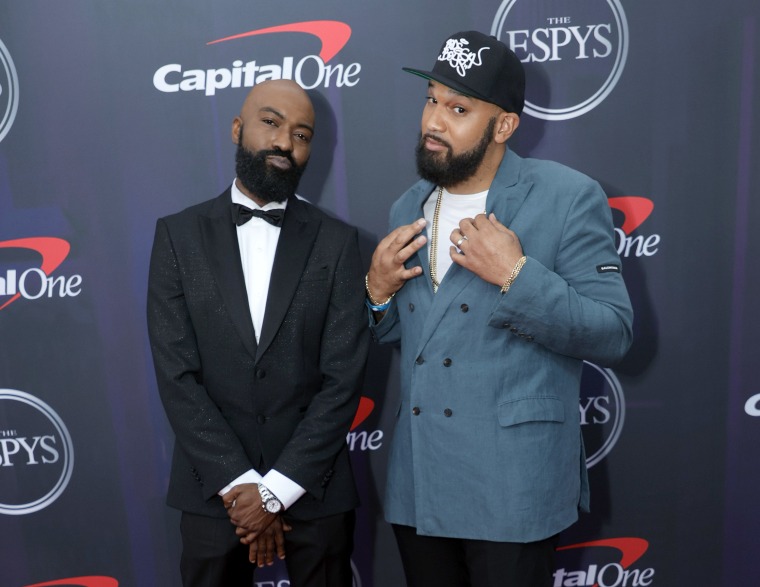
As Desus Nice and The Kid Mero gained further recognition and autonomy, it’s plausible that their individual creative aspirations began to diverge. This is a common trajectory for successful duos. One individual might be drawn to more experimental projects, while the other may prefer to stick to the established formula. The entertainment industry thrives on innovation, and as artists mature, their desire to explore new avenues of expression can become a powerful, and sometimes competing, force. This divergence can manifest in numerous ways, from differing opinions on show content and guest selection to a growing desire for individual projects that showcase personal talents and interests outside the established “Desus & Mero” framework.
The Rise of Personal Branding
In the modern media landscape, personal branding has become increasingly important. Both Desus Nice and The Kid Mero had cultivated strong individual followings that complemented their joint brand. However, as their individual platforms grew, so too did their opportunities for independent ventures. This can create a delicate balancing act. While personal branding can strengthen an overall entity, unchecked individual pursuits can inadvertently pull resources, attention, and creative energy away from the core partnership. It’s possible that the pull of developing their individual brands, with their own unique aesthetics and thematic focuses, began to create a subtle but significant tension within the collective “Desus & Mero” brand.
The Challenge of Maintaining Synergy
Maintaining synergy in a partnership, especially one under the spotlight, is a constant effort. The sustained success of “Desus & Mero” was a testament to their exceptional chemistry and their ability to work in tandem. However, the pressures of a demanding production schedule, the constant need for fresh content, and the increasing visibility of their individual personas could have made it challenging to maintain that precise synergy. When individual goals or creative directions begin to conflict, even subtly, it can manifest as a lack of cohesion or a perceived shift in the dynamic, which can be noticed by a dedicated audience.
The Impact of “Creative Differences”
The official explanation of “creative differences” is often a polite euphemism for a more complex set of underlying issues. In the context of “Desus & Mero,” these differences likely stemmed from the inherent tensions between maintaining a successful collective brand and accommodating the evolving individual ambitions of its creators.
Reconciling Collective Vision with Individual Expression
The core challenge for any successful partnership is finding a sustainable equilibrium between a unified collective vision and the individual expression of its members. For “Desus & Mero,” this might have involved disagreements over the show’s direction, the types of guests they invited, the specific topics they covered, or the overall tone and style of their content. While fans might have enjoyed the established “Bodega Boys” formula, one or both of the personalities might have felt creatively constrained, eager to push boundaries or explore themes that didn’t quite fit the established brand. This internal friction, when left unaddressed or unresolved, can erode the foundation of even the strongest partnerships.
The Shifting Landscape of Entertainment Media
The entertainment media landscape is constantly in flux. The rise of streaming services, the proliferation of social media platforms, and the evolving ways in which audiences consume content all present new opportunities and challenges. For a show like “Desus & Mero,” adapting to these shifts while staying true to their core brand could have been a source of contention. Perhaps one partner saw potential in leveraging new platforms for individual projects, while the other prioritized the established television format. Navigating these evolving trends requires constant communication and a shared vision, which, when compromised, can lead to the type of “creative differences” that ultimately dissolved the partnership.

The End of an Era: A Broader Industry Phenomenon
The conclusion of “Desus & Mero” is not an isolated incident but rather a reflection of broader trends within the entertainment industry. Successful duos and creative teams often face the dilemma of maintaining their collective identity versus allowing individual members to pursue their own distinct paths. The intense scrutiny and demands of fame can amplify these challenges. The dissolution serves as a potent reminder that even the most celebrated brands are ultimately built upon the foundations of individual relationships and the complex interplay of personal and professional aspirations. Understanding the nuances of brand evolution and the delicate art of partnership is crucial for anyone aspiring to create and sustain lasting impact in the creative realm. The legacy of “Desus & Mero” endures, not just in the laughter they generated, but in the valuable lessons it offers about the ever-evolving nature of brand and the inherent complexities of creative collaboration.
aViewFromTheCave is a participant in the Amazon Services LLC Associates Program, an affiliate advertising program designed to provide a means for sites to earn advertising fees by advertising and linking to Amazon.com. Amazon, the Amazon logo, AmazonSupply, and the AmazonSupply logo are trademarks of Amazon.com, Inc. or its affiliates. As an Amazon Associate we earn affiliate commissions from qualifying purchases.