
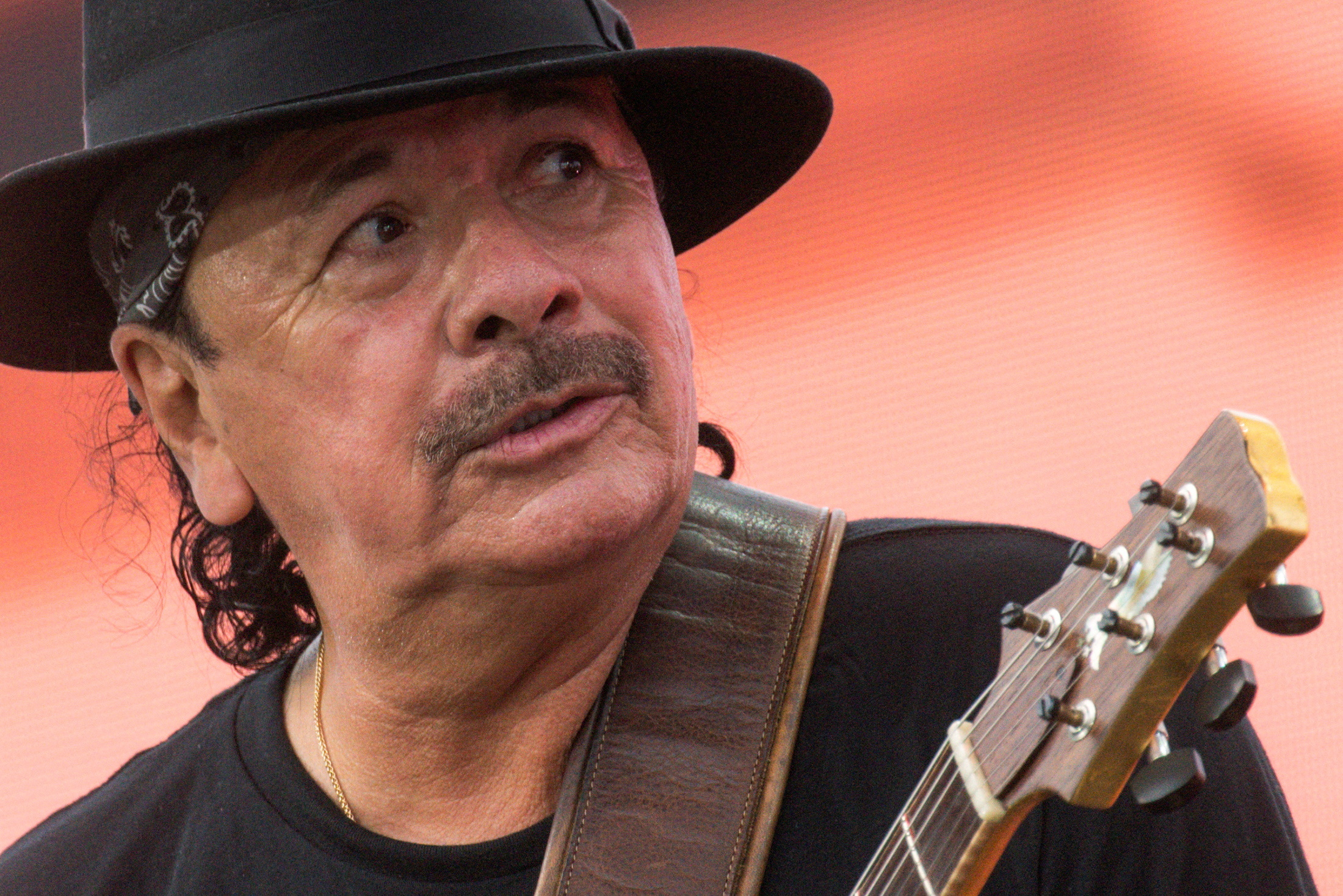
Carlos Santana’s name is synonymous with a unique and captivating fusion of rock, Latin rhythms, and blues. For decades, his guitar playing has been a distinct voice, instantly recognizable and deeply influential. But in recent years, the question of “what happened to Carlos Santana?” has begun to surface, not due to any dramatic decline, but rather a thoughtful evolution and a continued commitment to his artistic vision. This exploration delves into the nuances of his career trajectory, focusing on how his personal brand has been meticulously maintained and strategically positioned through distinct phases of innovation, adaptation, and enduring influence.
The Genesis of a Musical Icon: Forging a Distinct Brand Identity
Carlos Santana’s ascent to global stardom was not accidental; it was the result of a deliberate and authentic brand-building process rooted in a unique musical language. His early career laid the foundation for a brand that was both groundbreaking and deeply personal, setting him apart in a crowded music landscape.
The San Francisco Sound and Early Innovation
Emerging from the vibrant counterculture scene of late 1960s San Francisco, Santana, the band, quickly distinguished themselves. The fusion of Latin percussion with blues-rock was revolutionary. This wasn’t merely a musical experiment; it was the genesis of a sonic signature that would become synonymous with the Santana brand. The raw energy of their live performances, particularly the iconic Woodstock performance, cemented their identity and showcased a potent, charismatic frontman whose guitar spoke a universal language. This early period established Santana as an innovator, a risk-taker whose brand was inherently linked to pushing musical boundaries. The raw, emotive power of his guitar solos, often described as spiritual or transcendent, became a hallmark, a recognizable element that audiences eagerly anticipated.
The “Abraxas” Phenomenon and Global Recognition
The release of “Abraxas” in 1970 was a watershed moment, catapulting Santana from critical acclaim to massive commercial success. This album not only showcased his evolving musicality but also solidified his brand as a purveyor of sophisticated, yet accessible, Latin-infused rock. The singles “Black Magic Woman” and “Oye Como Va” became global anthems, demonstrating the broad appeal of his distinctive sound. This period was crucial for brand recognition. The visual identity of the band, often featuring the iconic logo and album art, further reinforced the unique aesthetic associated with Santana. His name became a shorthand for a specific, high-quality musical experience, characterized by intricate guitar work, rhythmic complexity, and a profound emotional depth. This was more than just music; it was a lifestyle, a cultural phenomenon that resonated with a diverse global audience.
Navigating the Evolving Music Industry: Brand Adaptation and Longevity
The music industry is a notoriously dynamic entity, characterized by shifting trends, technological advancements, and evolving consumer tastes. Carlos Santana’s enduring success is a testament to his ability to adapt and evolve his brand without sacrificing its core essence. This sustained relevance in the face of industry flux is a masterclass in brand management.

The Lean Years and the Art of Reinvention
Like many artists who achieve early and meteoric success, Santana experienced periods of creative exploration and fluctuating commercial fortunes. The 1980s, for instance, saw a shift in musical popularities, and Santana, while consistently performing and recording, didn’t always dominate the charts in the way he had in his early years. This wasn’t a disappearance, but a period of artistic recalibration. He continued to explore new musical territories, collaborating with diverse artists and maintaining a dedicated fan base. This period highlights the resilience of his brand. Instead of chasing fleeting trends, he remained true to his artistic compass, which, in turn, fostered a loyal audience that appreciated his authenticity and consistent quality. This also demonstrated a strategic understanding that brand longevity isn’t solely about chart success, but about maintaining artistic integrity and connecting with a core audience.
The Resurgence: “Supernatural” and the Power of Strategic Collaboration
The late 1990s marked a remarkable resurgence for Carlos Santana, spearheaded by the release of the album “Supernatural” in 1999. This was a pivotal moment for his brand, showcasing a masterfully executed strategy of reinvention and strategic collaboration. The album, a commercial and critical triumph, introduced his music to a new generation of listeners. Key to its success were collaborations with contemporary artists such as Rob Thomas, The Product G&B, and Tina Turner. These partnerships were not mere guest appearances; they were carefully curated alliances that breathed new life into the Santana sound, demonstrating his openness to innovation while still retaining his unmistakable guitar signature. The album’s massive success, including multiple Grammy Awards, revitalized his career and re-established him as a dominant force in the music world. This demonstrated a sophisticated understanding of how to leverage partnerships to expand reach and relevance, a key tenet of modern brand strategy.
The Enduring Legacy: A Brand Beyond Music
Carlos Santana’s influence extends far beyond his discography. His personal brand has become a symbol of artistic integrity, spiritual connection, and a powerful advocacy for social causes. This multifaceted identity has solidified his position as a cultural icon.
A Commitment to Social Consciousness and Philanthropy
A significant aspect of the Santana brand is his deep commitment to social justice and humanitarian causes. He has been a vocal advocate for peace, education, and a better world, using his platform to raise awareness and funds for various initiatives. His philanthropic work, particularly through the Milagro Foundation, which supports educational and health programs for underserved children, further enriches his brand narrative. This altruistic dimension adds a layer of profound meaning and purpose to his public persona, resonating with audiences on a deeper emotional level. It transforms him from a celebrated musician into a respected global citizen, elevating his brand beyond entertainment.

The Timeless Appeal of the Santana Guitar
At the heart of the Carlos Santana brand lies his inimitable guitar playing. His tone, his phrasing, and his emotive expression are instantly recognizable and have inspired countless musicians across genres. Even as musical landscapes change, the power and soul of his guitar continue to captivate. This intrinsic artistic talent, coupled with his consistent dedication to honing his craft, forms the bedrock of his enduring appeal. His guitar is not just an instrument; it is an extension of his soul, a unique voice that continues to speak to listeners of all ages and backgrounds. This unwavering dedication to his core artistic skill ensures that the Santana brand, fundamentally tied to exceptional musicianship, remains relevant and revered. His ability to connect with audiences through the pure, unadulterated emotion conveyed by his guitar is a testament to the timeless power of authentic artistry.
In conclusion, “what happened to Carlos Santana” is less about a disappearance and more about a continuous and masterful act of brand cultivation. He has navigated the complexities of the music industry with grace, adapting his sound and approach while staying true to his core artistic identity. His brand is a testament to innovation, resilience, and a profound commitment to both his art and his humanitarian values, ensuring his legacy continues to inspire and resonate for generations to come.
aViewFromTheCave is a participant in the Amazon Services LLC Associates Program, an affiliate advertising program designed to provide a means for sites to earn advertising fees by advertising and linking to Amazon.com. Amazon, the Amazon logo, AmazonSupply, and the AmazonSupply logo are trademarks of Amazon.com, Inc. or its affiliates. As an Amazon Associate we earn affiliate commissions from qualifying purchases.