
In the vast and interconnected digital landscape, understanding the fundamental building blocks of the web is paramount for anyone navigating the realms of technology, brand development, or financial growth. Among these foundational elements, JavaScript (JS) files stand out as indispensable engines driving much of the modern internet experience. Far more than simple text documents, JS files are the powerhouses behind dynamic content, interactive user interfaces, and complex web applications that define our daily digital interactions.
At its core, a JS file is a plain text document containing JavaScript code, identified by the .js file extension. When your web browser loads a webpage, it often encounters references to these .js files. The browser then fetches, parses, and executes the code within them, transforming a static HTML document into a vibrant, responsive, and intelligent digital environment. From the subtle animations that catch your eye to the sophisticated data visualizations that inform your decisions, JS files are quietly working behind the scenes, enabling an experience that is fluid, engaging, and increasingly personalized.
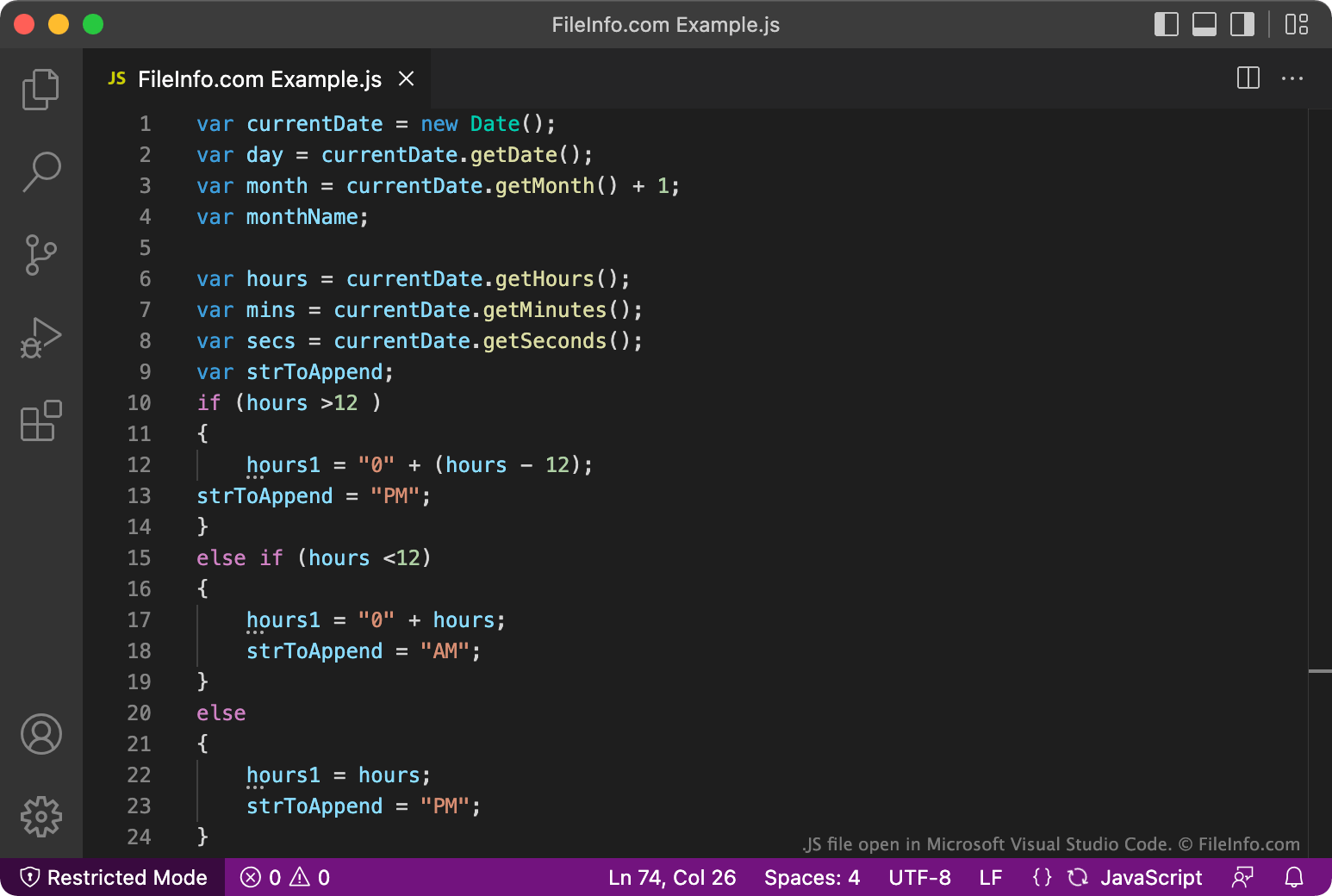
This article will delve into the essence of JS files, exploring their technical underpinnings, their strategic importance for brand identity and user experience, and their undeniable impact on online income generation and financial tools. We will uncover how these seemingly simple files are not just a piece of technical jargon but a cornerstone of the digital age, influencing everything from the apps we use to the financial transactions we make, and the very perception of brands in a competitive market.
The Core of Web Interactivity: Decoding JS Files
JavaScript has evolved from a simple scripting language designed to add rudimentary interactivity to web pages into a ubiquitous technology powering virtually every aspect of the modern digital experience. At the heart of this revolution lie JS files.
What Exactly is JavaScript?
Conceived in a mere ten days by Brendan Eich at Netscape in 1995, JavaScript (initially named LiveScript) was envisioned as a lightweight, client-side scripting language to make web pages more dynamic. Prior to JavaScript, web pages were largely static documents; interactions like form validation or simple animations required round-trips to a server. JavaScript changed this by allowing code to run directly in the user’s browser, enabling real-time responsiveness and a vastly improved user experience.
Its initial purpose was modest: manipulating the Document Object Model (DOM) of an HTML page, responding to user events (like clicks or keyboard input), and performing client-side data validation. Over the decades, however, JavaScript’s capabilities have expanded exponentially. With the advent of Node.js in 2009, JavaScript transcended its client-side limitations, allowing developers to use it for server-side programming and even command-line tools. This made JavaScript a full-stack language, capable of building entire applications from front to back using a single codebase. Today, JavaScript powers not just websites, but also mobile applications (React Native, Ionic), desktop applications (Electron), and even finds its way into game development, IoT devices, and artificial intelligence with libraries like TensorFlow.js. It’s an accessible language that underpins a vast ecosystem of frameworks and libraries, making it a cornerstone of modern software development.
Anatomy of a .js File
A .js file is fundamentally a plain text file containing JavaScript code. Unlike compiled languages, JavaScript is typically interpreted, meaning the code is executed line by line by an interpreter (built into web browsers as a JavaScript engine like V8 in Chrome, SpiderMonkey in Firefox, or JavaScriptCore in Safari).
The contents of a .js file can range from a single line of code to thousands, comprising variables, functions, objects, event listeners, and complex algorithms. For example, a simple .js file might contain a function to greet a user:
function greetUser(name) {
  alert("Hello, " + name + "!");
}
This function could then be called from an HTML page.
JS files can be included in an HTML document in two primary ways:
- Internal JavaScript: The code is directly embedded within
<script>tags in the HTML file itself. This is often used for small, page-specific scripts. - External JavaScript: The code is placed in a separate
.jsfile, and the HTML document links to it using thesrcattribute within a<script>tag, like<script src="my_script.js"></script>. This is the recommended and most common approach for larger projects. It promotes code organization, reusability, and caching, leading to faster page loads as the browser can cache the.jsfile for subsequent visits.
When a browser encounters a <script> tag referencing an external .js file, it pauses HTML parsing, fetches the .js file, executes its contents, and then resumes rendering the rest of the page. This execution flow underscores the importance of efficient and well-placed JS files for optimal web performance.
Why JavaScript Reigns Supreme in Modern Tech
JavaScript’s dominance in the tech world is not accidental; it’s a testament to its flexibility, power, and the vibrant community supporting its evolution. Its reign is rooted in several key factors:
Firstly, its ability to create dynamic and interactive web experiences is unmatched. Without JavaScript, websites would be static documents, lacking the animations, complex forms, real-time updates, and engaging user interfaces we’ve come to expect. From validating form inputs to fetching data from APIs without reloading the page, JavaScript transforms passive browsing into active engagement.
Secondly, JavaScript is the foundation for Single-Page Applications (SPAs), which emulate desktop applications within a browser. Frameworks like React, Angular, and Vue.js, all built on JavaScript, allow developers to create rich, fluid user experiences where content updates seamlessly without full page reloads. This paradigm shift has redefined how users interact with web applications, making them faster and more responsive.
Beyond the browser, Node.js has propelled JavaScript into the server-side, enabling developers to build scalable network applications. This “JavaScript everywhere” approach simplifies development workflows, as teams can use a single language for both front-end and back-end, improving productivity and code consistency.
Furthermore, JavaScript’s reach extends to cross-platform development. Tools like React Native allow developers to build native mobile applications for iOS and Android using JavaScript, while Electron enables the creation of desktop applications (like VS Code or Slack) using web technologies. This drastically reduces development time and cost, making sophisticated applications accessible across various platforms.
Even emerging fields like Artificial Intelligence and Machine Learning are embracing JavaScript, with libraries such as TensorFlow.js allowing developers to run machine learning models directly in the browser or on Node.js. This broad applicability across diverse tech domains solidifies JavaScript’s position as an indispensable language for the modern technological landscape.
Elevating Your Brand: The Strategic Power of JS Files
In today’s fiercely competitive digital marketplace, a brand’s online presence is often its most critical asset. JS files play a pivotal, though often unseen, role in shaping this presence, influencing everything from user perception to data-driven strategic decisions.
Crafting Engaging User Experiences (UX)
The user experience (UX) of a website or application directly impacts how a brand is perceived. A smooth, intuitive, and engaging experience fosters trust and loyalty, while a clunky or unresponsive one can quickly drive users away. JS files are the primary tools for crafting these crucial UX elements.
Think of the interactive sliders showcasing product features, the animated calls-to-action that guide users, or the instant feedback provided when filling out a form. All these dynamic elements are powered by JavaScript. Without it, these interactions would be impossible, leaving users with a static, uninspiring journey. JavaScript allows for smooth transitions, personalized content displays based on user behavior (e.g., showing recommended products), and real-time updates without page reloads, all of which contribute to a seamless and modern user journey.
A brand that invests in a highly interactive and responsive website, enabled by well-implemented JavaScript, demonstrates its commitment to quality and user satisfaction. This translates directly into positive brand perception, higher engagement rates, and ultimately, a stronger connection with its audience. The subtle polish provided by well-executed JavaScript can be the differentiator that makes a brand stand out in a crowded digital space.
Analytics, A/B Testing, and Customer Insights
Effective brand strategy relies heavily on data. Understanding customer behavior, preferences, and pain points is essential for making informed decisions about marketing, product development, and overall brand positioning. Here, JS files serve as invaluable instruments for data collection and experimentation.
Most modern analytics platforms, such as Google Analytics, Adobe Analytics, or custom tracking solutions, rely on JavaScript snippets embedded in web pages. These scripts track user interactions—what pages they visit, how long they stay, what buttons they click, their geographic location, and much more. This rich stream of data, collected and processed by JS, provides deep insights into user journeys and helps brands understand the effectiveness of their digital strategies.
Furthermore, JS files are integral to A/B testing and multivariate testing. Brands constantly experiment with different headlines, button colors, layouts, or content variations to optimize conversion rates and user engagement. These tests are typically implemented using JavaScript, which dynamically serves different versions of a page to different user segments and tracks their responses. By analyzing the results, brands can make data-driven decisions that enhance their website’s performance, refine their messaging, and improve their overall brand appeal. The ability to quickly deploy, test, and iterate based on real user data, all facilitated by JavaScript, is a cornerstone of agile brand development and optimization.
Ensuring Brand Consistency and Performance
A strong brand is consistent across all digital touchpoints. JS files contribute to this by enabling the creation of reusable components and ensuring optimal performance, which in turn reflects positively on the brand.
Modular JavaScript development, often facilitated by frameworks like React or Vue, allows brands to build UI components (e.g., navigation bars, footers, product cards) that can be easily reused across different pages or even different digital properties. This ensures visual and functional consistency, reinforcing the brand’s identity regardless of where the user interacts with it. This also streamlines development, making it faster and more cost-effective to maintain brand standards across a large digital footprint.
Equally important is website performance. A slow-loading website frustrates users, leads to higher bounce rates, and negatively impacts search engine rankings. This directly damages a brand’s reputation and visibility. JavaScript plays a critical role here, both in being a potential source of slowdown (if poorly optimized) and a solution for performance enhancement. Techniques like minification (removing unnecessary characters from JS files), deferring script loading (loading JS after critical content), and lazy loading of images and components (loading them only when needed) are all implemented using JavaScript. Brands that prioritize performance, leveraging optimized JS, communicate efficiency and professionalism, thereby strengthening their digital presence and reputation.
Driving Value and Income: JS Files in the Financial Landscape
Beyond enhancing user experience and brand identity, JS files are direct facilitators of online income, financial management, and business operations. Their interactive capabilities make them indispensable for e-commerce, financial tools, and various monetization strategies.
E-commerce and Online Transactions
The backbone of modern e-commerce is inherently reliant on JavaScript. Without it, the seamless shopping experiences we’ve grown accustomed to would be impossible. JS files power critical functionalities that drive online sales and transactions:
- Shopping Carts: The ability to add, remove, and update items in a shopping cart without page reloads is almost universally driven by JavaScript, providing a fluid and intuitive buying process.
- Product Configurators: Interactive tools that allow customers to customize products (e.g., choosing colors, sizes, or adding engravings) and see real-time price updates are built with JavaScript. This enhances engagement and helps customers visualize their purchases.
- Payment Gateway Integrations: While sensitive payment processing often happens on secure server-side environments, the client-side interaction with payment forms, validation of credit card numbers, and initiation of the payment flow are all handled by JavaScript. This ensures a smooth and secure transition from shopping to purchase.
- Real-time Inventory and Pricing: JS can fetch and display real-time stock availability and dynamic pricing updates, preventing customer frustration and ensuring accurate information.
For businesses, well-implemented JavaScript in their e-commerce platforms directly translates to higher conversion rates, reduced cart abandonment, and a more trustworthy transaction environment, all contributing directly to revenue generation.
Financial Tools and Productivity Gains
JavaScript’s versatility extends deeply into personal and business finance, offering powerful tools that enhance financial literacy, streamline operations, and boost productivity.
For personal finance, JS files enable:
- Interactive Budgeting Tools: Web-based calculators for mortgages, loans, savings, and investments, allowing users to input variables and see immediate results.
- Data Visualization: Dynamic charts and graphs that help users visualize their spending habits, investment performance, or debt repayment progress, making complex financial data digestible and actionable.
- Portfolio Trackers: Real-time updates on stock prices, cryptocurrency values, and investment portfolio performance.
In business finance, JavaScript is used to build:
- Internal Dashboards: Providing real-time insights into sales data, expense tracking, and operational metrics.
- Custom CRM (Customer Relationship Management) Systems: Tailored interfaces to manage customer interactions and sales pipelines efficiently.
- Automation Tools: Scripts that can automate repetitive tasks like data entry, report generation, or integration between different financial software, saving significant time and labor costs.
By creating efficient, user-friendly, and interactive financial tools, JS files empower individuals and businesses to make better financial decisions, manage resources more effectively, and achieve significant productivity gains, which indirectly translates into cost savings and increased profitability.
Monetization and Online Income Streams
For content creators, publishers, and developers, JS files are integral to various online income generation strategies.
- Ad Networks: The vast majority of display advertisements you see on websites are served and rendered using JavaScript. Ad networks provide JS snippets that publishers embed on their sites, which then dynamically fetch and display relevant ads to users. This programmatic advertising is a primary source of revenue for countless websites and online platforms.
- Affiliate Marketing: Affiliate links and tracking mechanisms often involve JavaScript to ensure proper attribution of sales or leads, enabling content creators to earn commissions. Custom JS can also be used to dynamically inject affiliate content or optimize its display.
- Creating and Selling Digital Products: Developers proficient in JavaScript can create and sell custom themes, plugins, widgets, or full-fledged web applications built with JavaScript frameworks. This forms a direct income stream through development services or product sales.
- Freelancing and Development: The demand for skilled JavaScript developers is consistently high across the globe. Freelancers and agencies leverage their JS expertise to build bespoke websites, web applications, and interactive experiences for clients, generating substantial income.
Moreover, JavaScript’s impact on SEO (Search Engine Optimization) indirectly affects online income. Search engines have evolved to render and index JavaScript-heavy websites. Optimized JavaScript ensures that content is crawlable and indexable, leading to better search rankings, increased organic traffic, and ultimately, more potential customers or ad impressions.
Securing Your Digital Assets: Best Practices for JS Files
While JS files offer immense power and flexibility, their client-side execution also presents unique security challenges. Protecting your digital assets, user data, and brand reputation requires a proactive approach to JavaScript security.
Common Vulnerabilities and Threats
Malicious actors often target JavaScript because it runs directly in the user’s browser, potentially allowing them to compromise user sessions or inject harmful code.
- Cross-Site Scripting (XSS): This is one of the most prevalent web vulnerabilities. XSS occurs when an attacker injects malicious JavaScript into a legitimate website. When another user visits the site, their browser executes the malicious script, which can steal session cookies, deface the website, or redirect the user to phishing sites.
- Insecure Third-Party Libraries: Modern web development heavily relies on external JavaScript libraries and frameworks (e.g., jQuery, React). If these libraries contain vulnerabilities, or if developers use outdated versions, attackers can exploit these known weaknesses to compromise applications.
- Client-Side Manipulation: Attackers can manipulate JavaScript in their own browser to bypass client-side validation, alter prices in e-commerce applications, or gain unauthorized access to functionalities. While robust server-side validation should always be present, client-side vulnerabilities can still lead to a poor user experience or give attackers initial footholds.
- Supply Chain Attacks: This involves compromising a legitimate third-party JavaScript file (e.g., an analytics script, an ad script) hosted on an external server. When this compromised script is loaded by thousands of websites, it can silently inject malware, skimmers (to steal credit card data), or other malicious code into end-users’ browsers without the website owner even knowing.
Mitigating Risks and Enhancing Security
Securing JS files is a continuous process that requires diligence from developers and website administrators.
- Input Validation and Output Encoding: All user input should be validated both on the client-side (using JavaScript for immediate feedback) and, crucially, on the server-side. Additionally, any data rendered on a webpage should be properly encoded to prevent malicious scripts from being executed.
- Content Security Policy (CSP): A CSP is a security standard that helps prevent XSS attacks by specifying which domains the browser should consider to be valid sources of executable scripts, stylesheets, and other web resources. By defining a strict CSP, website owners can significantly reduce the risk of unauthorized script execution.
- Regular Updates and Dependency Scanning: Keep all JavaScript libraries, frameworks, and tools updated to their latest stable versions. Regularly scan your project’s dependencies for known vulnerabilities using tools like Snyk or npm audit.
- Secure Coding Practices: Adhere to secure coding guidelines. Avoid using
eval()function with untrusted input, sanitize dynamic content, and limit the scope of variables to prevent unintended access. - Subresource Integrity (SRI): For external JavaScript files hosted on CDNs, use Subresource Integrity. SRI allows your browser to verify that a fetched resource has not been altered. If the hash of the fetched file doesn’t match the expected hash, the browser will refuse to execute it.
- Principle of Least Privilege: When designing your application, ensure that JavaScript only has access to the resources and functionalities it absolutely needs.
By implementing these security measures, businesses and developers can significantly reduce the attack surface related to JS files, protecting their users, their data, and their valuable brand reputation from potentially devastating security breaches.

Conclusion
From the moment you load a webpage to the instant you complete an online transaction, JS files are the unsung heroes orchestrating the symphony of the modern digital experience. What started as a modest scripting language has blossomed into a foundational technology, intricately woven into the fabric of everything from intricate web applications to mobile and desktop software.
We’ve explored how JS files serve as the pulsating heart of web interactivity, enabling dynamic content and responsive user interfaces that define contemporary digital products. Their influence extends beyond mere functionality, becoming a strategic imperative for brand development—crafting engaging user experiences, fueling data-driven insights through analytics and A/B testing, and ensuring consistent, high-performance digital touchpoints that build trust and loyalty. Furthermore, the financial landscape is profoundly shaped by JS files, powering the seamless mechanics of e-commerce, empowering individuals and businesses with sophisticated financial tools, and opening myriad avenues for online income generation and monetization.
However, with great power comes great responsibility. The ubiquity and client-side execution of JS files necessitate a keen focus on security. Understanding common vulnerabilities and implementing robust best practices is not just a technical requirement but a critical safeguard for user data, brand integrity, and financial security in an increasingly interconnected world.
In essence, JS files are more than just lines of code; they are the invisible architects of our digital lives, driving innovation, shaping brands, and facilitating economic activity across the globe. For anyone seeking to thrive in the digital age—whether as a technologist, a brand strategist, or a financial innovator—a deep appreciation for “what are JS files” is not merely academic, but absolutely essential. Their continued evolution promises to keep them at the forefront of digital transformation, making them a perpetual subject of study, innovation, and strategic leverage.
aViewFromTheCave is a participant in the Amazon Services LLC Associates Program, an affiliate advertising program designed to provide a means for sites to earn advertising fees by advertising and linking to Amazon.com. Amazon, the Amazon logo, AmazonSupply, and the AmazonSupply logo are trademarks of Amazon.com, Inc. or its affiliates. As an Amazon Associate we earn affiliate commissions from qualifying purchases.