
The question of when Detectives Kate Beckett and Richard Castle, the central couple of the beloved ABC crime procedural Castle, finally crossed the professional line into a romantic relationship is a frequent one among fans. This pivotal moment, while anticipated for seasons, wasn’t a singular, dramatic event but rather a carefully developed arc. Understanding this progression requires looking beyond just a single episode number and appreciating the narrative construction that led to their eventual union. For those seeking to pinpoint the exact moment, or perhaps relive the build-up, the answer lies in understanding the show’s deliberate pacing and the impact of specific plot developments.

The journey of Beckett and Castle’s relationship is a masterclass in slow-burn romance, a storytelling technique that builds anticipation and emotional investment. It’s a strategy often employed in serialized television to keep audiences hooked, and in Castle, it was executed with remarkable finesse. The writers skillfully navigated the complexities of their professional dynamic, their undeniable chemistry, and the external obstacles that kept them apart for so long. This careful calibration of plot and character development is what made their eventual togetherness so satisfying for viewers.
The Slow Burn: Building Anticipation Across Seasons
The foundation of Beckett and Castle’s romantic entanglement was laid from the very first episode. Castle, a wealthy and charming mystery novelist, inserts himself into the NYPD 12th Precinct as a consultant, much to Beckett’s initial chagrin. Their contrasting personalities – his impulsive, creative approach versus her pragmatic, by-the-book detective work – created an immediate friction that was as entertaining as it was indicative of underlying chemistry. This initial dynamic, filled with witty banter and unspoken attraction, set the stage for years of will-they-won’t-they tension.
Early Season Chemistry and Unspoken Feelings
In the early seasons, the audience was treated to a steady stream of moments that hinted at a deeper connection. These were not overt declarations of love, but subtle glances, lingering touches, and instances where they instinctively came to each other’s defense. The writers understood that the power of a slow-burn romance lies in the subtext. Every near-miss, every moment of vulnerability shared between them, and every time they prioritized each other’s safety over their own, served to deepen the emotional investment of the audience.
These early seasons established a palpable chemistry that transcended their professional roles. Fans were quick to identify the sparks flying between Nathan Fillion’s charismatic Castle and Stana Katic’s sharp and stoic Beckett. This chemistry, fueled by brilliant writing and stellar performances, became a primary driver of the show’s popularity, ensuring that the audience was constantly rooting for their eventual union. The writers skillfully used plot devices, such as shared dangerous missions and personal crises, to force them into close proximity and create opportunities for their unspoken feelings to surface.
The “Will They Won’t They?” Dynamic
The hallmark of many successful romantic comedies and dramas is the prolonged “will they won’t they?” dynamic, and Castle is no exception. This narrative device, while potentially frustrating if overdone, was masterfully employed here. Each season presented new challenges and perceived roadblocks that prevented Beckett and Castle from fully embracing their feelings. These often included professional concerns, personal histories, and even romantic entanglements with other characters.
The writers would dangle the possibility of their union, only to pull back at the last moment, often with a cleverly written justification. This constant ebb and flow of their emotional connection kept the audience engaged, analyzing every interaction for signs of progress or regression. The anticipation built over these seasons wasn’t just about seeing them get together; it was about witnessing the intricate dance of their developing feelings, the overcoming of internal and external barriers, and the gradual acknowledgment of their undeniable bond.
The Turning Point: Acknowledging the Feelings
While the slow burn was essential, there were distinct moments where the narrative shifted, signaling a growing acknowledgment of their romantic feelings, even if not yet acted upon. These were not just plot points; they were emotional watersheds that irrevocably altered the trajectory of their relationship.
The “Fated” Kiss and Its Aftermath
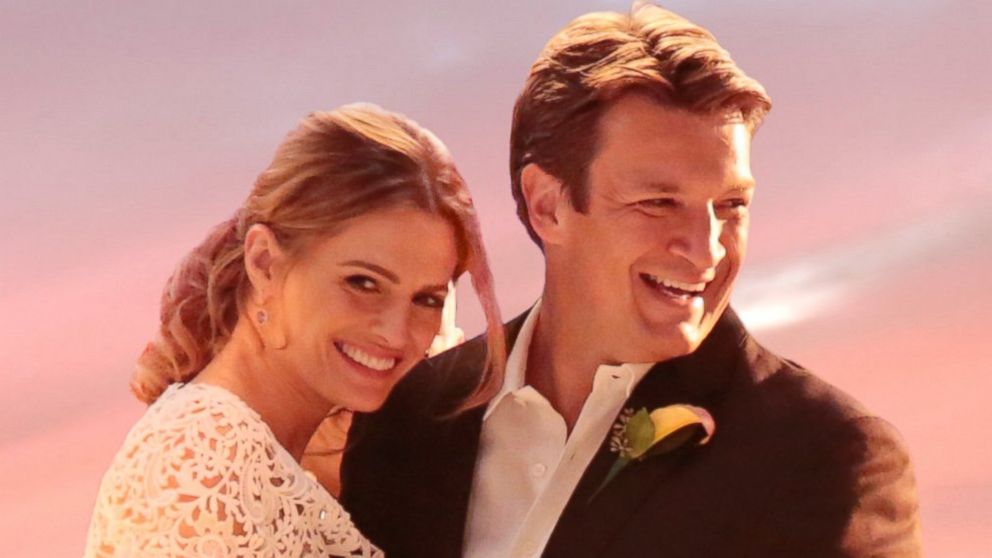
The first significant turning point, often cited by fans as the true beginning of their romantic arc, occurs in Season 4, Episode 7, titled “Cops & Robbers.” In this episode, a dangerous hostage situation unfolds, placing both Beckett and Castle in extreme peril. In the heat of the moment, under immense duress and facing the possibility of death, they share a passionate kiss. This kiss wasn’t just a spontaneous act; it was a raw, uninhibited expression of their deep-seated feelings that had been simmering for years.
The aftermath of this kiss was as crucial as the kiss itself. While they don’t immediately become a couple, the dynamic between them fundamentally changes. The unspoken becomes spoken, at least between them. The denial that previously existed begins to erode, and both characters are forced to confront the depth of their feelings. This kiss serves as a powerful catalyst, accelerating the development of their relationship and setting the stage for future developments. It was a moment of undeniable honesty, a breakthrough that allowed them to move beyond mere partnership.
The Unfolding of True Feelings
Following the “Cops & Robbers” kiss, the writers continued to explore the evolving nature of their relationship. The tension remained, but it was now infused with a newfound vulnerability and honesty. They began to acknowledge their feelings more openly, albeit sometimes through indirect means. There were moments of jealousy when the other dated, instances of intense protectiveness, and a growing reliance on each other that went beyond professional necessity.
This period saw them navigate the complexities of admitting their love while still grappling with the implications for their careers and personal lives. The narrative deliberately explored their hesitations and fears, making their eventual full commitment all the more earned. These episodes were characterized by a delicate balance of continuing to solve crimes while simultaneously deepening their emotional connection, showcasing how their personal lives intertwined with their professional ones. The audience was privy to their internal struggles, their moments of doubt, and their ultimately burgeoning certainty.
The Official Commitment: From Partners to Lovers
The transition from unspoken attraction and tentative steps to a full-fledged romantic partnership was a carefully orchestrated progression. It involved acknowledging their feelings not just to each other but also in a way that impacted their lives and the narrative of the show.
The Proposal and Beyond
The true solidification of their romantic commitment arrives in Season 6, Episode 10, titled “The Soldier’s Wife.” In this episode, Castle, after a series of life-altering events, proposes to Beckett. This is a momentous occasion, marking a definitive shift from their previous dynamic. The proposal isn’t just about marriage; it’s a declaration of their commitment to a future together, a public and undeniable acknowledgment of their love and partnership.
The proposal itself is deeply rooted in their shared experiences and their understanding of each other. It’s a testament to the journey they have undertaken, from initial antagonism to deep affection and unwavering support. Following the proposal, their relationship enters a new phase, one where they are openly a couple, navigating the challenges and joys of a committed relationship while still solving crimes. This marked the fulfillment of years of anticipation for many viewers.
The Evolution of Their Relationship as a Couple
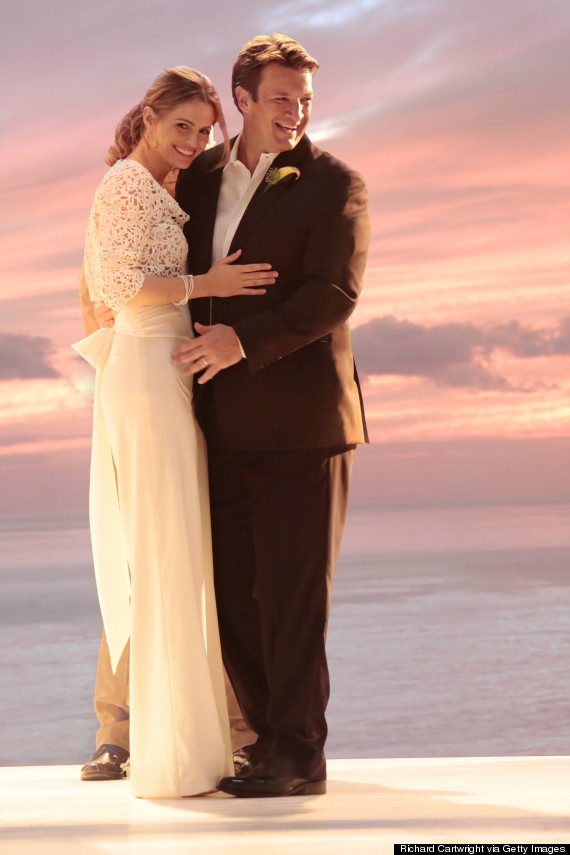
Once Beckett and Castle became a couple, the show didn’t simply revert to a predictable formula. Instead, it explored the evolution of their relationship as a married couple. The writers cleverly integrated their romantic life into the fabric of the show, creating new dynamics and opportunities for storytelling. This included dealing with the joys of married life, the challenges of balancing work and personal life, and the enduring strength of their bond even in the face of adversity.
The latter seasons of Castle allowed viewers to witness the fruits of the slow-burn romance. They saw Beckett and Castle not just as partners who solved crimes, but as a team in life, supporting each other through personal and professional triumphs and tribulations. Their journey from colleagues to lovers to a married couple was a testament to the power of well-developed characters and a compelling narrative arc, leaving a lasting impression on fans and solidifying their status as one of television’s most beloved couples. The show’s success in portraying their development was a significant factor in its enduring popularity.
aViewFromTheCave is a participant in the Amazon Services LLC Associates Program, an affiliate advertising program designed to provide a means for sites to earn advertising fees by advertising and linking to Amazon.com. Amazon, the Amazon logo, AmazonSupply, and the AmazonSupply logo are trademarks of Amazon.com, Inc. or its affiliates. As an Amazon Associate we earn affiliate commissions from qualifying purchases.