
The allure of soft shell crab is undeniable. It’s a seasonal delicacy, a culinary experience often spoken of with reverence by seafood enthusiasts. But for those who haven’t had the pleasure, or perhaps are contemplating this unique dish, a fundamental question arises: what exactly does soft shell crab taste like? While flavor profiles are inherently subjective, understanding the characteristics of this mollusk, its preparation, and the factors influencing its taste can provide a comprehensive answer. This exploration delves into the sensory experience of soft shell crab, aiming to demystify its appeal and equip you with the knowledge to anticipate its unique flavor.

The Unique Nature of Soft Shell Crab
The distinctiveness of soft shell crab stems from a biological process, not a breed. Understanding this process is key to appreciating its culinary impact.
The Molting Phenomenon
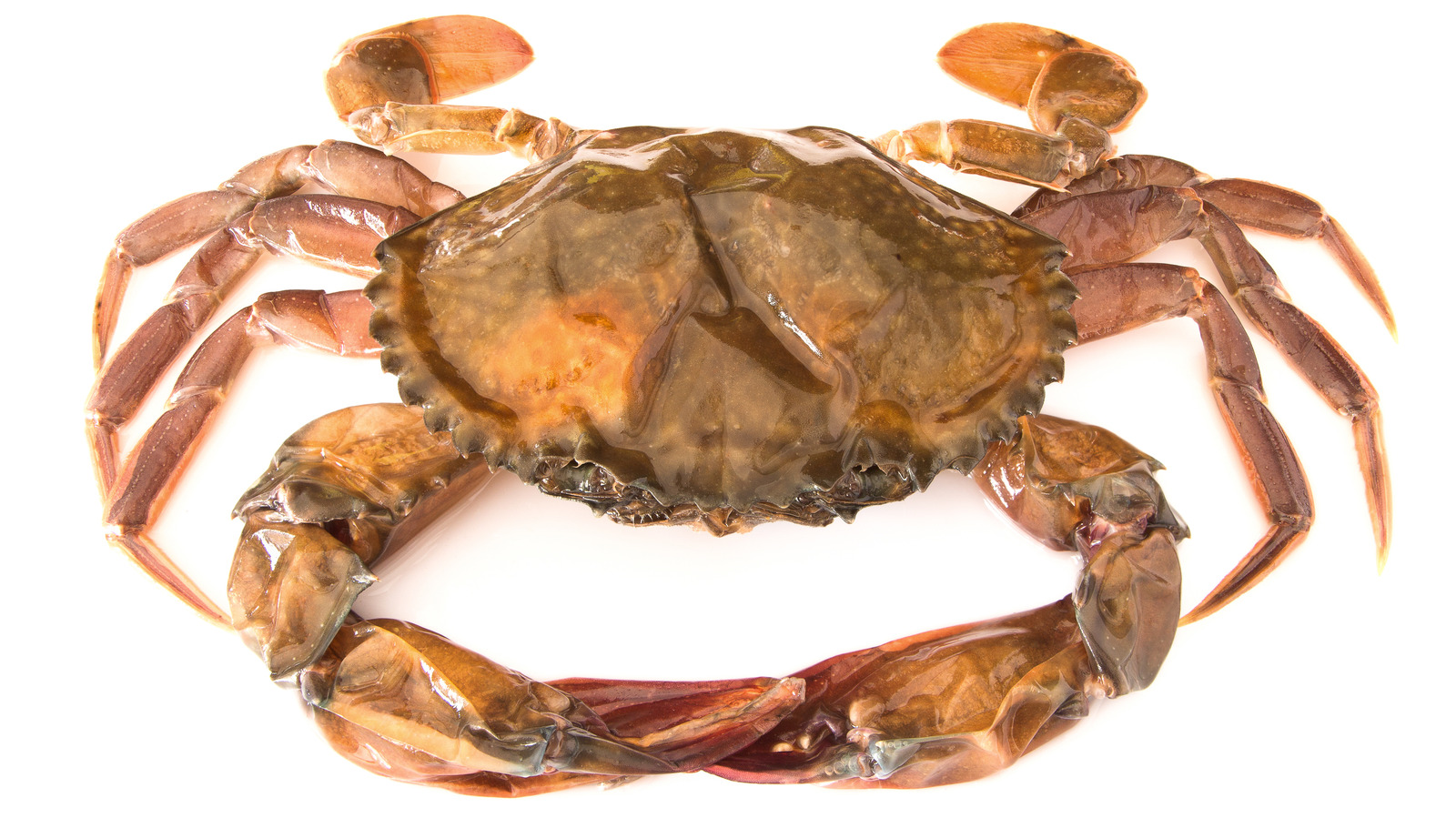
Soft shell crabs are not a separate species. Instead, they are blue crabs (and sometimes other species of crab) caught during their molting phase. Crabs, like other crustaceans, have an exoskeleton that they must shed to grow. This process, known as molting or ecdysis, occurs multiple times throughout a crab’s life. For a brief period, typically a few hours after shedding its old, hard shell, the crab is left with a new, soft, and pliable shell before it hardens again. It is during this vulnerable window that these crabs are harvested for consumption.
The “softness” refers to the entire shell, including the legs and claws, being edible. Unlike hard-shelled crabs, which require the laborious task of cracking and picking to extract the meat, soft shell crabs are eaten whole. This immediacy of consumption, straight from the molting process, contributes to a fresher, more vibrant flavor profile. The lack of a hard shell also means that the entire crab, including the internal organs (though often removed before cooking), contributes to the overall taste and texture.
From Hard Shell to Edible Delicacy
The transition from a hard-shelled, formidable creature to a tender, edible delight is what defines soft shell crab. The biological imperative to shed and regrow drives this transformation. The speed of this process means that the crab is only available in this state for a short window, contributing to its seasonal and sought-after status. The harvesting of crabs in this specific stage requires precise timing and expertise, further adding to its perceived value and the anticipation surrounding its availability. This biological quirk is the genesis of its unique culinary identity.
Sensory Profile: Texture and Flavor of Soft Shell Crab
The taste of soft shell crab is a symphony of delicate flavors and a captivating texture, often described as a harmonious balance of oceanic brine and buttery richness.
A Delicate, Buttery Embrace
The most striking characteristic of soft shell crab is its texture. Unlike the firm, sometimes chewy meat of hard-shelled crabs, soft shell crab offers a tender, almost creamy consistency. The entire crab is edible, from the thin, brittle shell to the succulent meat within. This means you experience the full spectrum of the crab’s flesh, leading to a more unified and less fragmented eating experience.
The flavor itself is often described as milder and sweeter than many other types of seafood. It carries a distinct oceanic brininess, a clean taste of the sea, but without the overwhelming fishiness that can sometimes be associated with other crustaceans. Many describe it as having a subtle, sweet, and nutty undertone, reminiscent of scallops or sweet shrimp, but with its own distinct marine character. The butteriness is another key component, a richness that coats the palate and enhances the inherent sweetness. This buttery quality is not an added fat, but rather an inherent richness in the crab’s flesh.
The Nuances of the Ocean and the Land
The flavor of soft shell crab is deeply influenced by its environment and diet. Crabs that inhabit cleaner, richer waters tend to have a purer, more nuanced flavor. Their diet, consisting of small invertebrates and organic matter, contributes to the subtle complexities of their taste. When prepared correctly, the natural flavors of the crab are allowed to shine.
A well-prepared soft shell crab will offer a delicate balance. The initial taste might be a gentle wave of the sea, followed by a subtle sweetness that blossoms on the palate. The texture will be yielding, melting in the mouth with a slight, pleasant resistance from the edible shell. There’s a richness, a luxurious mouthfeel that is both satisfying and elegant. It’s this combination of delicate sweetness, oceanic freshness, and buttery texture that makes soft shell crab so distinct and appealing.

Culinary Preparations and Their Influence on Taste
The preparation methods for soft shell crab significantly impact its final flavor and texture, allowing for various culinary interpretations of its inherent qualities.
The Classic Fried Approach
Perhaps the most popular and widely recognized preparation for soft shell crab is pan-frying or deep-frying. This method is favored for its ability to create a delightful contrast between the crisp, golden-brown exterior and the tender, succulent interior. The soft shell itself becomes a crunchy, edible element, adding another layer of texture to the dish.
When fried, the crab’s natural sweetness is often amplified by the Maillard reaction occurring on its surface. The slight charring and caramelization from the frying process impart a subtle nuttiness and depth of flavor. The buttery notes of the crab are enhanced, and the oceanic brine is beautifully contained within the crispy shell. Typically, soft shell crabs are lightly dredged in seasoned flour or a cornmeal mixture before frying, which provides the desirable crispiness and also absorbs any excess moisture, preventing the crab from becoming soggy. Lemon wedges are a classic accompaniment, their acidity cutting through the richness and brightening the overall flavor profile. Tartar sauce or a simple remoulade also complements the fried soft shell crab exceptionally well, offering a creamy, tangy counterpoint.
Broiled, Steamed, and Beyond
While frying is prevalent, other cooking methods can highlight different facets of soft shell crab’s flavor. Broiling, for instance, offers a similar crispness to frying but with a lighter touch, as less oil is typically used. The direct heat of the broiler can caramelize the natural sugars in the crab, intensifying its sweetness and adding a slightly smoky undertone.
Steaming is a more delicate approach that allows the pure, unadulterated flavor of the crab to be the star. Steamed soft shell crab will be exceptionally tender, with a pronounced oceanic sweetness and a very subtle buttery finish. This method is ideal for those who want to appreciate the intrinsic taste of the crab without any added complexities from frying batters or heavy sauces. Seasonings are often kept minimal, perhaps just a pinch of salt and pepper, or served with light dipping sauces that don’t overpower the crab’s natural essence.
Other preparations might involve grilling, where the smoky char from the grill can add another dimension to the flavor. Sautéing in butter and garlic is another common and delicious method, which further enhances the crab’s inherent richness and introduces aromatic notes from the garlic. Regardless of the method, the goal is often to complement, rather than mask, the delicate sweetness and buttery texture that define soft shell crab.
Factors Affecting the Taste
While the intrinsic qualities of soft shell crab are consistent, several external factors can subtly influence its flavor and overall eating experience.
Seasonality and Water Quality
The primary season for soft shell crab is typically spring and early summer, coinciding with the crabs’ molting cycles. Crabs caught during these peak times are often at their most succulent and flavorful. The quality of the water in which the crabs live plays a crucial role in their taste. Crabs from pristine, clean waters will generally have a cleaner, sweeter, and more delicate flavor profile, free from any unpleasant earthy or muddy undertones. Conversely, crabs from more polluted environments might exhibit a less desirable taste. Responsible sourcing and awareness of the origin of the soft shell crab can therefore contribute to a superior culinary experience.
Handling and Preparation Expertise
Even the freshest soft shell crab can be diminished by improper handling or preparation. The short window during which the crab is in its soft-shell state means that it must be processed quickly after harvesting. Over-handling can lead to a loss of moisture, resulting in a tougher texture. The removal of the “dead man’s fingers” (gills) and the apron (digestive organs) is also important for both texture and taste. If these parts are not properly removed, they can impart a slightly bitter or unpleasant flavor.
The skill of the chef or cook is paramount. A skilled hand will understand how to season and cook the crab to enhance its natural attributes. Overcooking can quickly turn the delicate flesh tough and dry, while undercooking can leave it with an unappealing texture. The choice of accompanying ingredients is also critical. While a simple preparation is often best, the right balance of acidity, richness, and seasoning can elevate the soft shell crab from delicious to extraordinary. A thoughtful approach to seasoning and cooking ensures that the inherent sweetness and buttery notes of the crab are preserved and celebrated.
The Verdict: A Delicate Ocean Delight
In essence, what does soft shell crab taste like? It’s a taste that eludes simple categorization, a nuanced experience that bridges the gap between the sea and a refined palate. It is a flavor of delicate sweetness, a subtle but distinct brininess, and a rich, buttery undertone that melts in your mouth. The texture is equally captivating – tender, yielding, with the pleasant crunch of the edible shell. It’s a dish that celebrates the ephemeral nature of its existence, offering a unique and satisfying encounter with the bounty of the ocean. From its biological origins to its diverse culinary interpretations, soft shell crab remains a testament to the delicious complexities that nature can offer when we embrace its fleeting moments.
aViewFromTheCave is a participant in the Amazon Services LLC Associates Program, an affiliate advertising program designed to provide a means for sites to earn advertising fees by advertising and linking to Amazon.com. Amazon, the Amazon logo, AmazonSupply, and the AmazonSupply logo are trademarks of Amazon.com, Inc. or its affiliates. As an Amazon Associate we earn affiliate commissions from qualifying purchases.