
The allure of an Apple iPhone is undeniable. Its sleek design, intuitive interface, and robust ecosystem make it a highly sought-after gadget. However, the premium price tag associated with a brand-new iPhone can be a significant barrier for many. This is where the concept of “restored” iPhones enters the picture, offering a compelling alternative that blends affordability with Apple’s renowned quality. But what exactly does “restored iPhone” mean?
The term “restored” can sometimes be ambiguous, leading to confusion between genuine refurbishment, pre-owned devices, and outright used items. For the discerning tech consumer, understanding these distinctions is crucial for making an informed purchase. This article aims to demystify the world of restored iPhones, breaking down the processes involved, the benefits they offer, and what to look for when considering one. We will delve into the technical aspects of restoration, the quality assurances provided by Apple and third-party vendors, and how these devices fit into the broader landscape of sustainable technology.
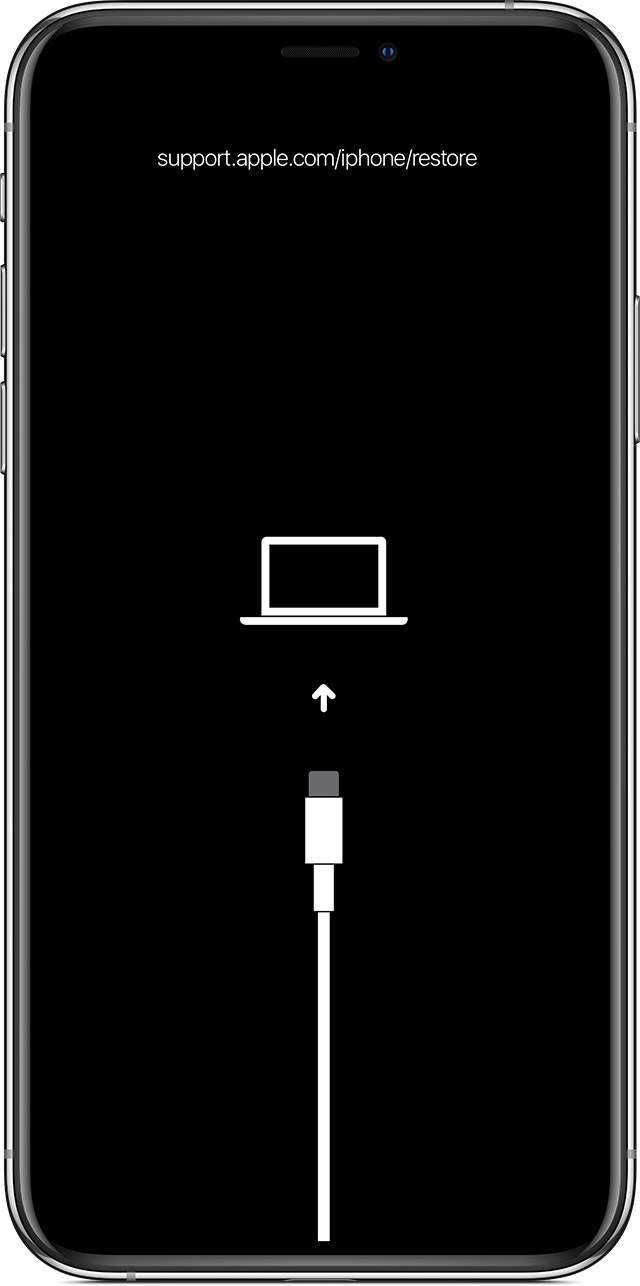
The Technical Nuances: From Pre-Owned to Polished
At its core, a “restored” iPhone signifies a device that has been previously owned and has undergone a thorough inspection, repair, and cleaning process. This distinguishes it from a simple “used” iPhone, which might be sold “as is” with no guarantee of functionality or cosmetic condition. The key differentiator lies in the rigorous procedures applied to ensure the device meets a high standard of performance and appearance.
Understanding the Refurbishment Process
The term “refurbished” is often used interchangeably with “restored,” and in the context of Apple, it generally implies a more standardized and comprehensive reconditioning. When Apple itself sells certified refurbished iPhones, they undergo an intensive process overseen by the company. This process typically includes:
- Full Diagnostic Testing: Every component of the iPhone is tested, from the battery and screen to the camera, speakers, and sensors. Any part that doesn’t meet Apple’s strict performance standards is replaced.
- Thorough Cleaning: The device is meticulously cleaned, both internally and externally, to remove any signs of previous use, such as smudges or debris.
- Replacement of Defective Parts: This is a critical aspect. Unlike a basic used phone, a refurbished iPhone will have any faulty components, including batteries and screens, replaced with genuine Apple parts. This ensures that the device functions as if it were new.
- Inspection and Grading: Following repairs, the iPhone is subjected to a final quality control inspection to ensure it meets Apple’s aesthetic and functional standards. It’s then assigned a grade based on its cosmetic condition.
- New Battery and Outer Shell: In Apple’s certified refurbished program, iPhones are typically equipped with a brand-new battery and a fresh outer shell. This means the device you receive will not only function like new but will also look remarkably close to a brand-new unit.
- Software Restoration: The device is wiped clean and reinstalled with the latest compatible version of iOS, ensuring a fresh start without any previous user data.
Distinguishing Between Apple Certified Refurbished and Third-Party Refurbished
It’s important to note that the term “restored” can also be applied by third-party sellers, and the quality of their processes can vary significantly. While some independent refurbishers adhere to high standards, others may offer less comprehensive services.
- Apple Certified Refurbished: When you purchase a refurbished iPhone directly from Apple, you are getting a device that has been through their rigorous, proprietary refurbishment process. These devices come with a one-year warranty, the same as a new iPhone, and are practically indistinguishable from new units in terms of functionality and often appearance. They are also eligible for AppleCare+.
- Third-Party Refurbished: Many retailers and online marketplaces offer refurbished iPhones. The quality of these devices depends heavily on the seller’s reputation and their refurbishment process. Some reputable third-party sellers will clearly outline their testing and repair procedures, often offering their own warranty. However, it is crucial to research the seller and understand the warranty coverage before making a purchase. The parts used for repair might not always be genuine Apple parts, and the cosmetic condition can vary more widely.
The Advantages of Opting for a Restored iPhone
Choosing a restored iPhone presents a compelling case for consumers looking to access Apple’s premium technology without the premium price tag. The benefits extend beyond mere cost savings, encompassing environmental considerations and the continued accessibility of high-quality devices.
Significant Cost Savings
The most immediate and evident advantage of purchasing a restored iPhone is the substantial price reduction compared to buying a new model. Refurbished iPhones can often be found at discounts of 15-30% or even more, depending on the model, its age, and its cosmetic condition. This makes advanced iPhone models, which might otherwise be out of reach, accessible to a wider audience. For students, budget-conscious individuals, or those who simply don’t feel the need to own the absolute latest model, a restored iPhone offers an excellent entry point into the Apple ecosystem.
Environmental Sustainability and Reduced E-Waste
In an era of increasing environmental awareness, opting for a refurbished device is a responsible choice. The manufacturing of new electronics has a significant environmental footprint, from the extraction of raw materials to the energy consumed during production and transportation. By choosing a restored iPhone, you are participating in the circular economy. You are giving a device a second life, thereby reducing the demand for new manufacturing and diverting e-waste from landfills. This practice contributes to conserving resources and minimizing pollution associated with electronic production.
Guarantees of Quality and Reliability
Contrary to the misconception that “restored” means “faulty,” a properly refurbished iPhone is a reliable device. As discussed earlier, reputable refurbishment processes, particularly Apple’s own, involve thorough testing and the replacement of worn-out or defective parts. This means that a restored iPhone should perform just as well as a new one, often with a new battery and a clean operating system. Furthermore, most restored iPhones come with a warranty, providing an extra layer of security and confidence in your purchase. Apple Certified Refurbished iPhones, for instance, come with a standard one-year warranty, mirroring that of new devices. This guarantee ensures that if any unexpected issues arise, you are covered.
What to Expect and How to Buy Wisely
Navigating the market for restored iPhones requires a degree of diligence to ensure you are getting a quality product and a fair deal. Understanding the warranty, cosmetic grading, and where to purchase are key steps in making a successful acquisition.
Understanding Warranty and Return Policies
The warranty is perhaps the most critical factor to consider when buying a restored iPhone. It’s the safety net that protects your investment.
- Apple Certified Refurbished: As mentioned, these come with a one-year warranty from Apple, which is comprehensive and covers hardware defects. They are also eligible for AppleCare+ for extended coverage.
- Third-Party Sellers: The warranty offered by third-party vendors can vary significantly. Some may offer a 90-day warranty, while others might provide up to a year. It’s crucial to read the warranty terms carefully. Understand what is covered (e.g., hardware failures) and what is not (e.g., accidental damage).
- Return Policies: In addition to the warranty, a clear and reasonable return policy is essential. Most reputable sellers will offer a grace period (e.g., 14 or 30 days) during which you can return the device if you are not satisfied or if it has any undisclosed issues. Always check the return policy before purchasing.
Decoding Cosmetic Condition Grades
Restored iPhones are often categorized by their cosmetic condition to reflect minor imperfections that do not affect functionality. Understanding these grades helps set expectations and can also influence the price. Common grading systems include:
- Grade A / Excellent / Like New: These devices are in near-perfect cosmetic condition. They may have very minor, almost imperceptible signs of wear, such as faint micro-scratches on the screen or casing that are not visible unless closely inspected under light.
- Grade B / Good / Very Good: Devices in this category will show more noticeable signs of use. This could include minor scratches on the screen or body, small dents on the edges, or minor wear on the casing. However, the functionality of the phone will not be compromised.
- Grade C / Fair / Acceptable: These iPhones will have visible signs of wear and tear, including deeper scratches, noticeable dents, or scuffs on the body and screen. While the phone will be fully functional, its aesthetic appeal will be diminished.
When purchasing a third-party refurbished iPhone, always look for clear descriptions of the cosmetic condition and ideally, actual photos of the specific device you are buying.
Where to Buy: Trusted Sources for Restored iPhones
The source of your restored iPhone significantly impacts the likelihood of a positive experience. Sticking to reputable vendors is paramount.
- Apple’s Official Refurbished Store: This is often the gold standard. Buying directly from Apple ensures that you are getting a device that has gone through their meticulous refurbishment process, comes with a full warranty, and is in excellent condition. The selection might be limited to what Apple has available at any given time.
- Reputable Retailers: Major electronics retailers, both online and brick-and-mortar, often have their own refurbished programs or sell devices from trusted third-party refurbishers. These often come with their own warranties and return policies.
- Trusted Online Marketplaces: Platforms like Amazon or eBay can be good sources, but it’s crucial to buy from sellers with high ratings and a proven track record of selling refurbished electronics. Always check seller reviews and product descriptions meticulously. Be wary of unusually low prices that might signal a scam or a device of questionable quality.
- Certified Third-Party Refurbishers: Some companies specialize in refurbishing electronics and have built a strong reputation for quality and customer service. Researching these specialists can yield excellent options.
By understanding the technical processes, the benefits offered, and by being a discerning buyer, a restored iPhone can be an intelligent and satisfying purchase, offering a gateway to Apple’s innovation at a more accessible price point.
aViewFromTheCave is a participant in the Amazon Services LLC Associates Program, an affiliate advertising program designed to provide a means for sites to earn advertising fees by advertising and linking to Amazon.com. Amazon, the Amazon logo, AmazonSupply, and the AmazonSupply logo are trademarks of Amazon.com, Inc. or its affiliates. As an Amazon Associate we earn affiliate commissions from qualifying purchases.