
In the landscape of modern finance, names often carry the weight of tradition or the spark of innovation. When Goldman Sachs, a titan of Wall Street traditionally reserved for institutional investors and the ultra-wealthy, decided to enter the retail banking space, they didn’t choose a sterile, alphanumeric code or a trendy, vowel-less startup name. They chose “Marcus.”
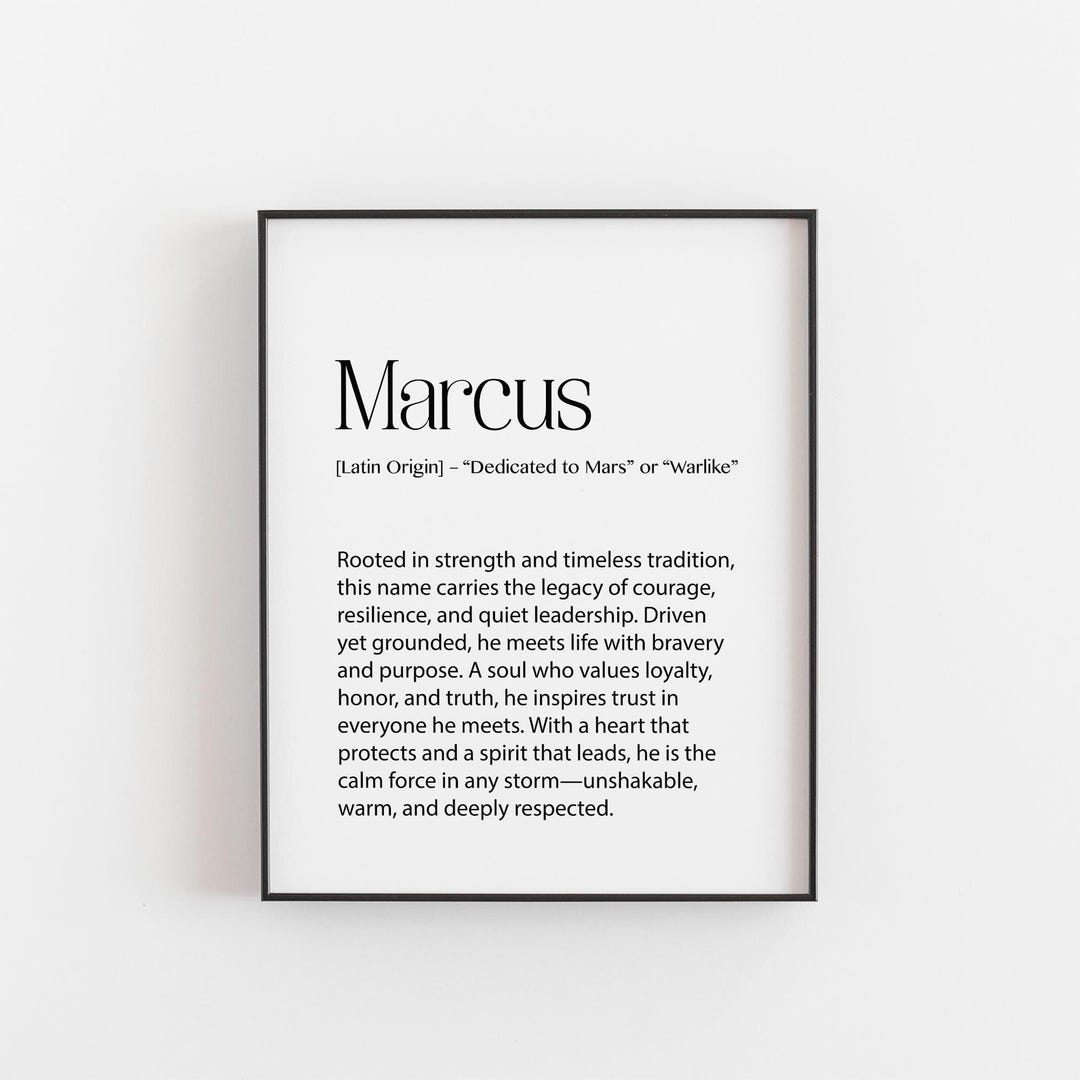
To understand what the Marcus name means in a financial context, one must look beyond the etymology of the Latin name (historically linked to Mars, the god of war) and instead examine its significance as a pivotal shift in personal finance, digital banking, and the democratization of wealth management. Today, Marcus represents a bridge between 150 years of investment banking excellence and the modern consumer’s need for accessible, high-yield financial tools.

The Origin Story: Why Goldman Sachs Chose the Name Marcus
The naming of a financial product is a multi-million dollar strategic decision. For Goldman Sachs, the launch of their consumer-facing platform in 2016 required a brand identity that felt personal, trustworthy, and distinct from the intimidating “Goldman Sachs” moniker that dominated boardroom discussions for decades.
Honoring Marcus Goldman: Bridging Legacy and Modernity
The name is a direct tribute to Marcus Goldman, the German-born banker who founded Goldman Sachs in 1869. By reaching back into their history, the firm sought to humanize a global financial powerhouse. In the “Money” niche, trust is the primary currency. By using the founder’s first name, the brand creates a sense of heritage and personal accountability. It tells the consumer, “We have been managing money for over a century, and now we are bringing that expertise to you.”
This strategic choice was designed to alleviate the coldness often associated with high-finance institutions. Marcus feels like an approachable partner—a personified financial assistant—rather than a monolithic skyscraper in Lower Manhattan.
Shifting from Institutional to Personal Finance
Before Marcus, Goldman Sachs was almost entirely an “institutional” brand. The name “Marcus” signaled a seismic shift in corporate strategy. It meant that the firm was finally opening its doors to the “main street” investor. In financial terms, the name represents the “retailization” of elite banking. It symbolizes a move toward low-friction, high-accessibility banking products that prioritize the individual’s savings goals over corporate mergers and acquisitions.
The Value Proposition: What Marcus Means for Your Money
In the world of personal finance, a name is only as good as the interest rates and terms it offers. Since its inception, Marcus has become synonymous with a specific type of financial philosophy: simplicity combined with high performance.
High-Yield Savings Accounts (HYSA)
For the average saver, Marcus means “yield.” For years, traditional “Big Four” banks offered interest rates on savings accounts that were virtually zero. Marcus entered the market as a disruptor, offering High-Yield Savings Accounts (HYSA) that frequently lead the industry in Annual Percentage Yield (APY).
In this context, the Marcus name means a departure from the “hidden fee” culture of traditional banking. The platform was built on the premise of no monthly fees and no minimum deposit requirements. For the consumer, Marcus means that their liquid cash is working harder, protected by the stability of a massive financial institution but optimized through a lean, digital-first operational model.
Certificates of Deposit (CDs) and Competitive Rates
Beyond standard savings, Marcus expanded into Certificates of Deposit (CDs), including “No-Penalty” CDs. This product innovation is a core part of what the name represents: flexibility. In personal finance, liquidity is often the enemy of high returns. Marcus challenged this by allowing users to earn high interest while maintaining the ability to withdraw funds if an emergency arises. This has made the brand a staple recommendation for those building “emergency funds” or “sinking funds” within their personal portfolios.
Personal Loans and Debt Consolidation
The Marcus brand also represents a transparent approach to lending. Before the firm pivoted its lending strategy, Marcus personal loans were marketed as a tool for debt consolidation. The name came to mean “financial relief” for consumers burdened by high-interest credit card debt. By offering fixed-rate loans with no sign-up or prepayment fees, the Marcus name became a hallmark for “smart debt” management—helping individuals restructure their liabilities to improve their overall net worth.
The Tech-Forward Approach: Marcus as a Financial Tool
While Marcus belongs firmly in the “Money” and “Business Finance” category, its success is rooted in its digital delivery. The name has become a benchmark for how a legacy financial institution can successfully pivot to a “fintech” mindset.
User Experience and Digital Security
When people ask what Marcus means today, they are often referring to the app experience. It signifies a “mobile-first” banking philosophy. Unlike traditional banks with sprawling physical branch networks, Marcus exists primarily on your smartphone. This lean infrastructure is precisely what allows the brand to pass savings on to the customer in the form of higher interest rates.
Security is another pillar of the Marcus identity. Being backed by Goldman Sachs means that the platform carries institutional-grade encryption and multi-factor authentication. In the “Money” niche, Marcus means the marriage of “startup speed” with “Wall Street security.”
Insights and Financial Tracking Tools
Marcus has integrated various financial “insights” tools designed to help users visualize their spending and saving patterns. This turns the bank account into a dashboard for wealth creation. The name has evolved to represent “financial clarity,” providing users with a holistic view of their external accounts, assets, and liabilities. For the modern investor, Marcus is not just a place to store money; it is a tool to measure financial progress.
The Future of Marcus: Strategic Growth and Market Impact
The meaning of the Marcus name continues to evolve as Goldman Sachs refines its consumer strategy. While the firm has recently pulled back from some of its more aggressive retail expansions (such as consumer credit cards), the core Marcus brand remains a powerful force in the savings and wealth management sector.
Competing with Neo-Banks and Fintech Startups
In the broader economy, Marcus represents the counter-offensive of the “Old Guard.” As neo-banks like Chime or SoFi gained popularity, Marcus served as proof that a traditional bank could innovate. To the financial market, the Marcus name means “competitive pressure.” Its presence forces other banks to raise their interest rates and improve their digital interfaces to keep up.
The Long-Term Vision for Retail Banking
Looking ahead, the name Marcus is increasingly tied to “Wealth Management for the Masses.” Goldman Sachs has integrated Marcus into its broader ecosystem, potentially serving as a “top-of-funnel” entry point for individuals who may eventually require more complex investment services.
For the individual user, the name Marcus means a professionalized approach to personal finance. It is an invitation to manage one’s money with the same rigor and data-driven focus that a professional trader would use, but with an interface designed for the everyday person.

Conclusion: A Name Synonymous with Financial Empowerment
So, what does the Marcus name mean?
In the niche of money and finance, it is much more than a historical reference to Marcus Goldman. It is a symbol of the democratization of high-yield finance. It represents a shift away from the “nickel-and-diming” of traditional retail banking toward a model that rewards savers and provides transparent tools for borrowers.
For the investor, Marcus means reliability. In an era of volatile fintech startups, having a high-yield account backed by the capital of Goldman Sachs provides a unique sense of security.
For the saver, Marcus means growth. It is the tool that turned the “lazy” savings account into a productive asset.
For the banking industry, Marcus means disruption. It proved that a 150-year-old institution could reinvent itself for the digital age, setting a new standard for what a consumer bank should look like.
Whether you are looking to park your emergency fund, consolidate high-interest debt, or simply find a banking app that doesn’t charge unnecessary fees, the name Marcus has come to represent a smarter, more institutional approach to personal wealth management. It is a name that honors the past while aggressively building the future of how we interact with our money.
aViewFromTheCave is a participant in the Amazon Services LLC Associates Program, an affiliate advertising program designed to provide a means for sites to earn advertising fees by advertising and linking to Amazon.com. Amazon, the Amazon logo, AmazonSupply, and the AmazonSupply logo are trademarks of Amazon.com, Inc. or its affiliates. As an Amazon Associate we earn affiliate commissions from qualifying purchases.