
The question of “what does lime do for your yard” might immediately conjure images of gardeners meticulously spreading granular or powdered substances across their lawns and garden beds. While the visual is accurate, the true impact of lime extends far beyond its physical presence. This humble amendment is a cornerstone of effective soil management, playing a critical role in optimizing nutrient availability, improving soil structure, and fostering a healthier environment for plant life. Understanding the multifaceted benefits of liming is crucial for anyone seeking to cultivate a thriving and productive yard, whether it’s a lush expanse of lawn, a vibrant vegetable garden, or a flourishing flowerbed.

The Fundamental Role of Soil pH
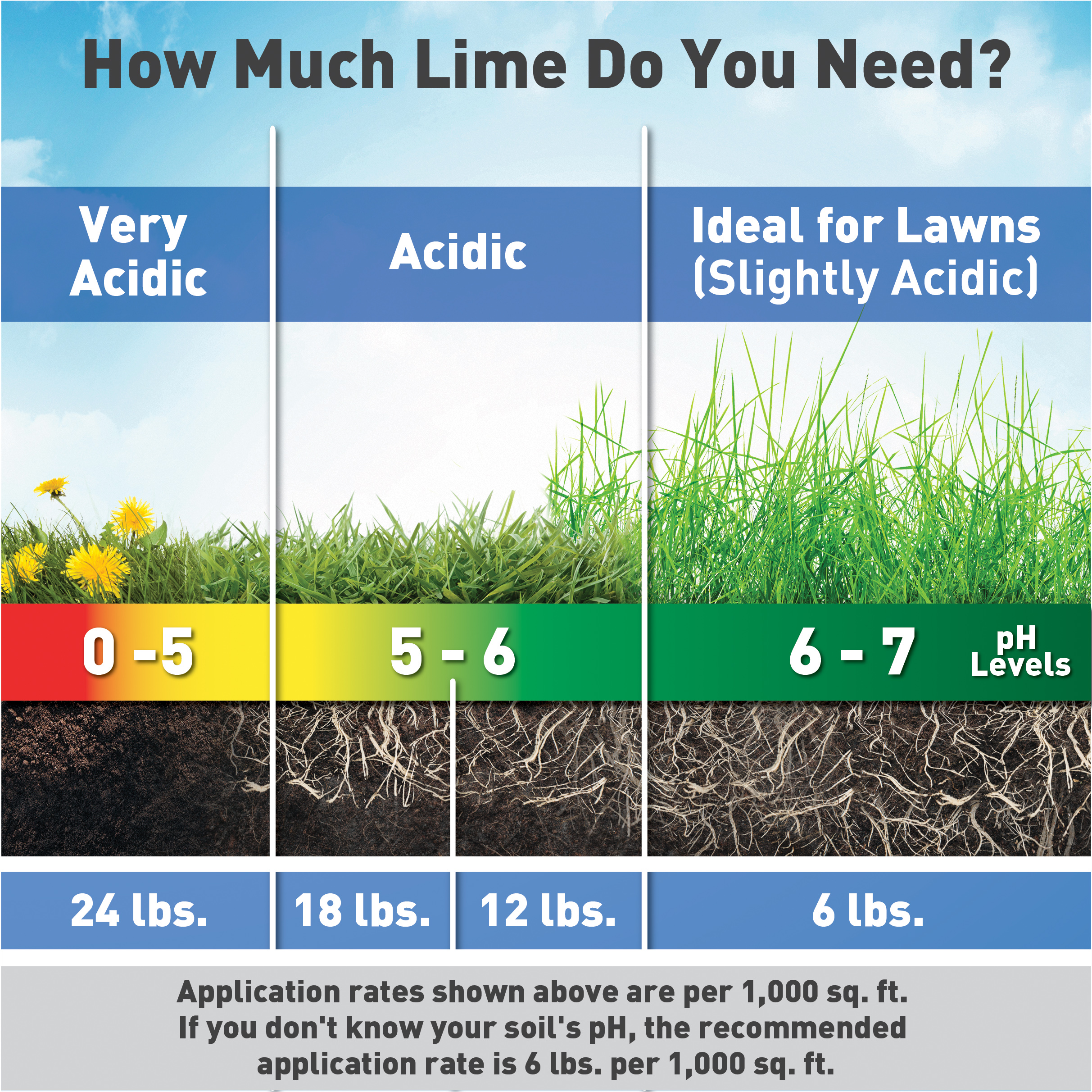
At its core, the primary function of lime is to alter and stabilize soil pH. Soil pH is a measure of the acidity or alkalinity of the soil, expressed on a scale of 0 to 14. A pH of 7 is considered neutral, while values below 7 are acidic, and values above 7 are alkaline. Most plants, and the beneficial microorganisms that support them, thrive in a slightly acidic to neutral pH range, typically between 6.0 and 7.0. However, many soils naturally trend towards the acidic side, especially in regions with high rainfall or where certain types of organic matter decompose.
Understanding Soil Acidity and Its Consequences
When soil becomes too acidic (low pH), several detrimental effects can occur. One of the most significant is the reduced availability of essential nutrients for plant uptake. For instance, phosphorus, a critical nutrient for root development and flowering, becomes less soluble and therefore less accessible to plants in highly acidic soils. Similarly, vital micronutrients like iron and manganese can become so soluble in acidic conditions that they can reach toxic levels, harming plant roots and foliage. Conversely, essential macronutrients like calcium and magnesium can be leached out of the soil more rapidly in acidic environments.
Beyond nutrient availability, acidic soils can also inhibit the activity of beneficial soil microorganisms, such as bacteria and fungi, which are vital for breaking down organic matter and releasing nutrients. Furthermore, the solubility of aluminum and manganese increases dramatically in acidic soils, and these elements can become toxic to plants, hindering root growth and overall plant vigor. Aluminum toxicity, in particular, is a common problem in highly acidic soils, leading to stunted plants and poor performance.
The Alkaline Counterpart: Soil Alkalinity
While acidic soils present a common challenge, excessively alkaline soils (high pH) also have their drawbacks. In alkaline conditions, the availability of micronutrients like iron, manganese, zinc, and copper can be severely limited. This leads to characteristic nutrient deficiency symptoms, such as chlorosis (yellowing of leaves due to lack of chlorophyll), particularly in susceptible plants. While less common than acidity issues in many regions, understanding the pH balance is paramount for addressing a wide range of plant health concerns.
How Lime Adjusts Soil pH
Lime, in its various forms, acts as a base, neutralizing soil acidity. When lime is applied to the soil, it undergoes a chemical reaction that releases calcium and/or magnesium ions. These ions then bind with hydrogen ions (the source of acidity) in the soil solution, effectively removing them and increasing the pH. This process is known as liming.
The Science Behind the pH Shift
The effectiveness of lime in raising soil pH is directly related to its chemical composition and particle size. The most common forms of lime used in gardening are:
- Agricultural Lime (Calcium Carbonate): This is the most widely used and readily available form of lime. It is a naturally occurring mineral that is ground into a powder or granular form. Agricultural lime primarily provides calcium to the soil and is effective at raising pH.
- Dolomitic Lime (Calcium Magnesium Carbonate): This type of lime contains both calcium and magnesium. If your soil is deficient in magnesium, dolomitic lime can be an excellent choice as it addresses both pH and magnesium needs. However, if your soil already has adequate magnesium levels, using dolomitic lime can lead to an imbalance.
- Hydrated Lime (Calcium Hydroxide) and Quicklime (Calcium Oxide): These are more reactive forms of lime that raise pH more rapidly. However, they are also more caustic and can be damaging to plants if not applied with extreme care and in precise quantities. For general yard applications, agricultural lime or dolomitic lime are the safer and more commonly recommended options.
The speed at which lime affects soil pH depends on its fineness. Finer particles react more quickly with the soil, leading to a faster pH adjustment. However, coarser particles provide a longer-lasting effect. Therefore, a balance is often struck in commercial lime products to offer both immediate and sustained benefits. The reaction between lime and soil acids is a gradual process, and it can take several months for the full effect of an application to be realized. This underscores the importance of regular soil testing to monitor pH levels and guide liming strategies.
Beyond pH: Additional Benefits of Lime for Your Yard
While pH adjustment is lime’s primary role, its benefits extend to improving soil structure and enhancing plant health in several other ways. These secondary benefits contribute significantly to the overall vitality of a yard.
Enhancing Nutrient Availability and Uptake

As previously mentioned, a key consequence of raising soil pH is the improved availability of essential plant nutrients. By moving the soil pH closer to the optimal range, lime makes nutrients like phosphorus, potassium, calcium, and magnesium more accessible for plant roots to absorb. This is particularly crucial for establishing healthy root systems and promoting robust growth. Furthermore, lime can help reduce the leaching of valuable nutrients from the soil, ensuring that what is applied or naturally present remains available to plants for longer periods.
Improving Soil Structure and Aeration
Lime plays a vital role in improving soil structure, especially in clay soils. Clay particles are very small and tend to clump together tightly, leading to poor drainage and aeration. When lime is applied to clay soils, the calcium ions in the lime can bind with the clay particles, causing them to aggregate or flocculate. This process creates larger pore spaces within the soil, which improves drainage, reduces compaction, and allows for better air circulation to plant roots. Well-aerated soil is essential for healthy root respiration and the activity of beneficial soil organisms. For sandy soils, lime can help retain moisture and nutrients, as sandy soils tend to have poor water and nutrient holding capacity.
Suppressing Certain Diseases and Pests
While not a fungicide or insecticide in the traditional sense, lime can contribute to a healthier yard ecosystem that is less susceptible to certain diseases and pests. By raising the soil pH, lime can create an environment that is less favorable for some soil-borne fungal pathogens that thrive in acidic conditions. For example, certain types of root rot fungi are more prevalent in acidic soils. A balanced pH can also promote the growth of beneficial soil microbes that compete with or prey upon harmful pathogens, further contributing to disease suppression. Additionally, some gardeners have observed that lime can deter certain garden pests, such as slugs and snails, by creating an irritating barrier on their slimy trails.
Promoting Beneficial Microbial Activity
The health of your yard is inextricably linked to the health of its soil microbiome. A diverse and active community of bacteria, fungi, earthworms, and other microorganisms is essential for breaking down organic matter, cycling nutrients, and building healthy soil structure. Acidic soils can suppress the activity of many of these beneficial organisms. By raising the pH to a more neutral range, lime creates a more hospitable environment for these crucial soil inhabitants, leading to improved soil fertility and overall plant health. Earthworms, in particular, are vital for aerating the soil and incorporating organic matter, and they tend to be more active in soils with a more favorable pH.
Practical Application: When and How to Lime Your Yard
Understanding when and how to apply lime is crucial for maximizing its benefits and avoiding potential pitfalls. The most effective approach is always informed by a soil test.
The Indispensable Role of Soil Testing
Before embarking on any liming program, a soil test is an absolute must. Local extension offices, garden centers, and private laboratories offer affordable soil testing services. A comprehensive soil test will not only determine your soil’s pH but also reveal its nutrient levels and the soil’s cation exchange capacity (CEC), which is a measure of its ability to hold onto nutrients. Armed with this information, you can determine if liming is necessary and, if so, precisely how much lime to apply. Over-liming can be just as detrimental as under-liming, so a soil test is your guiding light. The report will typically provide specific recommendations for the type and amount of lime to apply based on your soil’s current condition and desired pH.
Timing and Frequency of Applications
The best time to apply lime is typically in the fall, after the growing season has ended. This allows the lime ample time to react with the soil and adjust the pH before the next planting season. However, lime can be applied at other times of the year, especially if a significant pH adjustment is needed. For established lawns, applying lime in early spring is also common. It is generally not recommended to apply lime at the same time as applying fertilizers, as the lime can interfere with the fertilizer’s effectiveness.
The frequency of liming depends on several factors, including your soil type, climate, and the pH of your soil. In general, lime is not a quick fix. A single application may be sufficient for several years, while in some cases, annual or biennial applications might be necessary to maintain the desired pH. Your soil test results will provide guidance on the recommended re-application interval. It’s also important to note that some plants, like blueberries and azaleas, prefer acidic soil, so liming would be detrimental to these species. Always be mindful of the specific needs of the plants you are growing.
Application Methods and Best Practices
Lime is available in both powdered and granular forms. Granular lime is generally easier to spread evenly and less dusty, making it a popular choice for homeowners. Both types can be applied using a broadcast spreader, which is designed to distribute materials evenly across the lawn or garden.
- Calculate the Amount: Based on your soil test recommendations, carefully measure the amount of lime needed. It’s better to apply in lighter, more frequent applications rather than one heavy application.
- Even Distribution: Ensure the spreader is calibrated correctly and walk at a consistent pace to achieve uniform coverage. Overlapping passes can lead to too much lime in certain areas.
- Watering In: After application, watering the area thoroughly helps to wash the lime into the soil and initiate the chemical reaction.
- Avoid Application During Wind: Do not apply lime on windy days, as this can lead to uneven distribution and potential respiratory irritation.
- Read the Label: Always read and follow the instructions on the lime product’s packaging.
In conclusion, lime is far more than just a soil additive; it is a fundamental tool for achieving optimal soil health and fostering a thriving yard. By understanding its role in pH regulation, nutrient availability, soil structure, and promoting a balanced ecosystem, gardeners can harness its power to cultivate healthier, more resilient, and more productive landscapes. Regular soil testing remains the cornerstone of any successful liming strategy, ensuring that you provide your yard with precisely what it needs to flourish.
aViewFromTheCave is a participant in the Amazon Services LLC Associates Program, an affiliate advertising program designed to provide a means for sites to earn advertising fees by advertising and linking to Amazon.com. Amazon, the Amazon logo, AmazonSupply, and the AmazonSupply logo are trademarks of Amazon.com, Inc. or its affiliates. As an Amazon Associate we earn affiliate commissions from qualifying purchases.