
The humble ladybug, a beloved symbol of good luck and a champion of garden health, undergoes a remarkable transformation from a seemingly unassuming larva to the iconic winged insect we recognize. For many, the journey of this beneficial predator remains shrouded in mystery, with the appearance of its juvenile stages often unknown. However, in our increasingly digitized world, technology is not just enhancing our understanding of complex systems but also illuminating the intricate details of the natural kingdom. This article delves into the fascinating world of ladybug larvae, not just through a biological lens, but by exploring how technological advancements, from advanced imaging to data analysis, are helping us to visualize, identify, and appreciate these crucial early life stages.
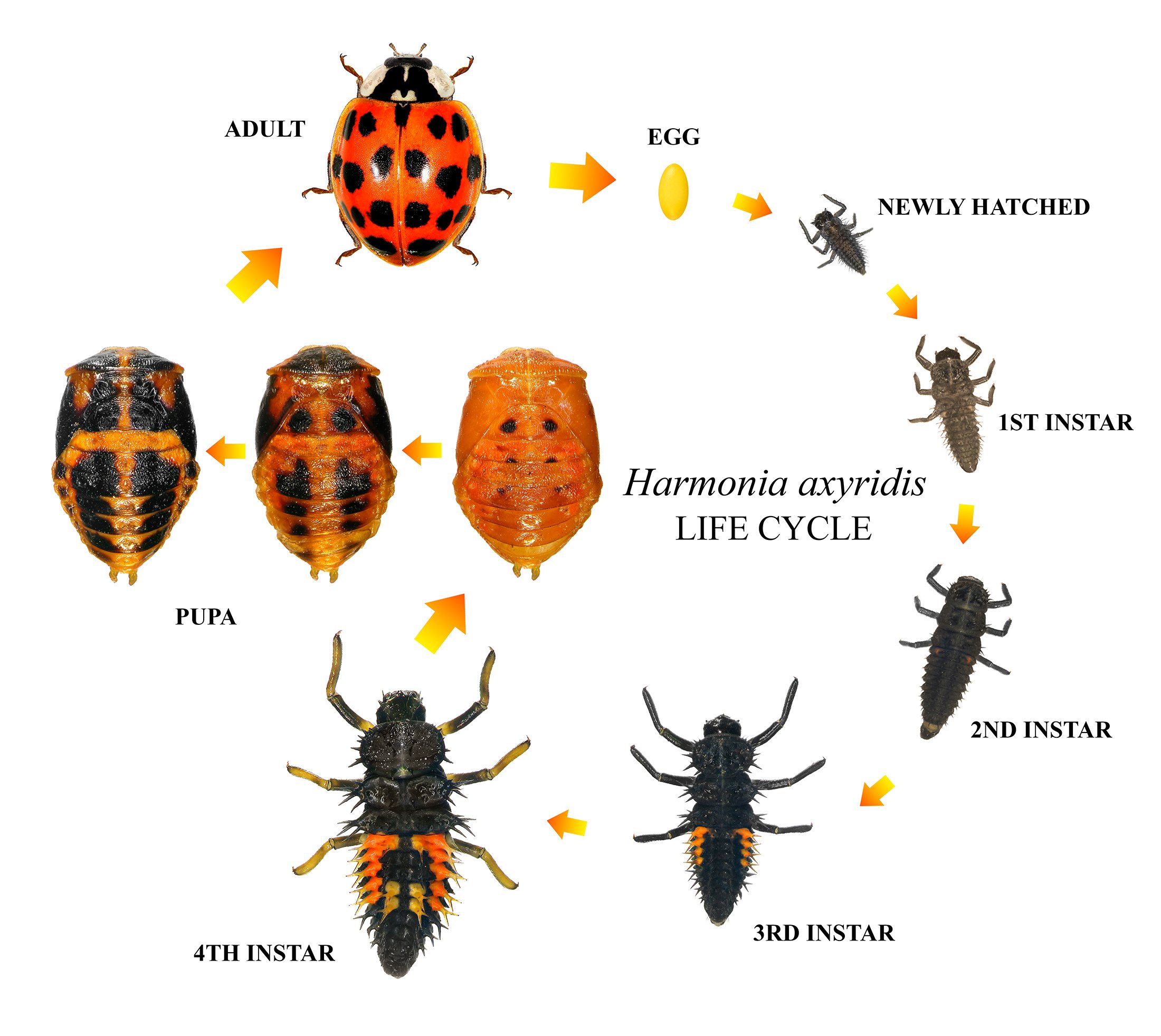
The Unseen Architects: Visualizing Ladybug Larvae with Advanced Imaging
While traditional field guides and backyard observations have long been our primary means of identifying insects, modern technology offers unprecedented clarity and detail in visualizing the natural world. The process of understanding what ladybug larvae look like has been dramatically improved by advancements in imaging technology, allowing for a level of detail that was once unimaginable.
High-Resolution Photography and Macro Lenses: Bringing the Miniature to Life
The most immediate and accessible technological tool for observing ladybug larvae is the sophisticated camera equipment available today. Gone are the days of grainy, out-of-focus snapshots. Modern digital cameras, equipped with high-resolution sensors and advanced autofocus systems, can capture stunningly detailed images of these tiny creatures. However, the true power lies in macro photography.
Macro lenses are specifically designed to achieve high magnification ratios, allowing photographers and researchers to capture intricate details of an insect’s anatomy. With a good macro lens, the textures, segments, and even microscopic hairs on a ladybug larva become vividly apparent. This technology enables us to see beyond the general shape and appreciate the nuanced differences between various species. For instance, the subtle variations in coloration, the arrangement of spines or tubercles, and the distinct patterns on the body of a larva can be crucial for identification, and macro photography makes these features readily observable.
Furthermore, specialized lighting techniques, often employed in conjunction with macro photography, play a vital role. Ring lights, diffuse lighting setups, and even polarized filters can eliminate shadows, reduce glare, and enhance color accuracy, providing a clearer and more comprehensive view of the larva’s morphology. This level of visual fidelity is not just for aesthetic appreciation; it’s fundamental for accurate scientific observation and documentation.
Microscopic Examination and Digital Microscopy: Unveiling Hidden Structures
For a deeper dive into the morphology of ladybug larvae, technology extends beyond visible light photography into the realm of microscopy. While traditional light microscopes have been invaluable for biological study, digital microscopy has revolutionized the field.
Digital microscopes combine optical magnification with digital imaging sensors, allowing for real-time viewing of specimens on a screen. This facilitates group observation and discussion, making it easier for students, hobbyists, and researchers to learn and share findings. More importantly, these digital systems often come with advanced software capabilities. This software can enable precise measurements of larval features, allow for image stacking to create composite images with enhanced depth of field, and facilitate the annotation and cataloging of observations.
Scanning Electron Microscopy (SEM) represents an even more advanced technological frontier. SEM uses a beam of electrons to scan the surface of a specimen, generating highly detailed, three-dimensional images. While less accessible for the average enthusiast, SEM provides an unparalleled view of the surface topography of ladybug larvae, revealing intricate cuticular structures, sensory organs, and defense mechanisms at a scale invisible to the naked eye and even standard light microscopes. This technology is crucial for detailed taxonomic studies and for understanding the evolutionary adaptations of different ladybug species. The ability to visualize these microscopic details directly contributes to a more comprehensive understanding of what ladybug larvae truly look like and how they function.
Decoding the Data: AI, Databases, and Identification Tools
Beyond mere visualization, technology is now actively aiding in the identification and understanding of ladybug larvae. The sheer volume of data generated by advanced imaging, coupled with the complexity of insect taxonomy, necessitates powerful computational tools.
Image Recognition and Machine Learning: Automated Identification
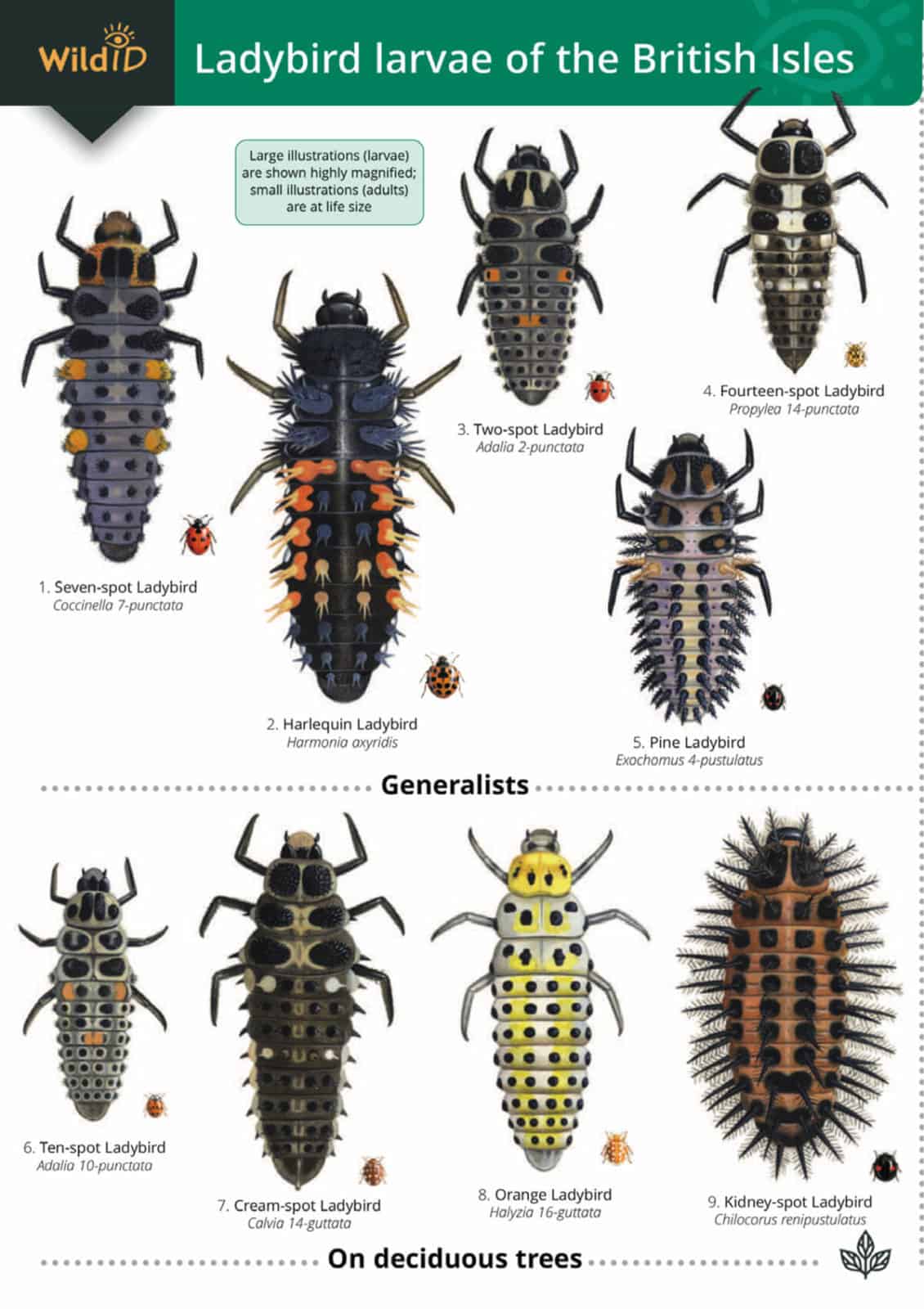
One of the most exciting applications of technology in entomology is the development of AI-powered image recognition systems. Machine learning algorithms, trained on vast datasets of labeled images, can now be used to identify insect species, including their larval stages, with remarkable accuracy.
For citizen scientists and gardeners, this translates into powerful mobile applications. Users can upload photographs of ladybug larvae they encounter, and the AI can process the image, compare it against its database, and provide a likely identification. This democratizes entomological knowledge, empowering individuals to contribute to scientific understanding and gain immediate insights into their local ecosystems. Such tools can help distinguish between beneficial ladybug larvae and potentially harmful pests that might share similar habitats.
The development of these AI models relies on meticulous data curation. Researchers meticulously photograph and label countless specimens, ensuring that the algorithms learn from accurate representations. This process highlights the symbiotic relationship between technological advancement and biological expertise, where each fuels the progress of the other. The ability of AI to rapidly process and analyze visual data significantly speeds up the identification process, moving beyond the limitations of manual comparison with reference materials.
Digital Databases and Online Communities: Collaborative Knowledge Sharing
The accessibility of information through digital databases and online platforms is another technological marvel that enhances our understanding of ladybug larvae. Online repositories store extensive collections of images, scientific literature, and taxonomic keys, making them readily available to anyone with an internet connection.
These databases serve as invaluable resources for both novice and expert entomologists. Researchers can access detailed descriptions, distribution maps, and genetic information related to various ladybug species, facilitating comparative studies. For those curious about the appearance of ladybug larvae, these digital archives provide a wealth of visual evidence, often organized by species, habitat, or developmental stage.
Furthermore, online communities and forums dedicated to entomology and gardening foster collaborative knowledge sharing. Enthusiasts can post photographs of unusual specimens, ask for identification help, and share their observations. This collective intelligence, amplified by the connectivity of the internet, allows for the rapid dissemination of information and the collective solving of identification challenges. In essence, these digital platforms create a global, accessible, and continuously growing library of knowledge about the natural world, including the intricate details of ladybug larval forms.
Beyond Identification: Technology in Larval Ecology and Conservation
The technological engagement with ladybug larvae extends beyond simple identification. Advanced tools are enabling us to study their behavior, ecological roles, and conservation needs in unprecedented ways.
Tracking and Behavioral Analysis: Understanding Larval Dynamics
While tracking microscopic organisms presents significant challenges, technological advancements are making inroads. Miniature tracking devices, though still largely experimental for such small insects, are being developed. More commonly, however, video analysis software is used to study larval behavior in controlled environments or in situ.
High-speed cameras can capture the rapid movements of ladybug larvae as they hunt for aphids or navigate their surroundings. Sophisticated software can then analyze these video feeds to quantify their speed, hunting success rates, and interactions with prey and predators. This data provides crucial insights into their ecological efficiency and their vulnerability to environmental changes. Understanding how larvae move and hunt is directly linked to their effectiveness as biological control agents, a key aspect of sustainable agriculture and pest management.

Environmental Monitoring and Data Integration: Larval Health and Habitats
The health and survival of ladybug larvae are intrinsically linked to their environment. Technology plays a crucial role in monitoring these environmental factors. IoT (Internet of Things) sensors can collect real-time data on temperature, humidity, light levels, and the presence of pesticides within habitats where ladybug larvae thrive.
This environmental data can be integrated with larval population data, allowing researchers to identify correlations and understand the impact of environmental conditions on larval development and survival rates. For example, if a particular agricultural practice leads to a decline in ladybug larvae, the integrated data can pinpoint the contributing environmental factors. This data-driven approach is essential for developing effective conservation strategies and promoting biodiversity in agricultural and urban landscapes. The future of ladybug conservation, and indeed, many insect species, will undoubtedly be shaped by our ability to leverage technology for comprehensive environmental monitoring and data analysis.
In conclusion, the question “what does ladybug larvae look like” is no longer solely answered by a static visual description. Technology, in its myriad forms, has transformed our ability to not only see these fascinating creatures in exquisite detail but also to understand their vital roles in our ecosystems. From the sharp eye of a macro lens and the analytical power of AI to the interconnectedness of digital databases, technology is revealing the hidden wonders of the natural world, one tiny larva at a time. As these tools continue to evolve, our appreciation and efforts to conserve these essential organisms will undoubtedly grow in parallel.
aViewFromTheCave is a participant in the Amazon Services LLC Associates Program, an affiliate advertising program designed to provide a means for sites to earn advertising fees by advertising and linking to Amazon.com. Amazon, the Amazon logo, AmazonSupply, and the AmazonSupply logo are trademarks of Amazon.com, Inc. or its affiliates. As an Amazon Associate we earn affiliate commissions from qualifying purchases.