
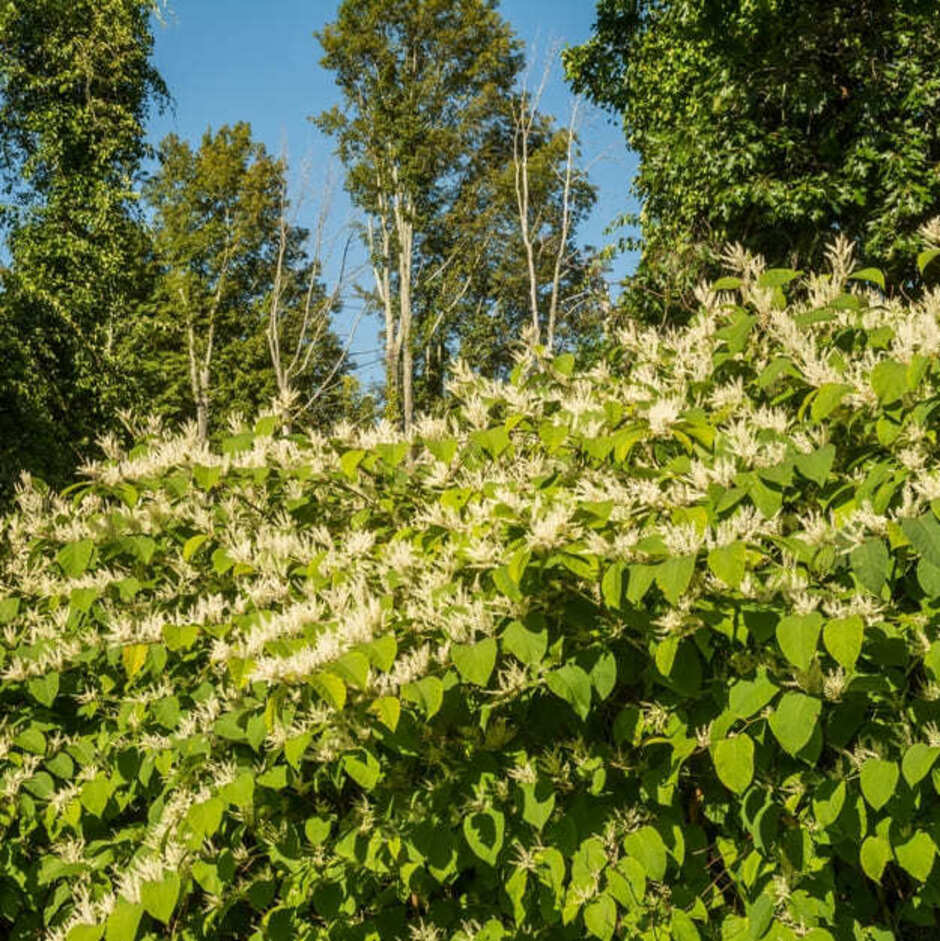
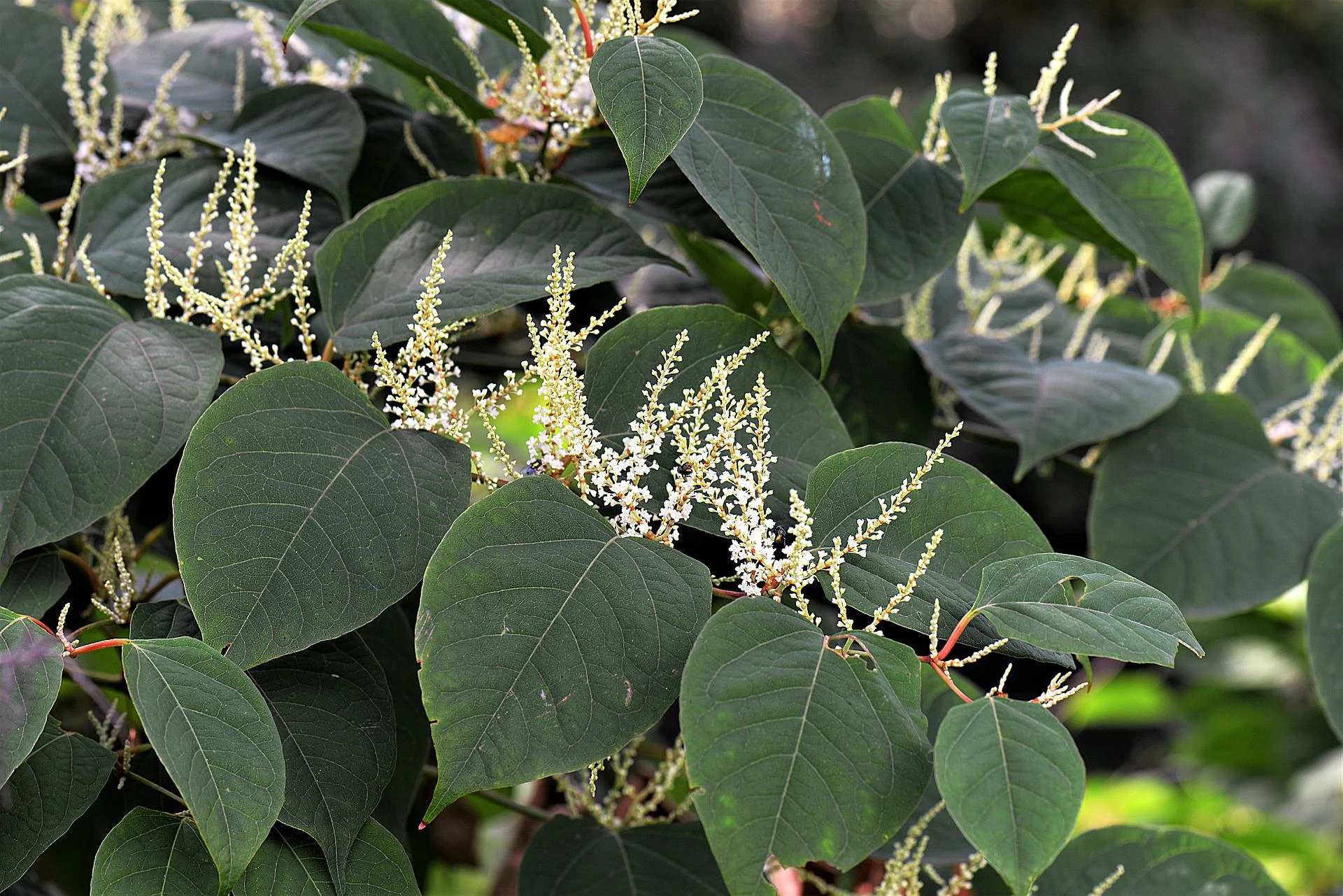
While the visual identification of Japanese Knotweed is crucial for practical management, from a financial and business standpoint, understanding its appearance is the first step in a much larger, and potentially lucrative, ecosystem. This invasive plant, often dreaded by homeowners and property developers, represents a significant financial burden but also a burgeoning market for services and solutions. This article delves into the economic landscape shaped by Japanese Knotweed, exploring the costs associated with its control and eradication, the opportunities it presents for specialized businesses, and the financial implications for various stakeholders.
The Financial Scars of Sightings: Costs Associated with Japanese Knotweed
The initial recognition of Japanese Knotweed, however superficial, triggers a cascade of financial considerations. Its aggressive growth habit and the sheer difficulty of its eradication translate into substantial costs for individuals, businesses, and even local authorities. Understanding these financial repercussions is vital for effective budgeting, risk management, and strategic planning.
Property Devaluation and Mortgage Obstacles
One of the most immediate and impactful financial consequences of Japanese Knotweed infestation is its effect on property value. Lenders and insurers are increasingly wary of properties affected by this invasive species.
The “Knotweed Clause” and Lending Restrictions
Many mortgage lenders now have explicit policies regarding Japanese Knotweed. The presence of the plant, especially within or close to property boundaries, can lead to outright loan refusal or significantly higher interest rates. Surveys conducted before property transactions frequently include specific checks for knotweed, and a positive finding can halt the sale entirely. This creates a potent financial barrier, forcing sellers to either incur the cost of eradication or accept a drastically reduced sale price. The “knotweed clause” in property deeds, or the need for a specialist treatment plan to be in place and guaranteed, adds another layer of financial complexity and potential cost.
Impact on Property Transactions and Development
For property developers, the discovery of Japanese Knotweed can be a project-halting catastrophe. The costs associated with its removal, often involving specialized excavation, containment, and disposal, can run into tens of thousands of pounds, even for relatively small infestations. This expense directly impacts profit margins and can render a development financially unviable. Furthermore, planning permissions can be delayed or denied if a robust knotweed management plan isn’t in place, adding further financial strain through extended holding costs and missed market opportunities. The long-term nature of knotweed eradication also necessitates ongoing monitoring and potential re-treatment, creating a perpetual financial commitment.
The Ever-Present Costs of Eradication and Remediation
Beyond the initial shock of devaluation, the actual process of dealing with Japanese Knotweed incurs significant and often recurring expenses. These costs are driven by the plant’s resilience and the specialized nature of effective treatment methods.
Professional Treatment Methods: A Premium Service
DIY eradication attempts are rarely successful and can, in fact, exacerbate the problem by spreading rhizomes. This reality fuels a robust market for professional Japanese Knotweed removal services. These services typically involve a combination of chemical treatments, excavation, and careful disposal of contaminated soil and plant material. The pricing for these services is influenced by factors such as the extent of the infestation, the accessibility of the site, and the chosen treatment methodology. Herbicide application, while often effective, requires specialized licenses and knowledge to ensure environmental safety and efficacy. Excavation and removal to licensed landfill sites, particularly for contaminated soil, represents a significant logistical and financial undertaking, often requiring heavy machinery and specialized transport.
Long-Term Monitoring and Guarantee Programs
Effective Japanese Knotweed management is not a one-off event. Its persistent nature means that long-term monitoring and guarantee programs are essential. Reputable eradication companies offer warranties that can extend for many years, providing peace of mind but also representing an ongoing financial commitment for the property owner or developer. These guarantees typically involve regular site visits by specialists to check for regrowth and to undertake any necessary follow-up treatments. The financial outlay for these guarantees, while an investment in preventing future costs, can be substantial over the lifespan of a property.
The Knotweed Economy: Business Opportunities and Financial Growth
While Japanese Knotweed presents challenges, its very presence has cultivated a specialized and growing economic sector. For entrepreneurs and established businesses, this invasive plant offers a unique set of opportunities for service provision, product development, and innovation, all contributing to a distinct “Knotweed Economy.”
Specialized Eradication and Consultancy Services
The demand for expert intervention has given rise to a thriving industry focused on Japanese Knotweed control.
The Rise of Knotweed Removal Companies
A significant segment of the economy is dedicated to the physical removal and treatment of Japanese Knotweed. Companies specializing in this niche employ trained technicians, utilize specialized equipment, and possess the necessary licenses for herbicide application and waste disposal. These businesses can range from small, local operations to larger, national enterprises, each capitalizing on the widespread need for their services. The financial success of these companies hinges on their ability to offer effective, guaranteed solutions, maintain competitive pricing, and build a strong reputation within the industry. Marketing efforts often focus on educating potential clients about the risks and costs associated with untreated knotweed, thereby driving demand for their services.
Expert Consultancy and Surveying
Beyond direct removal, there is a substantial market for consultancy and surveying services related to Japanese Knotweed. Property owners, developers, and environmental agencies often require expert advice on identifying, assessing, and managing knotweed infestations.
Pre-Purchase Surveys and Risk Assessments
For homebuyers and sellers, obtaining a professional knotweed survey is often a non-negotiable step in the property transaction process. Surveyors assess the extent of infestation, provide recommendations for treatment, and can often offer guarantees for the work undertaken. This specialized surveying forms a crucial part of the property due diligence process, safeguarding both buyers and sellers from unforeseen financial liabilities. The fees for these surveys contribute directly to the income of specialized environmental consultancies and surveyors.

Strategic Management Planning and Legal Compliance
For larger sites, commercial properties, and development projects, comprehensive knotweed management plans are essential for legal compliance and effective long-term control. Consultants develop these plans, considering the specific site conditions, environmental sensitivities, and legal requirements. These plans often outline a phased approach to eradication, including monitoring schedules, contingency plans, and waste management protocols. The development and implementation of these strategies represent a significant revenue stream for environmental consultancies, requiring deep knowledge of both plant biology and relevant legislation.
Technological Innovations and Product Development
The persistent challenge of Japanese Knotweed has also spurred innovation in related technologies and products, creating new avenues for financial investment and business growth.
Advanced Detection and Monitoring Technologies
The early detection of Japanese Knotweed is critical for effective management and cost control. This has led to the development and adoption of advanced detection and monitoring technologies.
GIS Mapping and Remote Sensing Applications
Geographic Information Systems (GIS) and remote sensing technologies, such as aerial photography and satellite imagery, are increasingly being employed to map the spread of Japanese Knotweed. By analyzing spectral signatures and spatial patterns, these technologies can identify potential infestations over large areas, allowing for targeted surveys and early intervention. This reduces the cost and time associated with traditional ground-based surveys. Businesses developing and offering these GIS mapping services, and the data analysis required, are tapping into a growing demand from land managers, local authorities, and environmental agencies.
Drones and AI for Surveying
The use of drones equipped with high-resolution cameras and specialized sensors is revolutionizing knotweed surveying. Artificial intelligence (AI) algorithms can then be employed to analyze the drone imagery, automatically identifying suspected knotweed patches with remarkable accuracy. This not only speeds up the surveying process but also reduces the risk of human error. Companies that develop or deploy these drone-based AI surveying solutions are at the forefront of technological innovation in this field, offering a more efficient and cost-effective alternative to traditional methods. The investment in developing and refining these AI algorithms is substantial, but the potential returns are significant given the widespread need for accurate knotweed detection.
Specialized Equipment and Treatment Solutions
The unique characteristics of Japanese Knotweed have also driven the development of specialized equipment and treatment solutions.
Innovative Herbicide Formulations and Application Techniques
Research and development into more effective and environmentally sound herbicide formulations for knotweed are ongoing. This includes exploring targeted delivery systems that minimize impact on non-target species. Furthermore, specialized application techniques, such as stem injection or precise spraying, are being developed to maximize efficacy while reducing the overall chemical footprint. Companies involved in the research, development, and manufacturing of these specialized agrochemicals and application equipment stand to benefit from the persistent demand for effective knotweed control.
Containment and Disposal Technologies
Managing the waste generated from knotweed eradication is a significant challenge. Innovations in containment technologies, such as specialized root barriers, and more efficient and environmentally responsible disposal methods are actively being sought. This could include advanced composting techniques or specialized incineration processes. Businesses that develop and supply these innovative containment and disposal solutions play a crucial role in the overall knotweed management chain, offering both environmental benefits and financial opportunities.
Financial Implications for Stakeholders: A Multifaceted Economic Impact
The presence and management of Japanese Knotweed have far-reaching financial implications for a diverse range of stakeholders, influencing investment decisions, operational costs, and long-term financial planning.
Homeowners and Property Managers: Direct Financial Burden
For individual homeowners, encountering Japanese Knotweed can be a significant financial shock. The costs of professional removal, ongoing monitoring, and potential property devaluation can represent a substantial outlay, impacting personal finances and investment portfolios. Property managers face similar challenges, needing to budget for and implement effective control measures to maintain property value and tenant satisfaction. This often involves navigating complex insurance policies and understanding legal obligations.
Developers and Construction Industry: Project Viability and Risk Management
As highlighted earlier, the construction and development industry is particularly exposed to the financial risks associated with Japanese Knotweed. Unforeseen infestations can lead to substantial cost overruns, project delays, and even outright project cancellation. Robust due diligence, including comprehensive site surveys and the allocation of contingency funds for knotweed management, is therefore a critical component of financial planning and risk management within this sector. The development of proactive strategies to mitigate knotweed-related financial risks is essential for ensuring project viability.
Environmental Agencies and Local Authorities: Budgetary Pressures and Regulatory Costs
Environmental agencies and local authorities bear the responsibility for managing invasive species on public land and often provide guidance and support for private landowners. The cost of surveying, treating, and monitoring large-scale knotweed infestations on public property places significant budgetary pressure on these organizations. Furthermore, the development and enforcement of regulations pertaining to invasive species management incur administrative and operational costs. These governmental bodies often invest in research and public awareness campaigns, further contributing to the overall financial landscape shaped by knotweed.
Investors and Financial Institutions: Risk Assessment and Market Opportunities
The financial institutions and investors involved in property development, lending, and environmental services are also directly impacted by Japanese Knotweed. Lenders must assess the risk of knotweed infestation when underwriting mortgages and development loans, impacting their profitability. Investors in companies specializing in knotweed eradication, technology development, or environmental consultancy can find significant opportunities within this growing market. Understanding the financial implications of knotweed is crucial for informed investment decisions, whether it involves mitigating risks or capitalizing on emerging market trends.
In conclusion, while the visual characteristics of Japanese Knotweed are the initial trigger for concern, a deeper understanding of its appearance from a financial and business perspective reveals a complex and dynamic economic landscape. From the significant costs associated with its control and the devaluation of property, to the burgeoning opportunities for specialized businesses and technological innovation, Japanese Knotweed has undeniably shaped a distinct and evolving “Knotweed Economy.” Navigating this landscape requires informed financial planning, strategic risk management, and an appreciation for the innovative solutions emerging to address this persistent botanical challenge.
aViewFromTheCave is a participant in the Amazon Services LLC Associates Program, an affiliate advertising program designed to provide a means for sites to earn advertising fees by advertising and linking to Amazon.com. Amazon, the Amazon logo, AmazonSupply, and the AmazonSupply logo are trademarks of Amazon.com, Inc. or its affiliates. As an Amazon Associate we earn affiliate commissions from qualifying purchases.