
Instagram, the visual playground of the digital age, has become more than just a platform for sharing photos and videos. It’s a curated window into the lives, interests, and opinions of millions. While we often focus on what people post, a more intriguing, and sometimes elusive, piece of information lies in what they like. Understanding someone’s likes on Instagram can offer profound insights into their personality, preferences, and even their online engagement strategies. This article will delve into the technicalities, brand implications, and even the subtle financial echoes of deciphering these digital affirmations, drawing on the core principles of Tech, Brand, and Money.
The Shifting Sands of Instagram’s Like Visibility
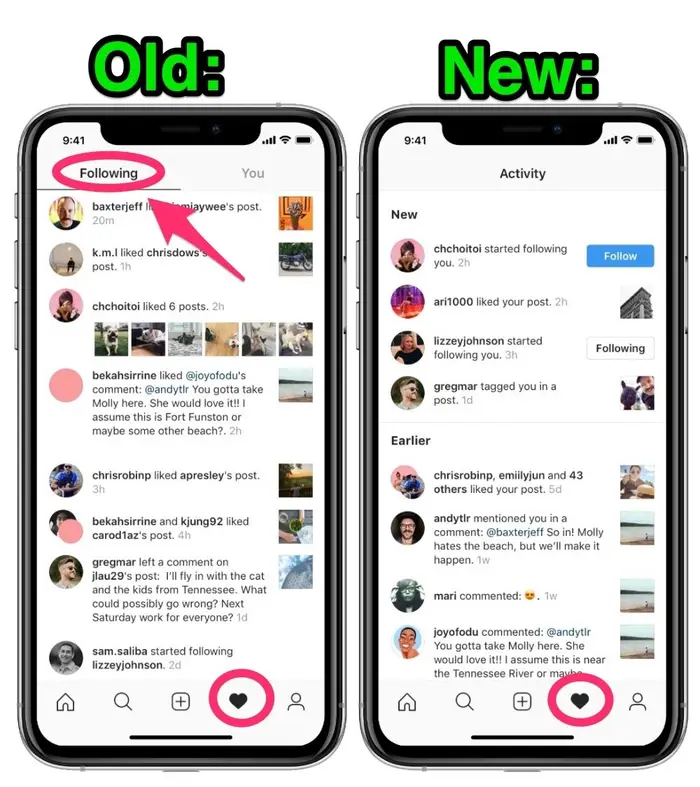
Historically, Instagram offered a more straightforward way to see who liked a particular post. You could tap on the “likes” count and scroll through a list of users who had engaged with that content. This provided a direct, albeit often overwhelming, stream of public affirmation. However, as Instagram evolved, driven by a constant push for new features and user experience refinements, the visibility of likes has undergone significant transformations.
The Public Like Count: A Fading Echo
In a move aimed at reducing social pressure and encouraging more authentic content sharing, Instagram experimented with and eventually rolled out options to hide like counts. This means that for many accounts, you can no longer see the total number of likes on a post, nor can you easily browse through the list of users who liked it. While creators can still see who liked their own posts, this information is no longer readily available to the general public for other users’ content. This shift, while well-intentioned, has made the once simple act of “seeing what someone likes” considerably more complex.
Why the Change? A Deeper Dive into User Psychology and Platform Design
The decision to de-emphasize public like counts wasn’t arbitrary. It stemmed from a growing awareness of the potential negative impacts of constant social comparison and the pressure to achieve high engagement metrics. For many, particularly younger users, the pursuit of likes can become a source of anxiety and self-doubt. By making like counts private, Instagram aimed to foster a more positive and less competitive environment.
From a platform perspective, this move can also be seen as a strategic decision to encourage more diverse content creation. When the focus shifts away from the quantifiable “like” metric, users might feel more empowered to share content that is genuinely meaningful to them, rather than content they believe will garner the most likes. This can lead to a richer and more varied content ecosystem, benefiting all users in the long run.
Navigating the Tech Landscape: Tools and Limitations
While the direct visibility of likes has diminished, the underlying data still exists. This is where the realm of technology, particularly app development and data analysis, comes into play. However, it’s crucial to approach any “solutions” with a healthy dose of skepticism and an understanding of ethical boundaries.
The Allure of Third-Party Apps: Promises and Perils
The desire to see what others are liking has naturally led to the development of third-party applications and websites that claim to offer this functionality. These tools often work by scraping public data or, in some cases, by requesting access to your Instagram account.
How They Might Work (and the Risks Involved):
- Data Scraping: Some tools attempt to scan public profiles and posts, extracting information that is still visible, such as comments and follower lists. If a user has a public profile, their interactions might be cataloged. However, this method is often slow, incomplete, and prone to breaking as Instagram updates its platform.
- Account Permissions: More sophisticated (and riskier) tools might ask you to log in to your Instagram account through their platform. They then leverage your authenticated access to pull data that you can see within your own account. This could include your activity log, which sometimes contains information about posts you’ve recently interacted with, or potentially even the activity of accounts you follow, though this is less common and highly dependent on Instagram’s API permissions.
The Significant Dangers:
It is paramount to understand that using most third-party apps to access private user data, including likes, is against Instagram’s Terms of Service. This can lead to:
- Account Suspension or Banning: Instagram actively monitors for suspicious activity and unauthorized data access. If detected, your account could be temporarily suspended or permanently banned.
- Security Risks: Granting login credentials to untrusted third-party apps exposes your account to potential hacking, phishing scams, and data theft. Your personal information, including your login details, could be compromised.
- Privacy Violations: Even if an app claims to be ethical, it may be collecting more data than it discloses, potentially sharing or selling your information without your consent.
- Inaccuracy and Unreliability: The Instagram API is complex and subject to frequent changes. Tools that rely on it are often outdated, inaccurate, or cease to function altogether.
The Ethical Quandary:
Beyond the technical risks, there’s an ethical dimension to consider. Attempting to circumvent privacy settings and view information that a user has opted to keep private raises questions about digital etiquette and respecting boundaries.
Leveraging Your Own Activity Log: A Glimpse, Not a Revelation
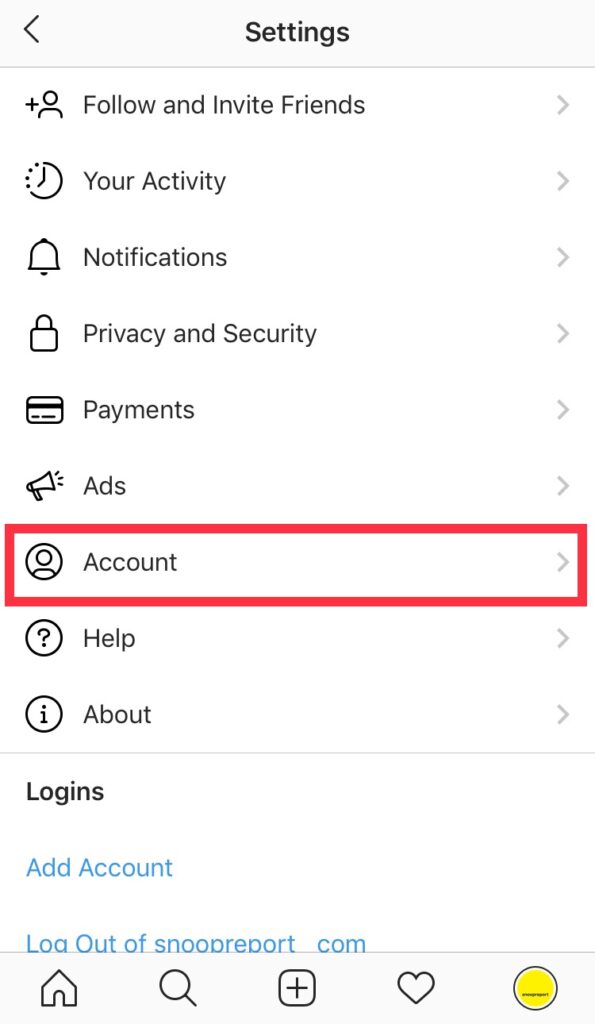
Instagram does provide a way for you to see your own activity. Within your Instagram settings, you can often find an “Activity” or “Your Activity” section. This log typically shows:
- Comments you’ve left: This is a direct indicator of your engagement and interest.
- Posts you’ve saved: This reveals content you found particularly compelling or useful.
- Posts you’ve liked (historically): While the current interface focuses on newer interactions, older data might be preserved here.
- Accounts you’ve recently followed or unfollowed.
While this doesn’t directly show you someone else’s likes, it offers a powerful way to understand your own digital footprint and the kind of content that captures your attention. By extension, if you were to hypothetically have access to a public account’s activity log (which is generally not possible in a consolidated way), you could infer their interests. However, this is a hypothetical scenario, as Instagram limits this access.
The Brand Implications: Understanding Audience Engagement
From a brand perspective, understanding audience engagement, including what content resonates through likes, is crucial for strategic marketing and audience development. Even with the reduced visibility of individual likes, brands still have methods to glean insights.
Indirect Indicators: The Power of Observation
While direct like counts are less visible, brands can still observe engagement through other metrics and qualitative analysis:
- Comment Sections: The comments section of a post is a goldmine of user sentiment and interaction. A lively and positive comment section often indicates that a post has struck a chord with the audience.
- Saves and Shares: While not always publicly displayed, Instagram’s internal analytics for business accounts reveal how many times posts have been saved or shared. These are strong indicators of valuable or highly appreciated content.
- Engagement Rate: Even without knowing the exact number of likes, brands can calculate their engagement rate by dividing the total number of engagements (likes, comments, saves, shares) by their follower count. This provides a benchmark for how well their content is performing relative to their audience size.
- Follower Growth and Decline: Significant spikes or drops in follower count can be correlated with specific content campaigns or types of posts, offering an indirect insight into what resonates.
Analyzing Competitor Engagement: A Strategic Advantage
Brands can also conduct a form of “competitor analysis” by observing the content that performs well for similar accounts. If a competitor’s post consistently garners a high number of comments and shares (even if the likes are hidden), it suggests that the type of content, the topic, or the visual style is appealing to a shared audience. This allows brands to adapt their own content strategy to emulate successful approaches.
Personal Branding and Authentic Connection
For individuals building a personal brand, understanding what content elicits positive reactions, even if not directly visible as “likes,” is vital. Focusing on creating authentic, valuable, and engaging content that sparks conversations and encourages saves will ultimately build a stronger connection with an audience. The emphasis shifts from a vanity metric to genuine connection and perceived value.
Money Matters: The Ethereal Value of Digital Affirmation
The connection between Instagram likes and “money” might seem tenuous, but it’s more interconnected than one might initially think, particularly in the digital economy.
Influencer Marketing and the Power of Perceived Popularity
In the world of influencer marketing, likes (historically and in some contexts still) served as a tangible, albeit often inflated, proxy for popularity and reach. Brands would partner with influencers based on their perceived audience engagement, and a higher number of likes could translate to higher earning potential.
- The “Like Economy”: While less transparent now, the perceived “likeability” of an account still influences brand partnerships. Even if you can’t see individual likes, an account with consistent, high-quality engagement across comments, shares, and saves will be more attractive to brands.
- Measuring ROI: For brands, tracking the engagement their sponsored content receives, even with obscured likes, is crucial for measuring their return on investment (ROI).
Monetizing Content Beyond Likes
The evolution of Instagram’s features and the shift away from public like counts have encouraged creators to diversify their monetization strategies.
- Brand Deals and Sponsorships: These are still the cornerstone, but now rely more on a holistic view of engagement and audience demographics, not just likes.
- Affiliate Marketing: Promoting products and earning commissions based on sales generated through unique links. This is less about a “like” and more about direct conversion.
- Selling Products and Services: Directly using Instagram as a storefront to drive sales for their own e-commerce ventures or service-based businesses.
- Creator Funds and Subscriptions: Platforms are increasingly offering direct monetization options that are not tied to public metrics like likes, but rather to overall content quality and community building.
The Financial Cost of Misinformation and Risky Tools
The pursuit of “seeing someone’s likes” can also have direct financial implications, primarily negative.
- Wasted Money on Ineffective Tools: Many third-party apps and services that promise access to private data are scams or simply don’t work. Individuals might spend money on subscriptions or one-time purchases for tools that offer no real value or, worse, compromise their account security.
- Financial Repercussions of Account Bans: If an account is banned due to violations of Instagram’s terms of service (which using such tools can lead to), any income-generating potential associated with that account is lost. This can represent a significant financial setback for influencers and businesses.
Conclusion: The Evolving Landscape of Digital Insight
The question of “how to see what posts someone likes on Instagram” has transformed from a simple technical query into a complex interplay of user privacy, platform evolution, technological limitations, brand strategy, and financial considerations. While the direct, public visibility of likes has largely receded, the underlying desire for insight into audience preferences and digital engagement remains.
From a tech perspective, the tools that claim to offer this insight are often fraught with risks, violating terms of service and jeopardizing user security. It’s crucial to prioritize digital safety and adhere to platform guidelines.
From a brand standpoint, the focus has shifted towards a more holistic understanding of audience engagement through comments, shares, saves, and overall interaction patterns. Indirect observation and strategic analysis are now more valuable than ever.
And in the realm of money, the diminished emphasis on likes has encouraged creators to develop more robust and diversified monetization strategies, moving beyond vanity metrics to build sustainable online businesses.
Ultimately, while the allure of uncovering hidden digital affirmations persists, navigating Instagram’s evolving landscape requires a strategic, ethical, and informed approach, focusing on genuine connection and valuable content over circumventing privacy. The true insight lies not just in what someone likes, but in why, and how those digital signals can be interpreted responsibly to foster growth and understanding in the digital world.
aViewFromTheCave is a participant in the Amazon Services LLC Associates Program, an affiliate advertising program designed to provide a means for sites to earn advertising fees by advertising and linking to Amazon.com. Amazon, the Amazon logo, AmazonSupply, and the AmazonSupply logo are trademarks of Amazon.com, Inc. or its affiliates. As an Amazon Associate we earn affiliate commissions from qualifying purchases.