
Black light, also known as ultraviolet (UV) light, is more than just a party trick or a tool for discovering hidden stains. In the realm of technology, it acts as an invisible illuminator, revealing phenomena that are imperceptible to the naked eye. From verifying the authenticity of currency to diagnosing medical conditions and aiding in scientific research, black light technology has carved out essential niches across various sectors, demonstrating its remarkable utility in unveiling the unseen. This article delves into the technological applications of black light, exploring how its unique properties allow us to perceive the world in a fundamentally different way.

The Science Behind the Glow: Understanding UV Fluorescence
At its core, the magic of black light lies in the phenomenon of fluorescence. When ultraviolet light, specifically UVA radiation, strikes certain materials, it excites electrons within those materials. As these electrons return to their ground state, they release energy in the form of visible light. This emitted light, or fluorescence, is typically of a longer wavelength than the UV light that initiated it, making it visible to our eyes. Black lights are designed to emit primarily in the UVA spectrum (315-400 nanometers), while filtering out most of the visible light that would otherwise overwhelm the fluorescence. This selective illumination is what allows the hidden colors and patterns to emerge.
The Electromagnetic Spectrum and UV Light
To truly appreciate what black light shows us, it’s important to understand its place within the electromagnetic spectrum. The spectrum encompasses all forms of electromagnetic radiation, from radio waves with their long wavelengths to gamma rays with their incredibly short wavelengths. Visible light, the portion we can see, occupies a narrow band within this spectrum. Ultraviolet light sits just beyond the violet end of the visible spectrum, meaning it has a shorter wavelength and higher energy than violet light. While we cannot see UV light directly, its interaction with specific materials is what generates the visible fluorescence we observe under a black light.
Fluorescence vs. Phosphorescence: A Key Distinction
While often used interchangeably in casual conversation, fluorescence and phosphorescence are distinct but related phenomena. Fluorescence occurs when a material absorbs UV light and immediately emits visible light. This glow stops as soon as the UV source is removed. Phosphorescence, on the other hand, involves a delay in the re-emission of light. Phosphorescent materials absorb UV energy and then release it slowly over time, continuing to glow even after the UV source is turned off. This is the principle behind glow-in-the-dark stars and stickers. Black light primarily exploits fluorescence for its practical applications.
Everyday Illuminations: Practical Applications of Black Light Technology
The technological applications of black light are surprisingly diverse, permeating our daily lives in ways we might not even realize. From ensuring the integrity of our money to making everyday objects more visible, black light’s ability to reveal hidden markers and properties has made it an indispensable tool.
Currency Verification and Security Features
One of the most common and crucial applications of black light technology is in the verification of currency. Most modern banknotes are embedded with security features that are only visible under UV light. These features can include fluorescent threads, watermarks, and microprinting that glow in specific colors when exposed to UVA radiation. This technology allows for quick and reliable authentication of genuine currency, helping to combat counterfeiting. Banks, retailers, and even individuals can use portable black lights to ensure they are handling legitimate money.
How Security Features Work Under UV
Banknotes are printed with special inks that contain fluorescent compounds. These compounds are either integrated into the paper during its manufacturing process (like security threads) or applied as part of the printing. When a black light shines on these features, the fluorescent compounds are excited and emit light in specific wavelengths, creating visible patterns or colors that are difficult to replicate with standard printing techniques. The complexity and uniqueness of these patterns vary by currency and denomination, making them a robust defense against forgery.
Detecting Counterfeit Money
The presence of these UV-reactive security features is a primary indicator of genuine currency. Counterfeiters often struggle to replicate these complex fluorescent inks and threads accurately. Therefore, a banknote that fails to exhibit its expected UV-reactive security features is highly suspect. While not the sole method of detection, a black light check is a swift and effective first-line defense against counterfeit money.
Forensics and Crime Scene Investigation
In the field of forensics, black light is an invaluable tool for crime scene investigation. Its ability to reveal trace evidence that is otherwise invisible to the naked eye can be the key to unlocking critical information about a crime.
Revealing Bodily Fluids and Trace Evidence
Many biological substances, such as semen, saliva, and certain types of blood, fluoresce under UV light. This allows investigators to quickly identify and locate these trace elements at a crime scene, even if they have been cleaned or are not immediately apparent. Beyond bodily fluids, other materials like certain fibers, hairs, and even residue from explosives can exhibit fluorescence under UV illumination, providing crucial links between suspects and the scene.
Document Examination and Forgery Detection
Black light is also used to examine documents for alterations, erasures, or the use of invisible inks. Some inks used for authenticating documents or for hidden messages will fluoresce under UV light, revealing their presence. Conversely, an alteration made with a different ink might not fluoresce, or it might fluoresce in a different color, indicating tampering. This makes black light a vital component in the analysis of letters, wills, contracts, and other important documents.
Industrial and Quality Control Applications
Beyond security and forensics, black light technology plays a significant role in various industrial and quality control processes, ensuring product integrity and safety.
Leak Detection in Plumbing and Automotive Systems
A common industrial application is leak detection. A fluorescent dye is added to a fluid, such as coolant in an automotive system or water in a plumbing network. When the system is operated and then illuminated with a black light, any leaks will reveal themselves as bright, glowing patches of the dye, making it easy to pinpoint the source of the problem, even in hard-to-reach areas.
Material Inspection and Defect Identification
In manufacturing, black light can be used to inspect materials for defects. For instance, in the production of plastics or coatings, a fluorescent penetrant can be applied. This penetrant seeps into any cracks or voids in the material. When the excess penetrant is removed and the object is exposed to black light, the penetrant remaining in the defects will fluoresce, making even microscopic flaws visible. This is crucial for ensuring the structural integrity and longevity of manufactured goods.
Inspection of Artwork and Antiques
The art world also benefits from black light technology. Conservators and authenticators use UV light to examine paintings and other artworks. Certain pigments and varnishes fluoresce differently under UV light, allowing experts to identify repairs, overpainting, or the age of a particular material. This can be instrumental in determining the authenticity and value of an artwork.
Beyond the Obvious: Advanced and Niche Applications
The utility of black light extends into more specialized and advanced technological domains, demonstrating its versatility and importance in scientific research and specialized fields.
Biological and Medical Imaging
In biology and medicine, black light, or UV fluorescence microscopy, is a powerful technique for visualizing cellular structures and identifying specific molecules.
Staining and Visualization of Microorganisms
Various fluorescent stains are available that bind to specific components of cells, such as DNA or proteins. When these stained cells are viewed under a black light microscope, these components light up, allowing researchers to study cell morphology, track cellular processes, and identify the presence of microorganisms. For example, certain bacteria and fungi exhibit natural fluorescence, aiding in their identification.
Medical Diagnostics and Research
In medical diagnostics, UV fluorescence can be used to detect certain infections or conditions. For example, some skin conditions can be visualized more clearly under UV light. In research, fluorescent probes are widely used to study biological pathways, gene expression, and the distribution of drugs within the body. UV fluorescence imaging is a cornerstone of modern biomedical research.
Fluorescence Spectroscopy and Material Analysis
Fluorescence spectroscopy is a sophisticated analytical technique that uses excitation by UV light to measure the fluorescence emitted by a sample. This technique provides a highly sensitive and selective method for identifying and quantifying various substances.
Identifying Chemical Compounds and Their Concentrations
Different chemical compounds fluoresce at different wavelengths and with varying intensities when exposed to UV light. By analyzing the excitation and emission spectra of a sample, scientists can identify the presence of specific chemicals and determine their concentrations. This has applications in environmental monitoring, pharmaceutical analysis, and chemical research.
Studying Molecular Interactions and Dynamics
Fluorescence spectroscopy can also be used to study the dynamics of molecules and their interactions. By tagging molecules with fluorescent markers, researchers can observe how they move, bind to other molecules, and undergo conformational changes. This provides invaluable insights into complex biological and chemical processes.
Entertainment and Special Effects
While not as critical as its scientific or security applications, black light has a significant presence in the entertainment industry, creating visually striking effects.
Stage Lighting and Theatrical Productions
In theaters and concert venues, black lights are used to make fluorescent costumes, props, and makeup glow dramatically. This creates a surreal and captivating visual experience for audiences, often used to highlight specific elements or create an otherworldly atmosphere.
Glow Parties and UV Art Installations
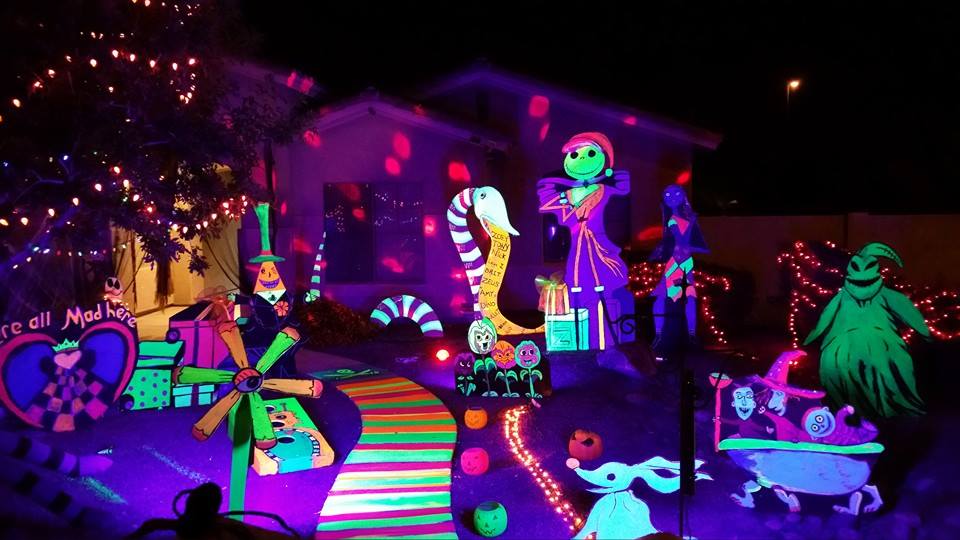
The popularity of “glow parties” and UV art installations has surged, fueled by the visual appeal of fluorescent materials under black light. From glowing paints and body art to fluorescent decorations, black light transforms ordinary spaces into vibrant, energetic environments, showcasing the playful and artistic potential of fluorescence technology.
Conclusion: The Enduring Power of the Invisible
Black light technology, by revealing the unseen through the principles of fluorescence, has proven itself to be an indispensable tool across a vast spectrum of applications. From safeguarding our financial systems and solving complex criminal investigations to advancing cutting-edge scientific research and adding a unique dimension to entertainment, its impact is both profound and far-reaching. As technology continues to evolve, the understanding and application of UV fluorescence are likely to expand further, uncovering even more ways in which this invisible light can illuminate our world and enhance our lives. The next time you encounter a glow, remember that it’s not magic, but the elegant and powerful application of technological principles at work, revealing the hidden beauty and functionality within the ordinary.
aViewFromTheCave is a participant in the Amazon Services LLC Associates Program, an affiliate advertising program designed to provide a means for sites to earn advertising fees by advertising and linking to Amazon.com. Amazon, the Amazon logo, AmazonSupply, and the AmazonSupply logo are trademarks of Amazon.com, Inc. or its affiliates. As an Amazon Associate we earn affiliate commissions from qualifying purchases.