
The operating room (OR) is a highly specialized and demanding environment within healthcare, where complex surgical procedures are performed with precision and care. At the heart of this critical space are operating nurses, also known as perioperative nurses. Their role extends far beyond simply assisting the surgeon; they are integral members of the surgical team, responsible for patient safety, instrument management, and the seamless flow of the entire surgical process. This article delves into the multifaceted responsibilities of an operating nurse, exploring their crucial contributions from pre-operative preparation to post-operative recovery, and highlighting the advanced technological integration that defines their modern practice within the Tech niche.

The Perioperative Journey: A Tech-Centric Perspective
The journey of a patient undergoing surgery is meticulously managed by the operating nurse, with technology playing an increasingly vital role at every stage. This technologically advanced approach ensures enhanced patient outcomes, improved efficiency, and greater safety within the operating theatre.
Pre-operative Preparation: Leveraging Digital Tools for Readiness
Before the first incision is made, the operating nurse is actively engaged in preparing both the patient and the surgical environment, utilizing a suite of digital tools to ensure optimal readiness. This phase is characterized by meticulous documentation, equipment checks, and patient education, all of which are being revolutionized by technological advancements.
Digital Patient Assessment and Pre-Op Charting
The traditional paper chart is rapidly being replaced by sophisticated Electronic Health Records (EHRs). Operating nurses utilize these systems to access comprehensive patient histories, including allergies, past medical conditions, medications, and previous surgical outcomes. This digital access allows for a more thorough and immediate understanding of the patient’s unique needs, enabling the nurse to anticipate potential complications and tailor their care accordingly. Real-time updates within the EHR ensure that the entire surgical team has access to the most current patient information, fostering a collaborative and informed approach. Furthermore, digital checklists and assessment tools integrated within EHRs help standardize pre-operative evaluations, reducing the risk of human error and ensuring all critical aspects are addressed.
Advanced Sterilization and Instrument Tracking Systems
Maintaining a sterile environment is paramount in the OR, and technology plays a crucial role in achieving this. Operating nurses work with automated sterilization equipment, such as autoclaves with advanced tracking capabilities. These systems often employ barcode scanning or RFID tags to monitor the sterilization cycles of each instrument set, ensuring they have undergone the appropriate decontamination process and are within their expiry dates for use. Beyond sterilization, sophisticated instrument tracking systems, often utilizing RFID technology embedded in surgical instruments, allow nurses to account for every item used during surgery. This not only prevents the loss of valuable equipment but, more importantly, eliminates the risk of foreign objects being left inside the patient – a critical safety measure. These systems can also generate reports on instrument usage and maintenance needs, contributing to efficient inventory management and proactive equipment upkeep.
Virtual Reality for Patient Education and Anxiety Reduction
The psychological impact of surgery on patients cannot be understated. Operating nurses are increasingly leveraging Virtual Reality (VR) technology to help alleviate patient anxiety and improve understanding of surgical procedures. Through immersive VR experiences, patients can virtually walk through the operating room, see the equipment that will be used, and gain a clearer picture of what to expect during their surgery. This not only demystifies the process but also empowers patients with knowledge, leading to a greater sense of control and reduced stress levels. VR simulations can also be used to guide patients through pre-operative instructions, such as fasting guidelines or medication schedules, in a more engaging and memorable way than traditional verbal or written instructions.
The Surgical Field: Orchestrating a Tech-Enhanced Procedure
During the surgery itself, the operating nurse acts as the eyes and hands of the surgeon, orchestrating a highly synchronized dance of instruments, equipment, and patient care, all supported by a sophisticated technological infrastructure.
Surgical Instrument Management and Robotic Assistance
The sterile field is the operating nurse’s domain, and meticulous management of surgical instruments is a cornerstone of their role. In today’s OR, this management is increasingly supported by technology.
Smart Instrument Trays and Robotic Endoscope Holders
Smart instrument trays utilize integrated sensors to monitor the presence and location of instruments. These trays can alert the scrub nurse if an instrument is missing or misplaced, further enhancing patient safety. Furthermore, the advent of robotic surgery has introduced new technological frontiers for operating nurses. While surgeons control the robotic arms, operating nurses play a vital role in setting up the robotic system, ensuring all components are functioning correctly, and managing the robotic instruments. They may also be responsible for operating the robotic console, assisting the surgeon in navigating the robotic instruments and providing camera control. This collaborative approach with robotic systems requires specialized training and a deep understanding of the technology involved.
Advanced Imaging and Navigation Systems
Intraoperative imaging technologies, such as C-arms, portable X-ray machines, and intraoperative MRI or CT scanners, are crucial tools used during surgery. Operating nurses are adept at operating and managing these imaging devices, ensuring that the surgeon has access to real-time visual feedback to guide their procedures. Navigation systems, often utilizing advanced software and tracking devices, allow surgeons to precisely locate anatomical structures within the patient’s body. The operating nurse is responsible for setting up and calibrating these navigation systems, ensuring their accuracy and providing technical support to the surgical team throughout the procedure. This technological integration allows for minimally invasive surgeries with greater precision and reduced operative times.
Patient Monitoring and Anesthesia Support
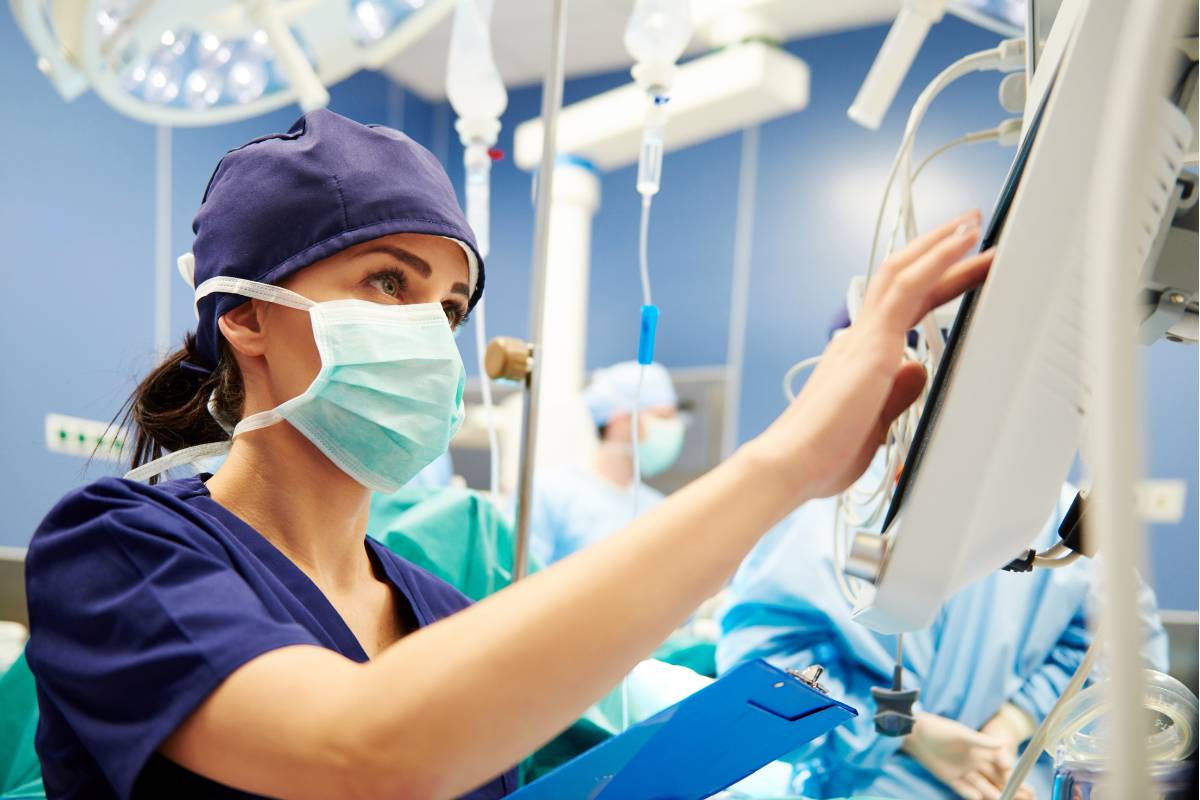
Continuous and accurate patient monitoring is a non-negotiable aspect of surgical care. Operating nurses work closely with anesthesia providers, utilizing a wide array of advanced monitoring equipment to ensure patient stability.
Real-time Physiological Data Stream and Alarms
Operating nurses oversee a vast array of monitors displaying vital physiological data, including heart rate, blood pressure, oxygen saturation, EKG readings, and respiratory parameters. These devices often transmit data wirelessly to a central monitoring station, allowing for continuous, real-time observation. Sophisticated alarm systems are integrated into this technology, alerting the nursing staff to any deviations from normal physiological ranges. The operating nurse must be proficient in interpreting these alarms, understanding their significance, and responding promptly and effectively. This requires a deep understanding of both the patient’s condition and the functionality of the monitoring technology.
Advanced Ventilator and Fluid Management Systems
For patients under general anesthesia, mechanical ventilation is essential. Operating nurses work with advanced ventilators, adjusting settings based on patient needs and monitoring respiratory function. They also manage fluid and electrolyte balance, often utilizing sophisticated infusion pumps that can be programmed for precise medication delivery and fluid administration. These pumps offer advanced features such as barcode scanning for medication verification, reducing the risk of errors. The accurate calculation and administration of fluids and medications are critical for maintaining hemodynamic stability, and these technological tools empower nurses to achieve this with greater accuracy and safety.
Post-operative Recovery: Technological Facilitation of Healing
The operating nurse’s role doesn’t end when the last stitch is placed. They are instrumental in the immediate post-operative phase, ensuring a smooth transition to recovery, with technology continuing to play a supportive role.
Post-Anesthesia Care Unit (PACU) Technology Integration
The Post-Anesthesia Care Unit (PACU), often referred to as the recovery room, is where patients are closely monitored as they emerge from anesthesia. Operating nurses often work in PACU settings, utilizing specialized technology to manage this critical transition.
Smart Infusion Pumps and Pain Management Devices
In the PACU, precise medication delivery is crucial for pain management and monitoring of vital signs. Smart infusion pumps continue to be vital, allowing for the accurate titration of analgesics and other post-operative medications. Many of these pumps are integrated with EHR systems, automatically documenting medication administration. Furthermore, advanced pain management devices, such as patient-controlled analgesia (PCA) pumps, allow patients to self-administer pain medication within pre-set parameters. Operating nurses are responsible for setting up, educating patients on, and monitoring the use of these devices, ensuring effective pain relief with minimal risk of over-sedation.
Wireless Monitoring and Telemetry Solutions
As patients transition out of the immediate PACU environment, wireless monitoring and telemetry solutions enable continuous observation of vital signs even as the patient begins to mobilize. These lightweight, wearable devices transmit data wirelessly to a nursing station, allowing for early detection of any changes in a patient’s condition without restricting their movement. This technological advancement supports early ambulation and a more comfortable recovery process. Operating nurses play a key role in applying these devices, ensuring their proper function, and interpreting the data they provide, contributing to a proactive and responsive approach to post-operative care.
Digital Documentation and Handoff Protocols
Effective communication and accurate documentation are paramount in healthcare, especially during patient transitions. Technology significantly enhances these processes for operating nurses.
Secure Digital Handoff Tools and Communication Platforms
The transition of care from the OR to the PACU, and then to the ward, requires seamless communication between nursing staff. Secure digital handoff tools and integrated communication platforms facilitate this process. These platforms allow for the organized transfer of critical patient information, including surgical findings, anesthetic details, and immediate post-operative needs. This reduces the risk of information gaps and ensures continuity of care. Real-time messaging and notification systems can also alert nurses to urgent patient needs, improving response times and overall patient safety.

Data Analytics for Performance Improvement and Quality Assurance
The vast amounts of data generated by the technological systems within the OR and PACU are increasingly being used for performance improvement and quality assurance. Operating nurses, by diligently using and inputting data into these systems, contribute to the collection of valuable metrics. This data can be analyzed to identify trends, pinpoint areas for improvement in surgical processes, optimize resource allocation, and enhance patient safety protocols. By embracing and effectively utilizing these technologies, operating nurses are not only delivering exceptional patient care but also contributing to the broader advancement of surgical practices and healthcare delivery.
aViewFromTheCave is a participant in the Amazon Services LLC Associates Program, an affiliate advertising program designed to provide a means for sites to earn advertising fees by advertising and linking to Amazon.com. Amazon, the Amazon logo, AmazonSupply, and the AmazonSupply logo are trademarks of Amazon.com, Inc. or its affiliates. As an Amazon Associate we earn affiliate commissions from qualifying purchases.