
The seemingly simple question, “What does a water temperature sensor do?” opens a gateway into a vast and interconnected world of technological innovation. Far from being a niche component, water temperature sensors are fundamental to countless applications, acting as silent guardians of efficiency, safety, and performance across a spectrum of industries and everyday life. Their primary function is to measure the thermal state of water, a critical parameter that influences everything from the smooth operation of complex machinery to the comfort of our homes and the health of our ecosystems.
In essence, a water temperature sensor is a transducer – a device that converts a physical phenomenon (temperature) into an electrical signal that can be interpreted, processed, and acted upon by other electronic systems. This conversion process is what empowers devices and systems to react intelligently to the thermal environment of water. Whether it’s ensuring your car’s engine doesn’t overheat, maintaining optimal conditions for brewing a perfect cup of coffee, or monitoring the delicate balance of aquatic life in a research laboratory, water temperature sensors are the unsung heroes making it all possible.
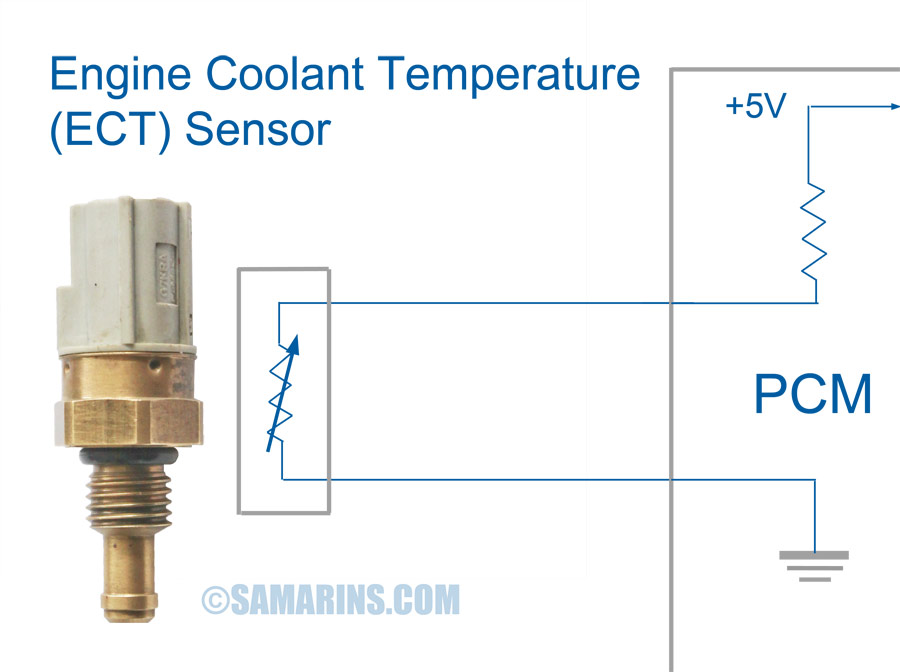
The sophistication and application of these sensors vary immensely. At their core, they rely on the principle that certain physical properties of materials change predictably with temperature. This fundamental scientific understanding is then engineered into robust and reliable devices. From simple thermistors that exhibit a change in electrical resistance with temperature to more complex thermocouple junctions that generate a voltage based on temperature differentials, the underlying technology is diverse yet unified by the common goal of accurately sensing water temperature.
The implications of this data are profound. In industrial settings, precise temperature control is paramount for product quality, energy efficiency, and preventing catastrophic equipment failures. In consumer electronics, it enhances user experience and ensures safety. In environmental monitoring, it provides vital insights into climate change and the health of our planet’s water bodies. Understanding the “what” of a water temperature sensor is merely the first step; delving into the “how” and “why” reveals their indispensable role in our modern technological landscape.
The Fundamental Principles of Water Temperature Sensing
At the heart of every water temperature sensor lies a principle of physics that dictates how a material’s electrical or physical properties change in response to thermal variations. This sensitivity is the bedrock upon which accurate temperature measurement is built. While the specific implementation can differ significantly, the core idea remains the same: translate a change in water temperature into a measurable and interpretable signal.
Thermistors: Resistance as an Indicator
One of the most common types of water temperature sensors is the thermistor. The name itself, a portmanteau of “thermal” and “resistor,” perfectly encapsulates its function. Thermistors are made from semiconductor materials whose electrical resistance changes significantly and predictably with temperature.
Negative Temperature Coefficient (NTC) Thermistors
The most prevalent type is the Negative Temperature Coefficient (NTC) thermistor. For these devices, as the temperature of the water increases, their electrical resistance decreases. Conversely, as the water cools down, their resistance goes up. This inverse relationship is highly non-linear but can be precisely characterized and calibrated. The simplicity and cost-effectiveness of NTC thermistors make them ideal for a vast array of applications where high precision across an extremely wide temperature range isn’t the absolute priority. They are commonly found in automotive cooling systems, domestic appliances like refrigerators and water heaters, and various industrial control systems.
Positive Temperature Coefficient (PTC) Thermistors
Less common for direct water temperature sensing but still relevant in thermal management applications are Positive Temperature Coefficient (PTC) thermistors. With PTC thermistors, the resistance increases as the temperature rises, often in a very sharp and sudden manner at a specific temperature point. This characteristic makes them useful for over-temperature protection, acting as a switch that can trigger an alarm or shut down a system when a critical threshold is reached. While not typically used for continuous, granular temperature measurement of water, their role in safeguarding against excessive heat is crucial.
Thermocouples: The Seebeck Effect in Action
Another vital technology for water temperature sensing, particularly in environments demanding a wider operating temperature range or greater robustness, is the thermocouple. This sensor leverages the Seebeck effect, a thermoelectric phenomenon discovered by Thomas Johann Seebeck in 1821.
The Seebeck Effect Explained
The Seebeck effect states that when two dissimilar electrical conductors are joined at two points, and those points are maintained at different temperatures, an electric voltage (or electromotive force) is produced. This voltage is directly proportional to the temperature difference between the two junctions. In a thermocouple, one junction is placed in contact with the water whose temperature is to be measured (the “hot junction”), while the other junction (the “cold junction” or “reference junction”) is kept at a known, stable temperature.
Advantages and Applications of Thermocouples
Thermocouples are known for their durability, wide temperature range capabilities, and relatively fast response times. They are often sheathed in protective materials like stainless steel, making them suitable for harsh chemical environments or high-pressure applications. This makes them indispensable in industrial processes such as chemical manufacturing, power generation, and metal processing where water is used for cooling, heating, or as a reaction medium. For sensing very high water temperatures or in extreme conditions, thermocouples are often the sensor of choice.
RTDs: Resistance Temperature Detectors
Resistance Temperature Detectors (RTDs) represent another class of temperature-sensing elements, offering a balance of accuracy, stability, and linearity that often surpasses thermistors in certain applications.
Platinum’s Role in RTDs
The most common RTD element is made of platinum wire wound into a coil or deposited as a thin film onto a ceramic substrate. Platinum is chosen for its high purity, chemical inertness, and consistent relationship between resistance and temperature. Unlike thermistors, RTDs exhibit a positive temperature coefficient, meaning their resistance increases predictably and almost linearly with rising temperature.
Precision and Stability
The accuracy and stability of RTDs are significant advantages. They provide highly repeatable measurements and are less susceptible to drift over time compared to some other sensor types. This makes them ideal for applications where precise temperature control and long-term reliability are critical, such as in pharmaceutical manufacturing, food processing, and scientific research where maintaining exact water temperatures is paramount for experimental integrity or product quality.
The Diverse Ecosystem of Water Temperature Sensor Applications
The ability to accurately and reliably measure water temperature translates into a staggering array of practical applications that permeate nearly every facet of modern life and industry. From safeguarding critical infrastructure to enhancing consumer experiences, these sensors are the invisible enablers of countless technologies.
Automotive Systems: Keeping Engines Cool and Efficient
In the automotive industry, water temperature sensors are absolutely critical for the proper functioning and longevity of internal combustion engines. The engine’s cooling system, which relies heavily on circulating coolant (often a water-glycol mixture), needs precise temperature monitoring to prevent overheating, which can lead to severe engine damage.
Engine Coolant Temperature (ECT) Sensors
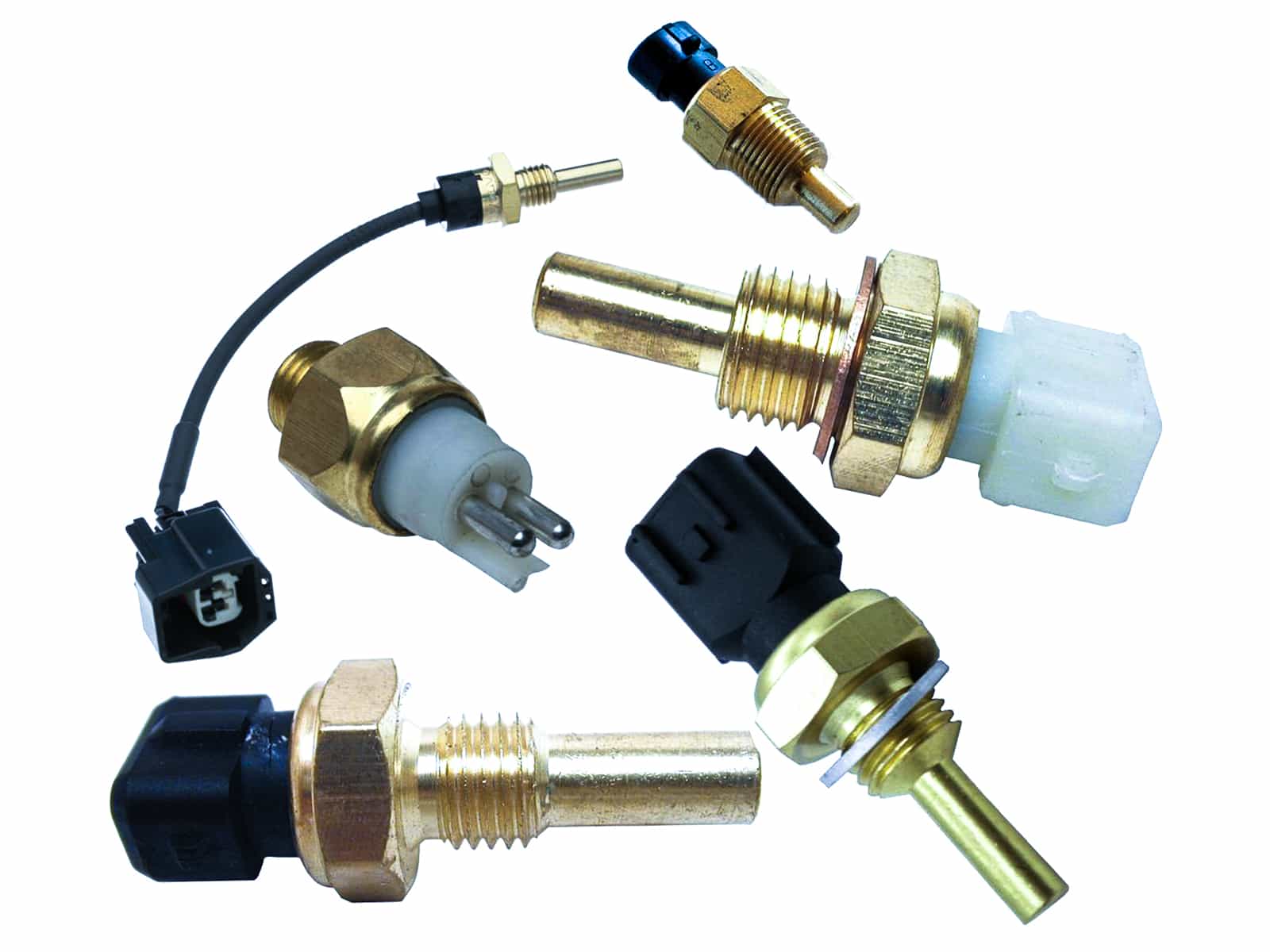
The Engine Coolant Temperature (ECT) sensor is a prime example. Mounted within the engine block or cylinder head, it continuously measures the coolant temperature. This information is fed directly to the Engine Control Unit (ECU). The ECU then uses this data to:
- Optimize Fuel Injection: By knowing the engine’s temperature, the ECU can adjust the fuel-air mixture for optimal combustion efficiency, especially during cold starts.
- Control Cooling Fans: When the coolant temperature rises above a certain threshold, the ECU activates the electric cooling fans to draw more air through the radiator, helping to dissipate heat.
- Manage Ignition Timing: Temperature can influence combustion rates, and the ECU may adjust ignition timing for optimal performance and emissions control.
- Provide Driver Information: The ECT sensor’s data is also used to display the engine temperature on the dashboard gauge, alerting the driver to potential problems.
Beyond the main ECT sensor, other water temperature sensing applications in vehicles include monitoring the temperature of transmission fluid (which also plays a cooling role) and the intercooler in turbocharged engines, ensuring optimal performance and preventing component damage.
Industrial Automation: Precision, Safety, and Efficiency
In industrial settings, water temperature sensors are fundamental to process control, ensuring product quality, and maintaining operational safety. The precise management of water temperature is often a non-negotiable requirement for many manufacturing and production processes.
Process Control and Quality Assurance
- Chemical and Pharmaceutical Manufacturing: Many chemical reactions and pharmaceutical processes are highly sensitive to temperature. Water is often used as a solvent, heating medium, or cooling agent. Maintaining a precise water temperature ensures that reactions proceed as intended, yield the correct products, and meet stringent quality standards. Deviations can lead to off-spec products, wasted materials, and safety hazards.
- Food and Beverage Production: From pasteurization and sterilization to brewing and cooling, temperature control is paramount in the food and beverage industry. Water temperature sensors ensure that products are processed at safe temperatures to eliminate harmful bacteria while preserving taste, texture, and nutritional value. For example, precise water temperature is crucial for achieving the perfect roast in coffee beans or for the delicate fermentation process in brewing beer.
- Power Generation: In thermal power plants, water is used extensively for cooling turbines and in steam generation. Accurate monitoring of water temperature is essential for the efficiency of the turbines and to prevent damage from excessive heat or condensation. In nuclear power plants, the precise temperature of cooling water is a critical safety parameter.
Equipment Protection and Energy Management
- HVAC Systems: Heating, Ventilation, and Air Conditioning (HVAC) systems in large buildings rely on water temperature sensors to manage chilled water and hot water loops. These sensors enable the system to efficiently heat or cool spaces while minimizing energy consumption. They also help in detecting issues like freezing in pipes or the malfunction of chillers and boilers.
- Industrial Chillers and Boilers: These complex pieces of equipment use water as a primary medium for heat transfer. Water temperature sensors are vital for monitoring the efficiency of the chilling or heating process, detecting potential faults, and ensuring that the equipment operates within its safe parameters. This prevents costly downtime and repairs.
- Hydraulic Systems: In many industrial machines, hydraulic fluid, often oil-based but sometimes water-based, needs to be maintained within a specific temperature range to ensure proper viscosity and lubrication. Water temperature sensors can be used to monitor the temperature of cooling jackets or heat exchangers that manage the hydraulic fluid temperature, preventing wear and tear on the machinery.
Emerging Trends and Future Directions
The evolution of water temperature sensing technology is not static. As industries demand greater precision, efficiency, and connectivity, the capabilities and applications of these sensors are continuously expanding, driven by advancements in material science, miniaturization, and the pervasive influence of the Internet of Things (IoT).
Miniaturization and Increased Integration
The trend towards miniaturization in electronics has profoundly impacted sensor technology. Water temperature sensors are becoming smaller, allowing them to be integrated into more confined spaces and even embedded within complex systems without significantly altering their form factor or functionality.
Micro-Electro-Mechanical Systems (MEMS)
MEMS technology is enabling the creation of highly sensitive and compact temperature sensors. These can be manufactured using semiconductor fabrication techniques, leading to lower costs and greater potential for mass production. This miniaturization opens doors for new applications in portable medical devices, microfluidic systems, and highly distributed sensing networks.
Integration into Smart Devices
As everyday objects become “smarter,” water temperature sensors are being integrated into a wider range of consumer electronics. Think of smart coffee makers that adjust brewing temperature based on bean type, or smart thermostats that can indirectly infer room temperature by monitoring the temperature of water pipes in a hydronic heating system. This integration enhances user experience by providing more personalized and automated control.
The Rise of the Internet of Things (IoT) and Data Analytics
The Internet of Things is revolutionizing how data from sensors is collected, transmitted, and utilized. Water temperature sensors are increasingly becoming connected devices, feeding real-time data into cloud platforms for advanced analysis and intelligent decision-making.
Real-time Monitoring and Predictive Maintenance
Connected water temperature sensors allow for continuous, remote monitoring of critical systems. This real-time data stream is invaluable for identifying subtle changes or anomalies that might indicate an impending failure. By analyzing historical and real-time temperature data, predictive maintenance algorithms can forecast potential issues before they lead to costly downtime or safety incidents. For instance, a gradual but consistent rise in the temperature of cooling water in a manufacturing plant might signal a blockage in a heat exchanger, allowing for proactive maintenance.
Enhanced Environmental Monitoring
In ecological applications, networks of connected water temperature sensors are providing unprecedented insights into the health of rivers, lakes, and oceans. This data is crucial for understanding the impact of climate change on aquatic ecosystems, tracking the spread of invasive species, and managing fisheries. Researchers can remotely monitor temperature fluctuations across vast areas, identifying areas that are becoming too warm for certain species to survive.
Advancements in Sensor Materials and Accuracy
Ongoing research in material science is leading to the development of new sensor materials and improved sensor designs that offer enhanced accuracy, faster response times, and greater durability across a wider range of operating conditions.
Novel Materials for Extreme Conditions
Researchers are exploring new materials that can withstand extreme temperatures, corrosive environments, or high pressures, expanding the operational envelope for water temperature sensors. This includes advancements in ceramics, composites, and specialized alloys.
Improved Calibration and Signal Processing
Sophisticated algorithms and calibration techniques are continually being developed to improve the accuracy and reduce the noise in temperature sensor readings. This ensures that the data collected is as reliable and precise as possible, which is crucial for sensitive scientific research and critical industrial processes.
In conclusion, the humble water temperature sensor, though often overlooked, is a cornerstone of modern technological infrastructure. From the internal combustion engine to complex industrial processes and environmental monitoring, its role in providing crucial thermal data is indispensable. As technology continues to advance, these sensors will become even more integrated, intelligent, and vital, silently contributing to the efficiency, safety, and sustainability of our world.
aViewFromTheCave is a participant in the Amazon Services LLC Associates Program, an affiliate advertising program designed to provide a means for sites to earn advertising fees by advertising and linking to Amazon.com. Amazon, the Amazon logo, AmazonSupply, and the AmazonSupply logo are trademarks of Amazon.com, Inc. or its affiliates. As an Amazon Associate we earn affiliate commissions from qualifying purchases.