
The modern technology landscape is a complex, interconnected web of software, hardware, and intricate processes. Bringing sophisticated technological products and services to life within this environment requires more than just brilliant engineers and visionary product leaders. It demands a unique breed of professional who can bridge the gap between technical execution and strategic objectives, ensuring that ambitious projects not only get built but also align with business goals and are delivered efficiently. This is the realm of the Technical Program Manager (TPM).
At its core, a Technical Program Manager is a linchpin, a conductor of complex technological symphonies. They are not typically the ones writing the code or designing the user interfaces, but they are indispensable in orchestrating the efforts of those who do. TPMs operate at the intersection of technology, project management, and business strategy, translating high-level vision into actionable plans and guiding cross-functional teams through the intricate development lifecycle. Their role is multifaceted, demanding a deep understanding of technical domains coupled with exceptional leadership, communication, and problem-solving skills. In essence, they are the guardians of technical execution, ensuring that innovation translates into tangible, successful products.
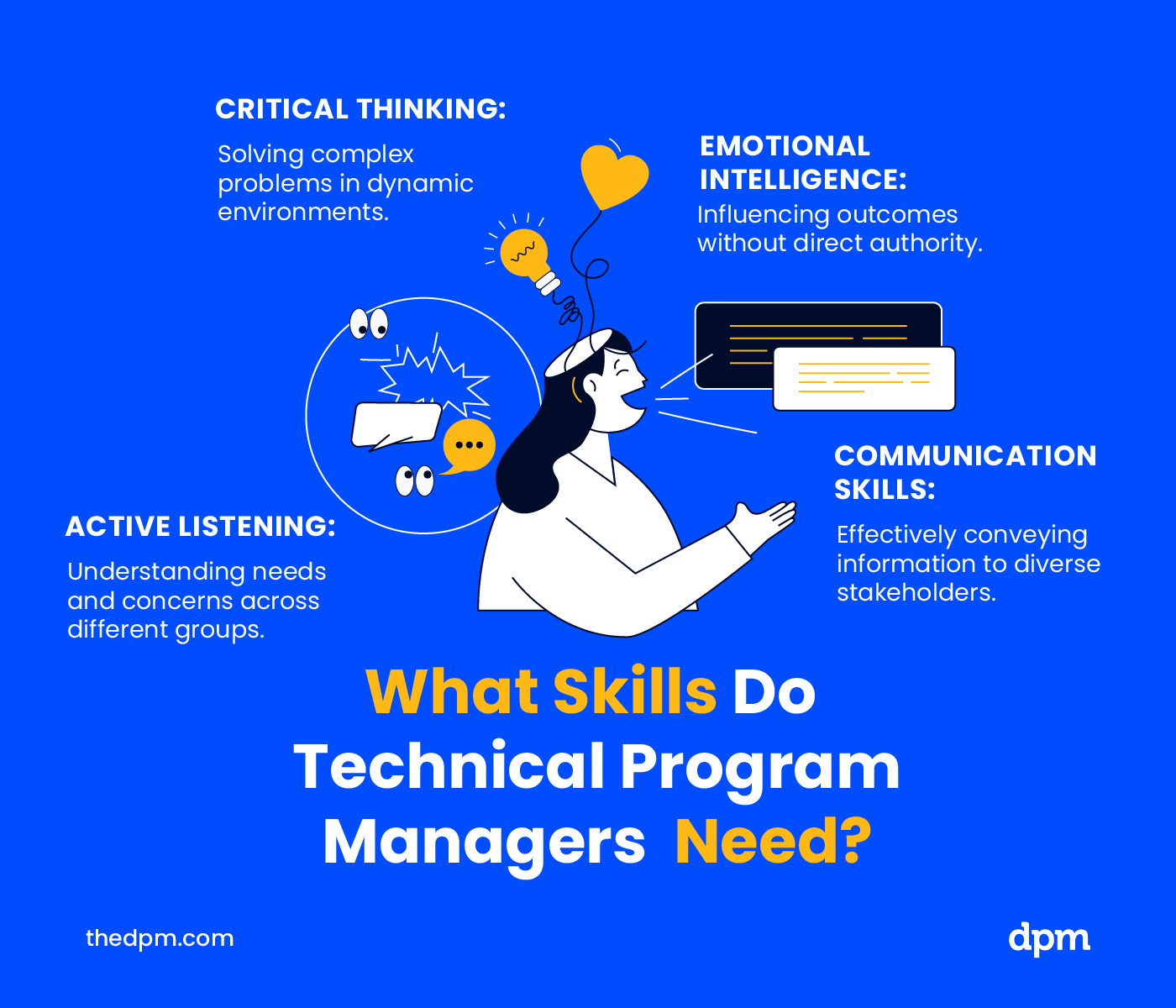
This article will delve into the crucial responsibilities and skills that define the Technical Program Manager role within the Tech niche, exploring how they drive technical initiatives, manage complex development cycles, and ultimately contribute to the successful delivery of cutting-edge technology.
Navigating the Technical Landscape: From Concept to Code
The journey of a technological product, whether it’s a new AI model, a sophisticated software platform, or a cutting-edge gadget, is rarely a linear path. It involves numerous technical challenges, dependencies, and evolving requirements. The Technical Program Manager is instrumental in charting this course, ensuring that the technical vision is not only understood but also meticulously planned and executed.
Defining and Decomposing Technical Initiatives
The TPM’s involvement often begins at the earliest stages of a project. They collaborate with product managers, engineering leads, and other stakeholders to thoroughly understand the technical scope, objectives, and desired outcomes. This involves breaking down large, often abstract, technical goals into smaller, manageable components. This decomposition is critical for accurate estimation, resource allocation, and risk assessment.
For instance, if the objective is to develop a new machine learning feature for a cloud platform, the TPM would work with data scientists and ML engineers to define the specific algorithms, data pipelines, infrastructure requirements, and performance metrics. They would ensure that the technical requirements are clearly articulated, unambiguous, and testable. This process often involves defining APIs, data schemas, integration points, and system architecture considerations, ensuring that all technical aspects are documented and agreed upon by the relevant engineering teams.
Technical Feasibility and Risk Assessment
A significant part of a TPM’s role is to assess the technical feasibility of proposed features or projects. This requires a solid understanding of the underlying technologies, potential limitations, and emerging trends. They act as a critical sounding board, identifying potential technical roadblocks, architectural challenges, or integration complexities that might not be apparent to non-technical team members.
Risk assessment is a continuous process. TPMs proactively identify potential technical risks – such as the unavailability of a critical third-party library, the scalability of a proposed database solution, or the security implications of a new feature. They then work with engineering teams to develop mitigation strategies and contingency plans. This foresight is crucial for preventing derailments and ensuring that projects stay on track, even when faced with unforeseen technical hurdles. For example, if a project relies on a new, unproven technology, the TPM might advocate for a proof-of-concept phase or a parallel development path to de-risk the adoption.
Bridging the Gap: Communicating Technical Nuances
One of the TPM’s most vital functions is to translate complex technical information into understandable terms for various audiences. This includes communicating technical challenges and progress to executive leadership, marketing teams, or other non-technical departments. Conversely, they also translate business requirements and strategic priorities into clear directives for engineering teams.
Effective communication prevents misunderstandings, fosters alignment, and ensures that everyone involved has a shared understanding of the project’s technical direction. The TPM acts as a central hub for information flow, ensuring that critical technical decisions are communicated to all relevant parties in a timely and effective manner. This might involve creating detailed technical documentation, presenting technical roadmaps, or facilitating cross-team technical discussions.
Orchestrating the Development Lifecycle: From Planning to Deployment
Once a technical initiative is defined and understood, the TPM takes on the mantle of orchestrator, guiding the project through its various development phases with precision and foresight. This involves not just tracking progress but actively managing dependencies, resources, and timelines to ensure efficient and successful delivery.
Strategic Planning and Roadmap Development
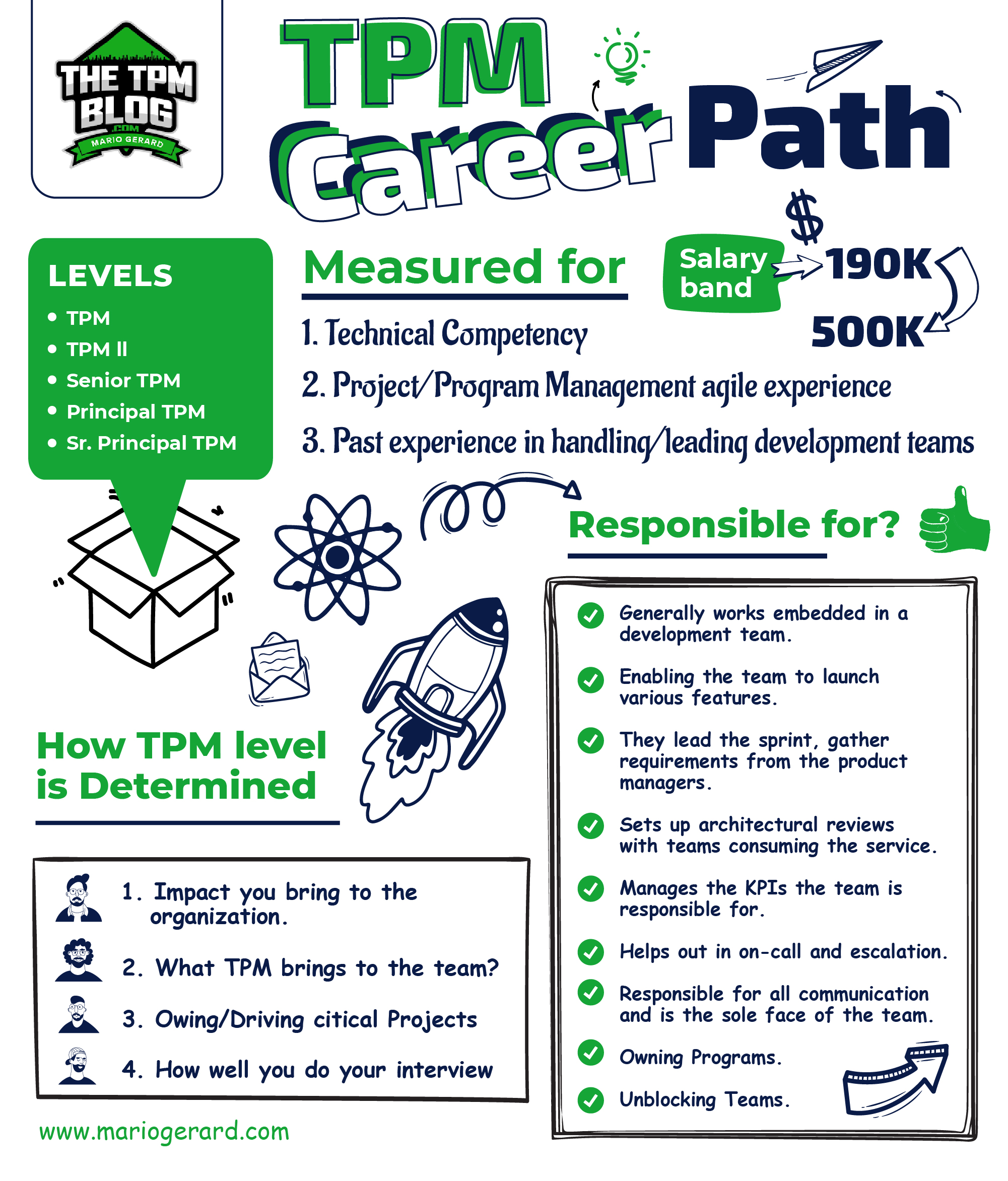
TPMs are deeply involved in the strategic planning of technical programs. This involves collaborating with product management to define the overall technical roadmap, aligning it with business objectives and market opportunities. They help prioritize technical investments, balance new feature development with technical debt reduction, and ensure that the technology stack is evolving to meet future needs.
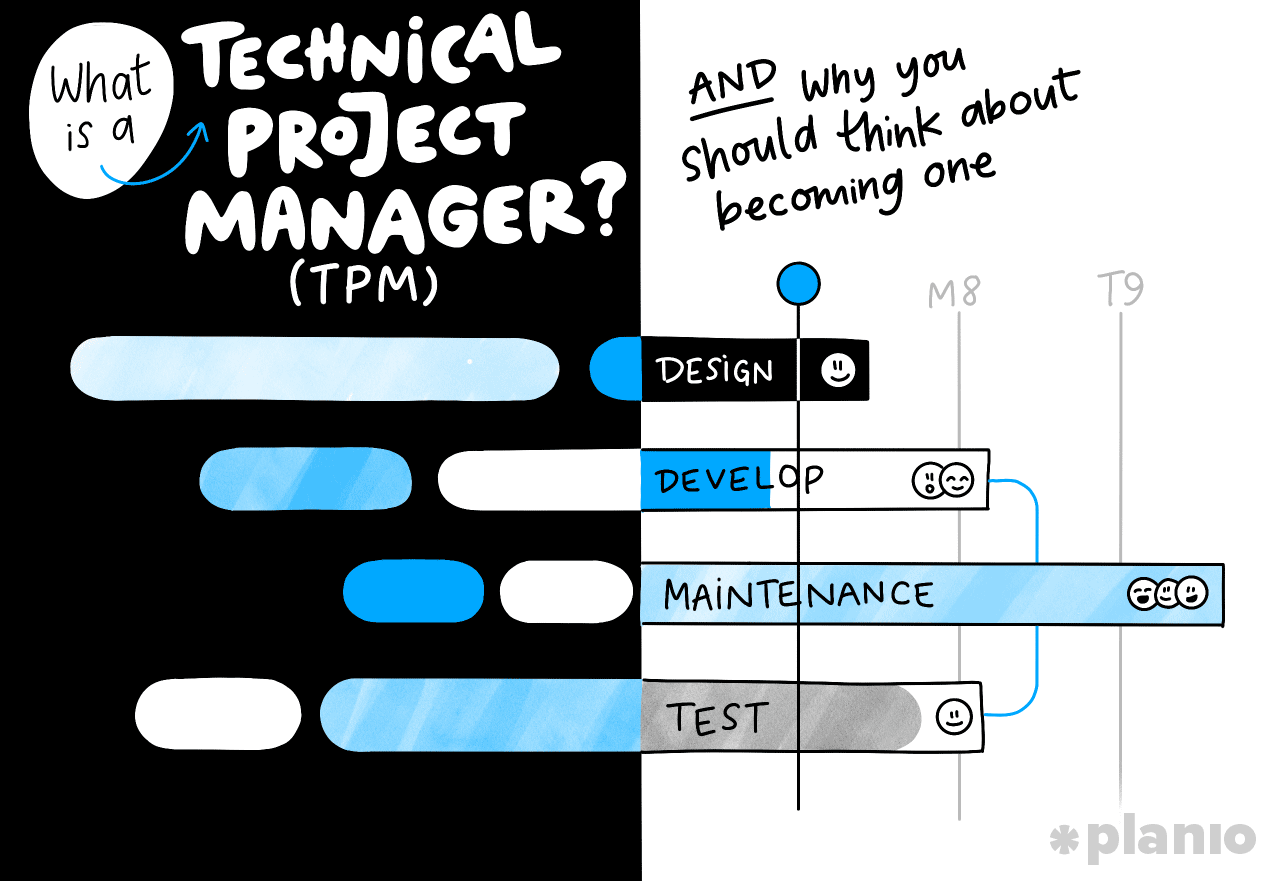
This planning phase is critical for setting the stage for successful execution. It involves defining key milestones, setting realistic timelines, and allocating resources effectively. The TPM considers factors such as team capacity, skill sets, and potential external dependencies when creating these roadmaps. For example, they might map out a multi-quarter plan for migrating a legacy system to a cloud-native architecture, outlining the phased approach, key technical deliverables for each phase, and the required engineering effort.
Managing Dependencies and Cross-Team Coordination
In large-scale technology projects, numerous teams and individuals often contribute to different parts of the system. A critical aspect of the TPM’s role is to identify, manage, and resolve interdependencies between these various components and teams. They ensure that work streams are synchronized, preventing bottlenecks and ensuring that integration points are handled seamlessly.
This requires exceptional coordination skills. The TPM acts as a central point of contact for multiple engineering teams, product managers, designers, QA, and operations. They facilitate regular sync-ups, establish clear communication channels, and proactively address any conflicts or roadblocks that arise from conflicting priorities or misunderstandings. For instance, if the frontend team needs a specific API from the backend team to proceed with their development, the TPM will ensure that the backend team is aware of this dependency, that the API is prioritized, and that its development stays on track to meet the frontend team’s timeline.
Ensuring Quality and Driving Iterative Improvements
Quality is paramount in the development of any technological product. TPMs play a crucial role in ensuring that rigorous quality assurance processes are in place throughout the development lifecycle. This includes advocating for robust testing strategies, code reviews, and performance benchmarking. They work with QA engineers and development teams to define acceptance criteria and ensure that the product meets the highest standards before release.
Furthermore, TPMs embrace iterative development methodologies, fostering a culture of continuous improvement. They encourage teams to learn from each release, identify areas for optimization, and incorporate feedback into subsequent iterations. This agile approach allows for faster adaptation to changing requirements and a more refined final product. For example, after a feature is released, the TPM might facilitate a post-mortem analysis to understand any technical issues encountered, gather performance data, and use these insights to refine the development process for future sprints.
The TPM as a Catalyst for Technical Excellence
Beyond the day-to-day management of tasks and timelines, the Technical Program Manager serves as a catalyst for fostering a culture of technical excellence and innovation within their organization. Their influence extends to shaping processes, mentoring teams, and advocating for best practices that drive long-term success.
Championing Best Practices and Process Improvement
TPMs are often the champions of adopting and refining best practices in software development and program management. This can include advocating for agile methodologies, implementing robust CI/CD pipelines, promoting DevOps culture, or standardizing documentation practices. They identify inefficiencies in existing processes and work with engineering leadership to implement improvements that enhance productivity, reduce errors, and accelerate delivery.
Their focus is on creating a sustainable and scalable development environment. This might involve introducing new tools, streamlining workflows, or developing training programs for engineering teams. By continuously seeking to optimize how technology is built and delivered, TPMs contribute to the overall technical maturity of the organization.
Mentoring and Empowering Engineering Teams
While not directly managing engineers in a hierarchical sense, TPMs often act as informal mentors and coaches. They provide guidance on technical project execution, help engineers navigate complex organizational structures, and offer support in overcoming technical challenges. By fostering an environment of trust and collaboration, they empower engineering teams to perform at their best.
TPMs can also play a role in developing career paths for technical professionals, helping them gain exposure to different areas of the technology stack and encouraging cross-functional learning. Their objective is to build high-performing, cohesive teams that are equipped to tackle the most challenging technical endeavors.
Driving Innovation and Strategic Technical Alignment
Ultimately, the Technical Program Manager’s impact is measured by their ability to ensure that the organization’s technical efforts are aligned with its strategic vision and drive meaningful innovation. They look beyond immediate project deliverables to consider the long-term implications of technical decisions and ensure that the company is investing in the right technologies for future growth.
By effectively managing the execution of complex technical programs, TPMs enable organizations to bring groundbreaking products to market faster, more reliably, and with greater impact. They are the unseen architects of technological success, ensuring that brilliant ideas are transformed into tangible realities that shape our digital world. Their role is indispensable in navigating the ever-evolving, demanding, and exciting landscape of technology.
aViewFromTheCave is a participant in the Amazon Services LLC Associates Program, an affiliate advertising program designed to provide a means for sites to earn advertising fees by advertising and linking to Amazon.com. Amazon, the Amazon logo, AmazonSupply, and the AmazonSupply logo are trademarks of Amazon.com, Inc. or its affiliates. As an Amazon Associate we earn affiliate commissions from qualifying purchases.