
The landscape of modern healthcare is constantly evolving, moving beyond the traditional confines of hospitals and clinics to offer patient-centered care directly in the comfort of their own homes. At the forefront of this shift is the home healthcare nurse, a vital professional who bridges the gap between medical expertise and the personal environment of the patient. Far from being a simple caregiver, the home healthcare nurse is a multifaceted practitioner, blending clinical skill with compassionate support, all while navigating the unique challenges and opportunities presented by the home setting. This role demands a comprehensive understanding of medical conditions, treatment plans, and the ability to adapt these to a non-clinical environment. It also requires a high degree of autonomy, problem-solving, and a deep commitment to patient well-being.
The Multifaceted Role of the Home Healthcare Nurse
The responsibilities of a home healthcare nurse are extensive and can vary significantly depending on the patient’s specific needs, medical condition, and the agency they work for. However, a core set of duties forms the foundation of their practice. They are often the primary point of contact for patients and their families regarding medical care, acting as educators, advocates, and skilled clinicians. This necessitates a broad knowledge base and the ability to translate complex medical information into understandable terms for the patient and their caregivers.
Clinical Assessment and Care Planning
One of the most crucial aspects of a home healthcare nurse’s role is the initial and ongoing clinical assessment of the patient. This involves a thorough evaluation of their physical condition, mental state, and functional abilities. They meticulously review medical history, current medications, vital signs, and observe for any changes or potential complications. Based on this assessment, they collaborate with physicians and other healthcare professionals to develop individualized care plans. These plans are dynamic, constantly being reviewed and updated to reflect the patient’s progress or any new health concerns that may arise. This proactive approach ensures that the care provided is always relevant and effective.
Medication Management and Administration
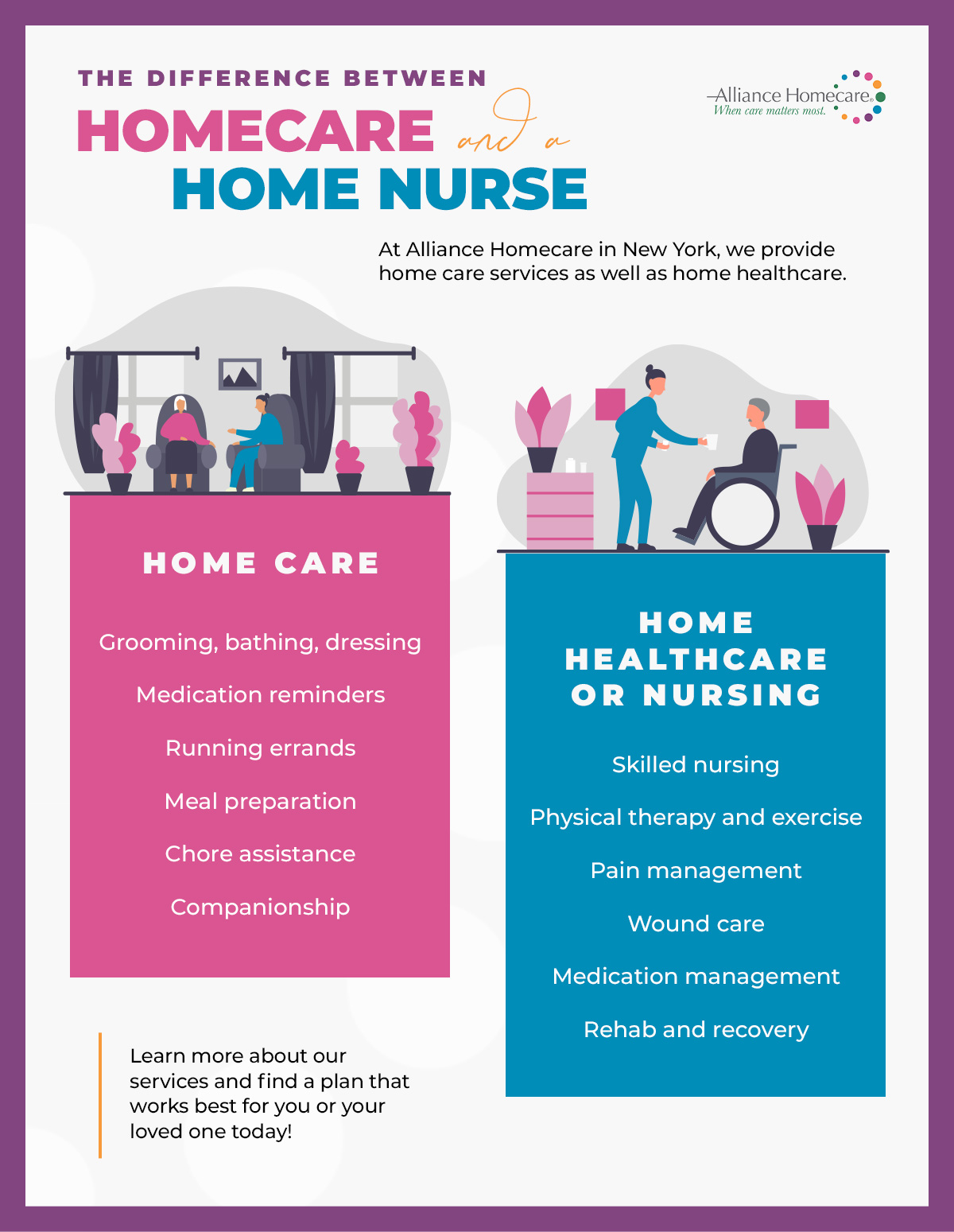
A significant portion of a home healthcare nurse’s work involves ensuring that patients are taking their medications correctly and on schedule. This can range from simple pill reminders to administering injections, managing complex intravenous therapies, or monitoring for adverse drug reactions. They educate patients and their families on the purpose of each medication, potential side effects, and the importance of adherence to the prescribed regimen. For patients with chronic conditions requiring regular medication, this aspect of care is paramount in preventing exacerbations and hospital readmissions. The nurse must be adept at understanding dosages, frequencies, and potential drug interactions, acting as a crucial safeguard for patient safety.
Wound Care and Specialized Treatments
Many home healthcare nurses are specialized in providing advanced wound care, a critical service for patients recovering from surgery, experiencing pressure ulcers, or managing chronic wounds. This involves meticulous cleaning, dressing changes, and monitoring for signs of infection or delayed healing. Beyond wound care, they may also be responsible for a variety of other specialized treatments, such as ostomy care, catheter management, and the administration of specialized therapies like physical or occupational therapy referrals. The ability to perform these procedures with precision and sterility in a home environment requires significant skill and adaptability.
Patient and Family Education
A cornerstone of effective home healthcare is empowering patients and their families with the knowledge and skills to manage their health independently. Home healthcare nurses are dedicated educators, providing comprehensive instruction on a wide range of topics. This can include teaching families how to operate medical equipment, perform certain treatments (such as blood glucose monitoring or administering insulin), recognize warning signs of complications, and implement lifestyle modifications. This educational component is crucial for promoting long-term health, preventing emergencies, and fostering a sense of control and confidence in the patient and their support system.
Technology’s Impact on Home Healthcare Nursing
The integration of technology has revolutionized the practice of home healthcare nursing, enhancing efficiency, improving patient monitoring, and expanding the scope of care that can be delivered outside of traditional clinical settings. This technological evolution allows nurses to be more connected to their patients and to the broader healthcare team, ultimately leading to better outcomes. From sophisticated monitoring devices to digital communication platforms, technology is an indispensable tool for the modern home healthcare nurse.
Remote Patient Monitoring (RPM)
Remote Patient Monitoring (RPM) devices have become a game-changer in home healthcare. These technologies allow nurses to remotely track a patient’s vital signs, such as blood pressure, heart rate, oxygen saturation, and glucose levels, in real-time. This continuous stream of data provides invaluable insights into a patient’s health status, enabling early detection of potential issues before they become critical. For individuals with chronic conditions like heart failure, diabetes, or COPD, RPM can significantly reduce the need for frequent in-person visits and hospitalizations. Nurses can analyze the data, identify trends, and intervene proactively, adjusting care plans as needed, often without the patient ever needing to leave their home.
Electronic Health Records (EHRs) and Mobile Applications
The widespread adoption of Electronic Health Records (EHRs) has transformed how home healthcare nurses document patient information. Mobile EHR applications allow nurses to access and update patient charts directly from their devices while in the patient’s home. This ensures that all medical information is current, accurate, and readily available to the entire care team, regardless of their location. These applications often include features for scheduling, task management, and secure communication, streamlining workflow and reducing administrative burdens. The ability to quickly input data and access patient history in real-time improves the efficiency and accuracy of care delivery.
Telehealth and Virtual Consultations
Telehealth and virtual consultation platforms have expanded the reach of home healthcare nurses, allowing them to connect with patients remotely for check-ins, medication reviews, and minor issue resolution. This is particularly beneficial for patients in rural areas or those with mobility challenges. Virtual visits can supplement in-person care, offering a convenient and accessible way for nurses to monitor patient progress, answer questions, and provide ongoing support. While not a replacement for all in-person interactions, telehealth serves as a powerful tool for enhancing communication and ensuring continuous patient engagement.
Medical Devices and Equipment Used at Home
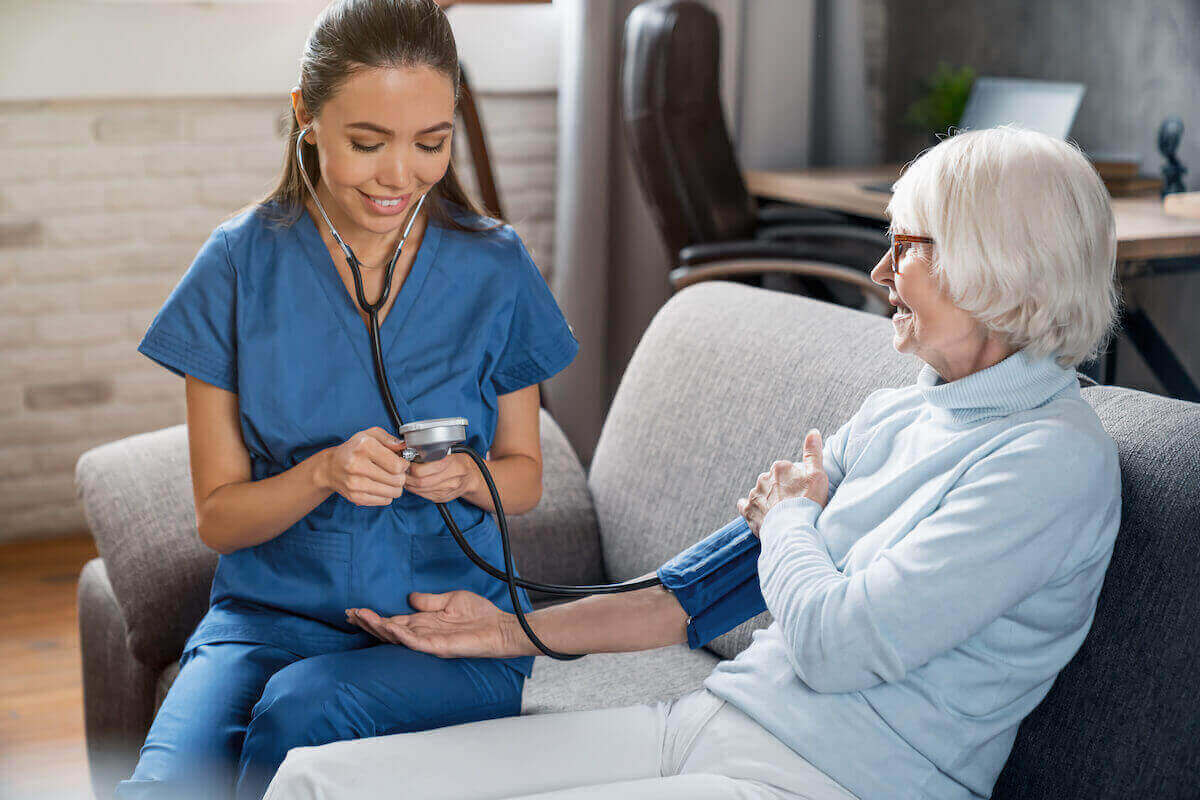
Home healthcare nurses are proficient in the use of a wide array of medical devices and equipment that are commonly found in patients’ homes. This includes everything from basic diagnostic tools like stethoscopes and blood pressure cuffs to more complex equipment such as oxygen concentrators, nebulizers, infusion pumps, and specialized wound vac systems. Nurses are responsible for ensuring that these devices are functioning correctly, educating patients and their families on their proper operation, and troubleshooting any issues that may arise. The ability to manage and utilize this technology effectively is a critical skill for ensuring safe and effective home-based care.
Navigating the Challenges and Rewards of Home Healthcare Nursing
The role of a home healthcare nurse is not without its challenges, but these are often outweighed by the profound rewards of making a tangible difference in patients’ lives. This profession demands resilience, adaptability, and a deep sense of empathy, offering a unique and fulfilling career path for those dedicated to patient well-being.
Autonomy and Critical Decision-Making
One of the defining characteristics of home healthcare nursing is the high degree of autonomy it offers. Unlike the structured environment of a hospital, nurses often work independently, making critical decisions on the spot with limited immediate access to a supervisor. This requires a strong foundation of clinical knowledge, excellent critical thinking skills, and the confidence to trust one’s own judgment. While support is available through supervisors and colleagues, the nurse on the front lines is often solely responsible for assessing a situation and implementing the most appropriate course of action. This autonomy can be both challenging and incredibly empowering.
Building Strong Patient Relationships
The one-on-one nature of home healthcare fosters exceptionally strong relationships between nurses and their patients, and often their families. Spending consistent time in a patient’s personal space allows for a deeper understanding of their lifestyle, their challenges, and their goals. This intimacy builds trust and rapport, creating a therapeutic alliance that is central to effective care. Nurses become more than just healthcare providers; they become trusted confidantes and integral parts of the patient’s support network. This personal connection is a significant source of job satisfaction for many in the field.
Adapting to Diverse Home Environments
A key challenge, and also a unique aspect, of home healthcare nursing is the need to adapt to a wide variety of home environments. Each home presents its own set of challenges, from accessibility issues for patients with mobility impairments to the availability of resources and the comfort level of the patient and their family. Nurses must be resourceful and adaptable, able to perform clinical tasks safely and effectively in settings that may not be designed for medical care. This might involve improvising with available supplies or creatively problem-solving to ensure patient needs are met despite environmental constraints.
Emotional and Physical Demands
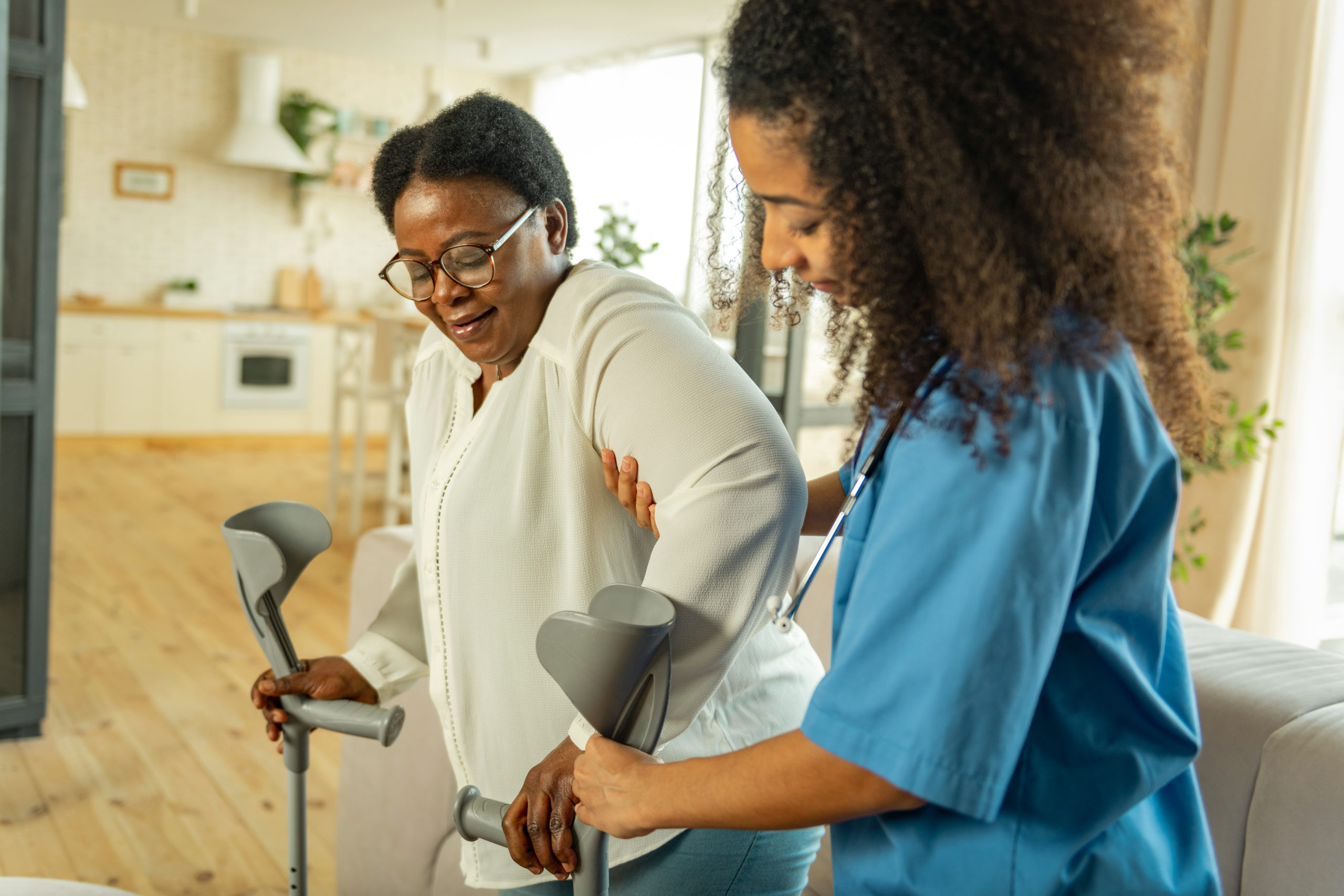
The emotional and physical demands of home healthcare nursing are significant. Nurses witness patients at their most vulnerable, dealing with illness, pain, and sometimes the end of life. This requires immense emotional resilience, compassion, and the ability to maintain professional boundaries. Physically, the job can involve lifting and transferring patients, navigating stairs, and long hours of travel between appointments. Despite these demands, the profound impact nurses have on improving the quality of life for their patients, enabling them to remain in their homes and maintain their independence, provides a deep sense of purpose and immense personal reward.
aViewFromTheCave is a participant in the Amazon Services LLC Associates Program, an affiliate advertising program designed to provide a means for sites to earn advertising fees by advertising and linking to Amazon.com. Amazon, the Amazon logo, AmazonSupply, and the AmazonSupply logo are trademarks of Amazon.com, Inc. or its affiliates. As an Amazon Associate we earn affiliate commissions from qualifying purchases.