
The modern digital landscape is replete with virtual spaces, from sprawling MMORPG worlds to intricate strategy simulations. Within these digital realms, players often encounter points of interest that carry significant narrative weight and gameplay implications. One such recurring element, particularly in games with darker or occult themes, is the “demon altar.” While the concept itself is steeped in folklore and religious symbolism, its visual representation and functional implementation on a game’s map can vary widely. This article delves into the technical design and thematic considerations behind how demon altars are visually communicated to players on a digital map, exploring the archetypes, visual cues, and interactive elements that define their presence.
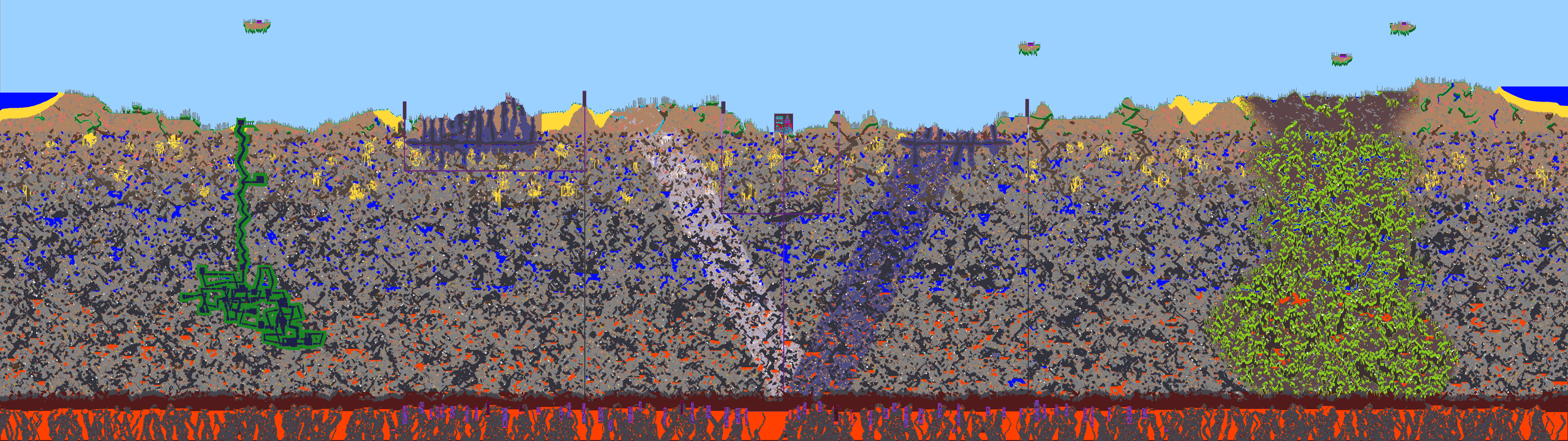
Archetypal Visual Signifiers: Translating Occult Symbolism to the Digital Canvas
The visual language of demon altars in games is a careful translation of real-world religious and occult iconography into pixels and polygons. Developers employ a range of established symbols and aesthetic choices to immediately convey the nature and purpose of these locations, even at a glance on a minimap or world map.
Ancient Runes and Eldritch Glyphs
One of the most common visual strategies is the use of intricate, often angular, and seemingly ancient runes or glyphs. These symbols are not mere decoration; they are intended to evoke a sense of forbidden knowledge, dark pacts, and potent magical energy.
- Runic Alphabets: Games often borrow from or invent their own runic alphabets, drawing inspiration from Norse, Celtic, or even fictional occult traditions. These glyphs are frequently incorporated into the altar’s design, etched into stone, metal, or even appearing as ethereal projections. On a map, these might be represented by small, distinct icons – a stylized triangle within a circle, a jagged spiral, or a series of interconnected lines that appear inherently unsettling. The distinctiveness of these icons is crucial for quick identification amidst other map elements.
- Thematic Resonance: The choice of glyphs is rarely arbitrary. Developers might select symbols that represent specific demonic entities, elemental forces associated with darkness, or rituals of sacrifice and summoning. For example, a game featuring fire demons might use glyphs with flame-like flourishes, while a game focused on shadow magic might incorporate more abstract, void-like patterns. The technical implementation requires carefully designed sprites or vector graphics that are legible at various map scales.
Sacrificial Elements and Dark Offerings
Demon altars are intrinsically linked to the concept of sacrifice, and their visual representation on a map often hints at this grim purpose. Even without explicit detail, the iconography used can suggest the presence of blood, offerings, or the remnants of past rituals.
- Blood Stains and Offerings: While direct depiction of gore might be too explicit for a map interface, developers can use stylized visual cues. A deep crimson hue surrounding an altar icon, or small, abstract shapes suggesting spilled liquids, can serve as a subtle but effective indicator. Offerings themselves, such as stylized bones, dark crystals, or withered floral arrangements, might be part of the altar’s visual design, translated into simple, recognizable map markers.
- Architectural Tropes: The architecture of the altar itself can also convey its function. Jagged, asymmetrical structures, obsidian-like materials, and sharp, menacing edges are common. On a map, this translates to the shape of the icon. A circular altar might have sharp, inward-pointing triangles around its perimeter, or a rectangular altar might be depicted with broken, uneven lines. The technical challenge lies in ensuring these details are discernible and not lost at lower resolutions.
Ethereal Manifestations and Corrupted Auras
In many fantasy and horror games, demon altars are not merely static objects but conduits for supernatural energy. This energy can be visually represented on the map through auras, distortions, or spectral elements.
- Corrupted Zones: An altar might be depicted as the epicenter of a visually corrupted area on the map. This could manifest as a swirling vortex of dark energy, a persistent fog of unnatural color (like sickly green or deep purple), or a landscape texture that appears blighted and decaying around the altar’s location. The technical implementation of these zones involves shader effects and particle systems that overlay the standard terrain.
- Spectral Glows and Wisps: The altar itself might emit a faint, unnatural glow on the map, perhaps a pulsating red or an unnerving blue. Small, spectral wisps or tendrils of dark energy might be shown emanating from the altar icon. These visual elements serve to warn players that the area is not only significant but potentially dangerous, filled with unseen forces. The complexity of these effects is balanced against the need for map performance.
Functional Integration: How Altar Mechanics Translate to Map Representation
Beyond their aesthetic qualities, demon altars serve specific gameplay functions, and these mechanics are often reflected in their map representations. Developers strive to create a seamless connection between the player’s understanding of the world and the interactive elements within it.
Points of Ritual and Summoning
Demon altars are frequently the focal point for powerful rituals, often involving summoning demonic entities or channeling dark magic. The map must convey that interacting with these locations has significant consequences.
- Quest Markers and Objective Indicators: When a demon altar is tied to a specific quest or objective, it will often be marked with a distinct icon. This could be a glowing skull, a pulsing pentagram, or a unique symbol designated by the quest giver. The technical challenge here is to ensure these markers are visually distinct from other map elements and clearly communicate the importance of the location.
- Interactive Prompts and Area Indicators: Upon approaching an altar, the map might subtly change to indicate its interactivity. This could be a small pop-up icon over the altar indicating a context-sensitive action (e.g., “Perform Ritual,” “Sacrifice”), or a visible radius around the altar that highlights the area where the ritual’s effects will manifest or where enemies might be summoned. The design of these indicators needs to be intuitive and provide immediate feedback to the player.
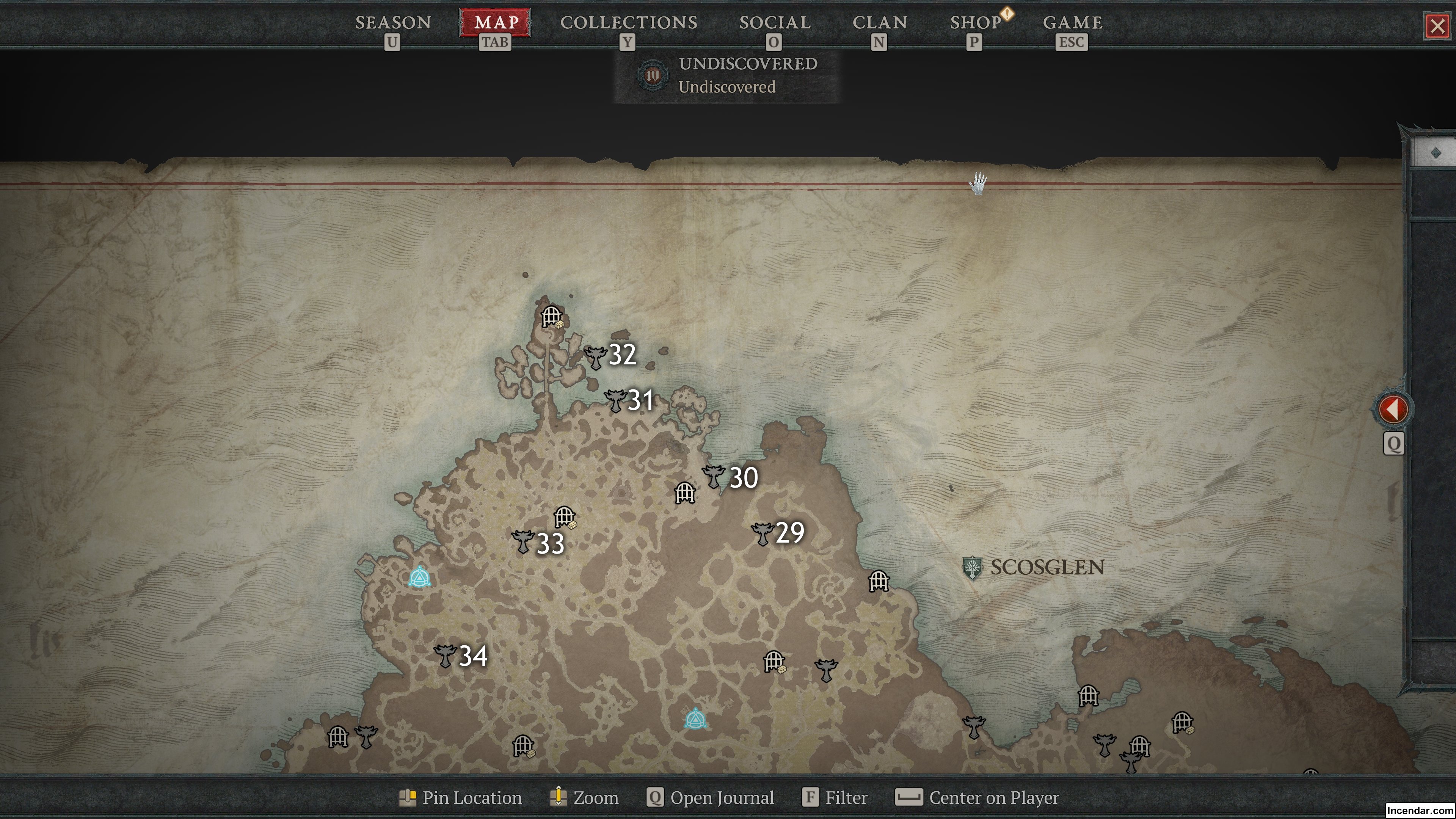
Hubs for Dark Power and Corruption
In many game worlds, demon altars are not just isolated points but are often connected to a broader network of dark influence or serve as sources of corruption that can spread across the map.
- Linked Networks and Ley Lines: Some games depict demon altars as nodes within a larger network of dark energy. This might be represented on the map by connecting lines, often depicted as crackling tendrils of energy or shadowy pathways, linking multiple altars. Players might need to disrupt these connections to weaken a central antagonist or break a curse. The technical implementation involves rendering these lines dynamically based on game state.
- Areas of Influence and Debuffs: The presence of a demon altar can often taint the surrounding territory. On the map, this might be indicated by a zone of altered terrain, unusual enemy spawn rates, or even a visual overlay that subtly degrades the environment’s quality. Players might also see a persistent icon or a debuff indicator when within the altar’s “aura,” signifying a detrimental effect on their character. The map becomes a tool for strategic navigation, allowing players to avoid or confront these corrupted zones.
Sources of Rare Resources and Forbidden Knowledge
For players seeking power or lore, demon altars can be incredibly valuable. Their map representation needs to signal this potential reward while maintaining an aura of danger.
- Resource Node Indicators: If an altar yields rare crafting materials, unique buffs, or powerful artifacts upon successful interaction or completion of a task, it might be marked with a distinct resource icon. This icon would differ from standard resource nodes, perhaps featuring darker colors or more ominous imagery, to reflect its illicit or dangerous origin.
- Lore Discoveries and Hidden Secrets: Demon altars are often repositories of lore, hidden journals, or clues to secret areas. While not always directly marked as “lore,” the visual cues of the altar itself – intricate carvings, unusual symbols, or the presence of spectral figures – can prompt players to investigate further. The map serves as a breadcrumb trail, guiding players towards these potent narrative and gameplay hooks.
Technical Design Considerations: Balancing Aesthetics and Functionality
The visual representation of demon altars on a game map is a complex interplay of artistic design, user interface (UI) principles, and technical limitations. Developers must make deliberate choices to ensure clarity, impact, and performance.
Iconography and Symbolism Clarity
The primary function of a map is to provide information quickly and efficiently. This is especially true for potentially dangerous or significant locations like demon altars.
- Scalability and Legibility: Map icons must be designed to be recognizable at various zoom levels. A highly detailed 3D model of an altar would be impractical as a map marker. Instead, developers rely on stylized 2D icons or simplified 3D representations. The technical challenge lies in creating icons that are distinct from one another and avoid visual clutter, particularly on smaller minimaps. Vector graphics are often preferred for their scalability.
- Color Theory and Contrast: The choice of colors for altar icons and their associated auras is crucial. Dark, desaturated colors, often contrasted with a vibrant, unsettling accent color (like blood red or sickly green), can effectively convey a sense of danger and unnaturalness. Maintaining sufficient contrast with the background map elements is a key UI/UX consideration.
Performance Optimization and Visual Fidelity
Rendered elements on a game map, especially those involving special effects like auras or dynamic lighting, can impact performance. Developers must strike a balance between visual appeal and the game’s overall responsiveness.
- Shader Effects and Particle Systems: The visual flair of auras, corrupted zones, or spectral wisps is often achieved through shader effects and particle systems. These require careful optimization to avoid taxing the player’s hardware, especially in large open-world games where multiple such effects might be present simultaneously. Efficient rendering techniques are paramount.
- Dynamic Updates and Game State: The map often needs to reflect changes in the game world. If a demon altar is destroyed, its icon might disappear, or its associated corrupted zone might recede. If a ritual is in progress, the altar’s visual representation might intensify. These dynamic updates require robust backend systems and efficient data management to ensure the map remains accurate and responsive without causing lag.
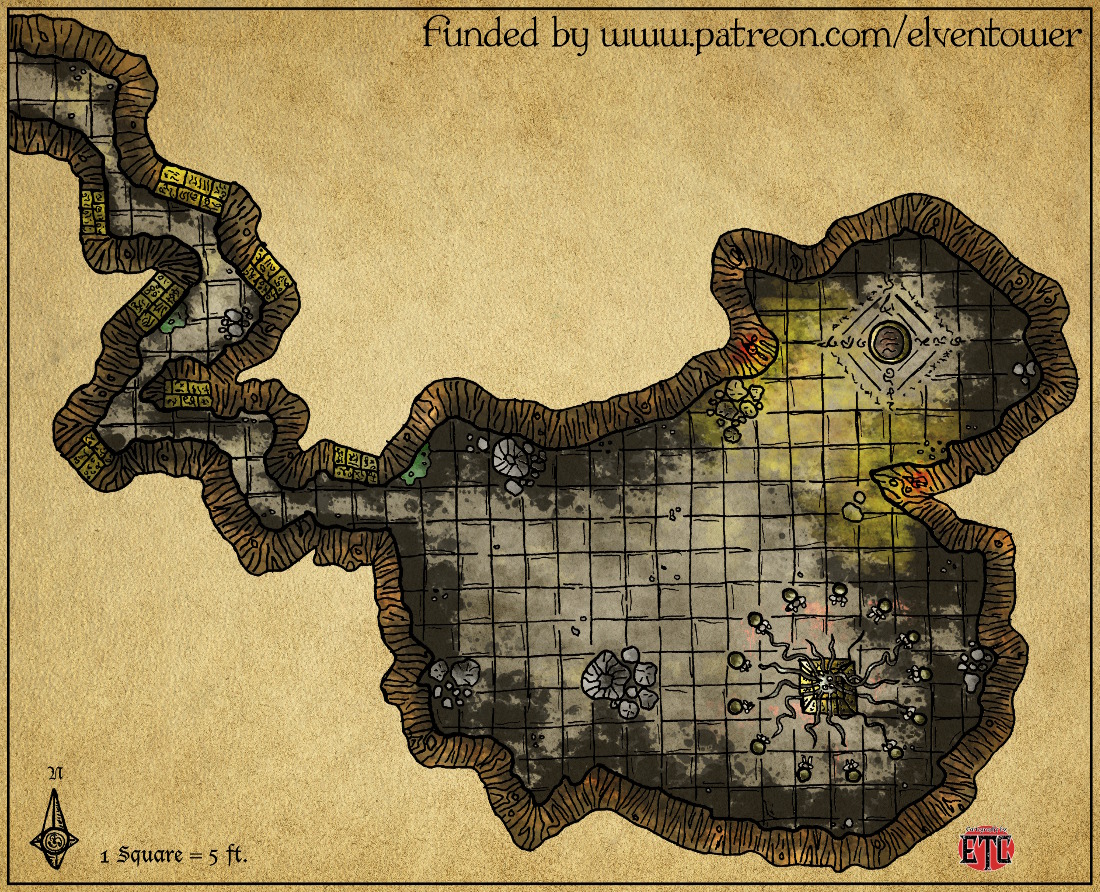
Player Feedback and Affordance
Ultimately, the design of a demon altar on a map is about communicating information and encouraging player interaction. This is where the concept of “affordance” comes into play – how the visual design suggests what actions can be taken.
- Intuitive Symbolism: Players often have a subconscious understanding of certain symbols and visual cues from other games and media. Developers leverage this by employing familiar iconography for danger, magic, and interactivity. A pulsating icon, for instance, intuitively suggests something active and potentially engaging.
- Contextual Information: When a player hovers over an altar icon or enters its vicinity, additional contextual information might appear. This could be a tooltip with the altar’s name, a brief description of its lore, or a list of available actions. The technical implementation involves overlaying UI elements that are triggered by player input or proximity, ensuring the information is delivered at the right time.
In conclusion, the representation of a demon altar on a game map is far more than just a decorative element. It is a carefully crafted piece of user interface design, drawing upon established visual language and functional mechanics to inform, intrigue, and guide players through the digital worlds they inhabit. By understanding the archetypal symbols, the gameplay implications, and the underlying technical considerations, players can better interpret these ominous markers and navigate the challenges and opportunities they present. The demon altar, whether a simple icon or a visually dynamic zone, serves as a potent reminder of the thematic depth and interactive complexity that modern game design strives to achieve.
aViewFromTheCave is a participant in the Amazon Services LLC Associates Program, an affiliate advertising program designed to provide a means for sites to earn advertising fees by advertising and linking to Amazon.com. Amazon, the Amazon logo, AmazonSupply, and the AmazonSupply logo are trademarks of Amazon.com, Inc. or its affiliates. As an Amazon Associate we earn affiliate commissions from qualifying purchases.