
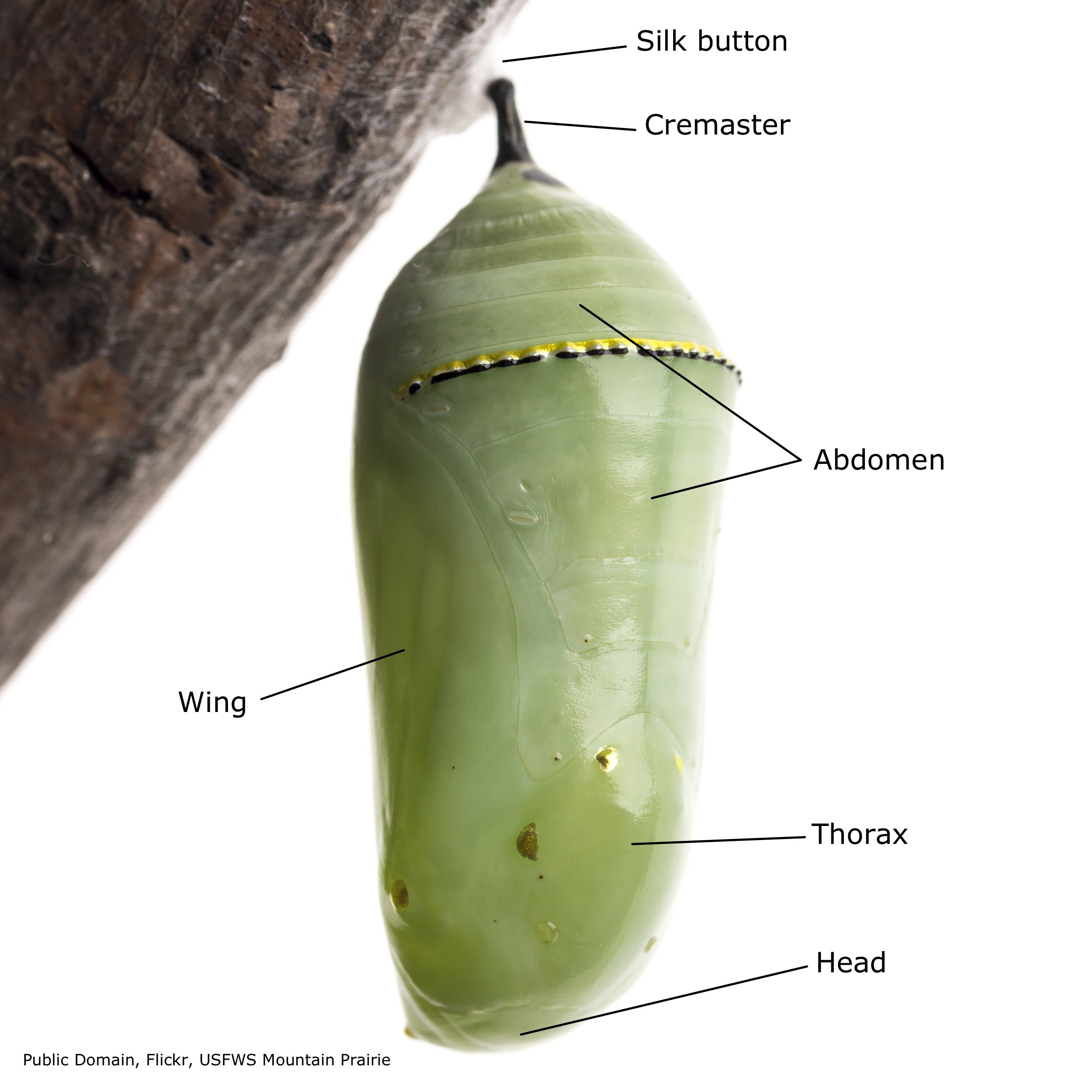
The metamorphosis of a caterpillar into a butterfly, encased within its chrysalis, is one of nature’s most profound and visually striking transformations. While its outward appearance might seem static, even dormant, within that protective shell, a radical and complex biological reordering is taking place. This natural marvel offers a potent metaphor for the often-unseen yet critical processes that underpin successful brand development and evolution. In the world of branding, a chrysalis isn’t a physical structure; rather, it represents a period of intensive incubation, strategic refinement, and internal preparation before a brand emerges anew, stronger, more relevant, and ready to engage its audience. Understanding what this “brand chrysalis” looks like, how it functions, and what it portends is crucial for any organization seeking to navigate periods of significant change or reinvention.

The Incubation Phase: Unseen Foundations of Brand Transformation
The chrysalis phase in branding is characterized by a deep dive into the core of the brand, often driven by evolving market dynamics, changing consumer expectations, or a strategic imperative to redefine its position. It’s a time when external visibility might be reduced, or the brand’s messaging might become more internally focused, as the foundational work for future growth is undertaken. This period is not one of idleness but of deliberate, often intensive, activity behind the scenes.
Deep Dives into Market and Consumer Insights
Before any outward manifestation of change, a brand must first understand the environment in which it exists and the audience it seeks to serve. This involves rigorous research, akin to the caterpillar’s preparation for its transformation.
Market Analysis and Trend Forecasting
The first step in the brand chrysalis is a comprehensive analysis of the current market landscape. This includes identifying emerging trends, understanding competitive strategies, and anticipating future shifts. For instance, a technology company might observe the rise of AI-powered customer service and begin to explore how to integrate such capabilities into its offerings. This foresight allows the brand to proactively adapt rather than reactively scramble when changes become unavoidable. This phase might involve SWOT analyses, PESTLE analyses, and scenario planning to identify opportunities and threats.
Audience Segmentation and Persona Development
Understanding the target audience at a granular level is paramount. This goes beyond basic demographics to encompass psychographics, behaviors, needs, and pain points. Developing detailed customer personas helps the brand empathize with its audience and design solutions and communication strategies that resonate deeply. A fashion brand might discover through research that its core demographic is increasingly concerned with sustainability, prompting a re-evaluation of its supply chain and material sourcing.
Internal Audit and Brand Health Assessment
Simultaneously, a brand must look inward. This involves an honest assessment of its current strengths, weaknesses, and overall brand health. It’s about understanding what’s working, what’s not, and where the disconnect lies between the brand’s perception and its reality. This might involve employee surveys, customer feedback analysis, and a review of existing brand assets and messaging to identify inconsistencies or outdated elements.
Strategic Reorientation and Vision Casting
With a solid understanding of the external landscape and internal capabilities, the brand chrysalis becomes a space for strategic recalibration. This is where the vision for the brand’s future is shaped, defining its new direction and aspirations.
Defining the New Brand Purpose and Values
Often, a period of intense transformation is driven by a need to reconnect with or redefine the brand’s fundamental purpose and values. This could be a response to societal shifts, ethical considerations, or a desire to inspire a new generation of consumers. For example, a financial institution might pivot to emphasize financial literacy and empowerment as its core purpose, moving beyond mere transaction facilitation.
Establishing a Clear Value Proposition
The value proposition is the promise a brand makes to its customers, outlining the benefits they can expect. During the chrysalis phase, this proposition is sharpened, refined, or entirely re-envisioned to ensure it is compelling, differentiated, and relevant to the target audience. This might involve identifying a unique selling proposition (USP) or a more holistic benefit that sets the brand apart.
Developing the Future Brand Architecture and Portfolio Strategy
For larger organizations, this phase may involve rethinking the brand architecture – how different sub-brands or product lines relate to the master brand. Decisions are made about which brands to nurture, which to divest, and how new offerings will fit into the overall structure. This ensures a cohesive and strategic approach to market presence.
The Sculpting Process: Crafting the New Brand Identity
Once the strategic direction is established, the chrysalis phase moves into the tangible creation of the brand’s new identity. This is where abstract strategies begin to take physical and communicative form, preparing for the moment of revelation.
Visual and Verbal Identity Refinement
The outward expression of a brand is its identity. During the chrysalis, this identity is meticulously crafted or meticulously updated to align with the new strategic vision.
Logo Redesign and Visual System Development
A fundamental aspect of brand transformation often involves a visual refresh. This can range from subtle tweaks to a complete overhaul of the logo, color palettes, typography, and imagery. The goal is to create a visual language that communicates the brand’s evolved personality and values. Think of how many established tech companies have undergone logo redesigns to appear more modern, adaptable, and forward-thinking. This isn’t just about aesthetics; it’s about conveying a message of innovation and relevance.
Tone of Voice and Messaging Framework
Just as crucial as visual elements is the brand’s voice. This involves defining the language, style, and tone used in all communications. Is the brand to be authoritative, playful, empathetic, or revolutionary? Establishing a consistent and compelling tone of voice ensures that all messaging, from website copy to social media posts, reinforces the desired brand perception. This might involve developing a comprehensive messaging framework with key talking points and narrative guidelines.
Brand Storytelling and Narrative Development
Every brand has a story, and during the chrysalis, this narrative is often honed. This involves identifying the brand’s origin, its journey, its purpose, and its aspirations in a way that connects emotionally with the audience. A compelling brand story can transform a product or service into an experience and a connection.
Developing the Customer Experience
The chrysalis phase also involves rethinking how customers will interact with the brand, ensuring that every touchpoint reflects the renewed identity and strategic direction.
Mapping the Customer Journey
A detailed examination of the customer journey from initial awareness to post-purchase engagement is undertaken. Each stage is analyzed to identify opportunities for improvement and to ensure a seamless, positive, and on-brand experience. This might involve optimizing website navigation, streamlining checkout processes, or enhancing customer support protocols.
Designing User Interfaces and User Experiences (UI/UX)
For digital brands, this is a critical area. The chrysalis phase is when new apps, websites, or digital platforms are designed or existing ones are revamped to offer intuitive, engaging, and visually appealing user experiences that are consistent with the brand’s new identity. This ensures that the functional aspects of the brand are as polished as its visual and verbal elements.
Service Design and Customer Support Protocols
The human element of brand interaction is vital. This phase may involve redesigning service offerings or revamping customer support strategies to ensure they are efficient, empathetic, and aligned with the brand’s promise. This could involve training staff, implementing new CRM systems, or developing new service blueprints.
The Emergence: Launching the Transformed Brand
The culmination of the brand chrysalis is the unveiling of the transformed brand to the world. This is the butterfly emerging from its shell, a moment that requires careful planning and execution to maximize impact and ensure successful adoption.
Strategic Launch Planning and Execution
The emergence from the chrysalis is not a spontaneous event; it is a carefully orchestrated campaign designed to capture attention and communicate the brand’s evolution effectively.
Developing the Go-to-Market Strategy
This encompasses all aspects of introducing the transformed brand to the public. It includes defining the launch timeline, identifying key communication channels, and outlining the specific marketing and PR activities that will be employed. The strategy must be robust enough to generate excitement and clearly articulate the brand’s new proposition.
Creating Integrated Marketing Campaigns
A successful launch relies on a coordinated effort across various marketing disciplines. This includes digital marketing (SEO, SEM, social media, content marketing), traditional advertising, public relations, and experiential marketing. The campaign must be cohesive, with a consistent message and visual identity across all touchpoints.
Internal Communication and Employee Engagement
Before the external launch, it is crucial to ensure that all internal stakeholders – especially employees – are fully informed and aligned with the brand’s new direction. Employees are often the first brand ambassadors, and their understanding and enthusiasm are critical to conveying authenticity and commitment. This involves internal briefings, training, and the provision of clear communication materials.
Measuring Impact and Sustaining Momentum
The emergence is just the beginning. The period following the launch is critical for embedding the new brand into the market and ensuring its long-term success.
Establishing Key Performance Indicators (KPIs) for Brand Health
To gauge the success of the transformation, specific KPIs are established. These might include brand awareness metrics, customer sentiment, market share, website traffic, social media engagement, and sales figures. Regularly tracking these metrics allows for ongoing evaluation and adjustment.
Post-Launch Feedback and Iteration
The market’s reaction is invaluable. Collecting feedback from customers, partners, and employees after the launch provides crucial insights for further refinement. This iterative process ensures that the brand remains responsive and continues to evolve in alignment with market needs.

Building Long-Term Brand Equity
The chrysalis phase is an investment in future growth. The goal is not just to launch a new look or message, but to build lasting brand equity – the intrinsic value of the brand in the minds of consumers. This involves consistently delivering on the brand promise, fostering strong customer relationships, and remaining adaptable to future changes.
In essence, the chrysalis in branding is a strategic period of intense internal work, innovation, and refinement that precedes a significant outward transformation. It’s a testament to the fact that impactful brand evolution often begins not with a grand announcement, but with quiet, meticulous preparation. Understanding and embracing the “chrysalis” concept allows brands to navigate change with purpose, emerge stronger, and ultimately, take flight in the competitive marketplace.
aViewFromTheCave is a participant in the Amazon Services LLC Associates Program, an affiliate advertising program designed to provide a means for sites to earn advertising fees by advertising and linking to Amazon.com. Amazon, the Amazon logo, AmazonSupply, and the AmazonSupply logo are trademarks of Amazon.com, Inc. or its affiliates. As an Amazon Associate we earn affiliate commissions from qualifying purchases.