
The concept of “prestige” in gaming, particularly within the Call of Duty (BO6) franchise, is a well-worn path for many dedicated players. It represents a deliberate reset, a symbolic shedding of accumulated rank and progress in exchange for recognition and the unlocking of exclusive rewards. However, beneath the glossy allure of prestige lies a nuanced trade-off, a tangible loss of in-game assets and progress that often goes unexamined. This article delves into the specific elements players relinquish when they choose to prestige in BO6, exploring the implications for their gameplay experience, progression, and the overall value proposition of this core game mechanic.

The Tangible Losses: Progress and Unlocks
Prestige is, by its very nature, a system of deliberate deconstruction. When a player chooses to prestige, they are actively dismantling the structures of their in-game progression in order to rebuild them, albeit with enhanced status. This means a significant portion of what they’ve earned through hours of gameplay is temporarily or permanently lost.
Rank and Experience Points (XP)
The most immediate and universally understood loss is rank. Upon prestiging, a player’s character level is reset to the absolute lowest possible rank. This means all the accumulated experience points (XP) that propelled them through the ranks are effectively wiped clean. For a player who has painstakingly climbed to the maximum rank in a given prestige level, this represents the loss of hundreds, if not thousands, of hours of dedicated play. The visual indicator of their progress – the rank insignia – is replaced by the symbol of a lower rank, a stark reminder of the reset. This loss of rank isn’t just cosmetic; it dictates access to certain weapons, attachments, perks, and killstreaks. By prestiging, players are voluntarily locking themselves out of these items, forcing them to re-earn them through subsequent gameplay.
Weapon Progression and Attachments
Beyond character rank, weapon progression is also a casualty of prestiging. Every weapon in a player’s arsenal has its own leveling system, unlocking new attachments, camos, and reticles as it is used. When a player prestiges, they typically lose the progress on all their weapons. This means that highly customized loadouts, built over countless matches to suit a particular playstyle, are dismantled. The coveted gold or platinum camos, earned through immense dedication and skill, vanish. Players are forced to re-grind the weapon levels for their favorite firearms, re-unlocking attachments they may have already mastered. This can be a particularly demoralizing aspect of prestiging, as it feels like starting over with the tools that were once readily available. While some games offer a limited number of “weapon unlock tokens” that can be used to preserve certain weapon levels, the majority of weapon progress is sacrificed.
Custom Classes and Loadout Slots
Custom loadouts are the cornerstone of strategic gameplay in Call of Duty. Players meticulously craft these loadouts, combining weapons, attachments, perks, and equipment to create synergistic builds for different situations. Prestiging often results in the loss of some, or all, of these custom loadout slots. Players might find themselves with fewer pre-set options, requiring them to re-configure their classes from scratch. This loss can significantly impact a player’s ability to adapt quickly to the flow of a match. Furthermore, the specific attachments and perks that were previously assigned to these slots are also lost, adding another layer to the re-acquisition process. The convenience and strategic advantage of having a well-defined set of loadouts readily available is temporarily removed, forcing a return to a more basic, less specialized approach until these are re-earned.
The Intangible Losses: Momentum and Specialization
While the tangible losses of rank and unlocks are readily apparent, prestiging also carries a more subtle, yet equally significant, cost in terms of player momentum and the ability to specialize.
Loss of Gameplay Momentum
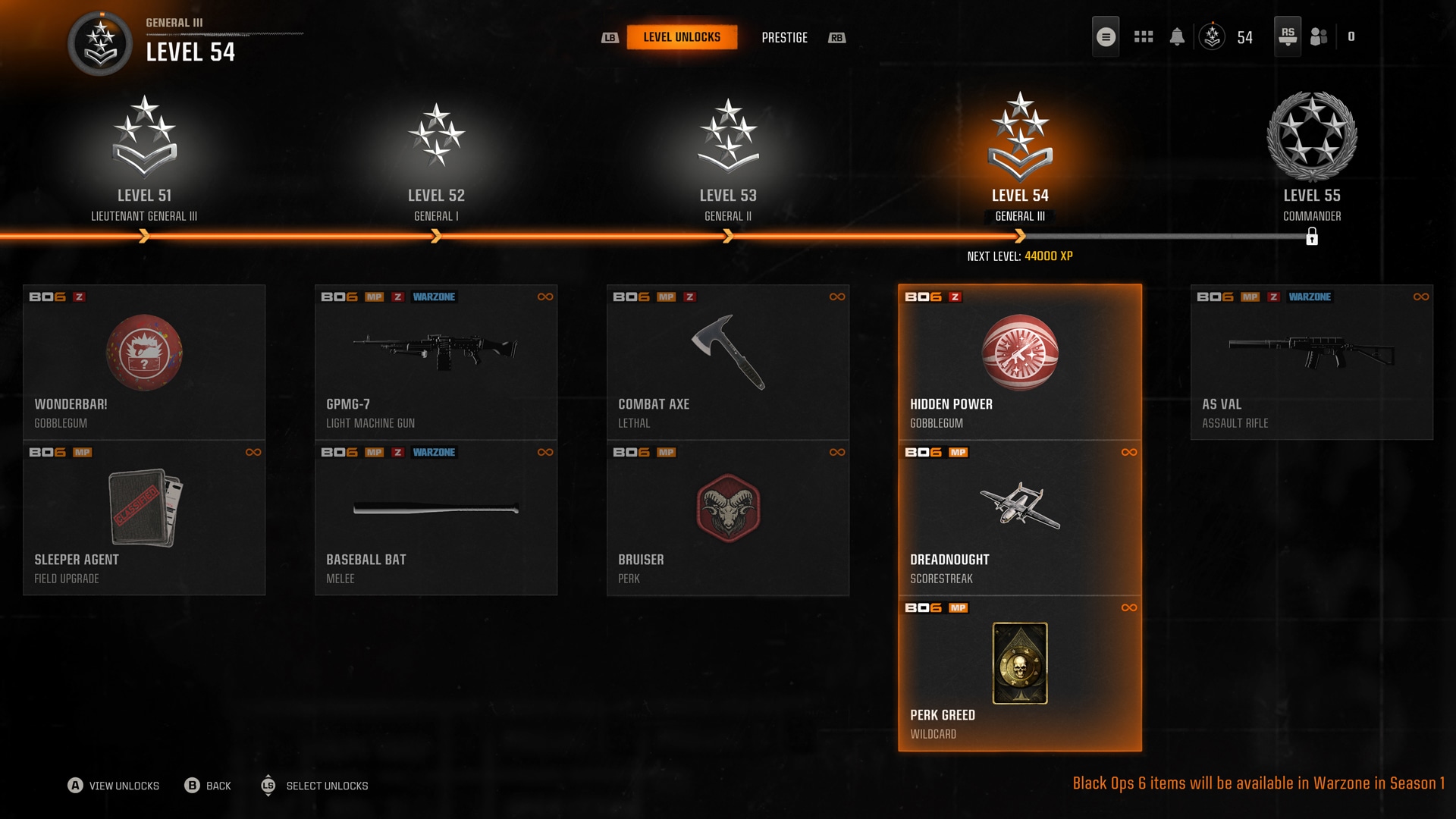
The act of progressing through ranks and unlocking new items creates a sense of consistent forward motion and achievement. Players feel a tangible reward for their playtime, which fuels their desire to continue. Prestiging, by its very nature, disrupts this momentum. The feeling of climbing, of achieving milestones, is replaced by a sense of stepping backward. This can lead to a temporary dip in motivation as players face the daunting task of re-earning everything. The immediate gratification associated with earning a new unlock or reaching a new rank is postponed, potentially leading to a period of slower, less rewarding gameplay. For players who thrive on a continuous stream of positive reinforcement, this disruption in momentum can be a significant deterrent.
Diminished Specialization
The deep progression systems in games like BO6 allow players to specialize. They can focus on mastering a particular weapon class, developing a unique playstyle with specific perks and equipment, or becoming exceptionally skilled with certain killstreaks. Prestiging forces a broad reset, making it more challenging to maintain this specialization. For instance, a player who has dedicated themselves to unlocking and mastering every attachment for a specific assault rifle will have to re-earn that progress. This can hinder their ability to consistently perform at their peak with their preferred weapon or playstyle, as they are temporarily limited to less optimized loadouts. The ability to experiment and develop unique, highly effective strategies is temporarily curtailed by the need to re-acquire foundational elements of gameplay.
The Trade-Off: Prestige Rewards and Recognition
The losses incurred by prestiging are, of course, not undertaken without reason. The core appeal of the prestige system lies in the rewards and recognition it offers. However, understanding the “cost” of these rewards is crucial for players to make informed decisions about their engagement with the game.
Cosmetic Unlocks and Exclusive Content
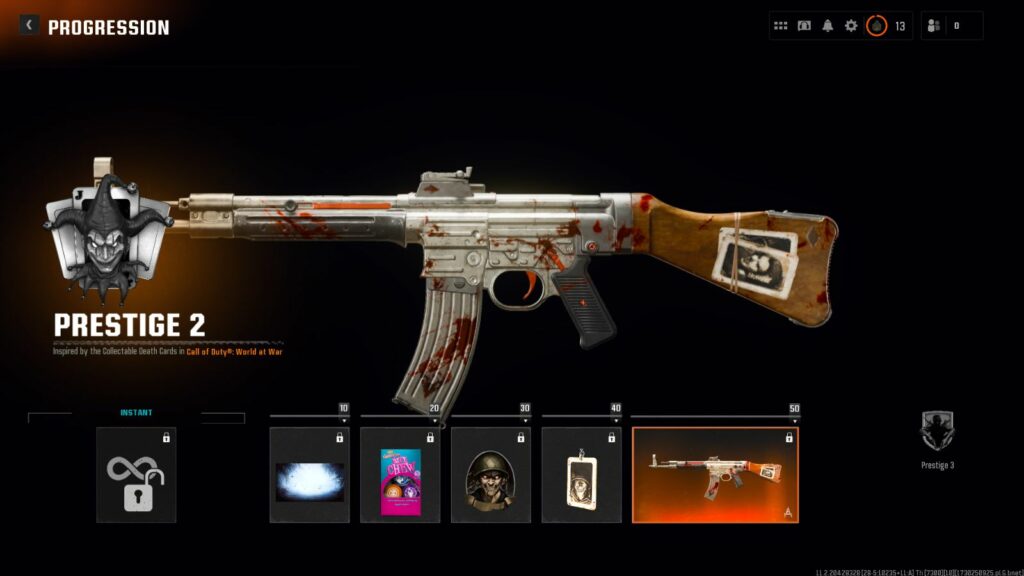
The primary motivation for many players to prestige is the acquisition of exclusive cosmetic items. These can range from unique weapon camos, calling cards, emblems, and operator skins to entirely new weapon variants with distinct visual appearances. These items serve as badges of honor, signaling to other players the player’s dedication and commitment to the game. Prestiging is the gateway to obtaining these highly sought-after aesthetic enhancements, allowing players to personalize their in-game experience and stand out from the crowd. These are purely cosmetic, offering no gameplay advantage, yet their desirability is immense within the gaming community.
Permanent Unlock Tokens
In some iterations of the prestige system, players are awarded permanent unlock tokens upon reaching certain prestige levels. These tokens can be used to permanently unlock a specific weapon, attachment, perk, or piece of equipment, meaning it will be available to the player from the very beginning of any future prestige. This is a valuable reward as it mitigates some of the weapon progression losses associated with prestiging. It allows players to retain access to their most favored items, ensuring that their core loadout can be re-established more quickly upon subsequent resets. The strategic use of these tokens can significantly reduce the grind and maintain a higher level of gameplay effectiveness from the outset of each prestige.
Leaderboard Rankings and Player Recognition
For highly competitive players, prestiging is often tied to their standing on in-game leaderboards. Achieving high prestige levels can place players among the top ranks, granting them bragging rights and a sense of accomplishment within the wider player base. This recognition is a significant intangible reward. The prestige icon itself, displayed prominently on a player’s profile, serves as a constant reminder of their achievements and dedication. It can foster a sense of community among high-prestige players and create aspirational goals for newer players.
Conclusion: A Calculated Sacrifice for Long-Term Engagement
The decision to prestige in BO6 is a calculated sacrifice. Players relinquish tangible progress in the form of rank, weapon progression, and custom loadouts, as well as intangible benefits like gameplay momentum and the ability to specialize. These losses, while significant, are the necessary cost for unlocking exclusive cosmetic rewards, earning permanent unlock tokens, and achieving a higher status within the game’s hierarchy. For many, the allure of these rewards and the cyclical nature of progression and reset are precisely what keeps them engaged with BO6 long-term. It transforms the game from a static experience into a continually evolving challenge, offering new goals and motivators even after hundreds of hours of play. Understanding what is lost during the prestige process allows players to approach this core game mechanic with a clear understanding of the trade-offs, ultimately enhancing their appreciation for the rewards they gain and the journey they undertake.
aViewFromTheCave is a participant in the Amazon Services LLC Associates Program, an affiliate advertising program designed to provide a means for sites to earn advertising fees by advertising and linking to Amazon.com. Amazon, the Amazon logo, AmazonSupply, and the AmazonSupply logo are trademarks of Amazon.com, Inc. or its affiliates. As an Amazon Associate we earn affiliate commissions from qualifying purchases.