
The cryptic markings on the sidewall of your tires are more than just a series of random characters and numbers. They are a highly standardized language, conveying vital technical specifications that are crucial for safety, performance, and even fuel efficiency. For the discerning vehicle owner, understanding these markings is akin to understanding the technical specifications of any other critical component of their vehicle. This knowledge empowers you to make informed decisions when purchasing new tires, maintaining your current ones, and ensuring your vehicle operates at its optimal level. This article will demystify these numbers, breaking down each component and explaining its significance from a Tech perspective.
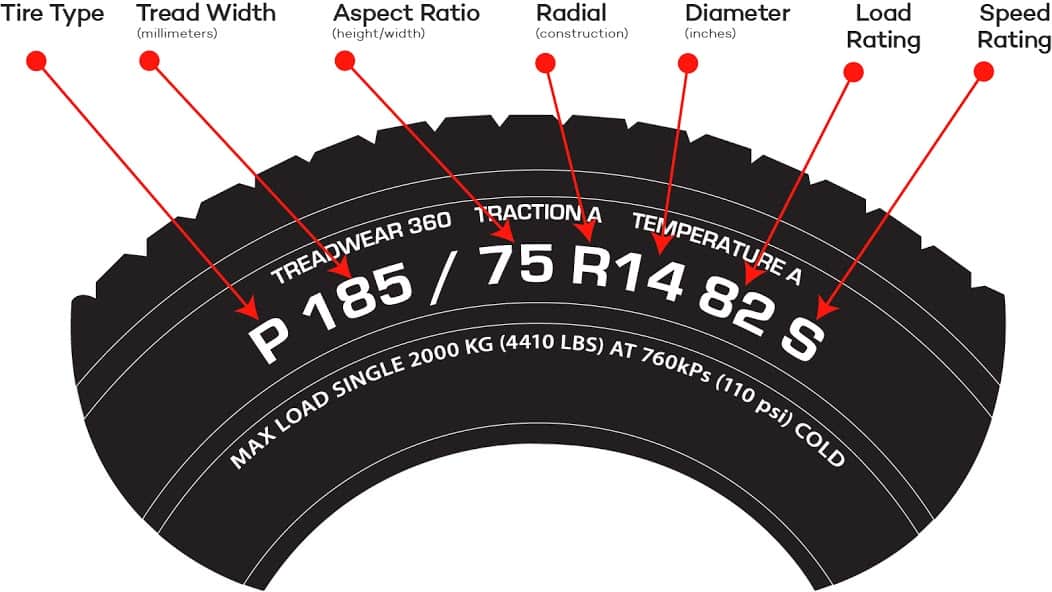
Decoding the Tire Sidewall: A Technical Blueprint
The sidewall of a tire is a miniature technical manual, packed with information that dictates its capabilities and limitations. Manufacturers adhere to strict international standards, ensuring that these markings are universally understood. This standardization is a testament to the engineering and technological advancements in the tire industry, where even subtle variations can have significant impacts on a vehicle’s handling, longevity, and overall safety.
The P-Metric System: Size and Load Capacity
The most prominent set of numbers on your tire typically follows the P-Metric system (or Metric system for non-North American markets, which we will briefly touch upon). This system provides fundamental information about the tire’s dimensions and its ability to carry weight.
Tire Type and Width
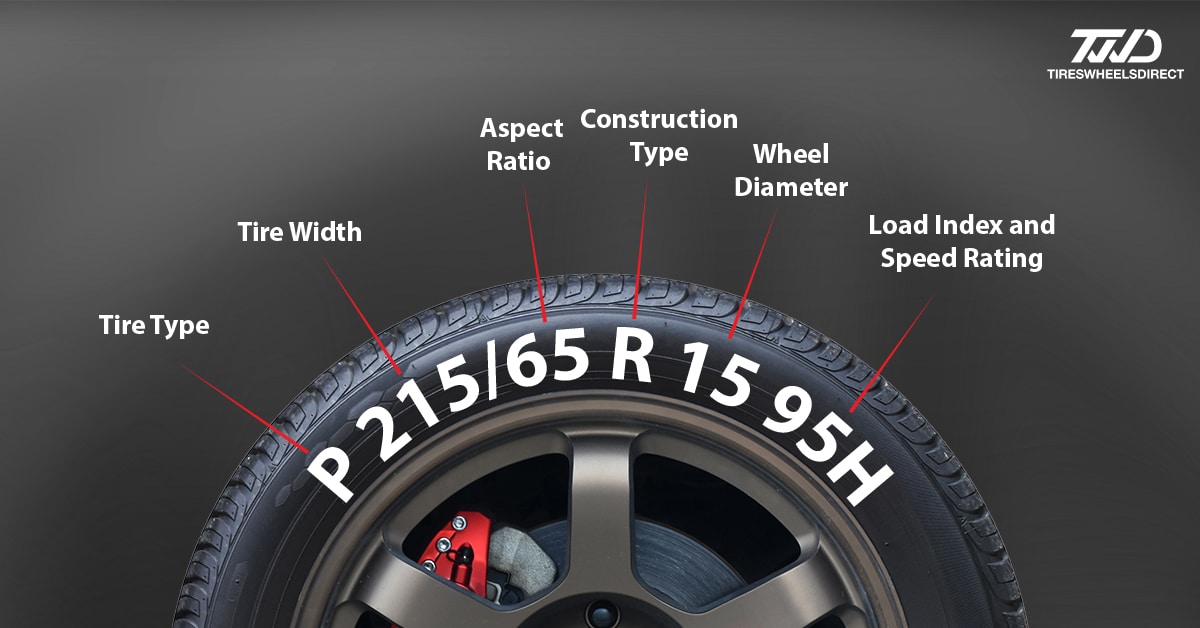
The first character, often a letter, indicates the tire’s intended use. For passenger vehicles, this is usually a “P” for P-Metric. Other common designations include:
- LT: Light Truck – indicating a tire designed for light trucks and SUVs, often with heavier load capacities and different construction.
- T: Temporary Spare – for a compact spare tire used only for emergencies.
- ST: Special Trailer – designed specifically for trailers.
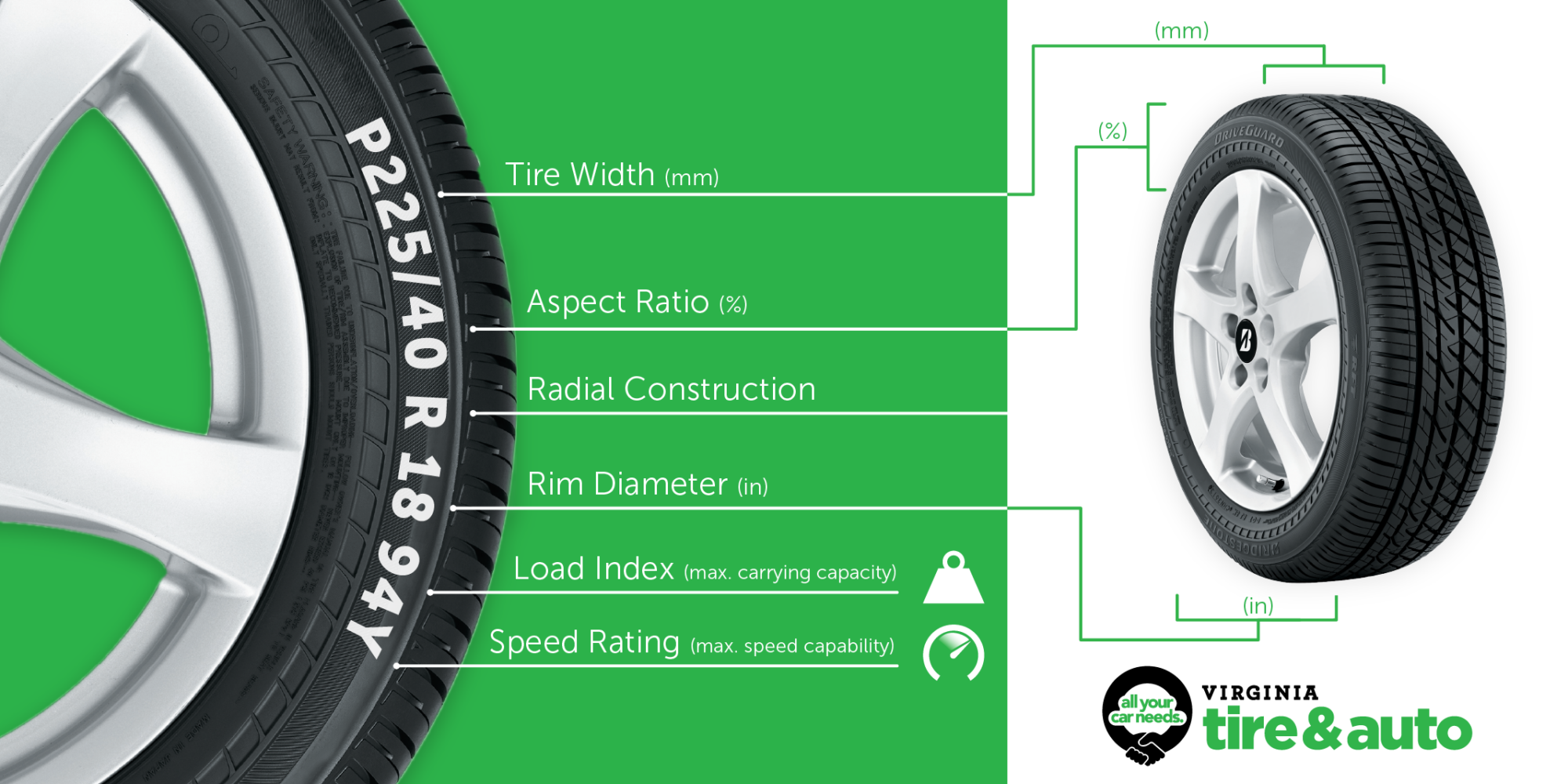
Following the tire type is a three-digit number representing the tire’s width in millimeters. For example, in “P215/65R15,” the “215” signifies that the tire is 215 millimeters wide from sidewall to sidewall. This width is a critical factor influencing a tire’s contact patch with the road, which in turn affects grip, handling, and ride comfort. Wider tires generally offer better grip, especially in dry conditions, but can also be more susceptible to hydroplaning and may consume more fuel.
Aspect Ratio: The Sidewall’s Height
The two-digit number following the slash is the aspect ratio, expressed as a percentage. This number represents the tire’s sidewall height as a percentage of its width. In our example of “P215/65R15,” the “65” means the sidewall height is 65% of the tire’s width (215mm). A lower aspect ratio (e.g., 55, 45) indicates a shorter sidewall, often referred to as “low-profile” tires. These tires tend to offer sharper handling and a more responsive feel due to reduced sidewall flex. However, they can also result in a harsher ride and are more susceptible to damage from road hazards. Conversely, a higher aspect ratio signifies a taller sidewall, which generally provides a more comfortable ride and better shock absorption.
Radial Construction
The letter “R” after the aspect ratio indicates the tire’s construction. “R” stands for radial construction, which is the dominant type of tire construction today. In radial tires, the body plies are arranged perpendicular to the direction of travel, running radially from bead to bead. This design offers several advantages, including improved fuel efficiency, better handling, and a more comfortable ride due to increased flexibility in the sidewall. Older tire constructions, such as bias-ply, had plies that crossed diagonally, leading to increased heat buildup and a less forgiving ride.
Rim Diameter
The final two-digit number in this sequence indicates the diameter of the wheel rim in inches that the tire is designed to fit. In “P215/65R15,” the “15” means the tire is intended for a 15-inch diameter wheel. This is a crucial specification, as fitting a tire to an incorrect rim diameter can be dangerous and will prevent proper seating, leading to air loss and potential tire failure.
Beyond Dimensions: Load Index and Speed Rating
The information on the tire sidewall extends beyond its physical dimensions to crucial safety and performance metrics: the load index and speed rating. These are standardized codes that tell you how much weight the tire can safely carry and the maximum speed at which it can perform under that load.
Load Index: The Tire’s Carrying Capacity
The load index is a numerical code that corresponds to the maximum weight each tire can support. This number is not an arbitrary assignment but is rigorously tested and standardized. For instance, a load index of “91” might correspond to a maximum load of 615 kilograms (1,356 pounds). Understanding the load index is vital for ensuring your vehicle’s tires can safely handle the weight of the vehicle itself, passengers, and any cargo.
Exceeding a tire’s load index can lead to premature wear, overheating, and a significantly increased risk of tire failure, including blowouts. Manufacturers of vehicles specify the required load index for the tires fitted to their models, and it’s essential to adhere to these recommendations. While you can often fit a tire with a higher load index, you should never fit one with a lower load index, as this compromises safety.
Speed Rating: The Tire’s Velocity Limit
Following the load index is a letter representing the tire’s speed rating. This rating indicates the maximum speed at which the tire can sustain its load-carrying capacity. For example, a “H” speed rating typically corresponds to a maximum speed of 210 kilometers per hour (130 miles per hour). Other common speed ratings include:
- S: 180 km/h (112 mph)
- T: 190 km/h (118 mph)
- V: 240 km/h (149 mph)
- W: 270 km/h (168 mph)
- Y: 300 km/h (186 mph)
Similar to the load index, the speed rating is critical for safety. Driving at speeds exceeding a tire’s rating, especially under load, can lead to excessive heat buildup, tire deformation, and a risk of catastrophic failure. Vehicle manufacturers specify the appropriate speed rating for their vehicles, taking into account the vehicle’s performance capabilities and intended use. While it is permissible to fit tires with a higher speed rating, fitting tires with a lower speed rating than recommended by the vehicle manufacturer is a safety concern.
Essential Safety Information: DOT Code and Treadwear
Beyond the primary size and performance indicators, tire sidewalls also carry crucial safety and manufacturing information, including the DOT code and treadwear rating.
The DOT Code: Traceability and Manufacturing Details
The DOT (Department of Transportation) code is a series of alphanumeric characters that provides vital information about the tire’s manufacturing. It’s a regulatory requirement in many countries and serves as a unique identifier. The most important part of the DOT code for consumers is the last four digits, which represent the date of manufacture.
The first two digits of this four-digit code indicate the week of the year (01-52), and the last two digits indicate the year of manufacture. For example, “2422” would mean the tire was manufactured in the 24th week of 2022. This information is critical because tires, like all rubber products, degrade over time, even when not in use. Exposure to sunlight, extreme temperatures, and ozone can cause the rubber to harden, become brittle, and lose its integrity. A general guideline is to consider replacing tires that are older than six years, regardless of tread depth, and certainly after ten years.
Beyond the Date: Understanding the Full DOT Code
The DOT code also contains other information, such as the manufacturing plant code and tire size designation, which are primarily for manufacturer and regulatory use. However, understanding the manufacturing date is paramount for ensuring the safety and performance of your tires.
Treadwear, Traction, and Temperature: The UTQG System
The Uniform Tire Quality Grading (UTQG) system, established by the National Highway Traffic Safety Administration (NHTSA) in the United States, provides consumers with a standardized way to compare certain aspects of tire performance. The UTQG rating appears on the tire sidewall and consists of three components: Treadwear, Traction, and Temperature.
Treadwear: Durability of the Tread
The Treadwear grade is a comparative indicator of the tire’s longevity. It’s a relative index, meaning a tire with a Treadwear grade of 400 is expected to last twice as long as a tire with a Treadwear grade of 200, assuming normal driving conditions. However, it’s crucial to note that this is not a guarantee of mileage. Actual tire life depends heavily on driving habits, road conditions, tire maintenance, and climate. Higher Treadwear numbers generally indicate a more durable tread compound, which typically means a longer-lasting tire.
Traction: Braking Performance
The Traction grade measures a tire’s straight-line wet braking traction. It’s graded on a scale from AA, A, B, to C, with AA being the highest and C the lowest. This rating indicates how well the tire can stop on a wet surface. A tire with an “A” traction grade will stop shorter than a tire with a “B” traction grade under the same wet braking conditions. This metric is a significant factor in overall vehicle safety, especially in adverse weather.
Temperature: Heat Dissipation Resistance
The Temperature grade assesses a tire’s ability to dissipate heat. It’s also graded from A, B, to C, with A being the highest. This rating indicates the tire’s resistance to heat buildup when tested under controlled conditions on a specified indoor wheel. Excessive heat can cause tire degradation and increase the risk of failure. A tire with an “A” temperature grade can sustain higher temperatures than a tire with a “B” grade without experiencing adverse effects, making it more suitable for high-speed driving or demanding conditions.
Conclusion: Empowered Driving Through Knowledge
The numbers and symbols on your tire sidewall are not merely decorative; they are a sophisticated system of technical information designed to ensure your safety and optimize your vehicle’s performance. From understanding the fundamental dimensions of your tires and their load and speed capabilities to deciphering their manufacturing date and comparative performance ratings, this knowledge empowers you to make informed decisions. Whether you’re purchasing new tires, performing routine maintenance, or simply seeking to understand your vehicle better, taking the time to decode these markings is an investment in your safety and driving experience. By treating your tires not just as round rubber objects, but as critical pieces of engineered technology, you can drive with greater confidence and peace of mind.
aViewFromTheCave is a participant in the Amazon Services LLC Associates Program, an affiliate advertising program designed to provide a means for sites to earn advertising fees by advertising and linking to Amazon.com. Amazon, the Amazon logo, AmazonSupply, and the AmazonSupply logo are trademarks of Amazon.com, Inc. or its affiliates. As an Amazon Associate we earn affiliate commissions from qualifying purchases.