
The celestial tapestry we observe nightly, a dazzling array of distant pinpricks of light, ignites our imagination and fuels scientific inquiry. For millennia, humanity has gazed upwards, captivated by the enigmatic glow of stars. Yet, our perception of these cosmic furnaces is largely shaped by their immense distance, rendering them as mere points of light. The question, “What do stars really look like up close?” therefore, isn’t just a whimsical query about aesthetics; it’s a profound exploration into the cutting edge of technological advancement that allows us to transcend the limitations of naked-eye observation and truly “see” these distant suns. This journey requires sophisticated instruments, intricate data analysis, and a constant push against the boundaries of what is technically feasible.
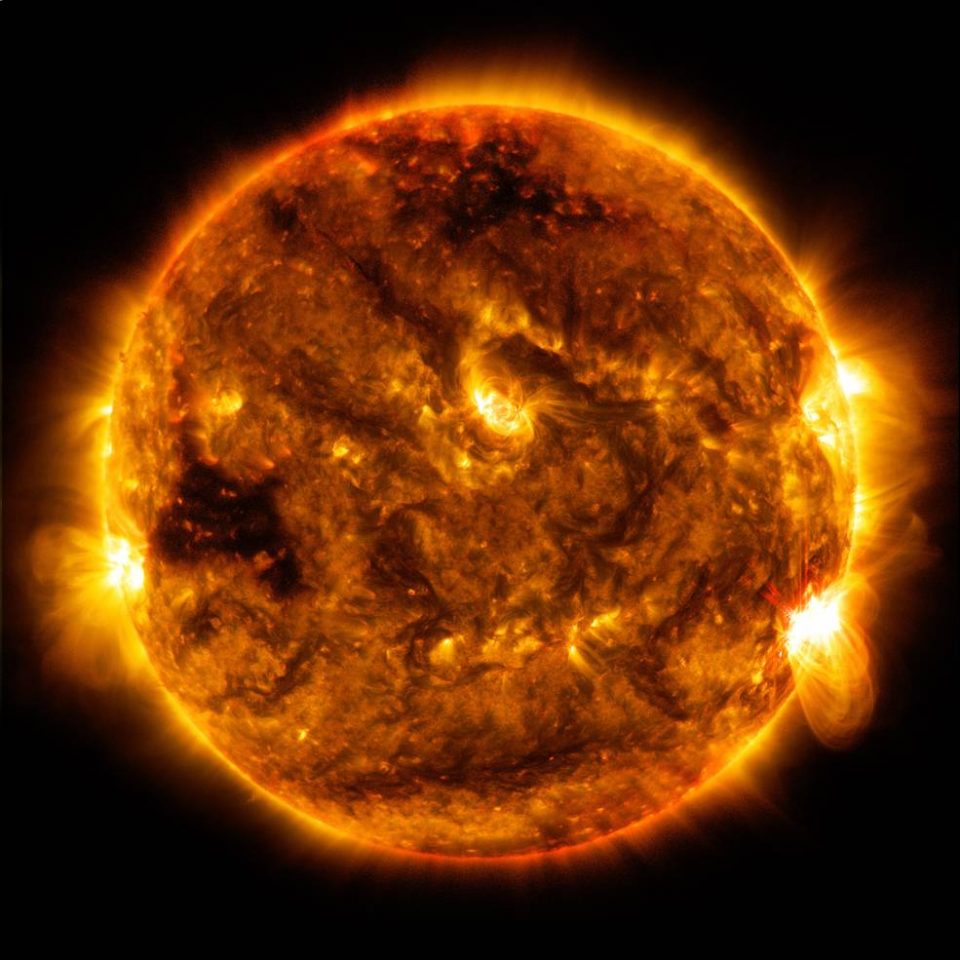
Our ability to scrutinize stars up close is a testament to human ingenuity in the realm of technology. From the revolutionary capabilities of the Hubble Space Telescope to the unparalleled precision of the James Webb Space Telescope, and the emerging power of ground-based observatories employing adaptive optics, each advancement brings us closer to understanding the physical nature of stars, their evolution, and their ultimate fate. These instruments are not simply cameras; they are complex technological marvels, designed to detect faint signals from across unimaginable gulfs of space, to analyze the very composition of stellar atmospheres, and to capture images with resolutions that dwarf anything previously conceived. This article will delve into the technological innovations that enable us to achieve unprecedented proximity to stars, the methods by which this information is processed and interpreted, and the profound insights these technological leaps are yielding about the universe.
The Technological Arsenal: Instruments of Stellar Exploration
The quest to “see” stars up close is fundamentally a technological race. The inherent challenge lies in the vast distances involved. Even the nearest star, Proxima Centauri, is over four light-years away, meaning the light we see left it over four years ago. To overcome this, scientists rely on an ever-evolving suite of instruments, each pushing the boundaries of optical, infrared, and radio astronomy. These are not mere telescopes in the traditional sense; they are sophisticated scientific instruments designed for data acquisition and analysis on an unprecedented scale.
Giant Eyes in the Sky: Space Telescopes
Space telescopes have been revolutionary in their ability to escape the distorting effects of Earth’s atmosphere. The Hubble Space Telescope, launched in 1990, dramatically changed our perception of the cosmos. Its ability to observe in visible, ultraviolet, and near-infrared light, free from atmospheric blurring, provided stunningly detailed images of nebulae, galaxies, and stars. Hubble’s legacy is immense, offering visual representations of stars that were once only theoretical. It allowed us to see the intricate structures within stellar nurseries, the violent outbursts of supernovae, and the subtle differences between various types of stars with remarkable clarity.
However, it is the James Webb Space Telescope (JWST), launched in 2021, that has truly redefined what it means to see stars up close. Operating in the infrared spectrum, JWST is capable of piercing through the dust clouds that obscure many celestial objects from visible light telescopes. This allows us to observe the birth of stars within their dusty cocoons and to study the cooler, more evolved stages of stellar life. JWST’s enormous primary mirror, composed of 18 hexagonal segments, collects significantly more light than Hubble, enabling it to see fainter and more distant objects. Its advanced infrared instruments can analyze the composition of stellar atmospheres, detect exoplanets, and reveal the chemical signatures of planetary formation around other stars. The images and data from JWST are not just visually spectacular; they are a treasure trove of scientific information, providing unprecedented detail about the physical processes occurring within and around stars.
Ground-Based Giants and Adaptive Optics
While space telescopes offer unparalleled views, ground-based observatories, equipped with cutting-edge technology, are also vital. The sheer size of some ground-based telescopes, such as the Gran Telescopio Canarias or the upcoming Extremely Large Telescope (ELT), allows them to gather even more light than their space-based counterparts. The primary challenge for these observatories is the Earth’s atmosphere, which distorts incoming light, causing stars to twinkle and blurring images.
This is where the technological marvel of adaptive optics comes into play. Adaptive optics systems use a deformable mirror that can subtly change its shape thousands of times per second. By measuring the distortions caused by atmospheric turbulence, the system corrects these aberrations in real-time, effectively sharpening the image. This technology allows ground-based telescopes to achieve resolutions comparable to, and in some cases exceeding, that of space telescopes. For instance, observatories like the Keck Observatory and the Very Large Telescope (VLT) utilize adaptive optics to produce incredibly detailed images of stellar surfaces, revealing features like starspots, granulation, and even the outlines of companion stars in binary systems. This technology brings us closer to resolving individual features on the surfaces of stars, moving beyond mere points of light to actual disc-like structures.
Decoding the Stellar Image: Data Processing and Interpretation
The technological marvels mentioned above are only the first step. The raw data collected by these instruments is often complex and requires sophisticated processing and interpretation to transform it into meaningful information about what stars “look like” up close. This involves advanced algorithms, computational power, and a deep understanding of astrophysics.
From Pixels to Physical Properties: Spectroscopic Analysis
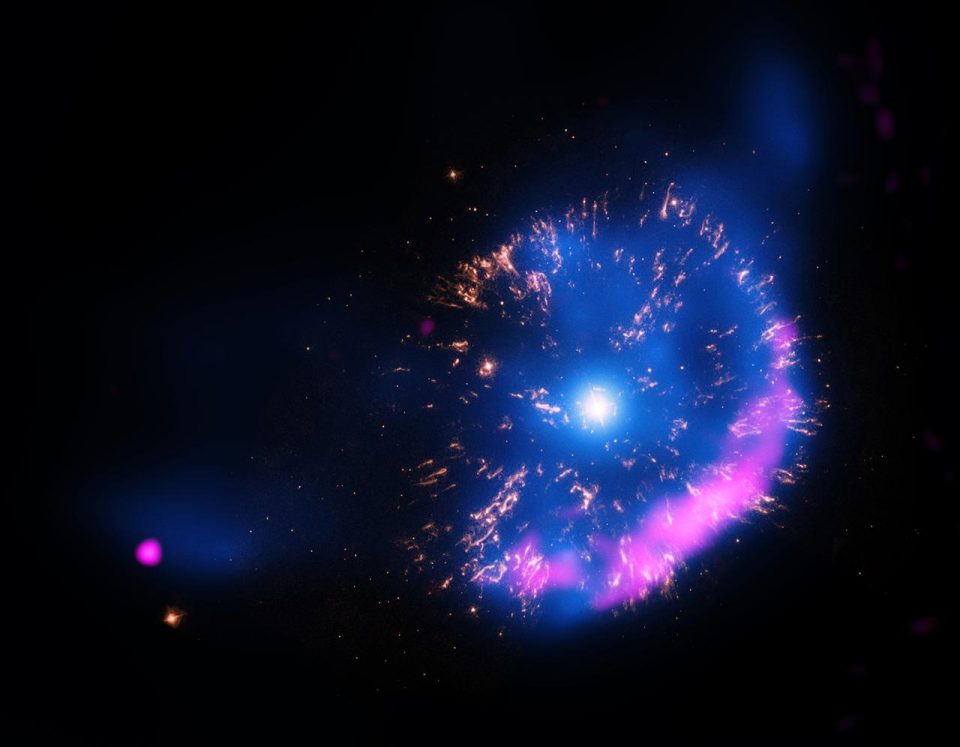
While visual imaging is crucial, understanding the true nature of a star up close requires more than just a pretty picture. Spectroscopic analysis is a cornerstone of stellar science, and it relies heavily on advanced technological capabilities. When light from a star passes through a spectrograph, it is split into its constituent wavelengths, much like a prism separates white light into a rainbow. However, a star’s spectrum is not a continuous rainbow; it is marked by dark absorption lines or bright emission lines, each corresponding to specific chemical elements present in the star’s atmosphere.
Modern spectrographs, integrated with powerful telescopes, can capture these spectra with incredible precision. The technology allows us to measure the intensity of light at thousands of different wavelengths. By analyzing the position, strength, and width of these spectral lines, scientists can determine a wealth of information about a star, including its surface temperature, chemical composition, radial velocity (how fast it is moving towards or away from us), and even the presence of magnetic fields. Furthermore, subtle shifts and broadening of spectral lines can reveal information about stellar activity, such as flares and sunspots, offering a “close-up” view of these dynamic processes, albeit through an indirect, analytical lens. The technology here is in the precision of the detectors and the computational power needed to process and interpret vast spectroscopic datasets.
Stellar Interferometry: The Ultimate Resolution
For the ultimate “close-up” view, astronomers employ a technique called stellar interferometry. This highly specialized technology combines the light from two or more separate telescopes to create a much larger, virtual telescope. By precisely measuring the differences in the arrival times of light from a star at each telescope, interferometers can achieve resolutions far beyond that of any single telescope. This allows astronomers to resolve the discs of even relatively nearby stars, revealing details on their surfaces that would otherwise be impossible to discern.
The optical interferometry technique, used by instruments like the CHARA Array, has been instrumental in measuring the angular sizes of stars. While it doesn’t typically provide detailed imaging of surface features in the way adaptive optics does for individual large telescopes, it allows for the direct measurement of stellar diameters with unprecedented accuracy. This is crucial for understanding stellar evolution, as a star’s size is directly related to its age and stage of life. Combining interferometry with other observational techniques allows astronomers to build comprehensive models of stellar structure and to, in essence, “touch” the surface of a star with the precision of their measurements. The technology here is incredibly demanding, requiring exquisite control over the alignment and path length of light from multiple telescopes.
Beyond the Visible: Unveiling Stellar Interiors and Evolution
The technology that allows us to observe stars up close also provides us with insights into their internal workings and evolutionary paths, things that are inherently hidden from direct sight. By combining observational data with theoretical models, scientists can paint a remarkably detailed picture of stellar interiors and their life cycles.
Asteroseismology: Listening to the Stars’ Heartbeats
Asteroseismology is the study of stellar oscillations, the subtle vibrations that ripple through a star’s interior. These oscillations are akin to the seismic waves generated by earthquakes on Earth, and by studying them, scientists can learn about the internal structure and composition of stars. Just as seismologists can deduce the Earth’s core and mantle by analyzing earthquake waves, asteroseismologists can probe the density, temperature, and composition of a star’s core by observing its pulsations.
The Kepler Space Telescope and its successor, TESS (Transiting Exoplanet Survey Satellite), have been pivotal in advancing asteroseismology. These missions are designed to detect the tiny dips in starlight caused by transiting exoplanets, but they also meticulously measure the minute changes in a star’s brightness that correspond to its oscillations. The technological advancement here lies in the exquisite photometric precision of these instruments, capable of detecting changes in brightness as small as a few parts per million. By analyzing the frequencies and amplitudes of these pulsations, astronomers can infer properties of the stellar interior, such as the rate of nuclear fusion in the core and the extent of convection. This provides an unprecedented “up-close” view of the dynamic processes that power stars from within, a perspective impossible to achieve through direct observation alone.
Stellar Evolution Models: The Technological Predictions of the Future
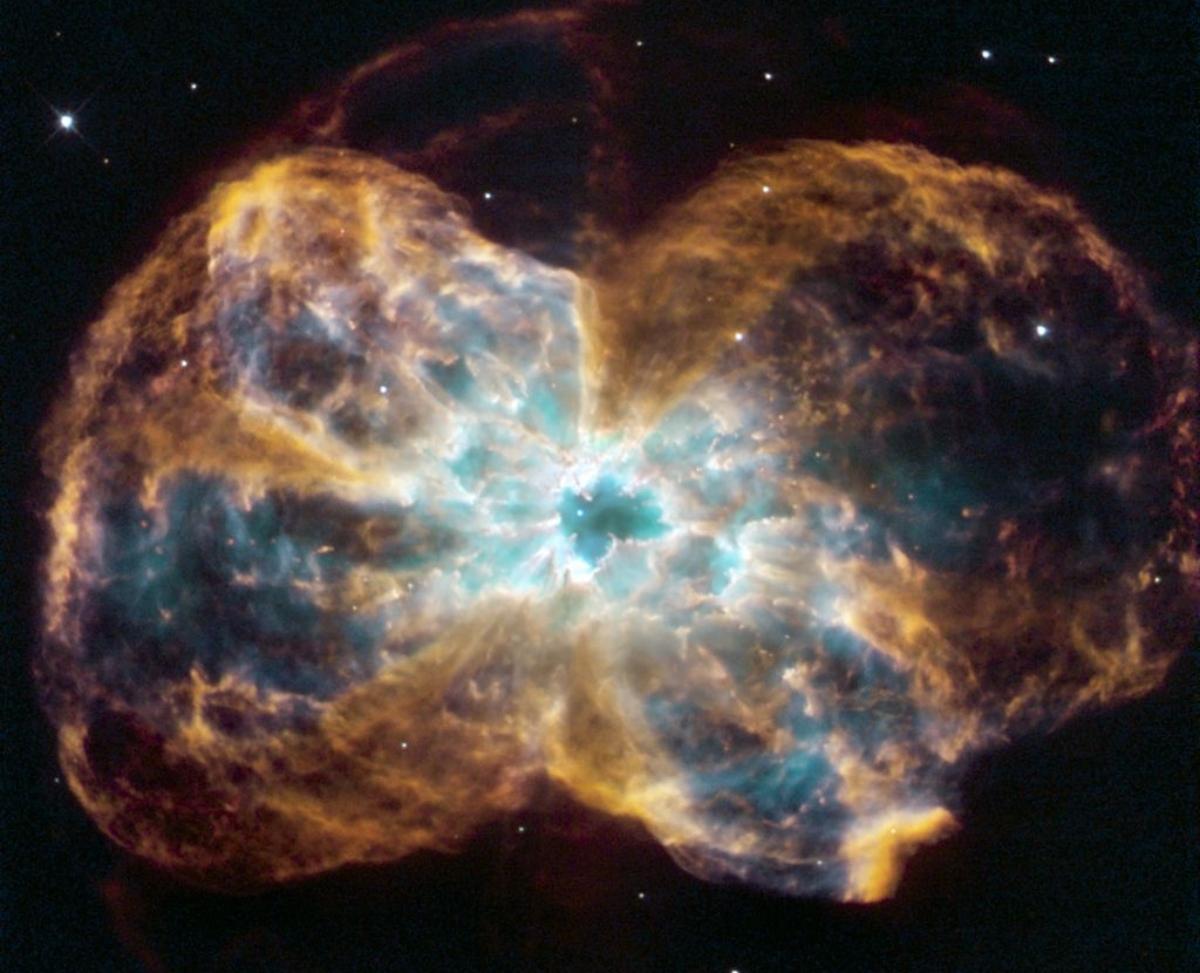
While we can observe stars at various stages of their lives, understanding their complete evolutionary journey—from birth in nebulae to eventual demise as white dwarfs, neutron stars, or black holes—relies on sophisticated computational models. These models are complex technological simulations that incorporate our understanding of physics, including nuclear fusion, gravity, thermodynamics, and radiative transfer.
The power behind these models comes from advanced supercomputing facilities. Scientists feed observational data from telescopes, spectrographs, and interferometers into these simulations. The computers then perform billions, even trillions, of calculations to predict how a star of a given mass, composition, and age will evolve over time. By comparing the predictions of these models with actual observations of stars at different evolutionary stages, astronomers can refine their understanding and gain a comprehensive picture of stellar life cycles. This technological approach allows us to not only see what stars look like at specific moments but also to understand their past, present, and future, effectively bringing their entire existence into view.
In conclusion, the question “What do stars really look like up close?” is a gateway to understanding the incredible advancements in technology that are revolutionizing our view of the cosmos. From the giant mirrors of space telescopes and the adaptive optics of ground-based observatories to the precise measurements of spectrographs and interferometers, and the computational power of asteroseismology and stellar evolution models, each technological leap brings us closer to truly comprehending these distant celestial bodies. We are moving beyond the romanticized points of light to a detailed, scientifically grounded understanding of their fiery surfaces, turbulent interiors, and epic life stories, all thanks to the relentless innovation of technological exploration.
aViewFromTheCave is a participant in the Amazon Services LLC Associates Program, an affiliate advertising program designed to provide a means for sites to earn advertising fees by advertising and linking to Amazon.com. Amazon, the Amazon logo, AmazonSupply, and the AmazonSupply logo are trademarks of Amazon.com, Inc. or its affiliates. As an Amazon Associate we earn affiliate commissions from qualifying purchases.