
In the competitive landscape of the food industry, understanding and articulating the intrinsic sensory qualities of a product is paramount to effective branding and marketing. The humble squash, a cornerstone of seasonal cuisine and a highly adaptable ingredient, presents a fascinating case study in how taste, texture, and aroma contribute to brand perception and market positioning. This exploration delves into the nuanced flavor profiles of various squash varieties, examining how brands can leverage this understanding to cultivate strong identities and resonate with consumers.
The Olfactory and Gustatory Palette: Decoding Squash’s Flavor Spectrum
The essence of any food product’s appeal lies in its taste and aroma. For squash, this spectrum is surprisingly diverse, moving beyond simplistic descriptors to a sophisticated interplay of sweet, earthy, nutty, and even subtly bitter notes. Effectively communicating these nuances is a critical branding challenge.
Sweet Undertones: From Caramelized to Honeyed
Many squash varieties possess an inherent sweetness that intensifies with cooking, particularly when roasted. This sweetness is not a monolithic entity but rather a complex profile that can range from a mild, almost grassy sweetness in younger specimens to a rich, deeply caramelized flavor in mature winter squash.
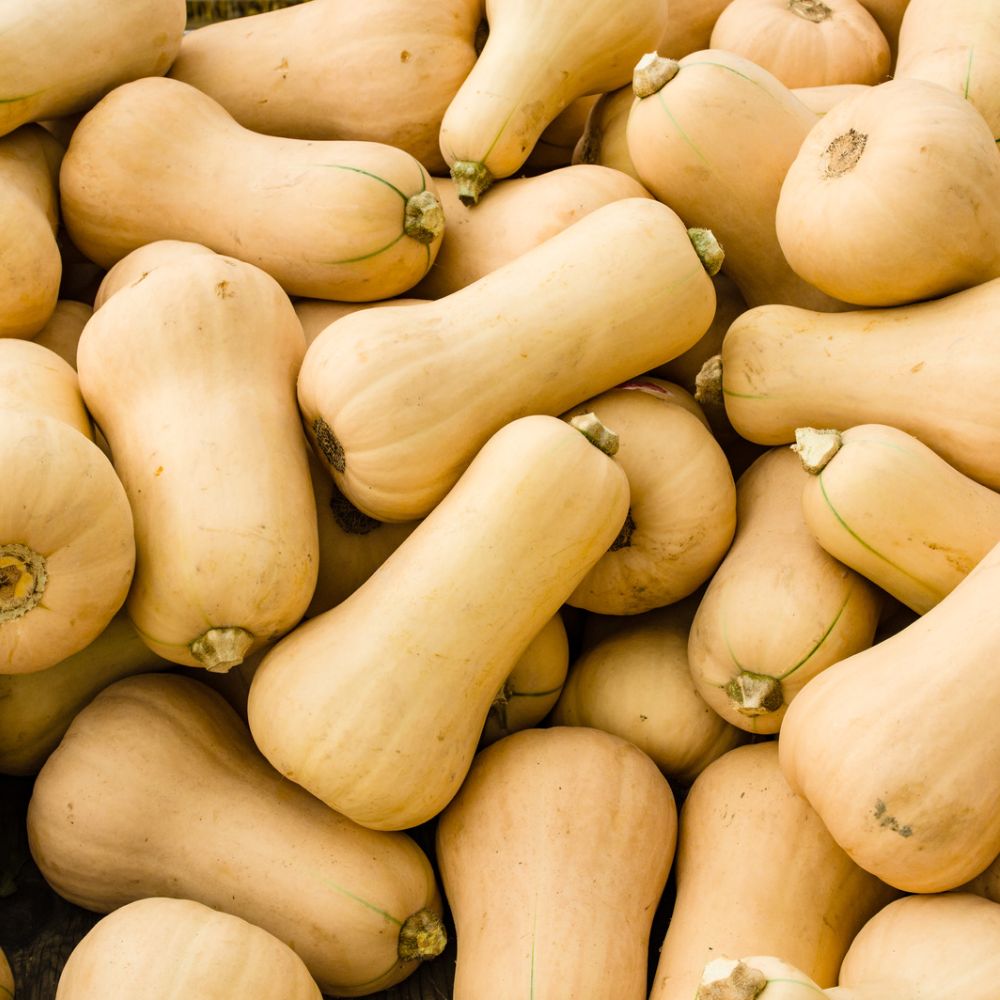
- Winter Squash’s Sugary Depths: Varieties like butternut and acorn squash are celebrated for their inherent sugars. When roasted, these sugars undergo Maillard reactions, producing rich, toasty, and caramel-like notes. Branding for these squash can emphasize their “natural sweetness,” positioning them as healthier alternatives to refined sugars in desserts or as a comforting, naturally sweet base for savory dishes. Marketing materials could feature imagery of golden-brown roasted squash, evoking warmth and indulgence. For example, a brand might develop a line of pre-packaged roasted butternut squash, highlighting its “naturally sweet and creamy texture” as a key selling point for busy consumers seeking wholesome convenience.
- Summer Squash’s Gentle Nuance: In contrast, summer squash like zucchini and yellow squash offer a milder, more delicate sweetness. Their flavor is often described as fresh, slightly grassy, and subtly vegetal. Brands focusing on summer squash might emphasize their versatility and lightness. Marketing campaigns could highlight their suitability for lighter dishes, salads, and quick sautés, appealing to health-conscious consumers seeking refreshing and low-calorie options. The branding could lean into themes of “garden freshness” and “summer vitality.”
Earthy Foundations and Nutty Accents: Grounding the Flavor
Beyond sweetness, squash often carries an earthy foundation, a quality that lends depth and complexity to its flavor. This earthiness is frequently accompanied by nutty undertones, particularly in varieties with denser flesh.
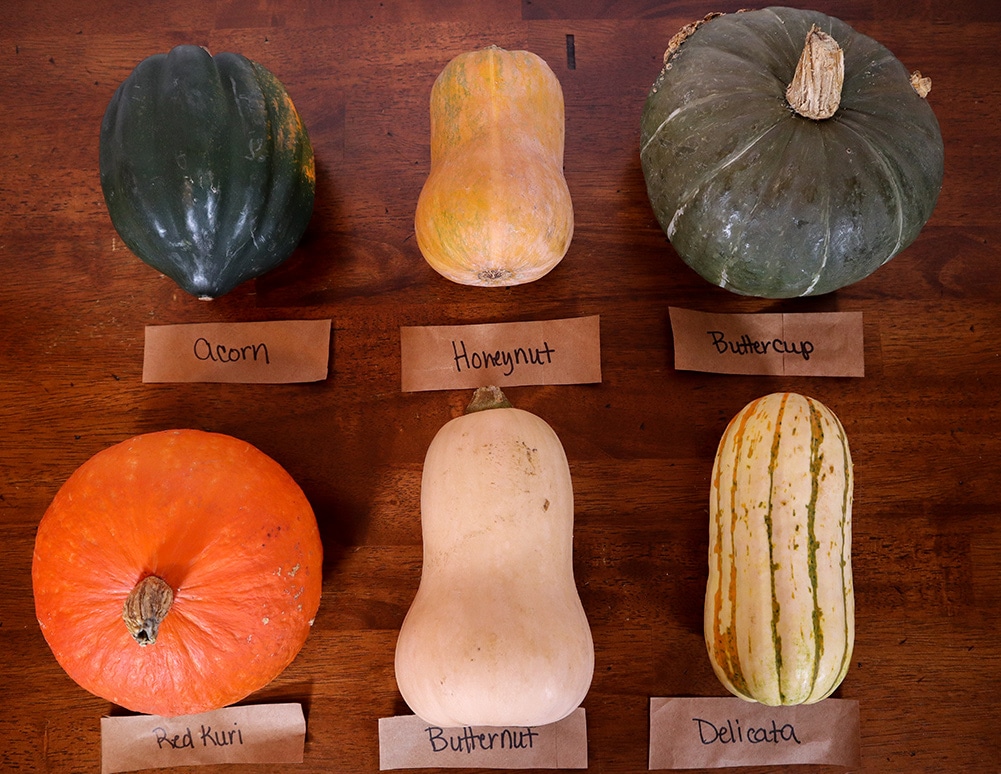
- The Robustness of Kabocha and Acorn: Kabocha squash, with its deep green rind and vibrant orange flesh, is renowned for its intensely sweet, almost chestnut-like flavor and creamy texture. Its earthiness is pronounced, providing a grounding counterpoint to its sweetness. Brands selling Kabocha could position it as a “gourmet” or “premium” squash, emphasizing its rich, complex flavor profile and velvety mouthfeel. The brand’s narrative could revolve around its ability to elevate everyday meals into something special. Acorn squash, while often sweeter, also possesses a distinct earthy flavor that pairs wonderfully with savory herbs and spices. Branding could focus on its “hearty and grounding” qualities, suitable for comforting autumn meals.
- Delicata’s Subtle Nutty Charm: Delicata squash, with its distinctive striped rind, offers a delicate sweetness and a subtle, almost buttery nuttiness. Its flavor is less assertive than Kabocha but highly pleasing and versatile. Brands marketing Delicata could emphasize its “elegant simplicity” and “versatile flavor,” highlighting its ability to complement a wide range of ingredients without overpowering them. Its edible skin also presents a unique selling proposition, allowing for branding around convenience and reduced waste.
Textural Identity: The Crucial Complement to Taste
While taste is primary, the textural experience of squash is inextricably linked to its brand perception. The way squash feels in the mouth – from smooth and creamy to firm and slightly fibrous – significantly influences consumer satisfaction and repeat purchase.
- Creaminess as a Brand Differentiator: Varieties like butternut, Kabocha, and pumpkin are prized for their exceptionally creamy texture when cooked. This creaminess can be a powerful branding tool, especially when targeting consumers seeking comfort food or smooth, pureed textures for soups, sauces, or baby food. Brands can capitalize on this by highlighting the “velvety smooth” or “rich and creamy” mouthfeel in their marketing. Product development could focus on creating smooth purees or pre-portioned chunks that retain their creamy integrity during preparation. A brand of pumpkin soup, for instance, would heavily emphasize its “silky smooth texture” achieved through the inherent creaminess of the pumpkin used.
- Firmness and Structure for Culinary Versatility: Other squash varieties, such as spaghetti squash and some types of acorn squash, offer a firmer texture that holds its shape when cooked. Spaghetti squash, in particular, is known for its string-like strands that mimic pasta, providing a unique textural experience. Brands can leverage this by positioning these squash as healthy, low-carb alternatives to traditional grains or pasta. Marketing for spaghetti squash could focus on its “fun and unique texture,” its “healthful versatility,” and its ability to be incorporated into a wide array of dishes without becoming mushy.
Branding Through Application: Showcasing Squash’s Culinary Versatility
The true power of squash as a brand lies in its remarkable adaptability. Its ability to be prepared in countless ways – roasted, steamed, grilled, baked, pureed, or stuffed – allows brands to showcase its inherent versatility across diverse culinary applications.

The Savory Canvas: From Side Dish to Main Event
The earthy and subtly sweet notes of most squash varieties make them ideal canvases for a wide range of savory flavors. This versatility allows brands to position squash as a staple ingredient for both everyday meals and special occasions.
- Herbal Companions and Spice Pairings: Brands can develop marketing narratives that highlight how specific squash varieties pair exceptionally well with common herbs like sage, thyme, and rosemary, as well as warming spices such as cinnamon, nutmeg, and ginger. Packaging could even include suggested herb pairings or recipe cards. For instance, a brand of acorn squash could promote “The Perfect Autumn Pairing,” showcasing recipes that feature sage and brown butter, emphasizing its comforting and traditional appeal.
- From Hearty Stews to Elegant Gratins: The ability of squash to contribute body and flavor to stews, curries, and gratins is a significant branding asset. Brands can create visual marketing that showcases squash as a robust ingredient that can transform simple dishes into flavorful, visually appealing creations. A brand of butternut squash puree might target the foodservice industry, emphasizing its consistent texture and flavor profile for use in restaurant-quality soups and sauces, thereby enabling chefs to maintain a high brand standard.
The Sweet Surrender: Desserts and Natural Sweeteners
The natural sweetness and creamy texture of many squash varieties lend themselves beautifully to sweet applications, offering a healthier alternative to traditional baked goods.
- Pumpkin Pie Perfection and Beyond: The iconic status of pumpkin pie has long established squash’s potential in the dessert realm. Brands can build upon this legacy by highlighting the natural sweetness and moistness that squash brings to baked goods like muffins, cakes, and breads. Marketing can emphasize “naturally sweetened,” “moist and tender,” and “wholesome indulgence.” A brand of pumpkin puree, for instance, would heavily feature recipes for pumpkin pie, muffins, and cookies, positioning itself as the essential ingredient for festive baking.
- Innovative Sweet Applications: Beyond traditional baked goods, brands can explore and promote more innovative sweet uses for squash, such as in smoothies, ice creams, and fruit-based desserts. This broadens the appeal of squash to a wider demographic, including those seeking healthier dessert options or unique flavor experiences. A brand could launch a line of pre-portioned roasted squash cubes, marketing them as a “ready-to-blend ingredient for smoothies,” highlighting their natural sweetness and nutritional benefits.
Cultivating Brand Loyalty Through Sensory Storytelling
Ultimately, the success of a squash brand hinges on its ability to tell a compelling sensory story. By understanding and effectively communicating the unique taste and textural profiles of their products, brands can forge deeper connections with consumers, driving loyalty and market differentiation.
The Power of Authenticity and Origin
Consumers increasingly value authenticity and transparency in their food choices. Brands that can credibly link their squash to specific regions, farming practices, or heritage varieties can create a powerful narrative that resonates with discerning buyers.
- Farm-to-Table Narratives: Highlighting the origin of the squash, the farming methods employed, and the people behind the produce can build trust and enhance brand value. This can be communicated through website stories, social media campaigns, and packaging information. A brand that partners directly with organic farms can emphasize “ethically sourced,” “sustainably grown,” and “peak ripeness” to build a narrative of quality and care.
- Heritage Varieties and Unique Profiles: Introducing consumers to less common but distinctive heritage squash varieties with unique flavor profiles can create niche appeal and position the brand as knowledgeable and innovative. Marketing could focus on the “forgotten flavors” and “culinary history” of these special varieties.
Sensory Experience as a Marketing Cornerstone
The physical experience of tasting and preparing squash is the ultimate brand ambassador. Brands that invest in high-quality product presentation, provide clear cooking instructions, and encourage user-generated content can amplify their sensory appeal.
- Visual Appeal and Presentation: The vibrant colors and attractive shapes of different squash varieties are inherent marketing assets. Brands should leverage high-quality photography and videography to showcase these visual qualities. Packaging design can also play a crucial role in conveying the perceived quality and taste of the squash.
- Educational Content and Recipe Inspiration: Providing consumers with accessible and inspiring recipes, cooking tips, and information about flavor pairings empowers them to explore the full potential of the squash. This educational approach builds confidence and encourages repeat purchases. Brands can host online cooking classes, share recipe videos, and engage with food bloggers to disseminate this valuable information.
In conclusion, the seemingly simple question, “What do squash taste like?” opens a gateway to profound branding opportunities. By meticulously decoding the sensory nuances of this versatile produce – from its sweet and earthy undertones to its diverse textures – brands can craft compelling narratives, foster deep consumer connections, and ultimately cultivate a loyal following in the vibrant world of food. The ability to articulate and deliver on these sensory promises is not merely about selling a vegetable; it is about building a memorable and desirable brand.
aViewFromTheCave is a participant in the Amazon Services LLC Associates Program, an affiliate advertising program designed to provide a means for sites to earn advertising fees by advertising and linking to Amazon.com. Amazon, the Amazon logo, AmazonSupply, and the AmazonSupply logo are trademarks of Amazon.com, Inc. or its affiliates. As an Amazon Associate we earn affiliate commissions from qualifying purchases.