
The hum of an engine, the sleek lines of a chassis, and the comforting feel of the steering wheel are all familiar aspects of driving. But beneath the surface of automotive engineering lies a complex interplay of components that ensure not only performance and comfort but, crucially, safety. Among these vital, often overlooked parts are the rotors. While their name might suggest rotation, their function extends far beyond simple spinning. Rotors are integral to a car’s braking system, acting as the friction surface upon which brake pads clamp to decelerate and ultimately stop the vehicle. Understanding their role is fundamental to appreciating the sophisticated technology that keeps us safe on the road.
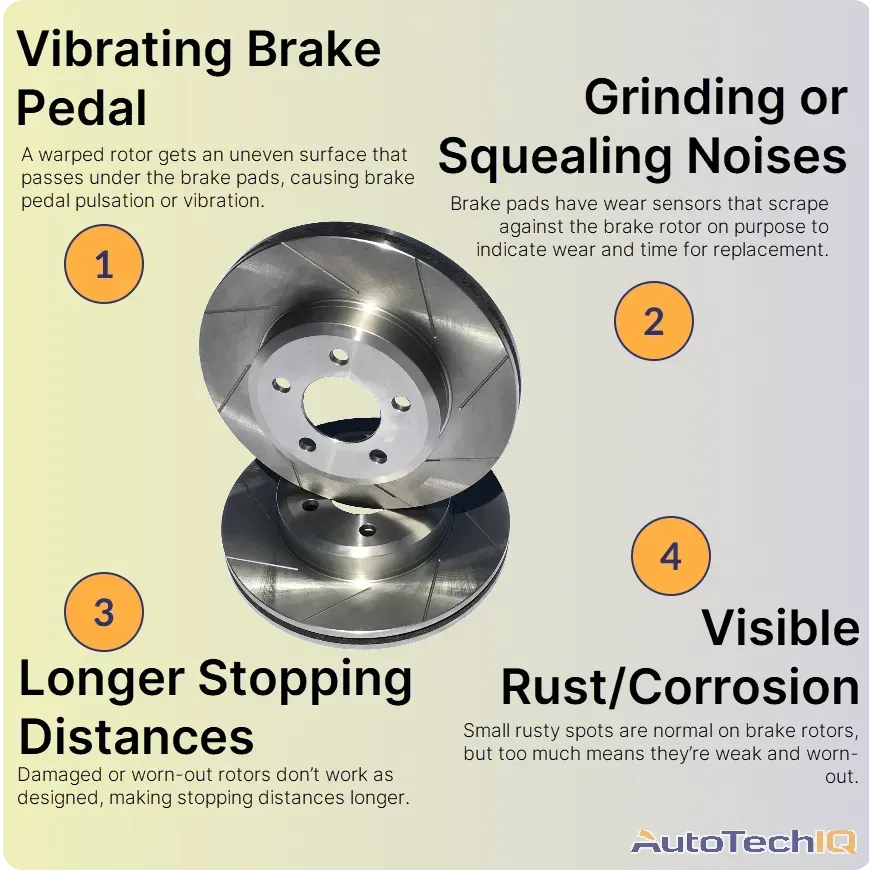
This exploration delves into the technological intricacies of automotive rotors. We will dissect their design, materials, the physics behind their operation, and the advancements that continue to shape their effectiveness. From the microscopic imperfections that influence performance to the macroscopic engineering challenges they overcome, the world of rotors is a fascinating microcosm of automotive innovation.
The Fundamental Role of Rotors in Braking Technology
At its core, a car’s braking system operates on the principle of converting kinetic energy into heat through friction. Rotors are the critical interface in this process. They are essentially large, metallic discs, typically made of cast iron or steel, that rotate along with the wheel hub. When the driver applies the brakes, hydraulic pressure forces brake pads to press against the surfaces of these spinning rotors. This forceful contact generates immense friction, which opposes the rotation of the wheels, thereby slowing down and stopping the vehicle.
The effectiveness of this system hinges on several factors, including the rotor’s material composition, its surface condition, and its ability to dissipate the heat generated during braking. Without rotors, the kinetic energy of a moving vehicle would have no efficient mechanism to be dissipated, making stopping impossible and rendering automobiles inherently unsafe. The continuous rotation of the rotor, coupled with the controlled application of friction by the brake pads, is the elegant solution to this fundamental engineering challenge.
How Rotors Facilitate Friction-Based Deceleration
The process of braking with rotors is a marvel of applied physics. When the brake pedal is pressed, a hydraulic system amplifies the driver’s force and pushes hydraulic fluid towards the brake calipers. Inside each caliper are brake pistons, which are activated by the fluid pressure. These pistons, in turn, exert force on the brake pads. The brake pads, made of specialized friction materials, are positioned on either side of the rotor. As the pistons push the pads, they clamp down onto the rotor’s spinning surface.
The interface between the brake pad and the rotor is where the magic happens. The friction material of the pad is designed to grip the metal of the rotor, creating a resistance to motion. This resistance generates heat, a byproduct of the energy conversion. The greater the friction, the more rapidly the kinetic energy of the wheel is converted into heat, leading to a quicker deceleration. The rotor’s mass and thermal properties are crucial here; a rotor that can absorb and dissipate this heat effectively will maintain its performance and prevent premature wear or failure.
The Importance of Rotor Design and Material Science
The design and material selection for automotive rotors are not arbitrary; they are the result of extensive research and development aimed at optimizing performance, durability, and safety.
Cast Iron: The Workhorse of Rotor Manufacturing
The vast majority of car rotors are manufactured from various grades of cast iron. This material is favored for its excellent friction properties, its ability to withstand high temperatures, and its cost-effectiveness. Cast iron’s inherent damping characteristics also contribute to a quieter braking experience by absorbing vibrations. However, cast iron can be susceptible to corrosion, especially in harsh environments, and can exhibit thermal expansion issues under extreme braking conditions. Manufacturers often use specific alloys and heat treatments to enhance cast iron’s performance and longevity.
Beyond Cast Iron: Advanced Materials and Their Applications
While cast iron remains dominant, advancements in material science have led to the development of alternative rotor materials for specific applications.
- Carbon-Ceramic Rotors: These are found on high-performance and luxury vehicles. Carbon-ceramic composite materials offer exceptional heat resistance, significantly reduced weight, and superior fade resistance (the loss of braking power due to overheating). They are also highly resistant to corrosion. However, their cost is considerably higher, making them impractical for mainstream vehicles.
- Aluminum Alloys: In some specialized applications, particularly in racing, lightweight aluminum alloys are used, often in conjunction with a friction lining. These can offer weight savings, but their thermal capacity and durability may be lower than traditional cast iron.
- Coated Rotors: To combat corrosion and improve wear resistance, many rotors are now coated with various materials, such as zinc or specialized paints. These coatings not only protect the rotor but can also contribute to a more aesthetically pleasing appearance.
The choice of material is a critical engineering decision that balances performance requirements with cost considerations, directly impacting the vehicle’s braking characteristics and overall lifecycle.
The Physics of Heat Dissipation and Rotor Performance
The intense friction generated during braking inevitably leads to a significant increase in temperature. The rotor’s ability to manage this heat is paramount to its sustained performance and the safety of the vehicle. Overheating can lead to a phenomenon known as “brake fade,” where the braking effectiveness diminishes significantly.
Understanding Brake Fade and Thermal Management

Brake fade occurs when the extreme heat generated during prolonged or heavy braking causes the brake pads and rotors to reach temperatures where their friction coefficient decreases. This can be due to several factors, including:
- Pad Material Degradation: High temperatures can cause the organic or semi-metallic components in brake pads to break down, producing gases that create a barrier between the pad and the rotor, reducing friction.
- Rotor Surface Changes: Excessive heat can lead to warping or glazing of the rotor surface, compromising the consistent contact with the brake pads.
- Brake Fluid Issues: While not directly a rotor problem, overheating the entire brake system can lead to brake fluid boiling, creating vapor bubbles that are compressible, thus reducing hydraulic pressure and braking force.
To combat brake fade, rotor designs incorporate features that enhance heat dissipation.
Ventilated vs. Solid Rotors: Design for Heat Management
The physical design of a rotor plays a critical role in its ability to dissipate heat. Two primary types exist:
- Solid Rotors: These are the simplest form, consisting of a solid disc of metal. They are typically found on the rear wheels of lighter vehicles or as the primary braking surface on some smaller cars. Solid rotors have a smaller surface area for heat dissipation and are more susceptible to overheating under heavy loads.
- Ventilated (Vented) Rotors: These are far more common, especially on the front wheels of most vehicles, which handle a larger proportion of the braking force. Ventilated rotors have internal vanes or passages between their two friction surfaces. As the rotor spins, it acts like a fan, drawing in cooler air from the outside and expelling hot air from the inside. This continuous airflow significantly increases the rotor’s capacity to dissipate heat, making it much more effective at preventing brake fade during demanding braking scenarios.
The choice between solid and ventilated rotors is a direct reflection of the vehicle’s intended use and braking demands. A performance car or a heavy-duty truck will invariably feature larger, ventilated (often cross-drilled or slotted as well) rotors designed for maximum thermal management.
The Role of Cross-Drilling and Slotting
Beyond ventilation, some rotors feature cross-drilling or slotting on their friction surfaces. These design elements serve specific technological purposes:
- Cross-Drilling: Holes drilled through the rotor surface allow gases produced by the brake pads under extreme heat to escape more readily. This can help prevent glazing and improve initial bite. It also allows for some cooling effect as air passes through the holes. However, cross-drilling can sometimes be a point of stress concentration, potentially leading to cracks if not engineered correctly.
- Slotting: Grooves machined into the rotor surface perform a similar function to cross-drilling by helping to evacuate gases and brake dust. Slotting also offers a slight “cleaning” effect on the brake pad surface, which can help maintain consistent friction. Moreover, the edges of the slots can scrape away a thin layer of pad material, exposing fresh friction material.
These design features are sophisticated technological solutions to the challenges of heat and gas management in braking systems, contributing to more consistent and reliable braking performance.
Technological Advancements and Future of Rotors
The evolution of automotive technology is relentless, and the humble rotor has not been left behind. Continuous innovation focuses on improving performance, durability, efficiency, and even environmental impact.
Innovations in Materials and Manufacturing Processes
The quest for lighter, stronger, and more heat-resistant materials is an ongoing theme in rotor development.
- Improved Cast Iron Alloys: Metallurgists are constantly refining cast iron compositions, introducing elements like molybdenum and chromium to enhance strength, heat resistance, and reduce thermal expansion. Advanced casting techniques also contribute to more uniform material properties and improved structural integrity.
- Composite Materials: As mentioned with carbon-ceramics, the use of advanced composite materials is expanding. Research is underway to develop more cost-effective composite solutions that can offer the benefits of lightweight and superior thermal performance for a wider range of vehicles.
- Surface Treatments and Coatings: Beyond basic corrosion resistance, specialized coatings are being developed to reduce friction, improve wear characteristics, and even enhance the thermal conductivity of the rotor surface, leading to more efficient heat dissipation.

Integration with Advanced Braking Systems
Rotors are no longer standalone components; they are increasingly integrated into sophisticated electronic braking systems.
- Electronic Stability Control (ESC) and Anti-lock Braking Systems (ABS): These systems rely on precise and rapid application of braking force. Rotors are designed to respond quickly and consistently to the signals from these electronic modules, ensuring that ABS can modulate brake pressure to prevent wheel lock-up and ESC can stabilize the vehicle during skids. The speed and accuracy of the rotor’s response are critical to the effective operation of these life-saving technologies.
- Regenerative Braking: In hybrid and electric vehicles, regenerative braking systems recapture energy by using the electric motor as a generator to slow the vehicle. While this reduces reliance on friction brakes, rotors still play a crucial role in providing supplementary braking force, emergency braking, and during low-speed maneuvers. The design of rotors for these vehicles may be optimized to work in conjunction with regenerative systems, potentially being lighter or designed for less frequent, but still critical, use.
The future of rotors lies in their continued adaptation to the demands of modern vehicles, driven by advancements in materials science, manufacturing technology, and the ever-increasing sophistication of automotive control systems. They remain a cornerstone of automotive safety technology, a silent guardian ensuring that every journey concludes as intended.
aViewFromTheCave is a participant in the Amazon Services LLC Associates Program, an affiliate advertising program designed to provide a means for sites to earn advertising fees by advertising and linking to Amazon.com. Amazon, the Amazon logo, AmazonSupply, and the AmazonSupply logo are trademarks of Amazon.com, Inc. or its affiliates. As an Amazon Associate we earn affiliate commissions from qualifying purchases.