
The internet, in its boundless capacity for ephemeral trends, has given birth to countless viral sensations. Among the most memorable and enduring of these is the “What Does the Fox Say?” meme. Originating from the catchy yet nonsensical electronic dance music song by Norwegian comedy duo Ylvis, this meme transcended its musical origins to become a cultural touchstone, influencing online discourse and, perhaps more surprisingly, leaving a significant mark on the landscape of digital marketing and brand engagement. While seemingly frivolous, the meme’s trajectory offers a compelling case study for brands seeking to understand and leverage the power of internet culture. This article delves into the technological underpinnings that facilitated its rise, the strategic marketing applications it inspired, and its lasting legacy on how brands connect with their audiences in the digital age.

The Anatomy of Virality: How Technology Propelled the Fox Meme
The rapid ascent of “What Does the Fox Say?” was intrinsically linked to the technological infrastructure and social dynamics of the early 2010s internet. Its journey from a novelty song to a global meme is a testament to the interconnectedness and participatory nature of digital platforms. Understanding this technological ecosystem is crucial for appreciating how such cultural moments are born and how brands can tap into similar currents.
The Rise of YouTube and Visual Content Platforms
At the heart of the meme’s proliferation was YouTube. Released in September 2013, the music video for “The Fox (What Does the Fox Say?)” quickly became a viral sensation on the platform. YouTube’s algorithm, designed to promote engaging content, played a significant role in pushing the video to a wider audience. The inherent visual humor, the repetitive and infectious melody, and the sheer absurdity of the lyrics made it inherently shareable. This visual medium allowed for immediate engagement, with users not only watching but also reacting, commenting, and, most importantly, creating their own interpretations. The platform’s accessibility and global reach meant that the song and its associated silliness could spread across continents in a matter of days, a feat unimaginable in pre-internet eras.
The Role of Social Media in Amplification
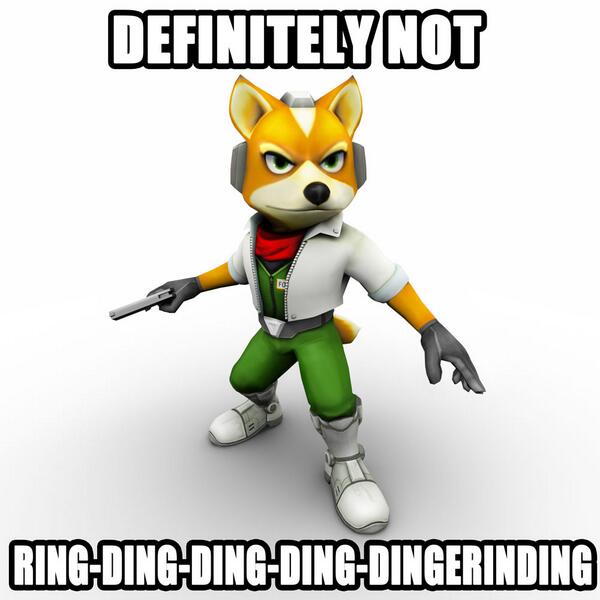
Beyond YouTube, social media platforms acted as crucial amplifiers. Twitter, Facebook, and later TikTok, provided fertile ground for the meme to spread through shares, retweets, and user-generated content. The meme’s inherent catchiness lent itself to short, punchy formats perfect for these platforms. Users began creating their own versions of the song, remixing it, lip-syncing to it, and, most significantly, generating countless image macros and reaction GIFs. These short-form, easily digestible content pieces were designed for rapid consumption and sharing, further accelerating the meme’s reach. The ease with which users could participate in the trend – by creating their own content based on the original – fostered a sense of community and collective engagement. This participatory culture is a hallmark of modern digital trends, and brands that can effectively tap into it gain a significant advantage.
The Technological Underpinnings of Meme Creation and Distribution
The proliferation of user-friendly digital tools further democratized meme creation. Affordable video editing software, accessible graphic design applications, and easy-to-use GIF makers empowered individuals with little to no technical expertise to participate in the meme economy. This technological accessibility meant that the creation and distribution of meme content became decentralized, with inspiration and execution coming from all corners of the internet. The rapid evolution of internet speeds and mobile connectivity also played a vital role, allowing for seamless uploading and downloading of video and image content, thus fueling the constant stream of new meme variations. This technological democratization of content creation is a double-edged sword for brands: while it allows for organic virality, it also means that brands must be agile and responsive to stay relevant.
Marketing in the Meme Age: Leveraging “What Does the Fox Say?” for Brand Engagement
The “What Does the Fox Say?” meme, despite its nonsensical origins, presented a unique opportunity for marketers. Its widespread popularity and inherent shareability made it a potent tool for increasing brand visibility, fostering engagement, and even driving traffic. Savvy brands recognized the potential to piggyback on this cultural moment, transforming fleeting internet humor into tangible marketing benefits.
Riding the Wave: Brands Embracing the Meme

Numerous brands, from small businesses to global corporations, attempted to capitalize on the meme’s popularity. This often involved incorporating the song’s iconic phrases or themes into their advertising campaigns, social media posts, or even product names. For example, some restaurants offered “What Does the Fox Say?” themed dishes, while clothing brands released merchandise featuring fox-related imagery and the meme’s catchphrases. The key to successful adoption was authenticity and an understanding of the meme’s spirit. Brands that tried too hard or shoehorned the meme in unnaturally often fell flat, appearing out of touch. Those that integrated it seamlessly, often with a touch of self-awareness or humor, found greater success. This highlighted the importance of a nuanced approach to meme marketing, moving beyond simple imitation to genuine cultural integration.
The Power of User-Generated Content (UGC) and Community Building
The meme’s success was largely driven by user-generated content. Brands that encouraged and amplified UGC related to the meme experienced a significant boost in engagement. This could involve running contests that asked users to create their own “What Does the Fox Say?” inspired content, or simply by actively sharing and responding to fan-created material. By fostering a sense of community around the meme, brands could create a more personal and relatable connection with their audience. This approach aligns perfectly with modern marketing strategies that emphasize authenticity and co-creation. When users feel that a brand is actively participating in their digital conversations and valuing their contributions, it builds trust and loyalty. The “What Does the Fox Say?” meme provided a perfect, lighthearted canvas for this type of interaction.
Measuring the Impact: ROI of Meme Marketing
While often viewed as purely recreational, meme marketing can yield measurable results. Brands that successfully leveraged the “What Does the Fox Say?” meme likely saw increases in website traffic, social media mentions, follower growth, and brand recall. The ephemeral nature of memes means that precise ROI calculations can be challenging, as the impact is often spread across various channels and experiences. However, by tracking metrics like social media engagement rates, sentiment analysis, and direct traffic spikes following meme-related campaigns, brands could gauge the effectiveness of their efforts. The key takeaway for marketers is that engaging with internet culture, even seemingly trivial trends, can have a tangible impact on business objectives when approached strategically. It’s about understanding the audience, the platform, and the cultural zeitgeist.
The Enduring Legacy: “What Does the Fox Say?” and the Evolution of Digital Brand Identity
The “What Does the Fox Say?” meme may have faded from its peak viral status, but its influence on the digital marketing landscape continues to resonate. It served as a significant cultural marker, demonstrating the power of internet trends and shaping how brands approach their online presence and consumer interactions.
The Democratization of Pop Culture and Brand Relevance
The meme’s widespread appeal underscored a fundamental shift in how pop culture is created and consumed. It wasn’t dictated by traditional media gatekeepers but emerged organically from the online community. For brands, this meant that relevance was no longer solely about massive advertising budgets but also about understanding and participating in the conversations that mattered to their audience, no matter how niche or quirky they might seem. Brands that could demonstrate an awareness of and an ability to engage with these emergent cultural moments were perceived as more authentic and in touch with contemporary society. The “What Does the Fox Say?” phenomenon was a powerful early indicator of this trend, teaching brands to be more agile and less reliant on top-down communication.
The Rise of Authenticity and Playfulness in Brand Communication
The meme’s inherent silliness and its ability to evoke laughter made it a powerful example of how brands could inject personality and playfulness into their communication. In an era where consumers are increasingly wary of overly polished or corporate messaging, embracing a more authentic and sometimes humorous tone can be highly effective. Brands learned that they didn’t always have to be serious to be taken seriously. The “What Does the Fox Say?” meme provided a low-risk, high-reward opportunity for brands to experiment with more informal and engaging language. This paved the way for more conversational marketing styles, the use of emojis, and a general shift towards a more human-centric approach to brand interaction online.
The Metaverse and the Future of Meme Marketing
Looking ahead, the principles that fueled the “What Does the Fox Say?” meme’s success will likely continue to be relevant, even as the digital landscape evolves. The burgeoning metaverse, with its emphasis on immersive experiences and user-generated content, presents a new frontier for meme culture and, consequently, for meme marketing. Brands that understand how to create and participate in shared digital experiences, leveraging humor and relatable cultural touchstones, will be best positioned to thrive in these new environments. The lessons learned from viral phenomena like “What Does the Fox Say?” – the importance of platform understanding, authentic engagement, and the power of participatory culture – will remain invaluable as brands navigate the ever-changing digital frontier. The “What Does the Fox Say?” meme, in its own unique way, was a precursor to the more immersive and participatory digital experiences we are beginning to see today.
aViewFromTheCave is a participant in the Amazon Services LLC Associates Program, an affiliate advertising program designed to provide a means for sites to earn advertising fees by advertising and linking to Amazon.com. Amazon, the Amazon logo, AmazonSupply, and the AmazonSupply logo are trademarks of Amazon.com, Inc. or its affiliates. As an Amazon Associate we earn affiliate commissions from qualifying purchases.